Cupid’s-dart (Catananche Caerulea)
Welcome, plant enthusiasts, to this comprehensive guide on Cupid’s-dart, scientifically known as Catananche caerulea. In this blog post, we will delve deep.
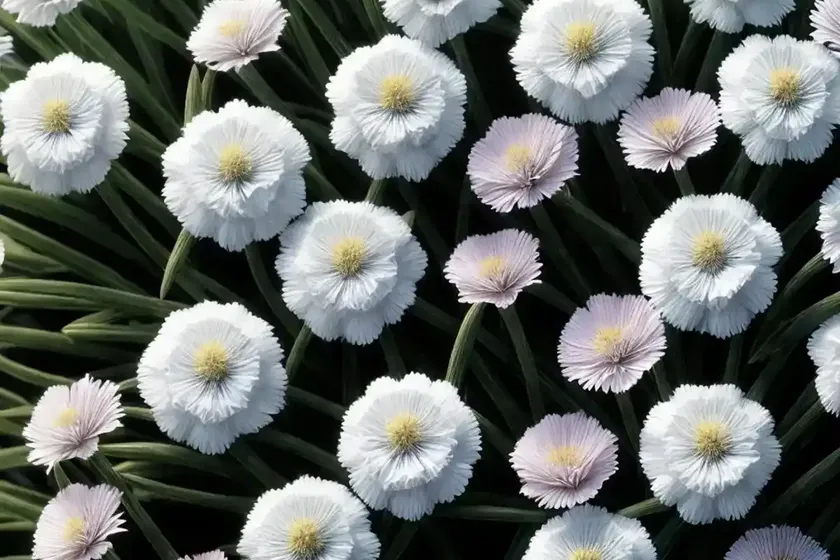
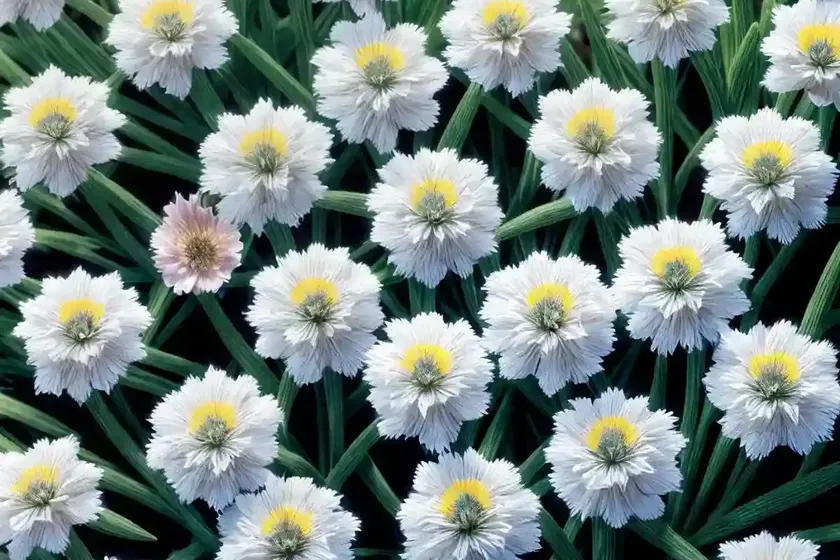
Welcome, plant enthusiasts, to this comprehensive guide on Cupid’s-dart, scientifically known as Catananche caerulea. In this blog post, we will delve deep into the enchanting world of Cupid’s-dart, exploring its cultural significance, uses, growth requirements, propagation techniques, and much more. Whether you are a seasoned gardener or a novice plant lover, this guide will equip you with all the knowledge you need to cultivate and care for this charming perennial plant.
Cupid’s-dart, also known as blue cupidone or mountain cudweed, captivates the senses with its striking blue flowers and delicate appearance. As we embark on this botanical journey, we will explore every facet of this captivating plant, from its historical folklore and medicinal uses to practical tips for its successful cultivation in your own garden.
What is Cupid’s-dart (Catananche Caerulea)?
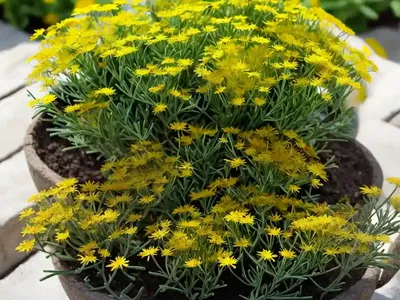
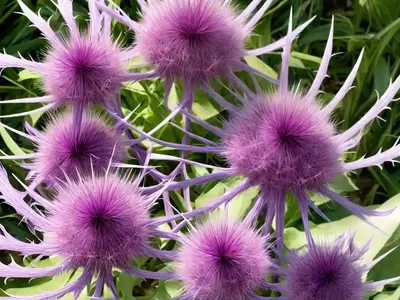
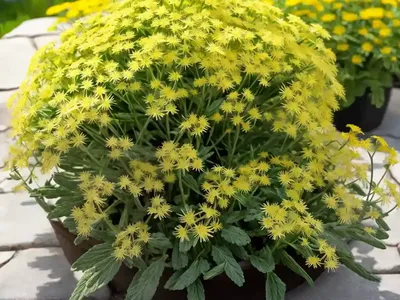
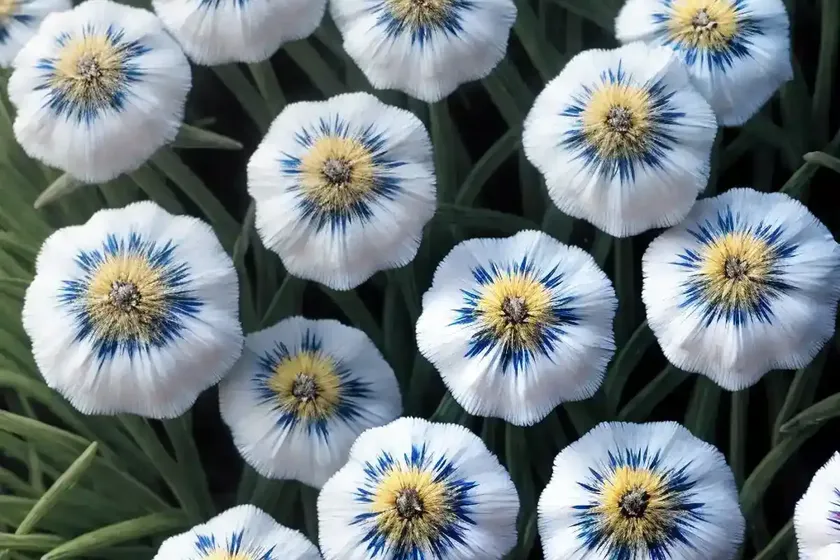
Cupid’s-dart (Catananche caerulea) is a perennial flowering plant belonging to the Asteraceae family. Native to the Mediterranean region, this exquisite herbaceous plant is cherished for its stunning blue, daisy-like flowers, which bloom from early summer to fall. The plant typically reaches a height of 1 to 2 feet, and its slender, silver-gray foliage forms an attractive contrast to the vivid blue blooms.
Key Takeaways – Cupid’s-dart (Catananche Caerulea)
Before we dive deeper into the specifics of cultivating and caring for Cupid’s-dart, let’s outline some key takeaways about this enchanting plant.
- Common Name: Cupid’s-dart
- Scientific Name: Catananche caerulea
- Plant Type: Perennial
- Flower Color: Blue
- Blooming Season: Early summer to fall
- Sunlight: Full sun
- Watering: Moderate
- Soil Type: Well-draining, fertile
- Height: 1 to 2 feet
- USDA Hardiness Zones: 5 to 8
Now that we have an overview of Cupid’s-dart let’s explore the essential aspects of its culture, uses, and care.
Culture
Understanding the cultural requirements of Cupid’s-dart is crucial for successful cultivation. This includes aspects such as sunlight, watering, soil conditions, and fertilizer application.
Sunlight
Cupid’s-dart thrives in full sunlight, meaning it requires at least 6 hours of direct sunlight daily. Adequate sunlight promotes robust growth and vibrant flowering, making it essential to position the plant in a sunny location in your garden. In regions with scorching summers, providing partial shade during the hottest part of the day can help protect the plant from excessive heat stress.
Water
When it comes to watering, Cupid’s-dart prefers moderate moisture levels. While the plant is relatively drought-tolerant once established, consistent watering is crucial, particularly during hot and dry periods. However, it is important to avoid overwatering, as this can lead to root rot and other moisture-related issues.
Fertilizer
Cupid’s-dart benefits from a balanced, all-purpose fertilizer in the early spring, just as new growth begins to emerge. A slow-release or organic fertilizer can be applied to the soil surrounding the plant, following the manufacturer’s recommended application rates. Avoid over-fertilizing, as this can lead to excessive foliage growth at the expense of flowering.
Soil
The soil should be well-draining and fertile to support healthy growth and abundant flowering. Cupid’s-dart thrives in loamy or sandy soils with good organic content. It is essential to ensure proper drainage to prevent waterlogging, which can be detrimental to the plant’s health.
Uses
Cupid’s-dart holds significance not only in the realm of ornamental gardening but also in traditional folklore and herbal remedies. Let’s explore some of the plant’s primary uses and cultural significance.
Ornamental Use
The stunning blue flowers of Cupid’s-dart make it a popular choice for ornamental plantings in gardens, landscapes, and floral arrangements. Its long-lasting blooms and graceful appearance are well-suited for border plantings, rock gardens, and mixed perennial beds.
Medicinal Folklore
In traditional folklore, Cupid’s-dart has been associated with various medicinal uses, although it is essential to consult a qualified healthcare professional before using any plant-based remedies. The plant has been credited with properties related to wound healing, respiratory health, and digestive wellness in certain folk traditions.
Propagation
Propagating Cupid’s-dart allows enthusiasts to expand their plant collection and share its beauty with others. The following techniques can be utilized for successful propagation.
Seed Propagation
Cupid’s-dart can be propagated from seeds, which are typically sown directly into the garden in the spring or early summer. The soil should be prepared by loosening it and removing any debris before sowing the seeds. Lightly cover the seeds with soil and keep the area consistently moist until germination occurs.
Cutting Propagation
Propagation from stem cuttings is another viable method for expanding Cupid’s-dart populations. Select healthy, non-flowering stems and make clean cuts just below a leaf node. These cuttings can be placed in a well-draining rooting medium and kept in a warm, humid environment until roots develop.
Container Popularity
Cupid’s-dart’s compact size, charming flowers, and adaptability make it a sought-after choice for container gardening. When cultivated in containers, the plant can be positioned on patios, balconies, or decks, bringing its beauty closer to living spaces.
Container Gardening Tips
When growing Cupid’s-dart in containers, it is essential to choose a pot with adequate drainage holes to prevent waterlogging. A high-quality, well-draining potting mix is recommended to provide the plant with the necessary support and nutrients. Additionally, regular watering and fertilization are crucial for the plant’s health and vigor in a containerized environment.
Common Diseases and Pest Control
Cupid’s-dart, like any other plant, is susceptible to certain diseases and pests. Understanding potential issues and their management is essential for maintaining healthy plants.
Disease Resistance
Catananche caerulea is known for its overall disease resistance under favorable growing conditions. However, factors such as poor air circulation, excessive moisture, and overcrowded plantings can lead to issues such as powdery mildew and other fungal diseases. These can be mitigated through proper cultural practices and, if necessary, the use of fungicidal treatments as per the manufacturer’s recommendations.
Pest Control
While Cupid’s-dart is relatively resistant to most common garden pests, occasional infestations of aphids, spider mites, and caterpillars may occur. Vigilant monitoring and prompt intervention, such as the use of insecticidal soaps or natural predators, can effectively manage pest populations without resorting to harsh chemical controls.
Botanist’s Tips
As a plant scientist, I would like to share some tips to help you cultivate and care for Cupid’s-dart with success. These recommendations are based on scientific principles and practical experience in the field of botany.
-
Companion Planting: Consider planting Cupid’s-dart alongside companion species such as lavender, yarrow, and salvia to create visually appealing and ecologically beneficial plantings.
-
Overwintering: In regions with harsh winters, providing a layer of mulch around the base of the plant can offer protection from freezing temperatures and help ensure its survival through the colder months.
-
Pruning Technique: Deadheading spent flowers can encourage continued blooming and prevent self-seeding, although allowing some seed dispersal can contribute to naturalistic plantings.
Fun Facts
Before we conclude this comprehensive guide, let’s explore some intriguing and delightful fun facts about Cupid’s-dart.
-
In traditional folklore, Cupid’s-dart was believed to possess magical properties related to love and romance, leading to its association with the ancient Roman god of love, Cupid.
-
The vibrant blue flowers of Catananche caerulea also make it a popular choice for enhancing the aesthetic appeal of butterfly gardens and attracting pollinators such as bees and butterflies.
Links to External Resources
For further exploration of Cupid’s-dart and its cultivation, care, and folklore, consider delving into the following external resources:
- Royal Horticultural Society – Catananche caerulea
- Missouri Botanical Garden – Catananche caerulea
- The Spruce – How to Grow and Care for Cupid’s-dart
In conclusion, Cupid’s-dart, or Catananche caerulea, stands as a remarkable example of nature’s beauty and resilience. Its captivating flowers, rich folklore, and practical uses make it a beloved addition to gardens and landscapes across the world. By understanding its cultural needs, propagation techniques, and potential challenges, plant enthusiasts can cultivate and care for Cupid’s-dart, ensuring its enduring presence in horticulture and folklore alike.
Whether you are drawn to its enchanting blue flowers, its historical significance, or its ecological contributions, embracing Cupid’s-dart in your gardening endeavors can open a realm of natural wonder and cultural connection.
As you embark on your journey with Cupid’s-dart, may the wisdom shared in this guide serve as a source of inspiration and guidance, fostering a deeper appreciation for the remarkable world of botany and horticulture. Happy gardening!
Keywords: Cupid’s dart flower, Catananche caerulea, Cupid’s-dart plant care, Catananche caerulea cultivation, Cupid’s dart growing tips, Catananche caerulea varieties, Cupid’s-dart perennial, Catananche caerulea characteristics, Cupid’s dart propagation, Catananche caerulea seeds, Cupid’s-dart medicinal uses, Catananche caerulea folklore, Cupid’s dart symbolism, Catananche caerulea garden design, Cupid’s-dart blooming season, Catananche caerulea natural habitat, Cupid’s dart landscape ideas, Catananche caerulea pest control, Cupid’s dart companion plants, Catananche caerulea container gardening, Cupid’s-dart native range, Catananche caerulea wildlife attraction, Cupid’s dart pruning techniques, Catananche caerulea water requirements, Cupid’s-dart soil preferences, Catananche caerulea sun exposure, Cupid’s dart flower arrangement, Catananche caerulea growth habit, Cupid’s-dart seasonal care, Catananche caerulea cutting propagation, Cupid’s dart trellising options, Catananche caerulea drought tolerance, Cupid’s-dart soil amendment recommendations, Catananche caerulea disease resistance, Cupid’s dart attracting pollinators, Catananche caerulea landscape maintenance, Cupid’s-dart beneficial companion insects, Catananche caerulea winter protection, Cupid’s dart deer resistance, Catananche caerulea butterfly garden, Cupid’s-dart fragrance, Catananche caerulea wildlife habitat, Cupid’s dart cut flower longevity, Catananche caerulea herbal remedies, Cupid’s-dart container varieties, Catananche caerulea soil pH requirements, Cupid’s dart hummingbird attraction, Catananche caerulea garden borders, Cupid’s-dart flower symbolism, Catananche caerulea seasonal display.