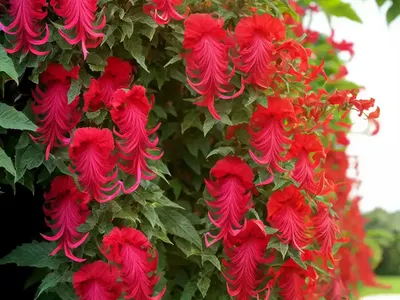
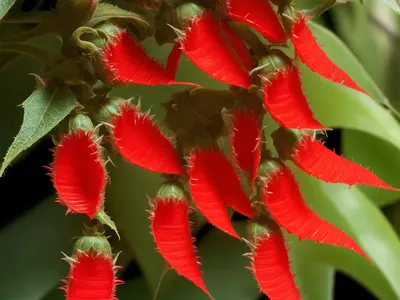
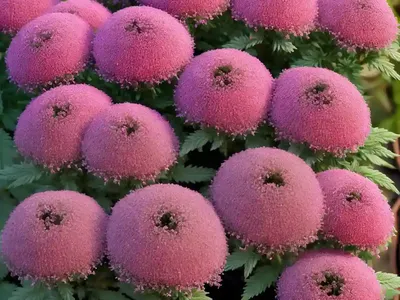
Cuphea ‘David Verity’ (Large Firecracker Plant)
Cuphea, commonly known as the firecracker plant, is a diverse genus of flowering plants encompassing roughly 260 species. Among these, Cuphea ‘David.
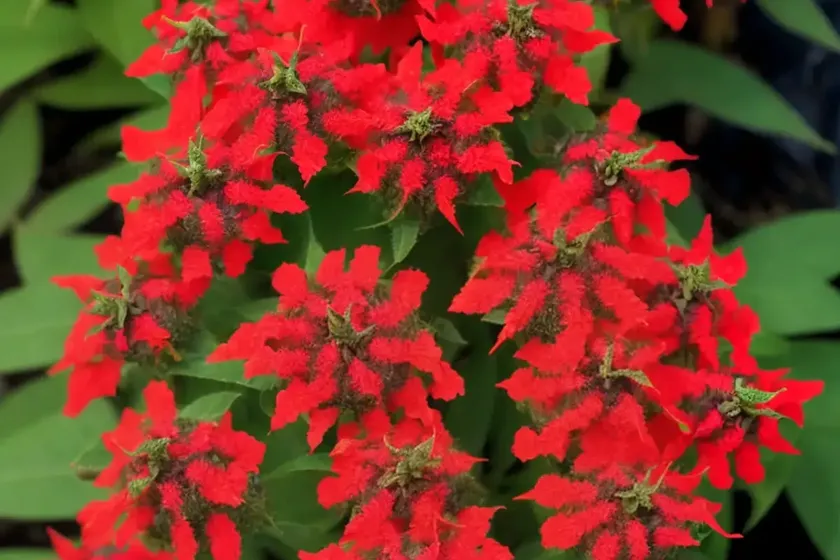
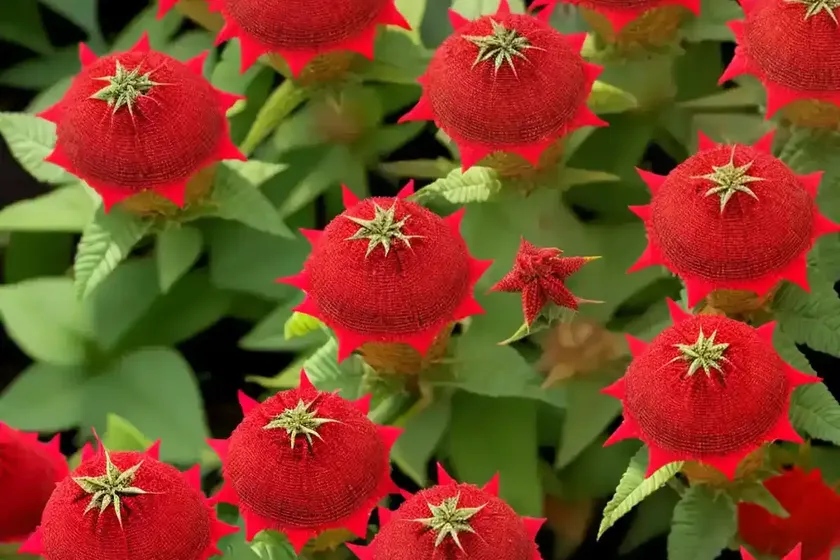
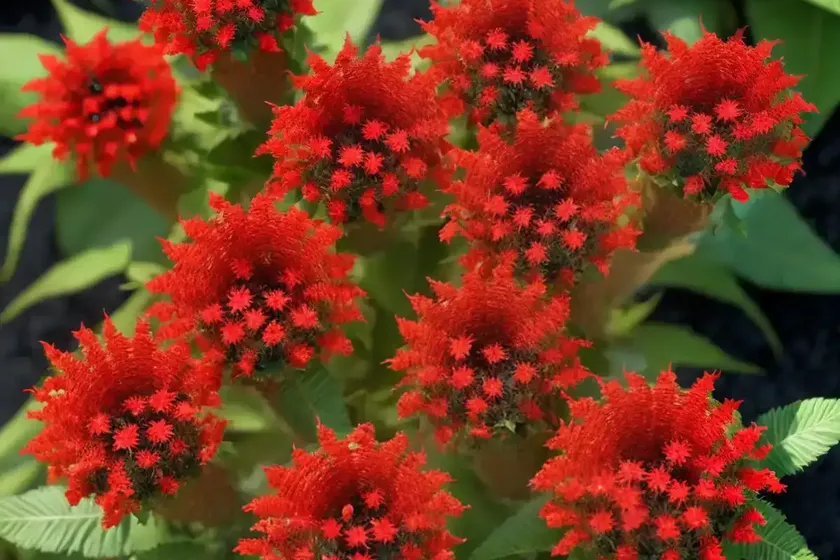
Cuphea, commonly known as the firecracker plant, is a diverse genus of flowering plants encompassing roughly 260 species. Among these, Cuphea ‘David Verity’, also known as the Large Firecracker Plant, stands out for its stunning, tubular flowers and vibrant appearance. This comprehensive guide dives into the key aspects of caring for and cultivating Cuphea ‘David Verity’, making it a valuable resource for both novice and seasoned gardeners.
What is Cuphea ‘David Verity’?
Cuphea ‘David Verity’ is a striking perennial plant that belongs to the Cuphea genus. It is a member of the Lythraceae family and is native to Mexico and Guatemala. This cultivar is renowned for its abundant production of vibrant fiery-orange tubular flowers, which possess an uncanny resemblance to miniature firecrackers, thus earning it the name “Large Firecracker Plant.” This eye-catching characteristic, combined with its tropical appeal, has made Cuphea ‘David Verity’ a popular choice for garden landscapes and container gardening.
This particular variety of Cuphea thrives in warm climates and can be cultivated as a perennial in USDA hardiness zones 8 to 11. It typically reaches a height of 18 to 30 inches and spreads to about 2 to 3 feet in width. As an evergreen, it maintains its attractive foliage throughout the year, contributing to its ornamental value in garden settings.
Key Takeaways – Cuphea ‘David Verity’ (Large Firecracker Plant)
Before delving into the specific care and cultivation techniques for Cuphea ‘David Verity’, let’s highlight the key elements that define this unique plant.
- Common Name: Large Firecracker Plant
- Botanical Name: Cuphea ‘David Verity’
- Family: Lythraceae
- Origin: Mexico, Guatemala
- Hardiness Zones: 8 to 11
- Mature Height: 18 to 30 inches
- Mature Width: 2 to 3 feet
- Foliage: Evergreen
- Flower Color: Fiery Orange
- Blooming Season: Spring to Fall
- Landscape Use: Borders, Containers, Landscapes
- Special Features: Attracts Hummingbirds, Drought-Tolerant
Now that we have an overview of Cuphea ‘David Verity’, let’s explore the specific care requirements and cultivation practices necessary to ensure its optimal growth and vitality.
Culture
Proper cultural practices play a pivotal role in nurturing the growth and health of Cuphea ‘David Verity’. Understanding its specific cultural needs is essential for creating an environment where the plant can thrive.
Uses
The versatile nature of Cuphea ‘David Verity’ allows it to be utilized in various facets of gardening and landscaping. Here are some common uses of this plant:
- Garden Borders: Its vibrant flowers make it an excellent choice for edging garden borders.
- Container Gardening: Cuphea ‘David Verity’ flourishes in containers, adding color to patios, decks, and balconies.
- Pollinator Gardens: With its ability to attract hummingbirds, it contributes to the biodiversity of pollinator-friendly landscapes.
- Mixed Beds: It complements other flowering plants in mixed beds, enhancing visual appeal.
Water
Proper watering is imperative for the health and vigor of Cuphea ‘David Verity’. While it exhibits good drought tolerance once established, consistent moisture is vital during its establishment phase and in periods of prolonged dryness.
Watering Guidelines:
– Establishment Phase: Irrigate the plant regularly during the first growing season to facilitate root establishment.
– Mature Plants: Once established, water deeply but infrequently, allowing the soil to partially dry out between waterings.
– Potted Plants: Ensure adequate drainage in containers to prevent waterlogging, but water as needed to maintain soil moisture.
Sunlight
Cuphea ‘David Verity’ thrives in full sunlight, exhibiting the best flower production and overall growth under these conditions. Adequate sunlight exposure is essential for its vitality and blooming potential.
Sunlight Requirements:
– Optimal: Full Sun (at least 6 to 8 hours of direct sunlight daily)
– Tolerance: Can tolerate some light shade, but flowering may be reduced in shadier locations
Fertilizer
Providing appropriate nutrients is essential for fostering the lush foliage and abundant flowering of Cuphea ‘David Verity’. Selecting the right fertilizer and adhering to a proper fertilization schedule are crucial for its overall health.
Fertilization Guidelines:
– Balanced Fertilizer: Use a balanced, slow-release fertilizer formulated for flowering plants to provide essential nutrients.
– Frequency: Apply fertilizer in early spring and again in mid-summer to support continuous growth and blooming.
Soil
The type of soil in which Cuphea ‘David Verity’ is planted significantly influences its growth and performance. Ensuring proper soil composition and structure is vital for optimal development.
Soil Preferences:
– Well-Draining: Requires well-draining soils to prevent waterlogging and root rot.
– pH Level: Thrives in slightly acidic to neutral soils (pH 6.0 to 7.0).
– Composition: Sandy loam or loamy soils with good aeration are well-suited for Cuphea ‘David Verity’.
Pruning
Pruning is an essential aspect of Cuphea ‘David Verity’ care, contributing to its overall appearance, longevity, and flower production. Proper pruning techniques help maintain a tidy, compact growth habit and encourage continuous blooming.
Pruning Tips:
– Deadheading: Remove spent flowers regularly to promote a prolonged blooming period and prevent seed development.
– Shaping: Prune back leggy or overgrown stems to maintain a balanced and compact plant form.
– Winter Pruning: Perform light pruning in late winter to remove any dead or damaged growth and rejuvenate the plant for the upcoming growing season.
Propagation
Expanding your Cuphea ‘David Verity’ collection or sharing its beauty with others often involves propagation. Understanding the various propagation methods enables gardeners to propagate the plant successfully.
Propagation Methods:
– Softwood Cuttings: Propagate from softwood cuttings taken in late spring to early summer, using a rooting hormone to enhance root formation.
– Division: Divide mature clumps in spring to create new plants, ensuring each division has sufficient roots and shoots for successful establishment.
Container Popularity
Cuphea ‘David Verity’ is well-suited for container gardening, boasting the versatility to thrive in various container sizes and styles. Its striking flowers and compact growth habit make it a popular choice for container displays, particularly in regions where it may not be hardy in the ground.
Container Gardening Benefits:
– Portability: Offers the flexibility to move the plant to optimal sunlight or sheltered locations as needed.
– Space Optimization: Ideal for small spaces, such as balconies, patios, and urban environments, where garden beds may be limited.
– Aesthetic Appeal: Enhances the visual appeal of outdoor living areas with its colorful blooms and attractive foliage.
Common Diseases
While Cuphea ‘David Verity’ is relatively resistant to many diseases, certain environmental conditions or cultural practices may make it susceptible to specific diseases and health issues.
Disease Diagnosis
Being aware of common diseases and their symptoms is essential for diagnosing and addressing potential health concerns in Cuphea ‘David Verity’.
Common Diseases:
1. Powdery Mildew: Often occurs in humid or poorly ventilated conditions, presenting as a white powdery coating on leaves and stems.
2. Root Rot: Caused by overly wet or poorly drained soils, leading to wilting, yellowing, and eventual collapse of the plant.
3. Leaf Spot: Characterized by dark, water-soaked spots on leaves, potentially caused by fungal pathogens or environmental stress.
Common Pests
Despite its resilience, Cuphea ‘David Verity’ may encounter certain pest issues that can affect its growth and overall vitality.
Potential Pests:
1. Aphids: Small, sap-sucking insects that can cause distortion of new growth and transmit viral diseases.
2. Spider Mites: These tiny arachnids thrive in warm, dry conditions and can cause stippling and discoloration of leaves.
Understanding the signs of pest infestations and promptly implementing appropriate control measures is crucial for preserving the health and beauty of Cuphea ‘David Verity’.
Botanist’s Tips
Gardening enthusiasts and botanists have shared valuable insights and tips for successfully growing and caring for Cuphea ‘David Verity’.
Expert Tips:
– Hummingbird Attraction: Position Cuphea ‘David Verity’ near seating areas or windows to enjoy the mesmerizing visits of hummingbirds.
– Companion Planting: Pair with other pollinator-friendly plants to create an inviting and biodiverse garden space.
– Overwintering: In cooler climates, consider overwintering potted Cuphea ‘David Verity’ indoors to protect it from harsh winter conditions.
Fun Facts
Embracing the fascinating aspects of Cuphea ‘David Verity’ enriches the gardening experience, offering a deeper appreciation for this captivating plant.
Intriguing Facts:
1. Medicinal History: Some Cuphea species have a history of traditional medicinal uses among indigenous communities.
2. Visual Appeal: The vibrant, tubular flowers of Cuphea ‘David Verity’ make it an enthralling subject for close-up photography and artistic renderings.
3. Wildlife Habitat: Beyond its ornamental value, Cuphea ‘David Verity’ plays a vital role in sustaining biodiversity by attracting and nourishing beneficial pollinators and wildlife.
Links to External Resources
For more in-depth information on Cuphea ‘David Verity’ and related topics, explore the following external resources:
In conclusion, Cuphea ‘David Verity’ holds an undeniable allure with its vibrant blooms, versatile uses, and resilience in various growing conditions. By incorporating the insights provided in this guide, gardeners can enhance their horticultural endeavors and revel in the beauty of cultivating and caring for this remarkable Large Firecracker Plant.
Remember to share your experience and knowledge with fellow gardeners, fostering a community of plant enthusiasts dedicated to nurturing and celebrating the natural world. Happy gardening!