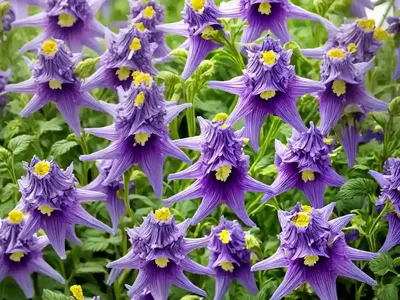
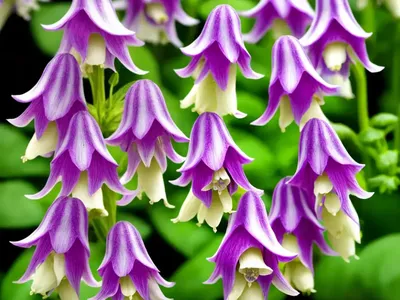
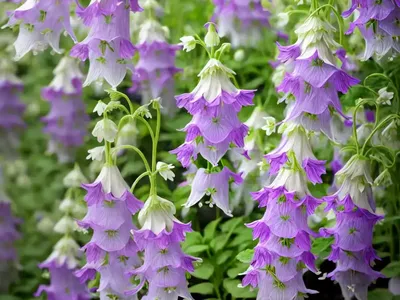
Cup-and-saucer (Campanula Medium)
Plants play a crucial role in our environment, offering beauty and functionality to our surroundings. Among the thousands of plant species, the.
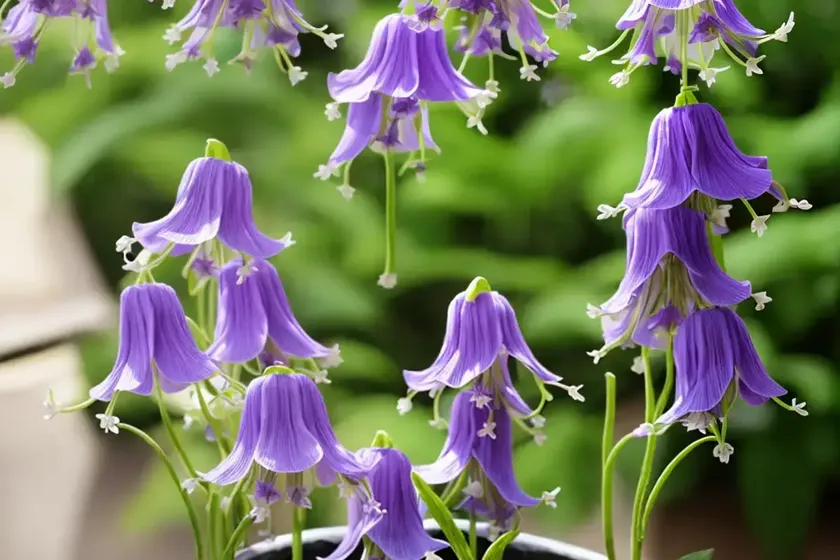
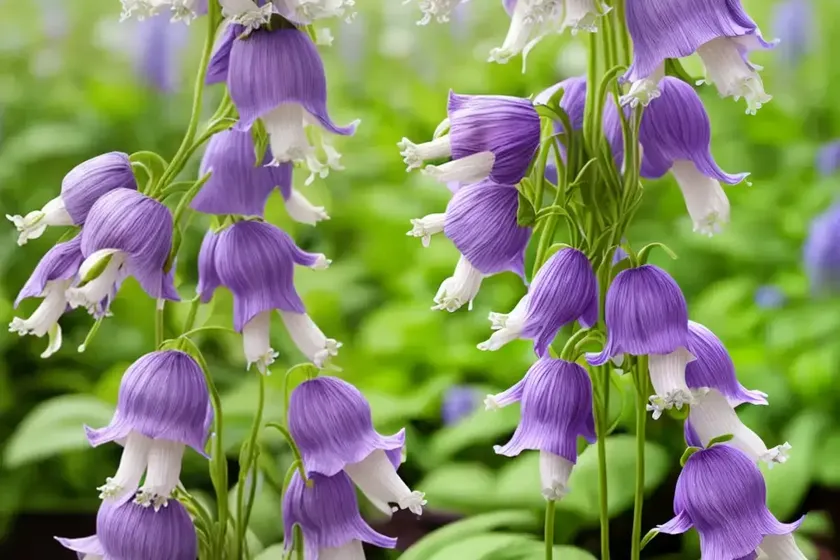
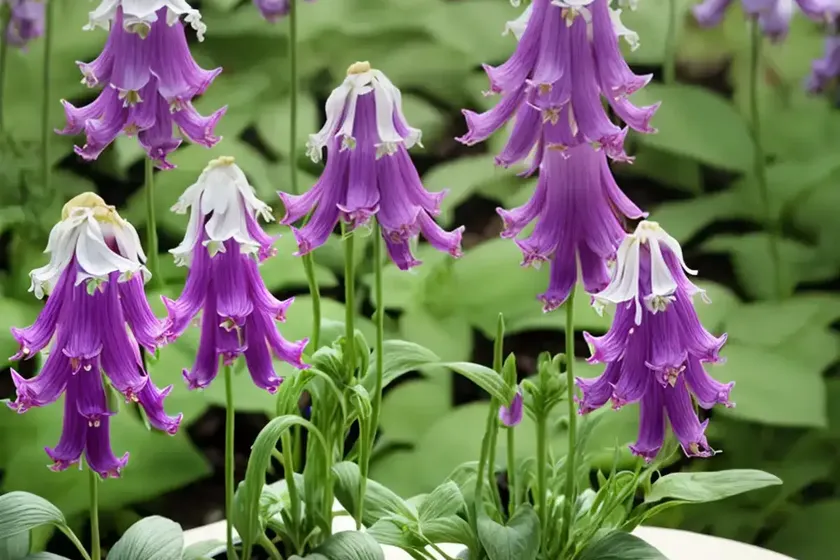
Plants play a crucial role in our environment, offering beauty and functionality to our surroundings. Among the thousands of plant species, the Cup-and-Saucer, also known as Campanula medium, stands out for its bell-shaped flowers and ornamental value. In this comprehensive guide, we will delve into the world of Campanula medium, exploring its cultivation, care, uses, and much more.
What is a Cup-and-Saucer Plant?
The Cup-and-Saucer plant, scientifically known as Campanula medium, is a flowering biennial or short-lived perennial that belongs to the Campanulaceae family. This species is native to southern Europe and is widely cultivated for its charming bell-shaped flowers, which come in various shades of blue, pink, and white. The common name “Cup-and-Saucer” aptly describes the flower’s shape, with the broad, open “cup” of the bloom sitting atop a flat “saucer” of calyx.
Key Takeaways – Cup-and-Saucer (Campanula medium)
Before delving into the various aspects of Cup-and-Saucer plant care and cultivation, let’s begin with some key takeaways. These are essential points that we will explore in detail throughout this guide.
- Plant Name: Cup-and-Saucer (Campanula medium)
- Family: Campanulaceae
- Life Cycle: Biennial or short-lived perennial
- Common Names: Bellflower Cup-and-Saucer
- Primary Uses: Ornamental, Medicinal, Symbolic
- Growth Habit: Upright, branching stems with bell-shaped flowers
- Growth Zone: Thrives in USDA Hardiness Zones 4-8
- Popular Varieties: “Champion Blue,” “Calycanthema,” “Champion Pink”
- Cultural Uses: Early symbol of love in Elizabethan times, often used in flower arrangements
Now that we have a brief overview of the Cup-and-Saucer plant, let’s dive into the specific aspects of its care, cultivation, and uses.
Culture
Water
Campanula medium prefers even moisture and well-draining soil. It is important to water the plant regularly, especially during dry spells, to maintain optimal growth and flowering. However, it’s crucial to avoid waterlogged conditions, as this can lead to root rot and other issues.
Sunlight
While the Cup-and-Saucer plant appreciates full sun in cooler climates, it benefits from partial shade in warmer regions. Finding the right balance of sunlight is essential for promoting healthy growth and prolific blooming.
Fertilizer
Applying a balanced, all-purpose fertilizer in the spring can help support the growth and blooming of Campanula medium. However, it is essential to follow the recommended dosage to prevent fertilizer burn and other adverse effects.
Soil
Well-draining, loamy soil with a slightly acidic to neutral pH is ideal for Campanula medium. Amending the soil with organic matter can improve its texture and fertility, creating a conducive environment for the plant’s root development and overall health.
Pruning
Pruning Campanula medium is relatively simple and primarily involves deadheading spent flowers to promote continuous blooming. Additionally, removing any damaged or diseased foliage can help maintain the plant’s vigor and appearance.
Propagation
Cup-and-Saucer plants can be propagated through various methods, including seed sowing and division. Both approaches have their benefits and can be utilized to expand your Campanula medium collection or share the plant with fellow gardening enthusiasts.
Seed Sowing
Sowing Campanula medium seeds directly into the garden in the early spring or late summer can yield new plants in the following growing season. It’s essential to provide optimal growing conditions for the seeds to germinate successfully and establish sturdy seedlings.
Division
Dividing established Campanula medium clumps allows for the propagation of the plant while rejuvenating the original specimen. This method is best performed in early spring or fall, giving the divided sections ample time to establish before the onset of harsh conditions.
Container Popularity
The compact nature and elegant appearance of Campanula medium make it a popular choice for container gardening. Whether displayed individually or as part of a mixed container arrangement, the bell-shaped flowers and lush foliage create an eye-catching display on patios, balconies, and other outdoor spaces.
Common Diseases
While generally resilient, Campanula medium may be susceptible to certain diseases under unfavorable growing conditions. It is essential for growers to be aware of potential issues and be proactive in preventing and addressing them.
Disease Diagnosis
Identifying common diseases such as powdery mildew, crown rot, and leaf spot early on is crucial for implementing effective control measures. Observing the plant for any signs of discoloration, wilting, or unusual growth can signal the presence of a disease that needs to be addressed promptly.
Common Pests
Like many garden plants, Campanula medium may encounter pest infestations, with aphids, slugs, and snails being among the common culprits. Regular monitoring and prompt intervention are essential for keeping pest populations in check and protecting the plant from potential damage.
Botanist’s Tips
Whether you’re a seasoned gardener or new to cultivating Campanula medium, incorporating expert tips can enhance your success with this delightful plant. Here are a few insightful tips from botanists and experienced growers:
- Tip 1: Provide adequate air circulation to minimize the risk of fungal diseases.
- Tip 2: Mulch around the base of the plant to retain moisture and suppress weed growth.
- Tip 3: Deadhead spent blooms regularly to encourage continuous flowering and maintain a tidy appearance.
- Tip 4: Consider companion planting with species that complement the growth habits and needs of Campanula medium.
Fun Facts
Beyond its horticultural significance, Campanula medium has several fascinating attributes and historical associations that add to its allure. Here are some intriguing fun facts about this captivating plant:
- In folklore, Campanula medium was believed to possess magical properties and was associated with fairies and spirits in various European traditions.
- The plant’s bell-shaped flowers have symbolic meanings, often representing gratitude, love, and admiration.
- Campanula medium has been used in traditional medicine for its potential healing properties, particularly in the treatment of respiratory ailments.
Links to External Resources
For further exploration of Campanula medium and its various aspects, we recommend the following external resources:
- Royal Horticultural Society: Campanula medium
- University of Minnesota Extension: Growing biennials in the garden
- Missouri Botanical Garden: Campanula medium
- The Spruce: How to grow and care for Campanula (Bellflower)
In this extensive guide, we’ve embarked on a journey to understand the Cup-and-Saucer plant (Campanula medium) in all its splendor. From its cultural uses to practical gardening tips, the diverse aspects of this enchanting species offer a wealth of knowledge and inspiration for plant enthusiasts. As we continue to appreciate the beauty and significance of Campanula medium, may our gardens bloom with the grace and charm of these bell-shaped wonders.
References
- “Cup-and-saucer bellflower” Missouri Botanical Garden, http://www.missouribotanicalgarden.org/PlantFinder/Campanula-medium_370509.aspx.
- “Campanula medium, Canterbury bells.” University of Minnesota Extension, https://extension.umn.edu/flowers/campanula-medium-canterbury-bells.
- “Biennial Plants.” Royal Horticultural Society, https://www.rhs.org.uk/plants/9263/campanula-medium/details.
- “How to grow and care for Campanula (Bellflower).” The Spruce, https://www.thespruce.com/growing-bellflowers-1402972.