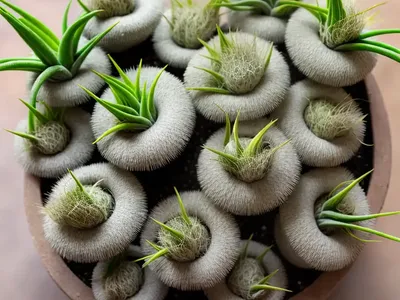
Cryptanthus (Cryptanthus)
Cryptanthus, commonly known as Earth star, is a genus of plants in the family Bromeliaceae native to the tropical forests of Brazil. These stunning plants.
Cryptanthus, commonly known as Earth star, is a genus of plants in the family Bromeliaceae native to the tropical forests of Brazil. These stunning plants are highly valued for their attractive foliage, making them popular choices for indoor and outdoor cultivation. In this comprehensive guide, we will delve into the various aspects of Cryptanthus care, including their cultural requirements, uses, propagation, common diseases, and much more.
What is Cryptanthus?
Cryptanthus is a genus of plants belonging to the Bromeliaceae family. They are native to the Brazilian rainforests and are recognized for their striking foliage, which comes in a diverse array of colors, patterns, and shapes. The name “Cryptanthus” is derived from the Greek words “kryptos,” meaning hidden, and “anthos,” meaning flower, which refers to the inconspicuous flowers of the plant.
Key Takeaways
- Common Name: Earth star
- Scientific Name: Cryptanthus
- Family: Bromeliaceae
- Native To: Brazil
- Foliage: Varied colors, patterns, and shapes
- Uses: Ornamental, indoor and outdoor decoration
- Growth Habit: Low-growing, rosette-forming
- Propagation: Offsets, leaf cuttings
Culture
Cryptanthus are often cultivated for their vibrant foliage, making them popular choices for both indoor and outdoor settings. Their compact size and low maintenance requirements make them ideal for adorning tabletops, shelves, and terrariums. When it comes to cultural requirements, here are the key factors to consider:
Water
Cryptanthus plants require consistently moist but not waterlogged soil. It’s important to water the plants thoroughly, allowing the excess water to drain out of the pot. Cryptanthus should not be allowed to dry out completely, as this can lead to leaf curling and browning. During the winter months, it’s advisable to reduce the watering frequency to prevent waterlogging.
Sunlight
When it comes to light requirements, Cryptanthus thrive in bright, indirect light. While they can tolerate some direct sunlight, prolonged exposure to intense sun rays can scorch their leaves. Placing them near east, west, or shaded south-facing windows can provide the optimal light conditions for healthy growth.
Soil
The ideal growing medium for Cryptanthus is a well-draining mix that retains some moisture. A blend of peat moss, perlite, and pine bark works well for these plants. Additionally, adding orchid bark or charcoal to the mix can further improve the soil structure and aeration, promoting healthy root growth.
Fertilizer
During the growing season, which typically spans from spring to early fall, Cryptanthus benefit from regular, diluted fertilization. A balanced, liquid fertilizer specifically formulated for bromeliads can be applied monthly at half-strength. It’s essential to flush the soil periodically to prevent salt buildup from the fertilizer.
Uses
Cryptanthus plants are primarily valued for their colorful and patterned foliage, which adds a touch of tropical elegance to any indoor or outdoor space. Their compact size and low-maintenance nature make them versatile plants for various decorative purposes, including:
- Indoor Decor: Cryptanthus are well-suited for adorning tabletops, shelves, and desks, adding a pop of color and texture to interior spaces.
- Terrariums: Their small size and adaptability make Cryptanthus ideal choices for terrariums, creating miniature tropical landscapes within glass enclosures.
- Outdoor Ornament: In regions with suitable climates, Cryptanthus can be grown outdoors in shaded garden beds, under trees, or as ground cover plants.
Pruning
Pruning Cryptanthus is a relatively straightforward task, primarily focused on the removal of dead or unsightly foliage. If the plant begins to produce offsets or pups, they can be carefully removed and potted separately to propagate new plants. Regular removal of spent or damaged leaves helps maintain the plant’s appearance and overall health.
Propagation
Cryptanthus can be easily propagated through offsets, which are miniature versions of the parent plant that develop around the base. Offsets can be carefully separated from the mother plant and potted individually in a suitable growing medium. Additionally, leaf cuttings can be taken and rooted to produce new plants, although this method may take longer to establish compared to offsets.
Container Popularity
Cryptanthus are well-suited for container cultivation due to their compact size and shallow root systems. They are commonly potted in decorative containers to showcase their vibrant foliage and add a tropical touch to indoor spaces. Terracotta, ceramic, or plastic pots with drainage holes are ideal for Cryptanthus, as they provide good aeration and prevent waterlogging.
Common Diseases
While Cryptanthus are relatively resilient plants, they can be susceptible to certain diseases and issues, particularly when their cultural requirements are not met. Some common diseases and problems that may affect Cryptanthus include:
- Root Rot: This can occur when the plant is overwatered or when the soil remains consistently waterlogged, leading to root damage and decay.
- Leaf Spot: Fungal infections can cause dark, water-soaked spots on the leaves, often leading to leaf yellowing and deterioration.
- Mealybugs: These small, cottony pests can infest Cryptanthus plants, feeding on the foliage and secreting honeydew, leading to a decline in plant health.
Disease Diagnosis
Diagnosing diseases and issues in Cryptanthus plants requires close observation of their foliage, roots, and overall growth. Here are some key signs to watch out for when identifying common problems:
- Root Rot: Yellowing and wilting of foliage, soft and mushy roots, foul odor from the soil.
- Leaf Spot: Dark, water-soaked spots on the leaves, followed by yellowing and browning of affected areas.
- Mealybugs: Presence of small, white, cottony masses on the leaves, accompanied by sticky honeydew and stunted growth.
Common Pests
Cryptanthus can fall victim to various pests, including mealybugs, scale insects, and aphids. These pests can affect the plant’s overall health and appearance if left unchecked. Regular inspection of the foliage and stems can help detect pest infestations early, allowing for timely intervention to prevent widespread damage.
Botanist’s Tips
For enthusiasts looking to grow and care for Cryptanthus, here are some expert tips to ensure the best possible results:
- Monitor Watering: Avoid overwatering Cryptanthus, as this can lead to root rot and other moisture-related issues. Allow the soil to dry slightly between waterings.
- Provide Adequate Light: While Cryptanthus thrive in bright, indirect light, ensure they are not exposed to intense, direct sunlight for extended periods.
- Maintain Humidity: Cryptanthus benefit from moderate to high humidity levels, particularly in indoor settings. Regular misting can help create a favorable environment for the plants.
- Inspect Regularly: Routinely check Cryptanthus for signs of pests, diseases, or nutrient deficiencies. Early detection can aid in prompt treatment and resolution.
Fun Facts
- The name “Earth star” is derived from the resemblance of Cryptanthus foliage to star-shaped, terrestrial rosettes.
- Cryptanthus are known for their impressive variety of leaf colors, including shades of red, pink, green, and bronze, often with intricate patterns and striping.