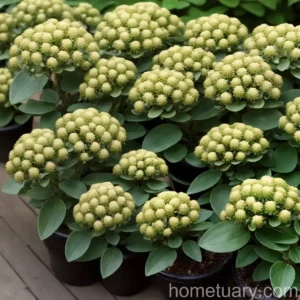
Euphorbia cyparissias (Cypress Spurge)
Euphorbia cyparissias, commonly known as Cypress Spurge, is a striking perennial plant that belongs to the Euphorbiaceae family. This species is native to Europe and can often be found in open woodlands, meadows, and disturbed sites. Its unique appearance, coupled with its adaptability, has made it a popular choice for both home gardens and landscaping projects. In this comprehensive guide, we will delve into the various aspects of Euphorbia cyparissias, including its culture, uses, care requirements, and ecological significance.
What is Euphorbia cyparissias (Cypress Spurge)?
Euphorbia cyparissias is a herbaceous perennial plant with finely-textured, slender leaves that create a feathery appearance. It produces vibrant yellow-green flowers in late spring to early summer, adding a burst of color to the landscape. The plant typically reaches a height of 12 to 18 inches, forming dense clusters that spread vigorously. While its attractive foliage and flowers make it aesthetically appealing, it is essential to note that Euphorbia cyparissias contains a milky sap that can be toxic and may cause skin irritation. Therefore, handling this plant should be done with care.
Key Takeaways – Euphorbia cyparissias (Cypress Spurge)
- Scientific Name: Euphorbia cyparissias
- Common Name: Cypress Spurge
- Family: Euphorbiaceae
- Native Range: Europe
- Plant Type: Herbaceous Perennial
- Height: 12-18 inches
- Flowering Time: Late spring to early summer
- Toxicity: Contains a toxic milky sap
- Growth Habit: Spreading clusters
Now that we have a basic understanding of Euphorbia cyparissias, let’s explore the various aspects related to its culture, care requirements, uses, and more.
Culture
Cypress Spurge is known for its overall resilience and adaptability, thriving in a variety of conditions. Understanding its cultural requirements is essential for effectively growing and maintaining this plant.
Uses
Euphorbia cyparissias has several versatile uses in both garden and landscape settings. Understanding its potential applications can help in maximizing its benefits.
Water
Watering is a critical aspect of plant care, and understanding the water needs of Cypress Spurge is important for its overall health and vitality.
Sunlight
Sunlight plays a pivotal role in the growth and development of plants. Understanding the sunlight requirements of Euphorbia cyparissias is essential for its successful cultivation.
Fertilizer
Feeding plants with the right nutrients promotes healthy growth. Exploring the fertilizer requirements of Cypress Spurge can enhance its overall vigor.
Soil
Soil quality greatly influences the well-being of plants. Understanding the soil preferences of Euphorbia cyparissias is crucial for creating an optimal growing environment.
Pruning
Pruning is a fundamental aspect of plant maintenance. Knowing how to prune Cypress Spurge can help in shaping its growth and appearance.
Propagation
Understanding the various methods of propagating Euphorbia cyparissias is essential for expanding its presence in the garden or landscape.
Container
Growing Cypress Spurge in containers can offer flexibility and practicality. Exploring its suitability for container cultivation is beneficial for urban and small-space gardening.
Popularity
The popularity of Euphorbia cyparissias stems from its unique characteristics and ecological resilience. Exploring the factors contributing to its widespread appeal can shed light on its significance.
Common Diseases
Plant diseases can impact the health and appearance of Euphorbia cyparissias. Understanding the common diseases and their management is crucial for maintaining plant vigor.
Disease Diagnosis
Diagnosing diseases in Cypress Spurge involves careful observation and understanding of the symptoms. Recognizing common issues can lead to effective treatment and prevention measures.
Common Pests
Pests can pose a threat to the well-being of plants. Identifying the common pests affecting Euphorbia cyparissias is essential for implementing appropriate control measures.
Botanist’s Tips
Insights and tips from botanists can provide valuable guidance for successfully growing and caring for Euphorbia cyparissias.
Fun Facts
Exploring interesting and lesser-known facts about Cypress Spurge can deepen our appreciation for this remarkable plant.
Now that we have covered the foundational aspects of Cypress Spurge, let’s delve deeper into each of these topics to gain a comprehensive understanding of Euphorbia cyparissias and its care requirements.
Links to External Resources
For further information on Euphorbia cyparissias, here are some helpful external resources:
- Royal Horticultural Society – Euphorbia cyparissias
- Missouri Botanical Garden – Euphorbia cyparissias
- North Carolina State University Extension – Cypress Spurge
Now, let’s proceed to delve into the details of Euphorbia cyparissias, addressing the various aspects mentioned earlier.
Euphorbia cyparissias Care
Euphorbia cyparissias, also known as Cypress Spurge, is an enchanting perennial plant that captivates with its delicate appearance. To ensure its successful growth and health, it is crucial to understand and address its specific care requirements. From sunlight and water needs to soil preferences and propagation techniques, here is a comprehensive guide to cultivating and nurturing this fascinating plant.
Cypress Spurge Plant
Cypress Spurge, scientifically classified as Euphorbia cyparissias, is a herbaceous perennial that belongs to the Euphorbiaceae family. Originating from Europe, this plant has gained popularity for its unique foliage and vibrant yellow-green flowers.
Growing Euphorbia cyparissias
Cypress Spurge thrives in well-drained soil and prefers full sun to partial shade. It is relatively low-maintenance and can spread vigorously, making it an ideal choice for ground cover in suitable environments.
Euphorbia cyparissias Maintenance
The maintenance of Euphorbia cyparissias involves regular watering, proper pruning, and occasional fertilization. Understanding its specific needs is vital for ensuring its long-term health and vitality.
Cypress Spurge Characteristics
Understanding the unique characteristics of Cypress Spurge, including its growth habit, foliage, and flowers, can provide valuable insights into its overall appeal and suitability for different settings.
Euphorbia cyparissias Propagation
Cypress Spurge can be propagated through division or seeds. Learning the propagation techniques for Euphorbia cyparissias is essential for expanding its presence in the garden or landscape.
Cypress Spurge Planting
The process of planting Euphorbia cyparissias involves selecting suitable locations, preparing the soil, and providing the necessary care for facilitating its establishment and growth.
Euphorbia cyparissias Varieties
While Euphorbia cyparissias is the most widely recognized species, there are several varieties and cultivars that offer unique features and appeal. Exploring the different varieties can provide options for diverse landscape and garden designs.
Cypress Spurge Landscape Uses
Cypress Spurge is valued for its versatility in landscape settings, serving as a ground cover, border plant, or accent feature. Understanding its landscape uses can provide inspiration for incorporating it into various design schemes.
Euphorbia cyparissias Sun Requirements
Cypress Spurge thrives in full sun to partial shade, benefiting from ample sunlight for robust growth and prolific flowering.
Cypress Spurge Soil Preferences
Euphorbia cyparissias prefers well-drained soil with average fertility. Understanding its soil preferences is crucial for creating an optimal growing environment.
Euphorbia cyparissias Water Needs
While Euphorbia cyparissias displays a degree of drought tolerance once established, regular watering is essential, especially during dry periods, to support healthy growth and flowering.
Cypress Spurge Pests and Diseases
Cypress Spurge can face challenges from certain pests and diseases, and being aware of these potential issues is crucial for timely intervention and management.
Euphorbia cyparissias Pruning
Pruning Cypress Spurge involves removing spent flowers and any dead or damaged foliage, promoting a tidy appearance and encouraging continued growth and flowering.
Cypress Spurge Foliage
The finely-textured, feathery foliage of Euphorbia cyparissias adds an elegant and delicate touch to garden and landscape settings, enhancing visual interest and texture.
Euphorbia cyparissias Flowering
The vibrant yellow-green flowers of Cypress Spurge emerge in late spring to early summer, providing a striking contrast against the foliage and attracting pollinators.
Cypress Spurge Natural Habitat
In its native range, Euphorbia cyparissias can be found in open woodlands, meadows, and disturbed sites, showcasing its adaptability and resilience.
Euphorbia cyparissias Invasive Tendencies
While Cypress Spurge is prized for its vigorous growth, it can exhibit invasive tendencies in certain environments, necessitating caution and containment in such settings.
Cypress Spurge Winter Care
Providing appropriate winter care for Euphorbia cyparissias involves preparing the plant for the dormant season and ensuring its protection in colder climates.
Euphorbia cyparissias Toxic Effects
The milky sap of Euphorbia cyparissias contains toxic compounds that can cause skin irritation and other adverse effects if ingested, necessitating careful handling and awareness of its potential toxicity.
Cypress Spurge Container Gardening
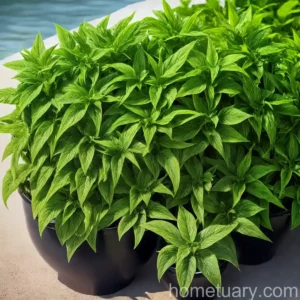
Cypress Spurge can thrive in containers, offering a flexible and practical option for urban and small-space gardening. Exploring its potential for container cultivation can expand its accessibility to a wider range of gardeners.
Euphorbia cyparissias Garden Design
Incorporating Euphorbia cyparissias into garden designs can enhance visual appeal and provide textural interest, contributing to diverse and attractive landscapes.
Cypress Spurge Pollinator Attraction
The flowers of Euphorbia cyparissias attract pollinators, supporting biodiversity and ecological balance in garden and natural settings.
Euphorbia cyparissias Wildlife Benefits
Cypress Spurge can offer various benefits to wildlife, from providing habitat and food sources to enhancing ecological resilience.
Cypress Spurge Medicinal Uses
In traditional and folk medicine, certain Euphorbia species have been used for medicinal purposes. Exploring the potential medicinal uses of Cypress Spurge can offer valuable insights into its historical and cultural significance.
Euphorbia cyparissias Folklore
Plants often hold cultural and symbolic significance in folklore and traditions. Exploring the folklore associated with Euphorbia cyparissias can reveal intriguing narratives and beliefs.
Cypress Spurge Symbolism
Plants have been imbued with symbolic meanings in various cultures and contexts. Understanding the symbolism of Euphorbia cyparissias can provide insights into its perceived attributes and significance.
Euphorbia cyparissias Landscape Maintenance
Maintaining Euphorbia cyparissias in landscape settings involves periodic care and attention to ensure its continued vitality and aesthetic appeal.
Cypress Spurge Drought Tolerance
Cypress Spurge exhibits a degree of drought tolerance once established, making it suitable for water-wise landscaping and environments with periodic dry spells.
Euphorbia cyparissias Companion Plants
Selecting suitable companion plants to grow alongside Euphorbia cyparissias can enhance its overall visual impact and ecological functionality.
Cypress Spurge Groundcover
The spreading habit of Euphorbia cyparissias makes it an excellent ground cover, providing a lush carpet of foliage and flowers in suitable locations.
Euphorbia cyparissias Outdoor Cultivation
Cultivating Euphorbia cyparissias in outdoor settings involves understanding its specific needs and requirements for successful establishment and growth.
Cypress Spurge Indoor Care
While primarily suited for outdoor cultivation, Cypress Spurge can be grown indoors under suitable conditions, offering an unusual and captivating addition to indoor green spaces.
Euphorbia cyparissias Unique Features
Exploring the unique features and characteristics of Euphorbia cyparissias can deepen our appreciation for its botanical allure and ecological value.
Cypress Spurge Naturalized Areas
Cypress Spurge has naturalized in certain regions beyond its native range, showcasing its adaptability and potential ecological impacts.
Euphorbia cyparissias Environmental Benefits
Understanding the environmental benefits of Euphorbia cyparissias, such as its role in supporting pollinators or offering erosion control, can highlight its ecological significance.
Cypress Spurge Allelopathy
Certain Euphorbia species exhibit allelopathic properties, influencing the growth and survival of other plants in their vicinity. Exploring the allelopathic potential of Cypress Spurge provides insights into its ecological interactions.
Euphorbia cyparissias Underused Plant
Despite its ornamental and ecological value, Euphorbia cyparissias remains relatively underused in some gardening and landscaping contexts. Highlighting its potential can promote wider appreciation and utilization.
Cypress Spurge Pruning Techniques
Adopting appropriate pruning techniques for Cypress Spurge is essential for promoting healthy growth, maintaining its appearance, and mitigating potential issues.
Euphorbia cyparissias Container Gardening
Cultivating Euphorbia cyparissias in containers offers practical and aesthetic advantages, making it accessible for diverse gardening settings and preferences.
Cypress Spurge Climate Preferences
Understanding the climate preferences of Euphorbia cyparissias is essential for selecting suitable locations and creating optimal growing conditions.
Euphorbia cyparissias Native Range
Euphorbia cyparissias is native to Europe, where it naturally occurs in specific habitats and ecological communities.
Cypress Spurge Versatile Plant
The versatility of Euphorbia cyparissias, from its adaptability to various growing conditions to its multiple applications in garden and landscape settings, underscores its value as a versatile plant.
Euphorbia cyparissias Growth Rate
Cypress Spurge displays a vigorous growth rate, spreading readily and forming dense clusters in suitable environments.
Cypress Spurge Garden Borders
Incorporating Euphorbia cyparissias into garden borders can provide structure, texture, and visual interest, contributing to appealing and harmonious landscape designs.
Euphorbia cyparissias Winter Survival
Providing appropriate winter care for Cypress Spurge is essential for ensuring its resilience and readiness for regrowth in the following growing season.
Cypress Spurge Attractive Foliage
The finely-textured foliage of Euphorbia cyparissias adds an attractive and elegant touch to garden and landscape settings, contributing to its ornamental appeal.
Euphorbia cyparissias Ecological Value
Euphorbia cyparissias offers various ecological benefits, such as supporting pollinators, offering habitat, and contributing to biodiversity and ecosystem resilience.
Cypress Spurge Natural Weed Suppressant
In suitable locations, Cypress Spurge can act as a natural weed suppressant, helping to control undesirable vegetation and maintain a tidy landscape.
Euphorbia cyparissias Landscaping Ideas
Incorporating Euphorbia cyparissias into landscaping designs offers numerous creative possibilities, from ground cover applications to accentuating specific features or areas.
In summary, Euphorbia cyparissias, or Cypress Spurge, is a captivating and resilient plant with diverse uses, unique characteristics, and ecological significance. Understanding its care requirements, potential applications, and ecological interactions can enhance its value and appeal in garden and landscape settings. By exploring its cultural, medicinal, and folklore connections, we gain a holistic perspective on the botanical and human dimensions of this remarkable plant.
References
- Royal Horticultural Society – Euphorbia cyparissias. Available at: https://www.rhs.org.uk/Plants/12627/i-Euphorbia-cyparissias-i/Details
- Missouri Botanical Garden – Euphorbia cyparissias. Available at: http://www.missouribotanicalgarden.org/PlantFinder/PlantFinderDetails.aspx?kempercode=c770
- North Carolina State University Extension – Cypress Spurge. Available at: https://plants.ces.ncsu.edu/plants/euphorbia-cyparissias/
Now, armed with a comprehensive understanding of Euphorbia cyparissias, you can confidently integrate this captivating plant into your home garden or landscaping projects, appreciating its ornamental, ecological, and cultural significance.