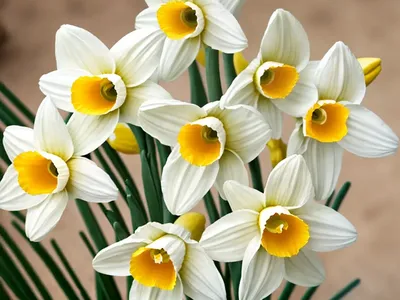
Crinum Moorei (Natal Lily)
In the world of ornamental gardening, the Natal Lily, scientifically known as Crinum moorei, is a crown jewel known for its stunning appearance and easy.
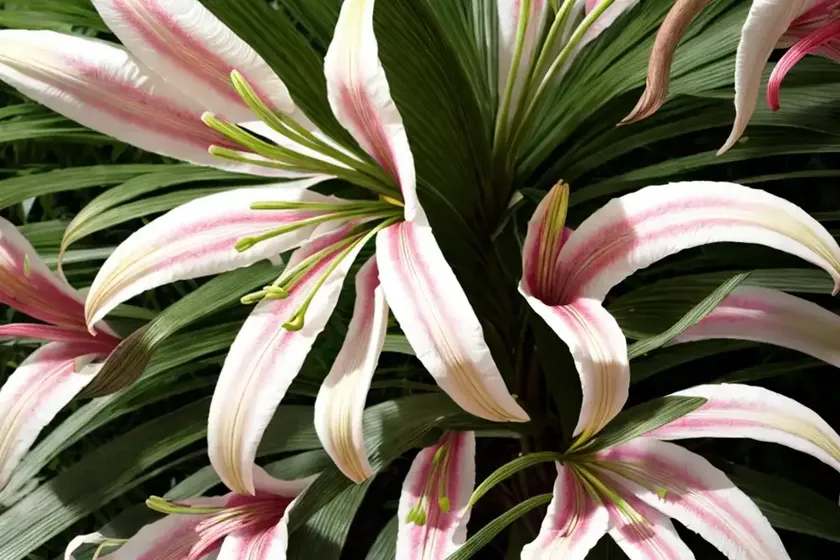
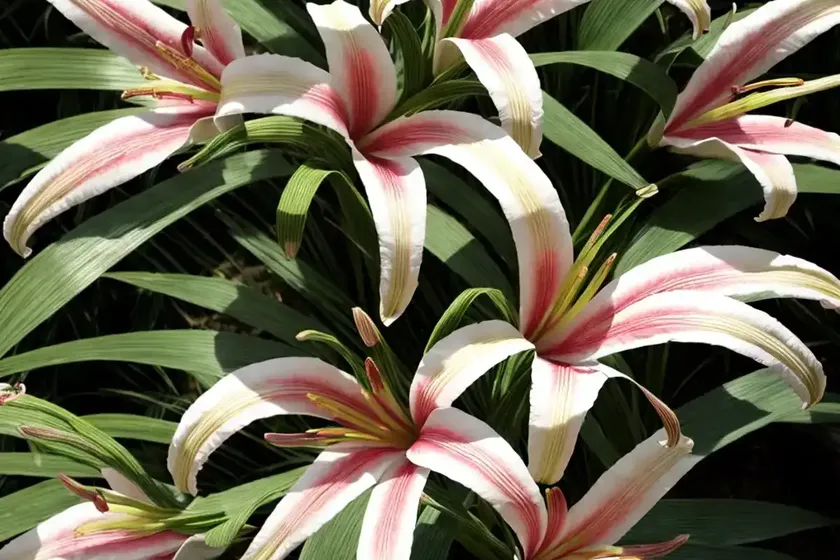
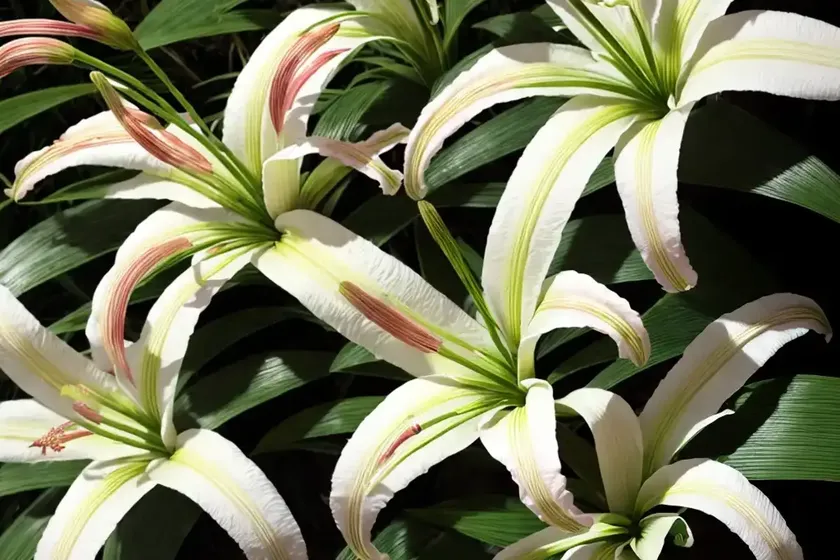
In the world of ornamental gardening, the Natal Lily, scientifically known as Crinum moorei, is a crown jewel known for its stunning appearance and easy cultivation. As a plant scientist with a passion for horticulture, I am always excited to share my knowledge and experience with fellow plant enthusiasts. In this extensive guide, I will take you through the captivating world of Crinum moorei, covering its culture, uses, care requirements, common diseases, and so much more.
What is Crinum moorei (Natal Lily)?
Crinum moorei, commonly referred to as Natal Lily, is a species of flowering plant in the Amaryllidaceae family. It is native to South Africa, specifically the KwaZulu-Natal region, where it thrives in the warm and humid climate. This perennial bulbous plant boasts large, strap-shaped leaves and produces clusters of sweetly scented, trumpet-shaped flowers, making it a sought-after addition to gardens and landscapes.
The Natal Lily has gained popularity not only for its ornamental value but also for its ease of cultivation, making it a favorite among novice and experienced gardeners alike. Its resilience and ability to thrive in various conditions make it a versatile and rewarding plant to grow.
Key Takeaways – Crinum moorei (Natal Lily)
Before delving into more detailed aspects of Crinum moorei care, let’s first summarize the key takeaways that we will explore in this comprehensive guide:
- Culture: Understanding the natural habitat and cultural requirements of Natal Lilies.
- Uses: Exploring the versatile uses of Crinum moorei in gardens and landscapes.
- Water: Learning about the best watering practices for maintaining healthy Natal Lily plants.
- Sunlight: Identifying the optimal sunlight conditions for robust growth and flowering.
- Fertilizer: Choosing the right fertilizers for promoting the lush foliage and prolific blooms of Crinum moorei.
- Soil: Evaluating the ideal soil conditions to support the growth and development of Natal Lilies.
- Pruning: Mastering the art of pruning to maintain the aesthetic appeal and health of Crinum moorei.
- Propagation: Discovering the best methods for propagating Natal Lily plants.
- Container Popularity: Exploring the potential of growing Crinum moorei in containers.
- Container Common Diseases: Addressing the common diseases that affect Natal Lilies in container cultivation.
- Disease Diagnosis: Identifying and managing diseases that may impact the health of Crinum moorei plants.
- Common Pests: Understanding the potential pests and implementing effective pest control measures.
- Botanist’s Tips: Offering expert tips and insights to ensure successful cultivation of Natal Lily plants.
- Fun Facts: Exploring intriguing and lesser-known facts about Crinum moorei.
- Links to External Resources: Providing valuable resources for further exploration of Natal Lily cultivation and care.
With an overview in mind, let’s dive into the detailed exploration of each of these essential aspects of growing and nurturing Crinum moorei.
Culture
Understanding the culture of a plant is crucial for its successful cultivation. In the case of Crinum moorei, it’s essential to appreciate its natural habitat and the cultural practices necessary for its thriving growth.
Natural Habitat
Natal Lily, Crinum moorei, is indigenous to the eastern coastal regions of South Africa, particularly the KwaZulu-Natal province. In its natural habitat, this species is often found in areas with rich, moist, and well-draining soils, where it receives partial shade to medium sunlight. The warm and humid climate of its native region provides the ideal conditions for the growth and flowering of Natal Lilies.
Cultural Practices
In garden settings, replicating the natural habitat of Natal Lily is key to its successful cultivation. Here are the essential cultural practices for growing Crinum moorei:
- Soil: Provide well-draining soil with a rich organic content to mimic the plant’s natural habitat. A soil mix with a good balance of fertility, aeration, and moisture retention is ideal for promoting healthy growth.
- Watering: Maintain consistently moist soil, especially during active growth and flowering periods. Adequate moisture is essential for the development of the robust foliage and vibrant blooms of Natal Lilies.
- Sunlight: Choose a location with partial shade to filtered sunlight, mimicking the light conditions present in its native habitat. Protect the plants from intense midday sun, especially in regions with hot climates.
- Climate: While Crinum moorei is known for its adaptability, it thrives in warm and humid climates. Provide protection from frost and extreme cold, especially in regions with harsh winters.
By incorporating these cultural practices into the cultivation of Natal Lilies, gardeners can create a nurturing environment for these charming and resilient plants.
Uses
The versatility of Crinum moorei extends beyond its visual appeal, as it offers various uses in both garden and landscape settings. Understanding these applications can provide inspiration for incorporating Natal Lilies into diverse horticultural designs.
Garden Ornament
Natal Lily, with its showy flowers and bold foliage, serves as a captivating garden ornament. The lush, strap-shaped leaves and clusters of fragrant flowers add a tropical touch to gardens, contributing to an enchanting and exotic ambiance.
Landscaping Feature
In landscape design, Crinum moorei can be utilized as a striking focal point or as part of mixed planting schemes. Its tall flower spikes and broad leaves make it an excellent addition to borders, water gardens, or as standalone specimens in larger landscaping projects.
Wildlife Attraction
The attractive flowers of Natal Lily have the potential to attract beneficial wildlife, such as pollinators like bees and butterflies. Its presence can contribute to the biodiversity of the garden ecosystem, promoting a healthy and vibrant environment.
Cut Flowers
The long-lasting, fragrant blooms of Crinum moorei make it an excellent candidate for cut flower arrangements. Harvesting the flowers for indoor display allows enthusiasts to appreciate their beauty and scent within the home.
Medicinal and Cultural Uses
In some traditional practices, certain parts of Crinum moorei have been used for medicinal purposes. While the plant’s medicinal uses should be approached with caution and expert guidance, exploring these historical applications adds to the rich cultural significance of the Natal Lily.
By recognizing these diverse uses of Crinum moorei, gardeners and landscape enthusiasts can maximize its potential and integrate it effectively into a wide range of horticultural settings.
Water
Proper watering is essential for the health and vitality of Crinum moorei. Understanding the watering needs of Natal Lily plants is crucial for maintaining their lush foliage and promoting abundant flowering.
Watering Requirements
Natal Lilies thrive in consistently moist soil and benefit from regular, deep watering. During the active growing season, which typically occurs in spring and summer, it’s important to ensure that the soil remains evenly moist, but not waterlogged. During periods of extended drought or intense heat, increased watering may be necessary to prevent the plants from becoming stressed.
Watering Frequency
The frequency of watering Natal Lily plants depends on several factors, including the climate, soil type, and stage of growth. As a general guideline, a thorough watering once or twice a week is suitable for most growing conditions. Observing the moisture levels in the soil and adjusting the watering frequency based on environmental conditions is essential for meeting the specific needs of the plants.
Watering Methods
When watering Crinum moorei, it’s important to apply water directly to the root zone to ensure optimal absorption. Drip irrigation, soaker hoses, or careful hand watering at the base of the plant are effective methods for delivering water where it is most needed, minimizing evaporation and water wastage.
Water Quality
The quality of water used for irrigating Natal Lily plants can impact their overall health. It’s ideal to use water that is free from harmful chemicals and excessive salts, as these can disrupt the balance of nutrients and lead to soil degradation over time. If water quality is a concern, utilizing rainwater or appropriately filtered water can help provide a more suitable irrigation source for Crinum moorei.
By adhering to appropriate watering practices and understanding the specific needs of Natal Lily plants, gardeners can ensure that their Crinum moorei thrives and flourishes in their outdoor or indoor settings.
Sunlight
As with many plants, sunlight plays a critical role in the growth, development, and flowering of Crinum moorei. Understanding the sunlight requirements of Natal Lily plants is essential for providing an optimal growing environment.
Sunlight Preferences
Natal Lilies exhibit a preference for partial shade to filtered sunlight. In their natural habitat, they often grow in areas with dappled light, where they receive bright but indirect sun for a portion of the day. When grown in regions with intense or prolonged sunlight, providing midday protection from the sun’s rays can prevent potential leaf scorch and stress on the plants.
Sun Exposure Management
When selecting a location for planting Crinum moorei, it’s important to assess the sunlight patterns to ensure that the plants receive the appropriate light conditions. Observing the sun’s movement throughout the day and across the seasons can help identify the best placement for Natal Lily plants, where they can benefit from sufficient light without being subjected to excessive heat and intensity.
Indoor Sunlight Considerations
For those who cultivate Crinum moorei as indoor plants, providing suitable sunlight becomes a crucial consideration. Placing the plants near windows that offer bright, indirect light or utilizing grow lights can help replicate the beneficial light conditions necessary for healthy growth and flowering.
Adapting to Varied Conditions
One of the remarkable qualities of Natal Lily plants is their resilience and adaptability to diverse light conditions. While they favor partial shade, they can thrive in areas with varying light intensities, provided they are shielded from harsh midday sun and extreme heat.
By ensuring that Crinum moorei receives the appropriate sunlight exposure, gardeners can support the plant’s vitality and encourage the production of its iconic, fragrant flowers.
Fertilizer
Fertilization plays a vital role in supporting the growth, vigor, and flowering capacity of Crinum moorei. Understanding the appropriate fertilization practices for Natal Lily plants is essential for promoting their overall health and performance.
Fertilizer Selection
When selecting fertilizers for Crinum moorei, it’s important to opt for balanced formulations that provide essential nutrients, including nitrogen, phosphorus, and potassium, as well as micronutrients. Slow-release fertilizers designed for flowering plants or specific formulations tailored to bulbous plants are suitable choices for promoting the robust growth and prolific blooming of Natal Lilies.
Fertilization Timing
The timing of fertilizer applications is crucial for optimizing the benefits and minimizing potential issues. For Natal Lily plants, feeding in early spring as new growth emerges and again in late spring or early summer as the flower buds develop can support the plant’s seasonal requirements and bolster its overall health.
Application Method
Applying fertilizers evenly around the root zone of Crinum moorei and incorporating them into the soil surface is an effective method for ensuring that the nutrients are readily available to the plants. Carefully following the recommended application rates and avoiding direct contact with the foliage or stems helps prevent potential fertilizer burn and damage to the plants.
Organic Alternatives
For gardeners who prefer organic fertilization methods, incorporating well-aged compost, organic matter, or slow-release organic fertilizers can provide a natural and sustainable approach to nourishing Natal Lily plants. These organic alternatives contribute to the soil’s fertility and microbial activity, enhancing the overall ecosystem surrounding the plants.
By providing adequate fertilization and understanding the specific nutrient requirements of Crinum moorei, gardeners can foster the lush foliage, sturdy stems, and abundant blooms that characterize healthy Natal Lily plants.
Soil
The quality and composition of the soil directly impact the growth, development, and overall health of Crinum moorei plants. Understanding the best soil conditions for Natal Lilies is essential for creating an optimal growing environment.
Soil Type
Natal Lily plants thrive in well-draining, rich soil with a balanced texture that allows for adequate aeration and moisture retention. Loamy soils with a good mix of sand, silt, and organic matter provide an ideal foundation for supporting the growth and development of Crinum moorei.
pH Considerations
The soil pH also influences the availability and uptake of essential nutrients by Natal Lily plants. Maintaining a slightly acidic to neutral pH range, typically between 6.0 and 7.0, creates a favorable environment for the plants, ensuring that they can access the necessary elements for robust growth and flowering.
Soil Amendment
In situations where the existing soil lacks the necessary fertility or drainage properties, amending it with organic matter, such as compost, well-rotted manure, or peat moss, can improve its structure and nutrient content. Regular additions of organic amendments contribute to the long-term health and resilience of the soil supporting Crinum moorei.
Container Growing Medium
For those cultivating Natal Lily plants in containers, selecting a well-draining growing medium specifically formulated for bulbs or flowering plants is essential. These potting mixes provide the appropriate balance of aeration, water retention, and nutrient availability required for successful container cultivation of Crinum moorei.
By paying attention to the quality and composition of the soil, gardeners can provide an optimal foundation that supports the growth and blooming potential of Crinum moorei, both in outdoor beds and container settings.
Pruning
Pruning is an important aspect of Crinum moorei care, contributing to the plant’s aesthetic appeal, health, and long-term viability. Understanding the pruning requirements and techniques for Natal Lily plants is essential for maintaining tidy, vigorous specimens.
Removal of Spent Flowers
Deadheading or removing the spent flowers of Crinum moorei not only enhances the plant’s appearance but also redirects its energy into producing new blooms. Regularly removing faded flowers helps prevent the formation of seed pods and encourages the plant to focus on developing new flower spikes.
Foliage Maintenance
Trimming and tidying the foliage of Natal Lily plants can help maintain a neat and attractive appearance. Removing damaged or discolored leaves, especially those affected by diseases or pests, contributes to the overall health and vigor of Crinum moorei.
Pruning After Flowering
After the blooming period, pruning back the flower stalks to the base helps stimulate the development of new growth and encourages the formation of additional flowering spikes. Trimming away any withered or desiccated foliage can also refresh the plant’s appearance and promote vigorous regrowth.
Division and Rejuvenation
Periodically dividing overcrowded clumps of Crinum moorei bulbs can rejuvenate the plants, prevent overcrowding, and promote better flowering. Dividing the bulbs during the dormant season allows for the establishment of new, healthy clumps and provides an opportunity to propagate Natal Lily plants.
By integrating prudent pruning practices into the care regimen for Crinum moorei, gardeners can promote the longevity, beauty, and vitality of these beloved ornamental plants.
Propagation
The propagation of Crinum moorei presents an exciting opportunity for gardeners to expand their collection of these beautiful plants and share them with fellow enthusiasts. Understanding the best methods for propagating Natal Lily plants is essential for achieving successful and rewarding results.
Division
The division of established clumps of Crinum moorei bulbs is one of the most reliable and straightforward methods for propagation. During the dormant period, carefully lifting and separating the bulbs and replanting them in suitable locations allows for the expansion of the Natal Lily population.
Offsets and Bulblets
As Natal Lily plants mature, they often produce offsets or bulblets that can be carefully detached and replanted to establish new plants. These smaller divisions, with proper care and nurturing, develop into robust and blooming-sized bulbs over time.
Seed Propagation
While less commonly practiced, growing Crinum moorei from seeds offers a fascinating and rewarding propagation method. Collecting seeds from mature plants and sowing them in a suitable seed-starting mix allows enthusiasts to observe the germination and early growth stages of Natal Lily plants.
Propagation Timing
Propagation efforts for Crinum moorei, particularly division and offset planting, are best carried out during the dormant period, typically in late winter or early spring. This allows for the establishment of the new divisions and offsets before the onset of the active growing season.
By exploring the various methods for propagating Crinum moorei, gardeners can share the beauty and resilience of Natal Lily plants while expanding their horticultural endeavors.
Container Popularity
The adaptability and captivating appeal of Crinum moorei make it a popular choice for container cultivation. Understanding the considerations and benefits of growing Natal Lily plants in containers can open up new opportunities for incorporating these charming specimens into diverse settings.
Versatile Design Options
Containers offer a versatile canvas for showcasing Crinum moorei, allowing for creative designs and versatile placements within gardens, patios, balconies, and indoor spaces. The unique aesthetic and blooming potential of Natal Lily plants enhance the dynamic visual appeal of container gardens.
Space Flexibility
For gardeners with limited outdoor space, cultivating Crinum moorei in containers provides a flexible solution for enjoying the beauty of these plants. Containers can be positioned in strategic locations to maximize their visual impact and contribute to the overall aesthetic of the garden.
Seasonal Mobility
Container-grown Natal Lily plants offer the advantage of seasonal mobility, allowing for easy repositioning to optimize their sunlight, visual prominence, or protection from adverse weather conditions. This mobility enhances the adaptability and care management of Crinum moorei while providing dynamic options for garden arrangements.
Indoor Cultivation
The potential of growing Crinum moorei as an indoor plant in suitable containers opens up opportunities for enthusiasts to enjoy the hypnotic beauty and fragrance of Natal Lilies within home environments. With appropriate care and light conditions, container-grown Natal Lilies can thrive and bloom indoors.
By recognizing the growing popularity of Crinum moorei in container cultivation, gardeners can explore innovative approaches to integrating Natal Lily plants into urban, indoor, and small-space gardening scenarios.
Container Common Diseases
While container cultivation offers numerous benefits for growing Crinum moorei, there are specific diseases and issues that can affect Natal Lily plants in container settings. Understanding and managing these common diseases is essential for preserving the health and vigor of container-grown Natal Lilies.
Root Rot
One of the primary concerns for Natal Lily plants in containers is the development of root rot, often caused by overwatering, poorly drained soil, or inadequate container drainage. Monitoring soil moisture levels and selecting well-draining containers and growing media are essential for preventing root rot in container-grown Crinum moorei.
Fungal Diseases
In humid and poorly ventilated container environments, fungal diseases, such as powdery mildew and leaf spot, can affect the foliage of Crinum moorei. Proper air circulation, moderate humidity, and avoiding overhead watering help reduce the risk of fungal infections in container settings.
Pests and Pathogens
Container-grown Natal Lily plants can be susceptible to various pests and pathogens, including aphids, spider mites, and bulb mites, which can impact their overall health. Regular monitoring, early pest detection, and appropriate pest management strategies are essential for preventing infestations and minimizing damage to container-grown Crinum moorei.