Crinum Americanum (Swamp Lily)
Crinum americanum, commonly known as Swamp Lily, is a stunning flowering plant that belongs to the Amaryllidaceae family. With its beautiful, star-shaped.
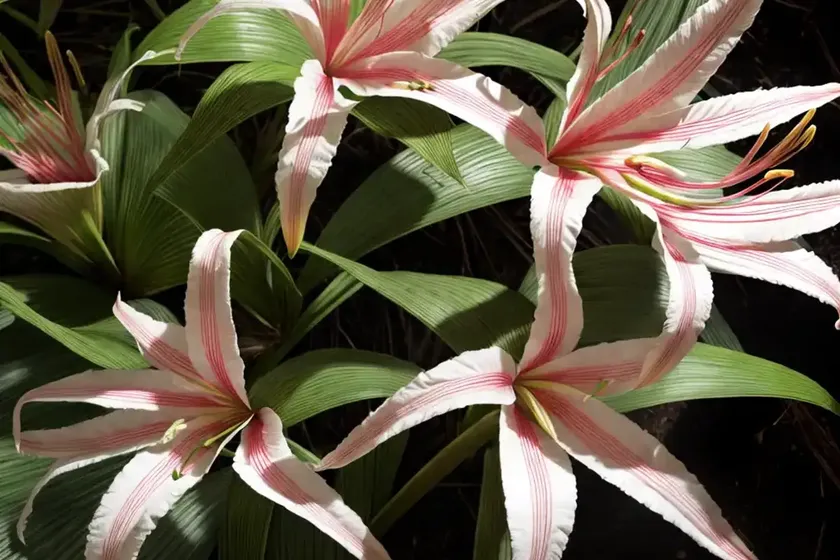
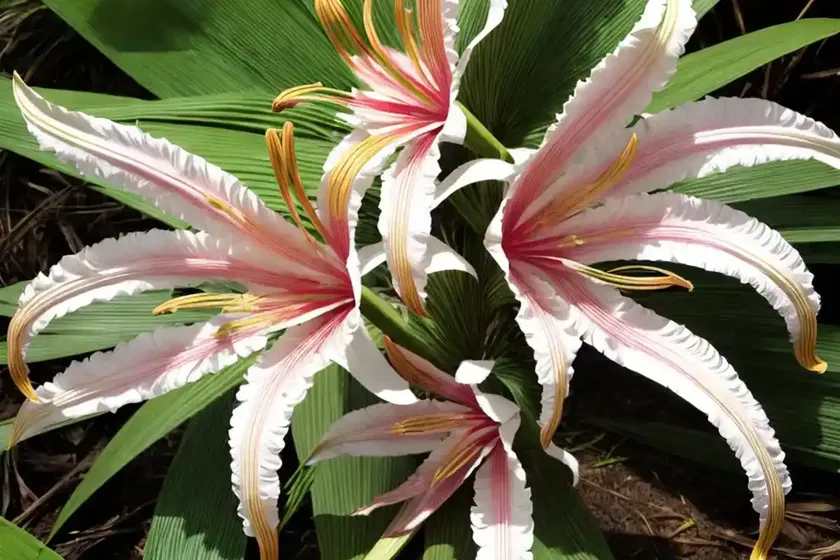
Crinum americanum, commonly known as Swamp Lily, is a stunning flowering plant that belongs to the Amaryllidaceae family. With its beautiful, star-shaped flowers and long, strappy leaves, it adds a touch of elegance to any landscape or garden. In this comprehensive guide, we will delve into all aspects of cultivating and caring for Crinum americanum, including its cultural requirements, uses, water and sunlight preferences, fertilizer needs, soil conditions, pruning techniques, propagation methods, and common pests and diseases. Whether you are a seasoned gardener or a beginner looking to add Swamp Lilies to your space, this guide will equip you with the knowledge and skills to foster healthy and thriving Crinum americanum plants.
What is Crinum Americanum (Swamp Lily)?
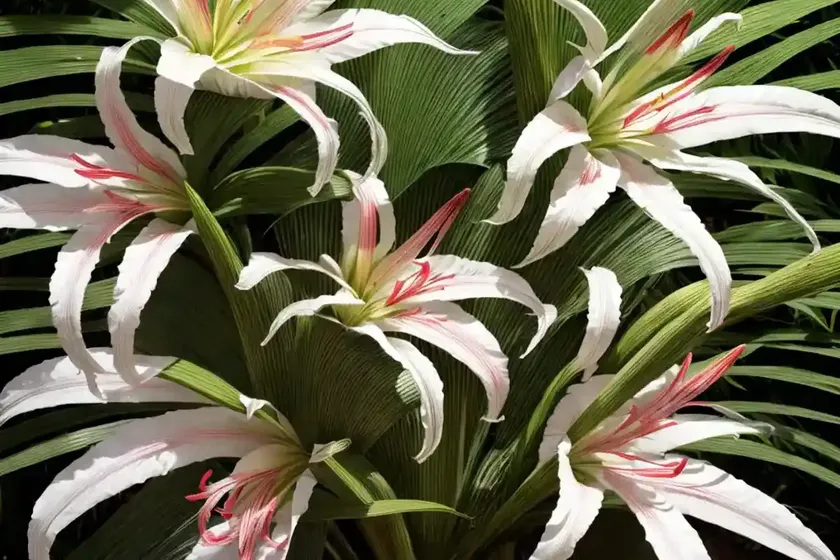
Crinum americanum, or the Swamp Lily, is a perennial herb native to the southeastern United States, where it can be found growing in wet, marshy areas, along the edges of lakes, ponds, and streams. The plant features long, glossy green leaves that arch gracefully, and in late spring or early summer, it produces clusters of fragrant, white, or pink flowers that bloom atop tall, sturdy stems. The flowers are shaped like a narrow, elongated funnel and add a delightful aesthetic appeal to gardens and natural landscapes. This species is known for its adaptability to wet environments, making it a fantastic choice for water gardens, ponds, and other moist areas.
Key Takeaways – Crinum Americanum (Swamp Lily)
Before delving into the specific cultural requirements and care guidelines for Crinum americanum, let us glean some key takeaways about this captivating plant:
- Scientific Name: Crinum americanum
- Common Name: Swamp Lily
- Family: Amaryllidaceae
- Native Habitat: Southeastern United States
- Flowering Season: Late spring to early summer
- Flower Color: White or pink
- Foliage: Long, strappy, glossy green leaves
- Water Preference: Wet, marshy soil
- Sunlight Requirement: Partial shade to full sun
- Cultural Uses: Ornamental gardening, water gardens, natural landscaping
With these key characteristics in mind, let us explore the specific cultural requirements and care tips for successfully growing and nurturing Crinum americanum in various settings.
Culture
Uses
Crinum americanum, or the Swamp Lily, serves a variety of purposes, both aesthetic and functional, in the realm of horticulture and landscaping. Some of its key uses include:
-
Ornamental Gardening: The stunning, star-shaped flowers and graceful, arching foliage of Crinum americanum make it a popular choice for ornamental gardening. Whether planted in flower beds, along water features, or in naturalized landscapes, Swamp Lilies add a charming and exotic touch to outdoor spaces.
-
Water Gardens and Ponds: Due to its affinity for wet, marshy conditions, Crinum americanum thrives in water gardens and pond settings. Its elegant foliage and delicate, fragrant flowers make it an attractive choice for enhancing the visual appeal of aquatic environments.
-
Natural Landscaping: In its native habitat and in other regions with similar climatic conditions, Swamp Lilies play a crucial role in enhancing the biodiversity and visual interest of natural landscapes. They can be nestled along the edges of marshes, ponds, and streams to create a picturesque and ecologically vibrant setting.
Water
Water Requirements:
Crinum americanum is inherently adapted to moist, wet conditions, and as such, it has moderate to high water needs. When cultivating Swamp Lilies, it is essential to ensure consistently moist soil, particularly during the active growing season. However, it is important to prevent water stagnation or waterlogging, as excessive moisture can lead to root rot and other problems.
Irrigation:
For plants grown in garden beds or containers, regular watering is necessary, especially during periods of little to no rainfall. In the absence of adequate natural precipitation, it is advisable to provide 1 to 2 inches of water per week. In water garden and pond settings, where the plants are partially submerged, they generally require less supplemental irrigation, as they draw moisture from the aquatic environment.
Sunlight
Sunlight Preferences:
Crinum americanum thrives in a partial shade to full sun environment. While it can adapt to a range of light conditions, it generally performs best when provided with ample sunlight. When grown in partial shade, it is essential to ensure that the plant receives several hours of direct or dappled sunlight each day to promote healthy growth and prolific flowering.
Optimal Placement:
When incorporating Swamp Lilies into outdoor landscapes, select planting locations that receive at least 4 to 6 hours of sunlight daily. Areas with eastern or southern exposure are particularly conducive to the plant’s growth and blooming potential. In water gardens, position the plants at a depth that allows their foliage to reach the sunlight while ensuring their roots remain submerged.
Fertilizer
Fertilization Needs:
To support robust growth and abundant flowering, Crinum americanum benefits from regular fertilization during the growing season. The application of a balanced, all-purpose fertilizer formulated for flowering plants helps supply essential nutrients and sustains the plant’s vigor. A fertilizer with a higher phosphorus content can further encourage profuse blooming.
Application Frequency:
Fertilize Swamp Lilies every 4 to 6 weeks throughout the spring and summer months, coinciding with their active growth and flowering period. Avoid over-fertilization, as excessive nutrients can lead to lush foliage at the expense of flower production. Cease fertilization in late summer to allow the plants to gradually enter dormancy as the autumn season approaches.
Soil
Soil Type:
Crinum americanum thrives in humus-rich, well-draining soil with a slightly acidic to neutral pH. A loamy, fertile soil that retains moisture without becoming waterlogged is ideal for fostering healthy growth and blooming. In water garden and pond settings, the plants can tolerate soil that is consistently moist or partially submerged.
Amendments:
If the native soil is heavy or compacted, incorporating organic matter such as compost, peat moss, or well-rotted manure can improve its structure and drainage. Additionally, the addition of a small amount of coarse sand can enhance soil aeration and prevent potential waterlogging. When planting Swamp Lilies in containers, use a high-quality, well-draining potting mix formulated for flowering perennials.
Pruning
Maintenance Pruning:
Crinum americanum generally requires minimal pruning or maintenance, as its natural growth habit is elegant and minimal. Remove any dead or yellowing leaves throughout the growing season to maintain the plant’s aesthetic appeal and overall health. Snip off spent flowers to encourage repeated blooming and prevent the formation of seeds, which can divert energy away from flower production.
Annual Cleanup:
In late autumn or early winter, after the first frost or as the foliage begins to senesce, it is advisable to trim back any dead or withered leaves to tidy up the plant and prepare it for the upcoming dormant period. Cut back the foliage to within a few inches of the ground, leaving the remaining leaf stubs to protect the plant’s crown from potential winter damage.
Propagation
Propagation Methods:
Crinum americanum can be propagated through several methods, including division, bulb offsets, and seed sowing. Division is the most common and reliable propagation technique, particularly for ensuring that the new plants maintain the desirable traits of the parent specimens. Bulb offsets, which are naturally occurring smaller bulbs attached to the main bulb, can also be carefully separated and replanted to propagate new plants.
Division Guidelines:
In late winter or early spring, when the plant is dormant or beginning to emerge from dormancy, carefully dig up the clumps of Crinum americanum. Gently tease apart the individual bulbs or bulb sections, ensuring that each new division has several healthy roots and growth points. Replant the divisions at the desired location or in containers filled with well-draining soil.
Container Popularity
Container Gardening:
While Crinum americanum is often grown directly in garden beds and naturalized landscapes, it also thrives in containers, making it a versatile choice for a range of gardening situations. Planting Swamp Lilies in containers allows for greater control over their growing conditions and facilitates their placement in various settings, including patios, balconies, and outdoor living spaces.
Container Selection:
Choose large, sturdy containers with ample drainage holes to accommodate the robust growth habit and extensive root system of Crinum americanum. A container that is at least 18 to 24 inches in diameter and depth provides sufficient space for the plant’s roots to spread and enables it to thrive for several growing seasons without the need for frequent repotting.
Common Diseases
Disease Susceptibility:
While Crinum americanum is generally resistant to most common plant diseases, it can be susceptible to certain issues under unfavorable growing conditions or environmental stress. The most prevalent diseases that may affect Swamp Lilies include fungal infections such as leaf spot, root rot, and botrytis blight, which are often associated with excessive moisture and poor air circulation.
Preventive Measures:
To minimize the risk of disease development, it is crucial to provide optimal growing conditions for Crinum americanum, including well-draining soil, moderate watering, and good air circulation. Avoid overhead watering, which can lead to prolonged leaf wetness and create a favorable environment for fungal pathogens. Additionally, promptly remove any diseased or affected plant parts to prevent the spread of infection.
Disease Diagnosis
Symptoms:
When diagnosing potential diseases in Crinum americanum, be vigilant for symptoms such as the appearance of dark or water-soaked lesions on the leaves, yellowing or wilting foliage, stunted growth, and an overall decline in the plant’s health and vigor. In cases of root rot, the roots may appear discolored, mushy, or foul-smelling, indicating fungal or bacterial infection.
Professional Consultation:
If you suspect that your Swamp Lilies are affected by a disease or pathogen, seek the guidance of a knowledgeable horticulturist or plant pathologist. Proper diagnosis by a professional can aid in identifying the specific issue and determining the most effective course of action, which may involve cultural adjustments, targeted treatments, or preventive measures.
Common Pests
Pest Profiles:
While Crinum americanum is relatively resistant to most common pests, it can occasionally become a target for certain insects and arthropods. The primary pests that may afflict Swamp Lilies include aphids, spider mites, thrips, and snails. Aphids and spider mites are particularly problematic, as they can cause damage to the foliage and impair the plant’s overall health.
Integrated Pest Management:
To manage pest infestations on Crinum americanum, employ an integrated approach that combines cultural, mechanical, and biological control methods. Regularly inspect the plants for signs of pest activity and promptly remove any affected plant parts, such as infested leaves or flowers. Beneficial predators and natural enemies of pests, such as ladybugs and lacewings, can also aid in pest control.
Botanist’s Tips
Optimal Growing Conditions:
To encourage vigorous growth and abundant flowering in Crinum americanum, aim to provide optimal growing conditions, including consistently moist but well-draining soil, ample sunlight, and a balanced fertilization regimen. Periodically assess the plant’s cultural needs and make necessary adjustments to sustain its health and vitality throughout the growing season.
Regular Maintenance:
Engage in regular maintenance practices, such as pruning spent flowers and removing dead or yellowing foliage, to enhance the aesthetic appeal of Swamp Lilies and support their long-term well-being. A tidy and well-maintained plant is less susceptible to diseases and pests and is more likely to thrive and bloom prolifically.
Seasonal Care:
Adapt your care practices to accommodate the seasonal changes that Crinum americanum experiences. Provide adequate moisture and fertilization during the active growing season, while gradually reducing inputs as the plant transitions into dormancy. Prepare the plant for the winter by performing necessary cleanup and protection measures to ensure its resilience and survival.
Vigilant Monitoring:
Regularly monitor Crinum americanum for signs of diseases, pests, or environmental stress. Promptly address any issues that arise, such as yellowing leaves, unusual spotting, or pest activity, to prevent the escalation of problems and maintain the plant’s health. Vigilant monitoring allows for early intervention and effective management of potential issues.
Fun Facts
- Crinum americanum is renowned for its resilience and adaptability to wet environments, earning it the common name “Swamp Lily” due to its propensity for thriving in marshy and aquatic settings.
- The fragrant flowers of Crinum americanum attract pollinators such as bees, butterflies, and hummingbirds, contributing to the biodiversity and ecological significance of its growing area.
- Swamp Lilies have been historically utilized by certain indigenous cultures for various medicinal and ceremonial purposes, reflecting the cultural and ethnobotanical significance of the plant.
Links to External Resources
For additional information on Crinum americanum care, growing tips, medicinal uses, and landscape design, explore the following external resources:
- University of Florida IFAS Extension: Crinum lily
- North Carolina State University: Crinum Lily
- Texas A&M AgriLife Extension: Crinum lilies for the landscape
- Lady Bird Johnson Wildflower Center: Crinum americanum
- University of Arkansas Division of Agriculture: Plant of the Week – Crinum lily
By consulting these reputable sources, you can gain valuable insights and practical guidance on cultivating and caring for Crinum americanum in diverse gardening and landscaping contexts.
In conclusion, Crinum americanum, or Swamp Lily, is a captivating and versatile plant that enriches landscapes, water gardens, and naturalized settings with its graceful foliage and fragrant, star-shaped flowers. By adhering to the outlined cultural guidelines, you can successfully grow and nurture thriving Crinum americanum specimens, fostering their beauty and botanical significance. Whether you are drawn to the plant for its ornamental appeal, ecological contributions, or historical significance, cultivating Swamp Lilies is a rewarding endeavor that enhances the beauty and biodiversity of outdoor spaces.
Remember, each Crinum americanum plant has a story to tell and a legacy to uphold. Through your dedicated care and appreciation for this remarkable species, you contribute to its ongoing presence and allure in the natural world.
The blog post provides an in-depth discussion of Crinum americanum (Swamp Lily), covering its cultural needs, uses, water and sunlight preferences, fertilizer requirements, soil conditions, pruning techniques, propagation methods, common diseases, pest management, botanist’s tips, and fun facts. Included are external resource links for further information on caring for and cultivating Crinum americanum.