Crassula Platyphylla (Crassula Platyphylla)
Crassula platyphylla is a unique and fascinating succulent plant species that has gained popularity among plant enthusiasts due to its attractive.
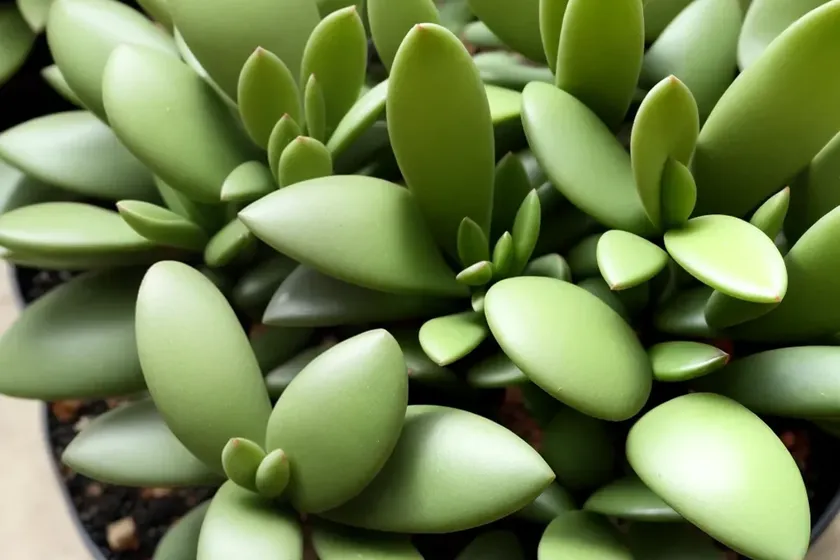
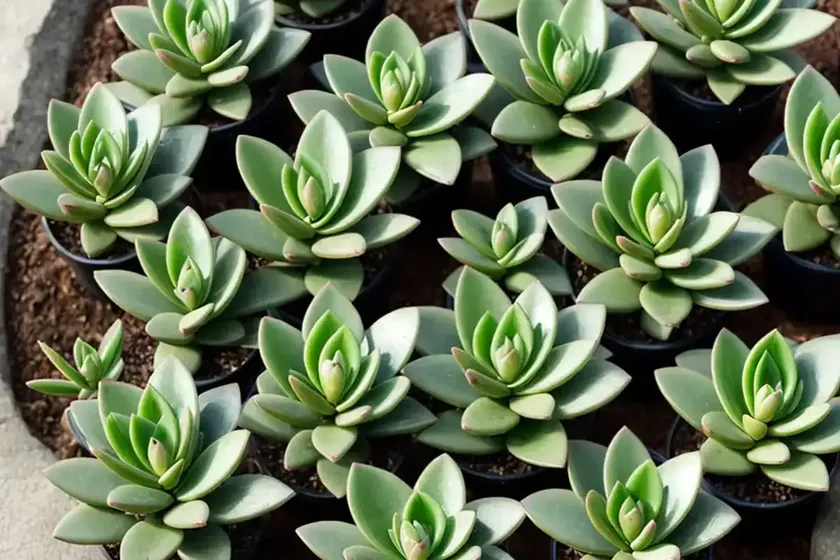
Crassula platyphylla is a unique and fascinating succulent plant species that has gained popularity among plant enthusiasts due to its attractive appearance and relatively easy care requirements. In this comprehensive guide, we will delve into the various aspects of caring for Crassula platyphylla, including its culture, uses, water and sunlight requirements, fertilizer needs, soil preferences, pruning tips, propagation methods, common diseases and pests, and much more. Whether you are a seasoned plant parent or a beginner looking to expand your indoor or outdoor plant collection, this article will equip you with the knowledge and skills needed to nurture and enjoy the beauty of Crassula platyphylla.
What is Crassula platyphylla?
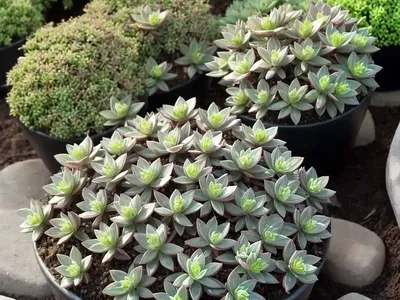
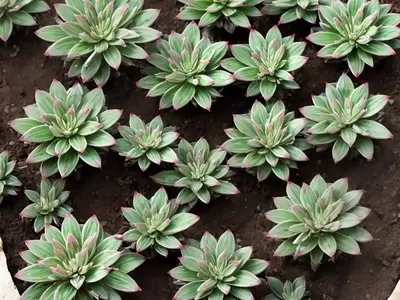
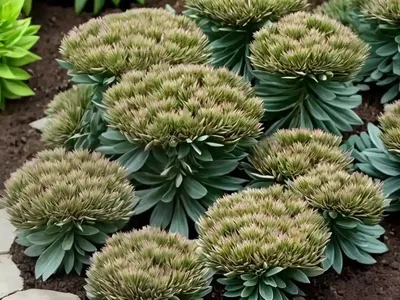
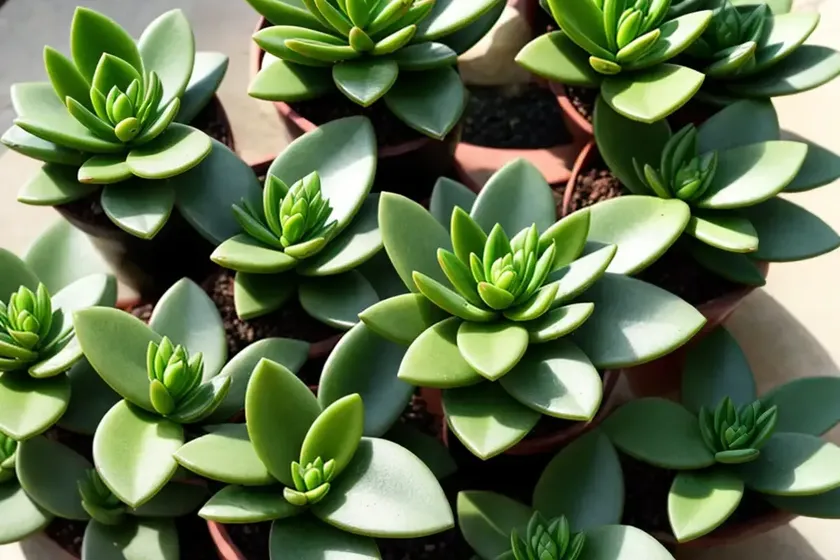
Crassula platyphylla, commonly known as the “Wide-Leaf Crassula,” is a species of succulent plant belonging to the Crassulaceae family. This drought-tolerant succulent is native to South Africa and is characterized by its thick, fleshy leaves and striking foliage. Crassula platyphylla is a low-maintenance plant that is well-suited for various environments, including rock gardens, succulent arrangements, and indoor pots. With its unique growth habits and visual appeal, Crassula platyphylla has become a sought-after addition to both novice and experienced plant collections.
Key Takeaways – Crassula platyphylla
Before we delve into the specific care requirements for Crassula platyphylla, let’s highlight some key takeaways about this distinctive succulent:
- Crassula platyphylla is a drought-tolerant succulent known for its thick, fleshy leaves and attractive appearance.
- This succulent is native to South Africa and is well-suited for rock gardens, succulent arrangements, and indoor containers.
- Proper watering, sunlight exposure, and well-draining soil are essential for the health and vitality of Crassula platyphylla.
- The plant is relatively low-maintenance and can thrive in a variety of environmental conditions, making it an excellent choice for both beginner and experienced plant enthusiasts.
Now that we have a foundational understanding of Crassula platyphylla, let’s explore the specific care guidelines to ensure its optimal growth and well-being.
Culture
Uses
Crassula platyphylla serves various purposes in both indoor and outdoor settings. Some of its common uses include:
- Indoor decorative plant: Its visually appealing foliage makes it an excellent choice for indoor plant displays and arrangements.
- Rock gardens and succulent landscapes: The low-maintenance nature of Crassula platyphylla makes it well-suited for rock gardens and outdoor succulent plantings.
Water
Proper watering is crucial for the health and longevity of Crassula platyphylla. As a succulent plant, it is essential to follow a watering schedule that allows the soil to dry out between waterings. Overwatering can lead to root rot and other issues, so it’s important to water the plant only when the soil is completely dry. During the growing season, which typically spans spring and summer, moderate watering is recommended. In contrast, reduced watering is appropriate during the plant’s dormant period in fall and winter.
Sunlight
Crassula platyphylla thrives in bright, indirect light or partial sunlight. When grown outdoors, it should be placed in an area that receives partial sun or filtered light. If grown indoors, it can be situated near a sunny window or under grow lights to ensure adequate light exposure. However, it is essential to protect the plant from intense, direct sunlight, as prolonged exposure to harsh rays can cause sunburn and damage the foliage.
Fertilizer
While Crassula platyphylla is relatively low-maintenance, it can benefit from occasional fertilization during the active growing season. A balanced, water-soluble fertilizer formulated for succulent plants can be applied at half strength every 3-4 weeks during the growing months to provide essential nutrients for healthy growth. It is important to refrain from over-fertilizing, as excessive nutrients can lead to adverse effects on the plant’s overall health.
Soil
The choice of soil is critical for the well-being of Crassula platyphylla. A well-draining soil mix specifically designed for succulents and cacti is ideal for this plant. This type of soil ensures that excess water does not linger around the roots, helping to prevent the onset of root rot and other moisture-related issues. A combination of potting mix, coarse sand, and perlite can create an optimal growing medium for Crassula platyphylla, allowing for efficient drainage and aeration.
Pruning
Pruning is an essential aspect of Crassula platyphylla care, particularly for maintaining its shape and promoting healthy growth. Here are some key considerations for pruning this succulent:
- Remove any dead or decaying leaves to prevent the spread of disease and maintain the plant’s overall appearance.
- Trim leggy or overgrown stems to encourage a denser, more compact growth habit.
- Pruning can be performed as needed throughout the growing season, using clean, sharp scissors or pruning shears to make precise cuts without causing damage to the plant.
Propagation
Propagation offers an exciting opportunity to expand your Crassula platyphylla collection and share the beauty of this succulent with friends and fellow plant enthusiasts. There are several methods for propagating Crassula platyphylla, including:
- Leaf cuttings: Simply pluck a healthy leaf from the mother plant, allow it to callus for a few days, and then place it on well-draining soil to root and develop into a new plant.
- Stem cuttings: Snip a portion of the stem from a healthy plant, let it dry for a few days, and then plant it in suitable soil for root development.
- Offshoots: Some Crassula platyphylla varieties produce offshoots or “pups” that can be carefully separated from the main plant and potted individually to establish new plants.
Propagation can be an enjoyable and rewarding process, offering a hands-on experience in nurturing new life from existing plants.
Container Popularity
Crassula platyphylla’s popularity as a container plant stems from its adaptability to indoor environments and its eye-catching appearance. When grown in containers, this succulent adds visual interest to living spaces, offices, and other indoor settings. Its unique growth habit and low-maintenance care requirements make it a popular choice for both novice and experienced plant enthusiasts.
Common Diseases
Disease Diagnosis
While Crassula platyphylla is generally resistant to many common plant diseases, it is still susceptible to certain issues that can compromise its health. Some common diseases and ailments that may affect this succulent include:
- Root rot: Caused by overwatering or poorly draining soil, leading to the decay of the plant’s root system.
- Powdery mildew: A fungal infection that manifests as white, powdery spots on the foliage, potentially hindering photosynthesis and overall plant health.
- Leaf spot: Characterized by the presence of dark or discolored spots on the leaves due to fungal or bacterial pathogens.
Common Pests
In addition to diseases, certain pests may pose a threat to Crassula platyphylla. These include:
- Mealybugs: Small, white, cottony insects that can gather on the plant’s leaves and stems, sucking the sap and potentially causing damage.
- Aphids: Tiny, soft-bodied insects that may cluster on the new growth of the plant, affecting its overall vigor and vitality.
- Spider mites: These minuscule pests can infest Crassula platyphylla, causing webbing and stippling on the foliage and compromising the plant’s health.
Botanist’s Tips
To ensure the successful care and maintenance of Crassula platyphylla, here are some expert tips from botanists and experienced plant caregivers:
- Monitor watering: Pay close attention to the plant’s watering needs, allowing the soil to dry out between waterings and adjusting the frequency based on environmental conditions.
- Provide adequate light: Position the plant in a location where it can receive sufficient, indirect sunlight or partial sun to support healthy growth and vibrant foliage.
- Use well-draining soil: Employ a well-aerated, fast-draining soil mix to prevent waterlogged conditions and promote robust root development.
Fun Facts
- Crassula platyphylla is part of the diverse Crassula genus, which encompasses numerous species of fascinating succulent plants.
- Some Crassula platyphylla varieties exhibit beautiful color variations, including hints of red, pink, and purple in the foliage.
- Due to their water-storing capacities, succulents like Crassula platyphylla have adapted to survive in arid and semi-arid regions, making them incredibly resilient plants.
Links to External Resources
For additional information and resources on Crassula platyphylla, consider exploring the following links:
- The Spruce – How to Grow and Care for Crassula
- World of Succulents – Crassula platyphylla
- Royal Horticultural Society – Crassula platyphylla
Conclusion
In conclusion, Crassula platyphylla stands out as a captivating succulent plant with unique characteristics and relatively low-maintenance care requirements. Whether grown indoors as part of a diverse plant collection or featured in outdoor landscapes, this succulent species adds visual charm and natural beauty to its surroundings. By adhering to the essential care guidelines outlined in this comprehensive guide, plant enthusiasts can cultivate thriving and vibrant Crassula platyphylla specimens, enriching their botanical experiences and deepening their appreciation for the wonders of nature.