Crassula Perforata (Crassula Perforata)
Crassula Perforata, also known as String of Buttons plant or Necklace Vine, is a stunning succulent that captivates plant enthusiasts with its unique.
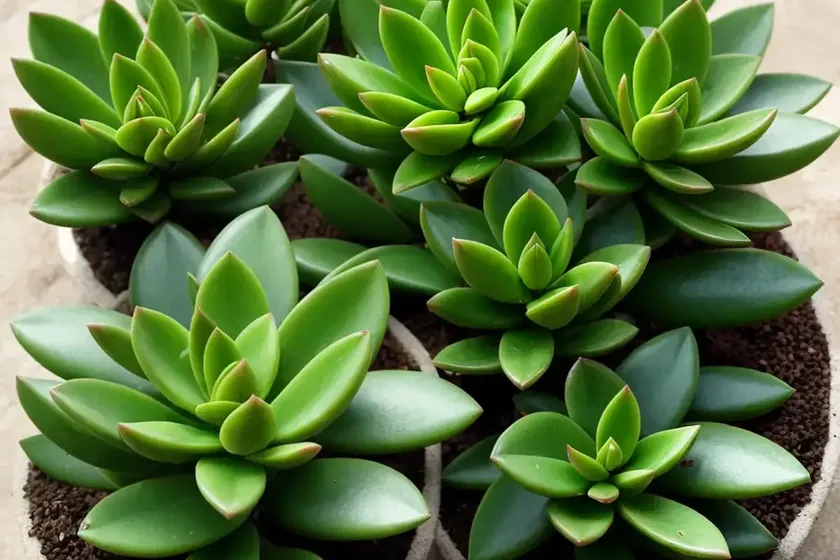
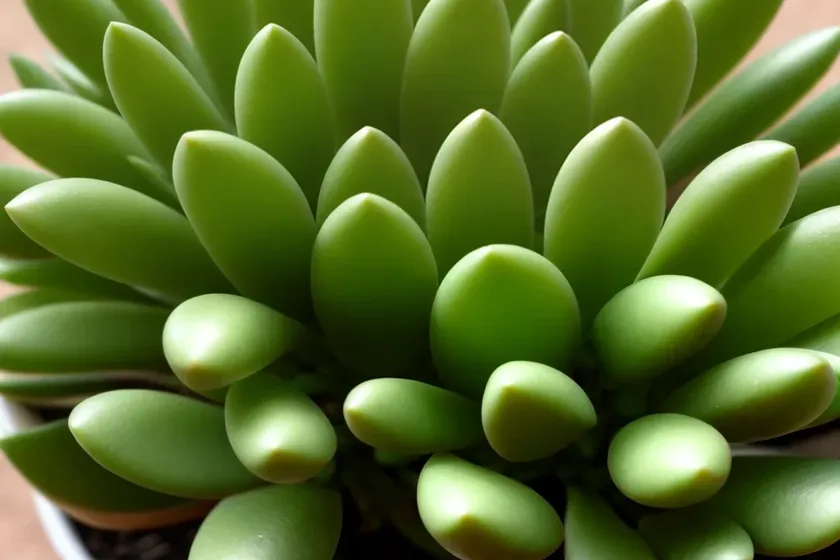
Crassula Perforata, also known as String of Buttons plant or Necklace Vine, is a stunning succulent that captivates plant enthusiasts with its unique appearance and low-maintenance care requirements. This article serves as a comprehensive guide to understanding and nurturing Crassula Perforata, covering various aspects such as its culture, uses, propagation, common diseases, and botanist’s tips. Whether you are an experienced gardener or a novice plant enthusiast, this article will equip you with the knowledge to cultivate and appreciate this exceptional plant.
What is Crassula Perforata?
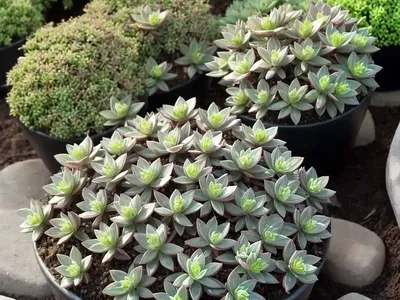
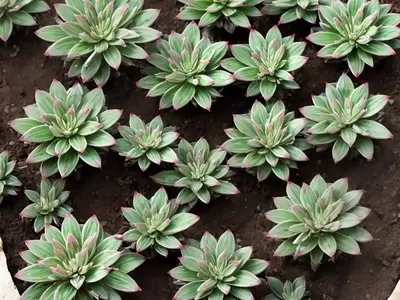
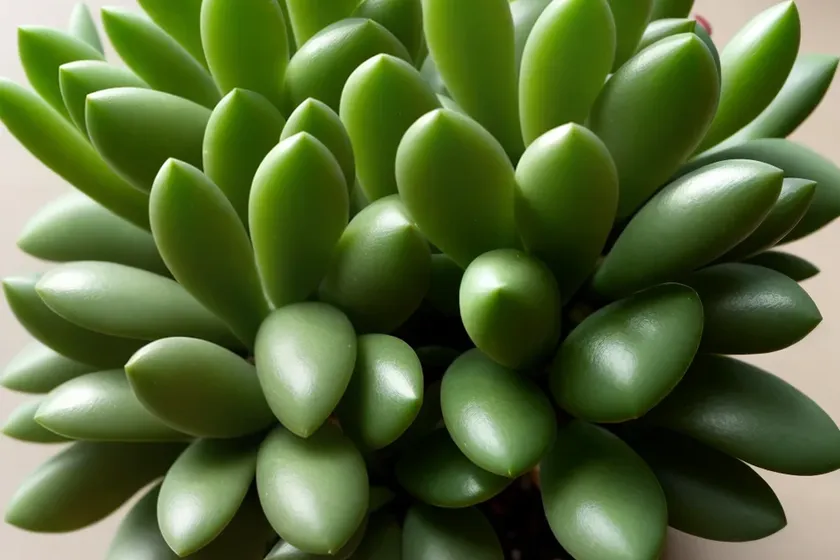
Crassula Perforata is a member of the Crassulaceae family and is native to South Africa. It is characterized by its attractive, stacked, triangular leaves that form a neat rosette. As the plant matures, it develops a trailing or vining habit, making it an ideal choice for hanging baskets or as a ground cover in suitable climates.
Key Takeaways – Crassula Perforata
Before delving into the details of Crassula Perforata, here are the key takeaways that will guide our exploration of this remarkable plant:
- Common Names: String of Buttons plant, Necklace Vine
- Native Habitat: South Africa
- Foliage: Triangular, stacked leaves
- Habit: Trailing or vining as it matures
- Suitability: Ideal for hanging baskets and ground cover
- Care Level: Low-maintenance succulent
Now that we have established an overview of Crassula Perforata, let’s delve into the specifics of its culture and care requirements.
Culture
Understanding the optimal culture for Crassula Perforata is essential for ensuring its health and vitality. This section will explore various factors such as water, sunlight, fertilizer, soil, and pruning that influence the well-being of this captivating succulent.
Water
Crassula Perforata, like many succulents, is adapted to arid environments and has low water requirements. Overwatering can lead to root rot and other complications, so it is crucial to allow the soil to dry out between watering sessions. During the growing season, which typically spans spring and summer, a deep watering every 2-3 weeks is usually sufficient. In contrast, in the dormant winter period, watering should be minimized to prevent issues arising from excess moisture.
Crassula Perforata Watering Tips
- Ensure the soil is completely dry before watering.
- Use a well-draining potting mix to prevent waterlogging.
- Water sparingly during the plant’s winter dormancy.
Sunlight
Adequate sunlight is vital for the healthy growth and vibrant coloration of Crassula Perforata. This succulent thrives in bright, indirect light and can also tolerate some direct sunlight, particularly during the morning hours. However, prolonged exposure to intense afternoon sun may lead to leaf burn, especially in hotter climates. As such, providing filtered light or partial shade can help protect the plant from excessive sun exposure.
Crassula Perforata Sunlight Requirements
- Provide bright, indirect light for optimal growth.
- Shield from intense afternoon sun to prevent leaf burn.
- Consider partial shade in high-temperature environments.
Fertilizer
Fertilizing Crassula Perforata is not a frequent requirement due to its adaptive nature and relatively low nutritional needs. During the active growing season in spring and summer, a balanced, diluted succulent fertilizer can be applied once a month to provide the plant with essential nutrients. However, it is essential to avoid over-fertilization as this can lead to adverse effects on the plant’s health.
Crassula Perforata Fertilizer Needs
- Apply a balanced, diluted succulent fertilizer monthly during the growing season.
- Avoid excessive fertilization to prevent nutrient imbalances.
Soil
The right soil composition is fundamental to the well-being of Crassula Perforata. A well-draining soil mix that mimics the plant’s natural habitat is essential for preventing moisture-related issues such as root rot. A combination of standard potting soil and perlite or coarse sand to improve drainage is recommended for cultivating this succulent.
Best Soil for Crassula Perforata
- Utilize a well-draining soil mix with added perlite or coarse sand.
- Aim for a soil composition that prevents waterlogging and supports healthy root development.
Pruning
Pruning is an important aspect of Crassula Perforata care, particularly for maintaining its desired shape and size. Trimming back leggy or overgrown stems can promote a compact, lush growth habit and enhance the overall appearance of the plant. Additionally, removing dead or damaged foliage aids in preventing disease and encourages new growth.
Pruning Crassula Perforata
- Regularly trim back overgrown stems to maintain the plant’s shape.
- Remove dead or damaged foliage to promote overall health and vitality.
Uses
Crassula Perforata’s distinctive appearance and versatility make it an appealing choice for various gardening and decorative purposes. This section will explore the diverse uses of this enchanting succulent, both indoors and outdoors.
Container Gardening
Due to its trailing or vining habit, Crassula Perforata is well-suited for container gardening, particularly in hanging baskets or decorative pots. Its cascading growth and visually striking foliage make it an eye-catching addition to balconies, patios, or indoor spaces.
Crassula Perforata in Container Gardening
- Use hanging baskets to showcase the plant’s trailing growth.
- Select decorative containers that complement the plant’s unique appearance.
Popularity
Crassula Perforata has gained popularity among succulent enthusiasts and gardeners due to its ornamental value and ease of care. Its distinctive stacked leaves and trailing growth habit make it a sought-after addition to succulent collections and horticultural displays.
Crassula Perforata’s Popularity
- Diverse use in succulent collections and ornamental displays.
- Attracts enthusiasts due to its unique foliage and low-maintenance requirements.
Common Diseases
While Crassula Perforata is generally resistant to many common plant diseases, it is still susceptible to certain issues that can affect its health. This section will outline some of the common diseases that may impact Crassula Perforata and the necessary steps for diagnosis and treatment.
Disease Diagnosis
Diagnosing diseases in Crassula Perforata requires careful observation of its foliage and overall condition. Symptoms such as leaf discoloration, wilting, or unusual spots may indicate potential diseases or pests, necessitating prompt attention and intervention.
Diagnosing Diseases in Crassula Perforata
- Monitor foliage for signs of discoloration, wilting, or unusual spots.
- Identify potential diseases or pests based on visual symptoms.
Common Pests
In addition to diseases, Crassula Perforata may also be susceptible to common pests that can compromise its health and appearance. Understanding these potential threats and implementing appropriate pest control measures is essential for safeguarding the well-being of the plant.
Pest Control Measures for Crassula Perforata
- Monitor for signs of pests such as aphids, mealybugs, or spider mites.
- Implement non-toxic pest control methods to address infestations.
Propagation
The ability to propagate Crassula Perforata through various methods allows enthusiasts to expand their collection and share this captivating plant with others. This section will explore the process of propagating Crassula Perforata through leaf or stem cuttings, providing insights into successful propagation techniques.
Leaf Cuttings
Propagating Crassula Perforata from leaf cuttings is a straightforward and effective method for generating new plants. Select healthy leaves from the mother plant and allow them to callus before placing them in a suitable propagation medium.
Propagating Crassula Perforata from Leaf Cuttings
- Select healthy leaves and allow them to callus before planting.
- Provide the appropriate propagation medium such as well-draining soil or perlite.
Stem Cuttings
Stem cuttings offer an alternative approach to propagating Crassula Perforata, particularly for individuals interested in propagating multiple new plants from a single parent specimen. By following specific guidelines for stem cutting propagation, enthusiasts can achieve successful results and expand their Crassula Perforata collection.
Propagating Crassula Perforata from Stem Cuttings
- Choose healthy stems and cut them into individual sections for propagation.
- Ensure the cuttings are adequately callused before planting in a suitable medium.
Botanist’s Tips
As plants with such unique characteristics and growth habits, Crassula Perforata benefits from specific care and attention. This section will feature essential tips from botanists and experienced growers to enhance the cultivation and enjoyment of this enchanting succulent.
Botanist’s Tips for Crassula Perforata
- Monitor Sunlight: Pay close attention to the plant’s exposure to sunlight to prevent leaf burn.
- Mindful Watering: Avoid overwatering by allowing the soil to dry out thoroughly between waterings.
- Pruning Guidance: Regular pruning can promote a lush, compact growth habit and improve the plant’s appearance.
- Propagate with Care: Follow precise guidelines for leaf and stem propagation to maximize success rates.
Fun Facts
To further enrich our understanding and appreciation of Crassula Perforata, here are some intriguing and delightful fun facts about this captivating succulent.
Fascinating Tidbits about Crassula Perforata
- Xeriscaping Gem: Due to its drought tolerance, Crassula Perforata is an excellent choice for xeriscaping and water-efficient landscaping.
- Wildlife Attraction: The unique foliage of Crassula Perforata can attract pollinators and beneficial insects, contributing to ecosystem health.
- Drought Adaptation: The plant’s adaptive features, such as succulent leaves, are specialized for conserving water in arid environments.
Links to External Resources
The quest for knowledge and insight into Crassula Perforata extends beyond the confines of this article. Here are some valuable external resources that offer further guidance and information on cultivating and appreciating this captivating succulent:
- Succulent Plant Care Guide: In-depth tips and advice on caring for various succulent plants, including Crassula Perforata.
- Royal Horticultural Society – Crassula Perforata Profile: Detailed profile providing insights into the characteristics and cultivation of Crassula Perforata.
- The Joy of Succulents – Crassula Perforata Care: A comprehensive care guide dedicated to Crassula Perforata, covering various aspects of its cultivation and maintenance.
Conclusion
In conclusion, the allure of Crassula Perforata lies not only in its captivating appearance but also in its adaptability and low-maintenance care requirements. From its distinctive stacked leaves to its trailing growth habit, this succulent exudes charm and elegance, making it a valuable addition to diverse indoor and outdoor settings. By understanding its culture, uses, propagation, and pest management, plant enthusiasts can cultivate and savor the enchanting beauty of Crassula Perforata. Whether displayed in hanging baskets, terrariums, or xeriscapes, this exceptional succulent continues to captivate admirers and thrive in a variety of horticultural settings. As we continue to celebrate the myriad wonders of the plant kingdom, Crassula Perforata stands as a testament to the captivating allure and resilience of nature’s botanical treasures.
References:
- The Spruce. “Succulent Plant Care Guide.” https://www.thespruce.com/succulent-care-4581747
- Royal Horticultural Society. “Crassula Perforata Profile.” https://www.rhs.org.uk/Plants/166406/i-Crassula-perforata-i/Details
- The Joy of Succulents. “Crassula Perforata Care Guide.” https://www.joyofsucculents.com/crassula-perforata-care-guide/