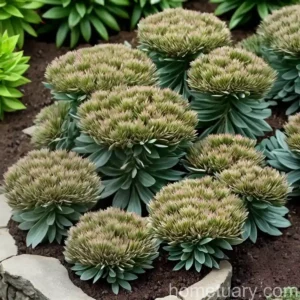
Crassula ovata (Jade Plant) Care Guide
Crassula ovata, commonly known as the Jade Plant, is a stunning and low-maintenance succulent with thick woody stems and glossy green leaves. This plant is native to South Africa but has gained popularity worldwide thanks to its striking appearance and easy care requirements. In this comprehensive guide, we will delve into the various aspects of Jade Plant care, including its culture, uses, water and sunlight requirements, soil, pruning, propagation, containers, common diseases, pests, and much more. Whether you are a beginner looking to start your indoor succulent collection or a seasoned plant enthusiast, this guide will provide you with all the information you need to nurture a thriving Crassula ovata.
What is Crassula ovata (Jade Plant)?
Crassula ovata, commonly referred to as the Jade Plant, is a species of succulent plant in the Crassulaceae family. It is characterized by its thick, fleshy leaves and branches, which give it a tree-like or shrub appearance. The plant is renowned for its resilience and longevity, with mature specimens developing a woody trunk and becoming treelike in appearance. The Jade Plant is known by various other names, including the Money Plant, Friendship Tree, Lucky Plant, and Dollar Plant.
Key Takeaways – Crassula ovata (Jade Plant)
To ensure a successful and thriving Jade Plant, it is important to understand its specific care requirements and growth habits. Below are the key takeaways for growing and maintaining a healthy Crassula ovata:
- Water: Proper watering is crucial to prevent root rot and maintain the plant’s health.
- Sunlight: Jade Plants require adequate sunlight for optimum growth, but they can also tolerate low light conditions.
- Soil: Well-draining soil is essential for preventing waterlogged roots.
- Pruning: Occasional pruning is beneficial to maintain the plant’s shape and encourage bushy growth.
- Propagation: Jade Plants can be easily propagated from stem or leaf cuttings.
- Containers: Choosing the right pot or container is important for the plant’s growth and overall health.
- Common Diseases: Understanding and identifying common diseases will help in timely intervention and treatment.
- Pests: Being aware of potential pests and how to manage them is essential for the plant’s well-being.
Now, let’s explore each of these aspects in detail to provide you with a comprehensive understanding of how to care for Crassula ovata.
Culture
Crassula ovata is a versatile and adaptable plant, making it a perfect choice for both indoor and outdoor cultivation. Its cultural requirements are relatively undemanding, making it an ideal option for beginners and experienced gardeners alike. Below are the cultural aspects to consider when caring for Crassula ovata:
Uses
The Jade Plant serves various purposes, beyond its aesthetic appeal, which include:
- Decorative Plant: Its striking appearance makes the Jade Plant a popular choice for indoor decor, succulent gardens, and landscaping.
- Symbolism: In many cultures, the Jade Plant is associated with luck, prosperity, and positive energy, making it a popular gift for auspicious occasions.
- Feng Shui: According to traditional Chinese beliefs, the Jade Plant is believed to attract prosperity and wealth when placed in certain areas of a home or office.
- Air Purification: Like many other indoor plants, Crassula ovata contributes to improving air quality by reducing airborne toxins.
Water
Ensuring proper watering practices is crucial for the health and vitality of Crassula ovata. Succulents, including the Jade Plant, have unique water requirements due to their storage of water in their leaves and stems. Overwatering can lead to root rot, while underwatering can result in shriveled and wilting leaves.
Jade Plant Watering Tips
- Frequency: Water the Jade Plant thoroughly, allowing the soil to dry out partially between waterings. Typically, it is advisable to water the plant when the top inch of the soil is dry.
- Soil Moisture: Use a well-draining potting mix to prevent waterlogging. Ensure that the excess water can drain out easily from the pot.
- Seasonal Variations: Adjust the watering frequency based on the plant’s needs during different seasons. Typically, Crassula ovata requires less frequent watering during the winter months and more frequent watering in the summer.
Sunlight
Proper sunlight is essential for the healthy growth and development of Crassula ovata. While it can tolerate low light conditions, providing adequate sunlight will ensure vibrant foliage and robust growth.
Jade Plant Sunlight Requirements
- Direct Sunlight: Crassula ovata thrives in bright, indirect sunlight. Place the plant near a south-facing window to provide it with ample light without subjecting it to harsh midday sun.
- Low Light Tolerance: While it prefers bright light, the Jade Plant can tolerate lower light conditions. However, prolonged low light exposure may lead to leggy growth and reduced vitality.
- Avoid Sunburn: Be cautious of exposing the plant to direct, intense sunlight, especially during the hottest part of the day, as it can cause sunburn on the leaves.
Fertilizer
Proper fertilization is essential for promoting healthy growth and ensuring that the Jade Plant receives essential nutrients for its development.
Jade Plant Fertilization Tips
- Fertilizer Type: Use a balanced, water-soluble fertilizer formulated for succulents and cacti. Fertilize the plant during the active growing season, typically in spring and summer.
- Frequency: Apply fertilizer every 2-4 weeks during the growing season. Avoid over-fertilizing, as it can lead to salt buildup in the soil.
- Reduced Fertilization: Scale back on the fertilizer during the fall and winter months when the plant enters a period of reduced growth.
Soil
Choosing the right soil mix is crucial for ensuring proper drainage and preventing waterlogged roots, which can be detrimental to the Jade Plant’s health.
Soil for Crassula ovata
- Well-Draining Mix: Use a well-draining succulent or cactus potting mix. Alternatively, you can create your own mix by combining regular potting soil with sand and perlite to improve drainage.
- Aeration: Incorporating materials such as perlite, pumice, or coarse sand into the soil mix helps improve aeration and drainage.
- Avoid Compaction: Ensure that the soil does not become compacted over time, as this can hinder water penetration and root growth.
Pruning
Pruning is an essential aspect of Jade Plant care, helping to maintain its shape, encourage bushier growth, and remove any dead or damaged parts.
Jade Plant Pruning Guidelines
- Remove Dead Growth: Regularly prune away any dead or wilted leaves or stems to maintain the plant’s overall health and appearance.
- Shaping: Trim and prune the Jade Plant to shape it according to your preferences. This can help promote a more compact and aesthetically pleasing growth form.
- Propagation: Utilize the pruned cuttings for propagation, allowing you to expand your Jade Plant collection or share it with others.
Propagation
Crassula ovata is easily propagated from stem or leaf cuttings, offering an opportunity to multiply your plant collection or share it with friends and family.
Jade Plant Propagation Methods
- Stem Cuttings: Select a healthy stem from the parent plant and allow it to callus over for a few days. Plant the cutting in a well-draining soil mix, keeping it slightly moist until roots develop.
- Leaf Cuttings: Gently remove a healthy leaf from the Jade Plant and allow the cut end to dry and callus. Plant the leaf in a shallow container filled with a suitable soil mix and provide indirect light and minimal watering until new plants emerge.
- Division: For older, established Jade Plants, division can be a viable propagation method. Carefully divide the root ball and plant the separated sections in individual pots.
Container
Choosing the right container for your Jade Plant is essential for its growth and overall well-being. A well-suited pot or planter will provide adequate space for root development and promote healthy growth.
Best Pots for Jade Plant
- Drainage Holes: Select pots with drainage holes to facilitate proper water drainage and prevent waterlogging.
- Size: Choose a pot that provides ample space for the plant’s roots while allowing for some room for growth. However, avoid using excessively large pots, as they can lead to water retention and risk overwatering.
- Material: Opt for pots made of breathable materials such as terracotta or clay, which allow for air circulation and water evaporation. These materials also help prevent soil compaction.
Popularity
The Jade Plant’s popularity stems from its visually appealing characteristics, resilience, and symbolism, making it a beloved choice for both novice and experienced plant enthusiasts. It has become a sought-after addition to indoor gardens, offices, and decorative plant arrangements.
Popularity of Crassula ovata
- Ornamental Value: The Jade Plant’s glossy, jade-green leaves and tree-like growth form make it an attractive choice for interior decor and landscaping.
- Symbolic Significance: Its association with luck, prosperity, and positive energy has contributed to its popularity as a gift plant and decorative accent.
- Low Maintenance: The Jade Plant’s resilience and ability to thrive under minimal care have made it a favored choice for individuals seeking low-maintenance indoor plants.
Common Diseases
While the Jade Plant is relatively resilient, it can be susceptible to certain diseases, especially under unfavorable growing conditions.
Disease Diagnosis
- Root Rot: Overwatering or poor drainage can lead to root rot, characterized by a foul odor, mushy roots, and wilting foliage.
- Powdery Mildew: A fungal infection that presents as a powdery white substance on the plant’s leaves. It thrives in humid conditions and low air circulation.
- Leaf Spot: Circular brown or black spots on the leaves may indicate a bacterial or fungal infection.
- Preventative Measures: Maintain appropriate watering practices, ensure good air circulation, and promptly remove any affected plant parts to prevent the spread of diseases.
Common Pests
Several pests can pose a threat to the health of Crassula ovata, and being able to identify and manage them is crucial for maintaining a healthy plant.
Jade Plant Pests
- Mealybugs: Small, cottony insects that often congregate on the undersides of leaves and along the stems, feeding on plant sap.
- Spider Mites: These tiny arachnids can cause stippling and webbing on the leaves, leading to reduced plant vigor.
- Scale Insects: These pests appear as small, waxy bumps on the plant’s stems and leaves, sucking the sap from the foliage.
- Control Methods: Regularly inspect the plant for signs of pests and employ appropriate control measures, such as insecticidal soap or neem oil, to manage infestations.
Botanist’s Tips
As a botanist specializing in succulents, I have gathered some essential tips to help you care for your Crassula ovata and promote its health and vitality. These tips are based on years of experience and expertise in succulent cultivation.
Botanist’s Recommendations for Jade Plant Care
- Monitor Watering: Pay close attention to the plant’s watering needs, allowing the soil to partially dry out between waterings to prevent overwatering.
- Provide Adequate Light: Position the Jade Plant in a location that receives sufficient indirect sunlight to support its growth and vibrancy.
- Use Well-Draining Soil: Select a well-draining soil mix or amend your potting mix with materials that promote good drainage.
- Prune Wisely: Engage in selective pruning to shape the plant and remove any damaged or diseased parts while minimizing stress on the plant.
- Regular Inspection: Periodically inspect the plant for signs of pests, diseases, or any other issues that may affect its health, intervening promptly as needed.
Fun Facts
Discover some fascinating and lesser-known facts about Crassula ovata that showcase the unique attributes and intriguing nature of this popular succulent.
Interesting Tidbits about the Jade Plant
- Longevity: Jade Plants are known for their longevity, with some individuals living for several decades and even attaining a century of age.
- Symbolism: In several cultures, the Jade Plant is revered for its auspicious symbolism, associated with prosperity, fortune, and positive energy.
- Feng Shui: According to the principles of feng shui, placing a Jade Plant in a specific area of a home or office can attract wealth and abundance.
- Air-Purifying Qualities: Like many other indoor plants, Crassula ovata contributes to improving indoor air quality by removing toxins and pollutants.
Links to External Resources
For further exploration and detailed information, consider the following external resources on Crassula ovata and succulent plant care:
- Succulent Plant Care Guide
- Jade Plant Watering and Sunlight Tips
- Propagation Techniques for Crassula ovata
- Common Pests and Diseases of Indoor Plants
Conclusion
In conclusion, Crassula ovata, or the Jade Plant, is a captivating and resilient succulent that captivates with its glossy foliage and tree-like growth habit. By understanding its specific care requirements, including watering, sunlight, soil, pruning, and propagation, you can cultivate a thriving Jade Plant that graces your indoor space with its beauty and symbolizes luck and prosperity. Whether you are new to succulent gardening or seeking to expand your indoor plant collection, the Jade Plant offers an ideal balance of aesthetic appeal and low-maintenance care, making it a valuable addition to any plant enthusiast’s home.
Remember to always tailor your care regimen to the unique environmental conditions and growth patterns of your specific Jade Plant, and enjoy the rewarding experience of nurturing this remarkable plant species.
This comprehensive guide covers all aspects of Crassula ovata (Jade Plant) care, including its cultural significance, maintenance, pests, and much more. By providing detailed information and practical tips, this guide aims to assist readers in successfully cultivating and caring for their Jade Plants. For reference, external resources are included to further supplement the information provided.