Crassula Capitella ‘Red Pagoda’)
Crassula capitella, commonly known as the ‘Red Pagoda,’ is a beautiful succulent plant that has gained popularity among indoor and outdoor gardeners alike..
Introduction
Crassula capitella, commonly known as the ‘Red Pagoda,’ is a beautiful succulent plant that has gained popularity among indoor and outdoor gardeners alike. Its striking appearance, low maintenance requirements, and versatility make it a favorite among plant enthusiasts. In this comprehensive guide, we will delve into the various aspects of caring for and cultivating Crassula capitella ‘Red Pagoda.’ From understanding its cultural needs to learning about potential diseases and pests, this guide aims to equip both novice and experienced gardeners with the knowledge and skills needed to successfully grow and maintain this captivating succulent.
Understanding Crassula Capitella ‘Red Pagoda’
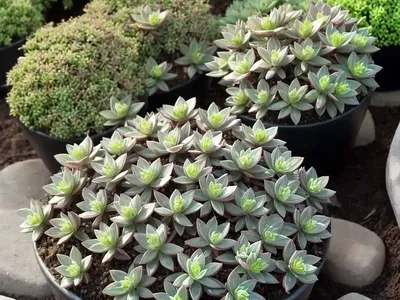
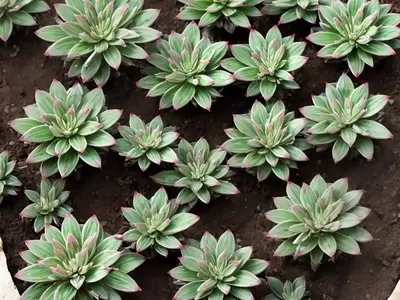
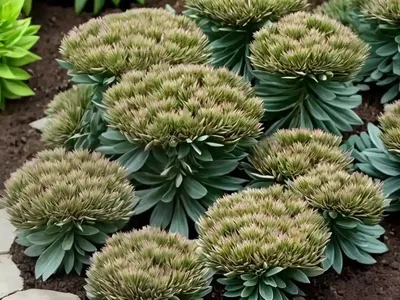
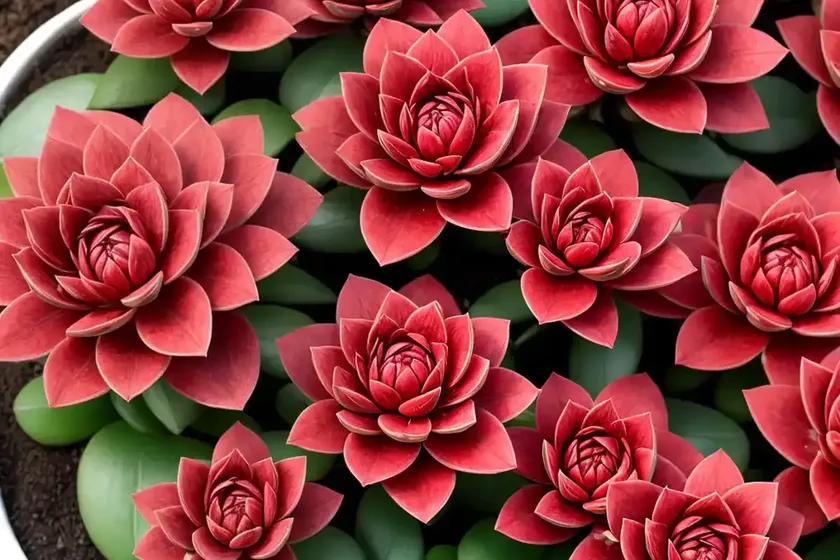
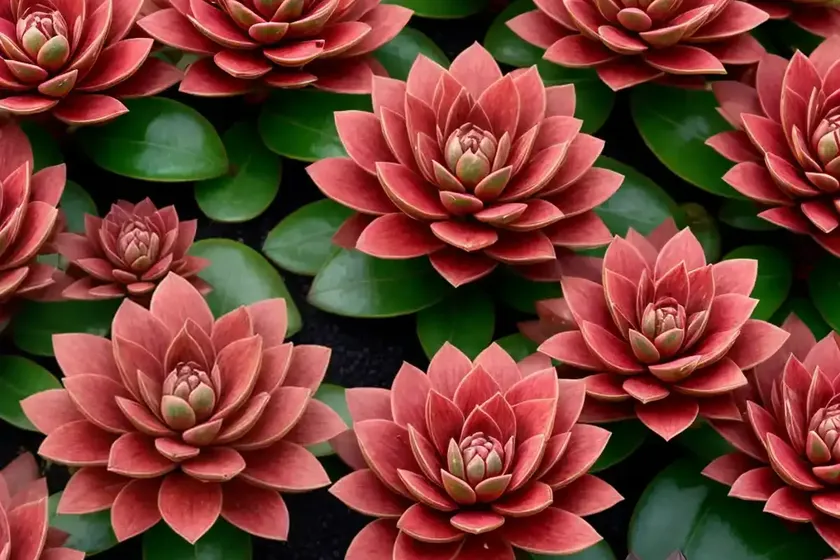
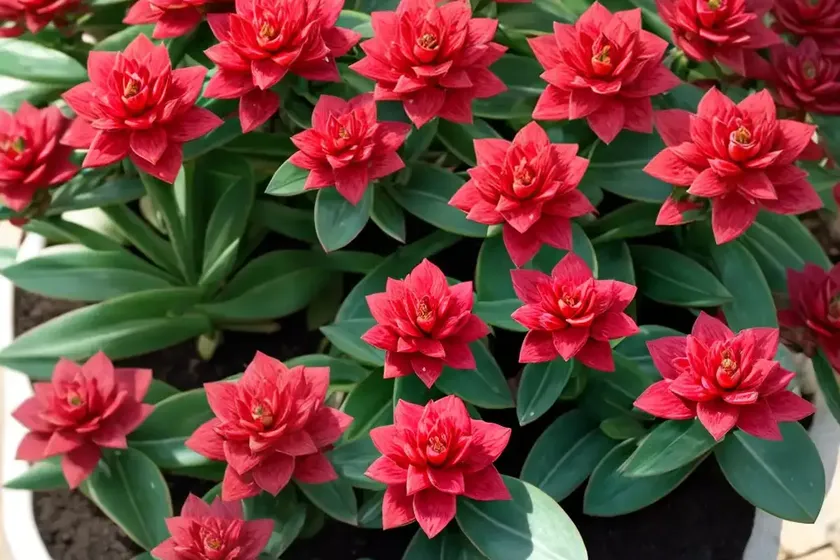
Crassula capitella ‘Red Pagoda’ is a species of succulent plant that belongs to the Crassulaceae family. Native to southern Africa, particularly in countries like Namibia and South Africa, this plant is characterized by its tightly stacked, triangular leaves that form a pagoda-like structure, hence its popular name, “Red Pagoda.” The plant’s leaves transition from a bright green color to a striking red or burgundy hue when exposed to stress or under certain environmental conditions.
Key Takeaways
Before we delve into the specific care requirements and characteristics of Crassula capitella ‘Red Pagoda,’ let’s highlight some key takeaways about this unique succulent:
- Common Name: Red Pagoda
- Scientific Name: Crassula capitella
- Family: Crassulaceae
- Native Habitat: Southern Africa
- Distinct Feature: Pagoda-like arrangement of leaves
- Color Variations: Green transitioning to red or burgundy
- Cultural Uses: Ornamental plant, indoor and outdoor landscaping
- Low-Maintenance: Suitable for beginner gardeners
Now that we have a general understanding of the Red Pagoda plant, let’s explore the specific aspects of its care and maintenance to help it thrive in various gardening environments.
Plant Care Guide
Caring for Crassula capitella ‘Red Pagoda’ encompasses various factors, including its water and sunlight requirements, soil preferences, fertilization needs, and propagation methods. Additionally, understanding potential diseases and pests that may affect the plant is crucial for its long-term health. Let’s delve into each of these aspects in detail.
Water
Proper watering is crucial for the health and vitality of Crassula capitella ‘Red Pagoda.’ As a succulent plant, it is important to strike a balance between providing adequate moisture and avoiding waterlogged conditions, which can lead to root rot. Here are some essential tips for watering the Red Pagoda:
- Frequency: Water the plant when the soil has dried out completely. During the active growing season, typically spring and summer, water the plant thoroughly and allow excess water to drain from the bottom of the pot.
- Soil Moisture: Ensure that the soil dries out between watering sessions. Succulents are adapted to withstand periods of drought, so it’s preferable to underwater rather than overwater.
- Winter Care: Reduce watering during the plant’s dormant phase in winter. Suspend fertilization during this time as well.
Sunlight
Proper sunlight exposure plays a crucial role in the growth and coloration of Crassula capitella ‘Red Pagoda.’ Here are some key points to consider regarding the plant’s sunlight needs:
- Light Requirements: The Red Pagoda plant thrives in bright, indirect sunlight. It benefits from at least four to six hours of sunlight per day.
- Indoor Placement: If grown indoors, place the plant near a south-facing window to ensure it receives sufficient sunlight. Alternatively, artificial grow lights can be utilized to supplement natural light.
- Outdoor Cultivation: When grown outdoors, ensure that the plant is provided with partial to full sunlight, depending on the local climate.
Fertilizer
While succulents are not heavy feeders, providing them with the necessary nutrients is essential for their overall health and growth. Here are some guidelines for fertilizing Crassula capitella ‘Red Pagoda’:
- Fertilization Schedule: During the active growing season in spring and summer, fertilize the plant with a balanced, water-soluble fertilizer diluted to half or quarter strength. Limit fertilization during the plant’s dormant phase in winter.
Soil
Choosing the right type of soil is vital for the success of Crassula capitella ‘Red Pagoda.’ Well-draining soil that allows for adequate aeration and prevents waterlogging is essential. Consider the following soil recommendations:
- Succulent Potting Mix: Opt for a specialized succulent or cactus potting mix that is designed to provide the proper drainage and aeration required by succulent plants.
- Amendments: You can further improve soil drainage by adding materials such as perlite or coarse sand to the potting mix.
Pruning
Pruning helps maintain the attractive pagoda-like structure of Crassula capitella ‘Red Pagoda’ and promotes healthy growth. Here are some key points to consider when pruning the plant:
- Maintenance Pruning: Remove any dead, damaged, or withered leaves to maintain the overall appearance of the plant.
- Propagation: Pruning can also be a method for propagating new Red Pagoda plants. The cuttings obtained from pruning can be utilized for propagation, as discussed in the next section.
Propagation
Propagating Crassula capitella ‘Red Pagoda’ can be an exciting way to expand your succulent collection or share the plant with fellow gardening enthusiasts. Here are several methods for propagating the Red Pagoda plant:
- Leaf Cuttings: One of the most common methods of propagation involves taking leaf cuttings, allowing them to callous over, and then planting them in a suitable potting mix to encourage root development.
- Stem Cuttings: Stem segments can also be cut and propagated in a similar manner as leaf cuttings to generate new plants.
- Division: If the plant has multiple offsets or rosettes, they can be carefully divided and planted individually to produce new plants.
Container Popularity
The compact and visually appealing nature of Crassula capitella ‘Red Pagoda’ makes it a popular choice for container gardening. Whether grown in small pots on windowsills or as part of larger succulent arrangements, the plant’s versatility and low maintenance requirements lend themselves well to container cultivation.
Container Common Diseases
While Crassula capitella ‘Red Pagoda’ is generally resistant to most common succulent diseases, certain issues may arise, particularly when environmental conditions are unfavorable. Here are some potential diseases and symptoms to be aware of:
- Root Rot: Overwatering or poor drainage can lead to root rot, characterized by wilting, yellowing, or softening of the leaves.
- Powdery Mildew: In humid conditions, the plant may be susceptible to powdery mildew, appearing as white, powdery patches on the leaves.
Disease Diagnosis
Accurately diagnosing and addressing potential diseases is crucial for maintaining the health of Crassula capitella ‘Red Pagoda.’ Here are some steps to consider when identifying and addressing plant diseases:
- Symptom Observation: Carefully observe the plant for any changes in leaf color, texture, or overall appearance.
- Research: Utilize reputable resources and guides to identify common plant diseases and their symptoms.
- Treatment: Once diagnosed, take appropriate measures such as adjusting watering practices, improving air circulation, or utilizing targeted treatments to address the specific disease.
Common Pests
Succulent plants, including Crassula capitella ‘Red Pagoda,’ can be susceptible to certain pests that may affect their growth and overall health. Here are some common pests to watch out for:
- Mealybugs: These small, white, cottony insects can cluster on the leaves and stems, sucking the plant’s juices and causing damage.
- Spider Mites: These tiny pests can create fine webbing on the plant and cause stippling or discoloration of the leaves.
Botanist’s Tips
As a plant scientist with a passion for succulents, I’ve gathered some additional insights and tips for successfully growing and caring for Crassula capitella ‘Red Pagoda’:
- Observation: Regularly observe your Red Pagoda plant to stay attuned to its specific needs. Pay attention to any changes in growth patterns, leaf color, or overall health.
- Adaptation: Understand that each plant may respond differently to its environment. It’s essential to adjust care practices based on the individual plant’s requirements.
Fun Facts
To further appreciate the uniqueness of Crassula capitella ‘Red Pagoda,’ let’s explore some fascinating and little-known facts about this captivating succulent:
- Stress-Induced Coloration: The transition of the plant’s leaves from green to red is a defense mechanism in response to environmental stressors such as intense sunlight or temperature fluctuations, contributing to its striking appearance.
- Natural Habitat: In its native habitat of southern Africa, Red Pagoda plants can often be found growing on rocky outcrops and cliffs, showcasing their resilience in challenging environments.
Links to External Resources
To continue your journey of understanding and cultivating Crassula capitella ‘Red Pagoda,’ I recommend exploring additional resources from reputable sources:
- The Spruce – Red Pagoda Plant Care
- [World of Succulents – Crassula Capitella ‘Red Pagoda’] (https://worldofsucculents.com/crassula-capitella-red-pagoda/)
- Gardenia – Crassula Capitella ‘Red Pagoda’ (Red Pagoda)
Conclusion
In conclusion, Crassula capitella ‘Red Pagoda’ is a stunning succulent with unique characteristics that make it an excellent addition to any indoor or outdoor garden. By understanding its specific cultural needs, potential issues, and propagation methods, you can create an environment where this captivating plant can thrive. Whether you’re a beginner gardener or an experienced plant enthusiast, the Red Pagoda’s low-maintenance nature and striking visual appeal make it a delightful addition to any collection. By following the guidance provided in this comprehensive care guide, you can embark on a rewarding journey of cultivating and appreciating the beauty of Crassula capitella ‘Red Pagoda.’
Remember to continue learning and exploring as you care for your Red Pagoda plant, and don’t hesitate to seek advice from fellow gardeners and reliable resources to enhance your knowledge and skills in succulent gardening.