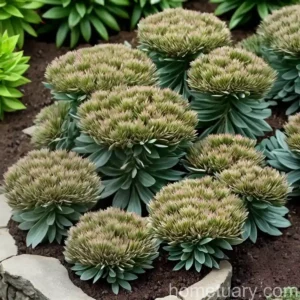
Crassula capitella ‘Campfire’: A Complete Guide to Care and Cultivation
Crassula capitella ‘Campfire’ is a captivating succulent plant that has gained immense popularity among plant enthusiasts. Known for its vibrant coloration and low maintenance requirements, it has become a favorite for both indoor and outdoor plantings. In this guide, we will delve into the various aspects of caring for and cultivating Crassula capitella ‘Campfire’. We will cover its growth habits, water and sunlight needs, soil conditions, propagation techniques, container gardening tips, potential diseases and pests, and much more. By the end of this comprehensive guide, you will have all the knowledge needed to ensure the thriving success of your Crassula capitella ‘Campfire’ plants.
What is Crassula capitella ‘Campfire’?
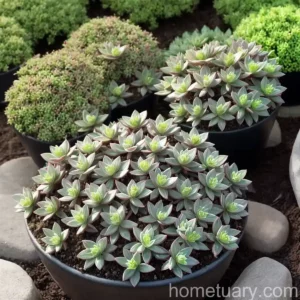
Crassula capitella ‘Campfire’, commonly known as Campfire Crassula, is a striking succulent that belongs to the Crassulaceae family. Native to South Africa, it is favored for its vibrant foliage, which transitions from bright green to brilliant shades of red and orange, resembling the colors of a campfire, hence its name. This succulent is cultivated for its ornamental value and is often used in arrangements, landscapes, and rock gardens to add a splash of color and texture.
Key Takeaways
- Plant Name: Crassula capitella ‘Campfire’
- Family: Crassulaceae
- Common Name: Campfire Crassula
- Origin: South Africa
- Foliage Color: Bright green transitioning to red and orange
- Ornamental Use: Landscapes, rock gardens, containers
- Low Maintenance: Well-suited for beginner gardeners
- Drought Tolerance: Thrives in arid conditions
Culture of Crassula capitella ‘Campfire’
Understanding the culture and specific needs of Crassula capitella ‘Campfire’ is crucial for successfully growing and maintaining this stunning succulent.
Uses
The vibrant coloration and trailing growth habit of Crassula capitella ‘Campfire’ make it a versatile plant with various uses:
- Outdoor Landscaping: Its striking coloration makes it an eye-catching addition in outdoor landscapes and rock gardens.
- Container Gardening: Excellent for cascading over the edges of containers, adding texture and interest to mixed succulent arrangements.
- Indoor Decor: Ideal for adding a pop of color to indoor spaces, such as shelves, windowsills, or hanging planters.
- Xeriscaping: Well-suited for water-wise gardening and drought-tolerant landscaping.
Water
Proper watering is essential for the health and vitality of Crassula capitella ‘Campfire’. Understanding its watering needs is crucial to prevent overwatering or underwatering, both of which can have detrimental effects on the plant.
- Watering Requirements: Allow the soil to dry out between waterings. Water thoroughly, but ensure proper drainage to prevent waterlogged conditions.
- Drought Tolerance: Despite being drought-tolerant, consistent watering during the growing season promotes healthy growth.
Sunlight
Like many succulents, Crassula capitella ‘Campfire’ thrives in bright sunlight and warm conditions. Understanding its sunlight requirements is essential for promoting optimal growth and vibrant coloration.
- Sunlight Needs: Flourishes in full sun to partial shade. Adequate sunlight enhances the intensity of its red and orange hues.
- Indoor Lighting: Place in a bright, sunny location indoors, such as a south-facing window or under grow lights.
Fertilizer
While Crassula capitella ‘Campfire’ is relatively low-maintenance, providing occasional fertilization can enhance its growth and coloration.
- Fertilizing Schedule: Feed with a balanced, diluted succulent fertilizer during the growing season (spring and summer). Reduce or eliminate fertilization during the dormant winter period.
- Frequency: Fertilize once a month, following the manufacturer’s recommendations for dilution and application.
Soil
The right soil conditions are essential for the health and vitality of Crassula capitella ‘Campfire’. Well-draining soil is crucial to prevent issues such as root rot.
- Soil Type: Plant in a well-draining succulent or cactus mix. Alternatively, create a custom mix by combining regular potting soil with perlite or coarse sand.
- Soil pH: Prefers slightly acidic to neutral soil pH in the range of 6.0 to 7.0.
Pruning
Pruning aids in maintaining the desired shape and size of Crassula capitella ‘Campfire’, as well as promoting bushy growth and preventing legginess.
- Pruning Technique: Use clean, sharp scissors or pruning shears to trim the stems as needed. Regularly pinching back the stems can encourage branching and denser growth.
- Propagation: The trimmed cuttings can be utilized to propagate new plants, offering an additional way to expand your Crassula capitella ‘Campfire’ collection.
Propagation
Expanding your collection of Crassula capitella ‘Campfire’ can be achieved through simple propagation techniques.
- Propagation Methods: This succulent can be propagated from stem cuttings or leaf cuttings. Both methods are effective, with leaf cuttings often leading to the development of new offsets.
Container Popularity
Crassula capitella ‘Campfire’ is a popular choice for container gardening due to its trailing, cascading growth habit and ornamental foliage.
- Container Gardening: Ideal for hanging baskets, mixed succulent containers, or as a stand-alone feature in decorative pots.
- Container Size: Choose a well-draining container slightly larger than the root ball to accommodate its growth while preventing waterlogging.
Common Diseases
While Crassula capitella ‘Campfire’ is relatively resilient, it is susceptible to certain diseases that can impact its health if not addressed promptly.
Disease Diagnosis
- Root Rot: Caused by overwatering or poorly-draining soil, leading to the decay of the roots. Symptoms include wilting, discoloration, and mushy, blackened roots.
- Powdery Mildew: Fungal disease characterized by the presence of white powdery patches on the foliage. It thrives in humid conditions and can weaken the plant if left untreated.
Common Pests
Several pests pose a threat to the health and appearance of Crassula capitella ‘Campfire’, requiring vigilance and prompt management.
- Mealybugs: Small, white, cottony insects that cluster on the stems and leaf axils, sucking sap from the plant.
- Aphids: Tiny, soft-bodied insects that can colonize the succulent, causing distortion and yellowing of the leaves.
- Spider Mites: These pests are not easily visible to the naked eye but can cause stippling and webbing on the foliage, leading to a weakened appearance.
Botanist’s Tips
- Protect from Frost: Crassula capitella ‘Campfire’ is not frost-tolerant and should be moved indoors or provided with adequate protection during cold spells.
- Monitor Watering: Avoid overwatering, especially during the dormant winter period, as this can lead to root rot.
- Regular Inspection: Routinely check your plants for signs of pests and diseases to address any issues promptly and prevent widespread infestations or infections.
- Rotating for Even Growth: If grown indoors, periodically rotate the plant to ensure even exposure to sunlight and prevent lopsided growth.
Fun Facts
- With its striking coloration and low maintenance needs, Crassula capitella ‘Campfire’ is often used in fire-themed gardens or succulent arrangements to mimic the appearance of flickering flames.
- In its natural habitat of South Africa, Crassula capitella ‘Campfire’ adapts to arid conditions and rocky terrain, showcasing its resilience and adaptability.
Links to External Resources
For further information on Crassula capitella ‘Campfire’ care, propagation, and cultivation, you can refer to the following resources:
- Succulent Plant Care: A Comprehensive Guide
- The Sill: Indoor Plant Care Resource
- Succulent Propagation Techniques
In this guide, we have explored the various aspects of caring for and cultivating Crassula capitella ‘Campfire’. From its growth habits and watering needs to soil conditions and common pests, every element of plant care has been thoroughly covered. By applying the insights and tips provided in this guide, you can ensure the thriving success of your Crassula capitella ‘Campfire’ plants, whether they adorn your indoor spaces or enhance your outdoor landscapes.