Crassula Buddha’s Temple (Crassula ‘Buddha’s Temple’)
In the world of ornamental plants, there’s no shortage of varieties to choose from, each with its unique charm and specific care requirements. One such.
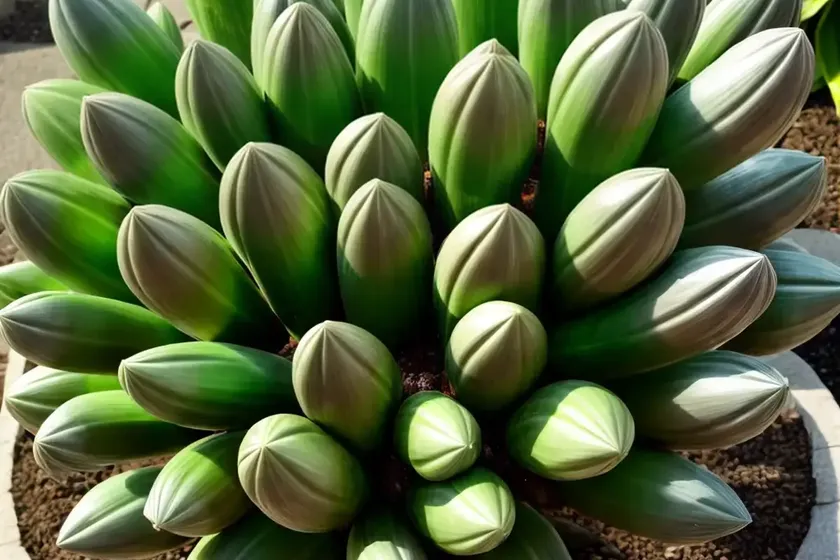
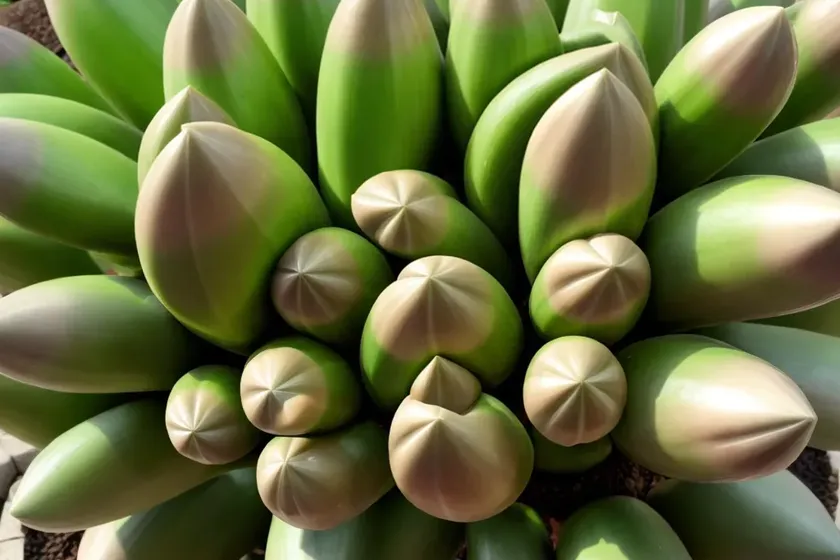
In the world of ornamental plants, there’s no shortage of varieties to choose from, each with its unique charm and specific care requirements. One such plant that has been gaining popularity among gardeners and indoor plant enthusiasts is the Crassula Buddha’s Temple (Crassula ‘Buddha’s Temple’). This striking succulent is known for its eye-catching appearance and relatively low maintenance, making it a desirable addition to any plant collection.
As a plant scientist passionate about exploring different plant species and their cultivation, I’m excited to delve into the intricate details of the Crassula Buddha’s Temple. In this comprehensive guide, we will cover the plant’s cultural preferences, uses, propagation methods, care tips, common diseases, and much more. Whether you’re a seasoned plant enthusiast or just starting your plant care journey, this article will equip you with the knowledge and insights to grow and care for Crassula Buddha’s Temple successfully.
What is Crassula Buddha’s Temple (Crassula ‘Buddha’s Temple’)?
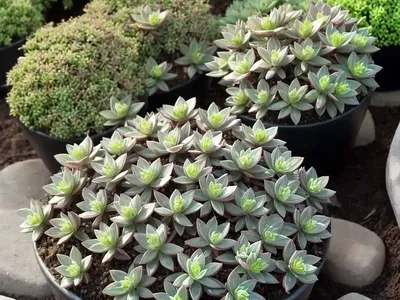
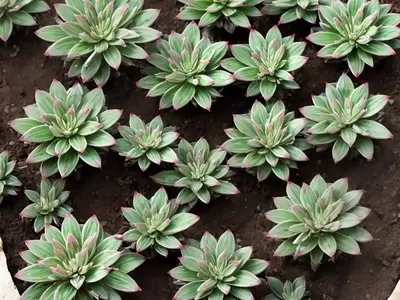
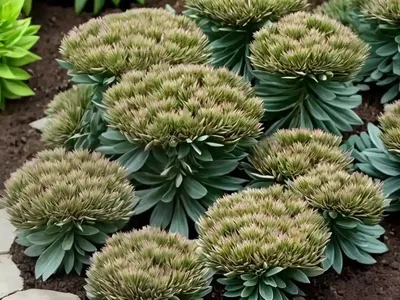
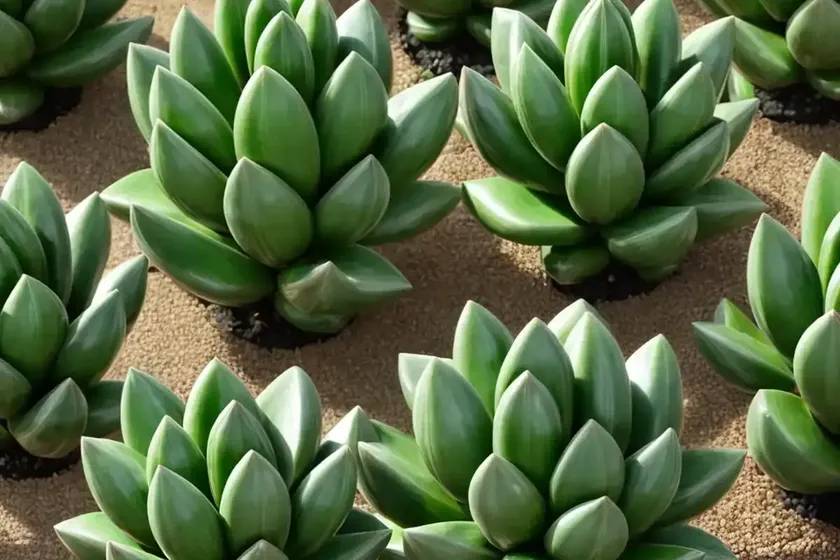
The Crassula Buddha’s Temple, scientifically known as Crassula ‘Buddha’s Temple’, is a cultivar of the Crassula ovata species. This unique succulent is characterized by its compact, stacked triangular leaves that resemble a miniature pagoda, giving it an architectural and visually appealing appearance. Its distinctive growth pattern and the ability to thrive in various growing conditions make it a sought-after plant for both indoor and outdoor settings.
Key Takeaways – Crassula Buddha’s Temple (Crassula ‘Buddha’s Temple’)
Before we dive deeper into the care and cultivation of Crassula Buddha’s Temple, let’s highlight the key takeaways summarized from our in-depth exploration of this remarkable succulent:
- Plant Name: Crassula Buddha’s Temple (Crassula ‘Buddha’s Temple’)
- Scientific Name: Crassula ovata ‘Buddha’s Temple’
- Plant Type: Succulent
- Distinctive Feature: Pagoda-like stacked leaves
- Growth Habit: Compact and architectural
- Cultural Preferences: Moderate water, bright light, well-draining soil
- Propagation: Stem cuttings, leaf cuttings
- Common Uses: Indoor and outdoor ornamental plant, container gardening
- Popularity: Increasing popularity in the plant enthusiast community
- Common Diseases: Root rot, leaf spot
- Common Pests: Mealybugs, spider mites
- Fun Facts: Resilient plant, adaptable to various environments
Now, let’s delve into each aspect of cultivating and caring for Crassula Buddha’s Temple in more detail.
Culture
Understanding the cultural requirements of Crassula Buddha’s Temple is essential for ensuring its optimal growth and overall health. Let’s explore the key cultural aspects such as water, sunlight, fertilizer, soil, and pruning that are crucial for the well-being of this unique succulent.
Water
Succulents, including Crassula Buddha’s Temple, have specific water needs due to their ability to store water in their leaves and stems. Overwatering can lead to root rot, while underwatering can cause dehydration and poor growth. Finding the right balance is key to supporting the plant’s thriving development.
Watering Needs of Crassula Buddha’s Temple:
- Frequency: Water thoroughly when the soil is dry to the touch, typically every 7-10 days during the growing season and reduce frequency during the plant’s dormancy period.
- Watering Technique: Allow excess water to drain freely from the pot to prevent waterlogging, and avoid leaving the plant in standing water.
Fun Fact:
The ability of succulents like Crassula Buddha’s Temple to retain water in their leaves enables them to survive in arid environments with limited water availability.
Sunlight
Proper sunlight exposure is vital for the growth and development of Crassula Buddha’s Temple. As a succulent, it thrives in bright light conditions, but some care should be taken to prevent sunburn, especially for indoor plants.
Sunlight Requirements for Crassula Buddha’s Temple:
- Indoor Placement: Place the plant near a south or west-facing window to provide it with bright indirect sunlight. Be cautious of intense afternoon sun, which may cause leaf burn.
- Outdoor Placement: If grown outdoors, provide partial to full sun depending on the climate. In extremely hot regions, partial shade during the hottest part of the day can be beneficial.
Fertilizer
While succulents are not heavy feeders, they can benefit from occasional fertilization to support their growth and vitality. Choosing the right type of fertilizer and applying it at the appropriate frequency is crucial for maintaining the health of Crassula Buddha’s Temple.
Crassula Buddha’s Temple Fertilizer Needs:
- Type: Use a balanced, water-soluble fertilizer formulated for succulents or a diluted, balanced liquid fertilizer during the growing season.
- Frequency: Fertilize every 4-6 weeks during the active growing period, and avoid fertilizing during the plant’s dormancy phase.
Soil
The selection of well-draining soil is fundamental for succulents like Crassula Buddha’s Temple. Proper soil composition plays a significant role in preventing waterlogged conditions that can lead to root rot.
Best Soil for Crassula Buddha’s Temple:
- Composition: Use a well-draining succulent or cactus potting mix with added perlite or coarse sand to enhance drainage and aeration.
- pH Level: Aim for a mildly acidic to slightly alkaline soil pH range (6.0-7.5) to support optimal nutrient uptake.
Botanist’s Tips:
Creating a custom soil mix by blending regular potting soil, coarse sand, and perlite in a 2:1:1 ratio can provide an excellent growing medium for Crassula Buddha’s Temple.
Pruning
Pruning succulents is generally minimal compared to other plant types, but occasional maintenance can help promote a tidy appearance and encourage healthy growth.
Pruning Crassula Buddha’s Temple:
- Removing Dead or Yellowing Leaves: Gently pluck or trim any damaged or discolored leaves to maintain the plant’s overall aesthetic and health.
- Pinching Back: If the plant becomes leggy or stretched, pinching back the stems can promote bushier growth.
Uses
Crassula Buddha’s Temple serves various purposes in both indoor and outdoor settings, making it a versatile and multifunctional plant for plant enthusiasts and landscapers alike.
Common Uses:
- Indoor Ornamental Plant: Its compact growth habit and unique appearance make it an ideal addition to indoor plant collections, terrariums, and succulent arrangements.
- Container Gardening: Suitable for container plantings on patios, balconies, or as part of a succulent display.
- Outdoor Landscaping: Adds interest to rock gardens, xeriscapes, and low-water landscape designs.
Container Popularity:
The compact and architecturally appealing nature of Crassula Buddha’s Temple makes it a popular choice for container gardening, allowing plant enthusiasts to create stunning and space-efficient displays.
Container Common Diseases:
While growing in containers offers numerous advantages, it’s important to be mindful of potential diseases that can affect potted plants like Crassula Buddha’s Temple.
Disease Diagnosis:
- Root Rot: Overwatering or poorly draining soil can lead to root rot, characterized by mushy, discolored roots and wilting foliage.
- Leaf Spot: Fungal diseases can cause dark or water-soaked spots on the leaves, leading to leaf yellowing and defoliation if left untreated.
Disease Prevention and Treatment:
To prevent diseases, ensure proper watering and well-draining soil. If symptoms of disease appear, consider adjusting the watering regimen and applying appropriate fungicidal treatments if necessary.
Propagation
The ability to propagate Crassula Buddha’s Temple through various methods allows plant enthusiasts to expand their plant collection and share this captivating succulent with fellow gardening enthusiasts. Let’s explore the propagation techniques commonly used for this plant.
Propagation Methods:
- Stem Cuttings: Select healthy stem cuttings and allow them to callus before planting in a well-draining rooting medium. Provide gentle moisture and indirect light until roots develop.
- Leaf Cuttings: Gently twist or cut healthy leaves from the plant, allow them to callus, and then place them on a suitable substrate to root.
Fun Facts about Crassula Buddha’s Temple:
- The name “Buddha’s Temple” is inspired by the plant’s unique pagoda-like leaf arrangement, which resembles the traditional architecture found in Buddhist temples.
- Crassula Buddha’s Temple is considered an auspicious plant in some cultures and is often associated with positive energy and good fortune.
- Due to its architectural form, Crassula Buddha’s Temple has gained popularity in the practice of miniature gardening and fairy garden designs, adding a whimsical touch to these creations.
Conclusion
In concluding this comprehensive guide to Crassula Buddha’s Temple (Crassula ‘Buddha’s Temple’), we have explored the various aspects of cultivating, caring for, and appreciating this unique succulent. From its distinct cultural preferences to its propagation methods and common uses, the plant has undoubtedly captured the attention and admiration of plant enthusiasts worldwide.
Understanding the intricate details of caring for Crassula Buddha’s Temple is essential for fostering its optimal growth and ensuring its longevity. By incorporating the insights shared in this guide, you can embark on a rewarding journey of cultivating and tending to this captivating succulent, adding a touch of elegance and tranquility to your indoor or outdoor spaces.
As a plant scientist dedicated to exploring the diverse world of plants, I encourage you to continue discovering and nurturing various plant species, each with its unique beauty and charm. By fostering a deep appreciation for the plant world, we can enrich our lives and surroundings while contributing to the preservation of botanical diversity.
In the context of Crassula Buddha’s Temple, from its symbolic significance to its adaptability as a houseplant, this remarkable succulent offers a wealth of opportunities for exploration and appreciation. Embrace the wonder of nature and the remarkable diversity of plant life, and may your journey with Crassula Buddha’s Temple be filled with joy, tranquility, and a thriving greenery.
[You can find more information on Crassula Buddha’s Temple and its care on the following external resources:]
1. Crassula Buddha’s Temple Care Guide – The Plant Encyclopedia
2. How to Grow and Propagate Crassula ‘Buddha’s Temple’ – Gardening Know How
3. Succulent Plant Soil pH Preferences – University of Florida IFAS Extension
4. Crassula Buddha’s Temple: A Guide to Care and Cultivation – The Spruce