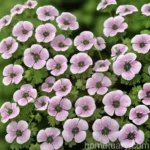
Cranesbill (Geranium x oxonianum ‘Claridge Druce’)
Cranesbill (Geranium x oxonianum ‘Claridge Druce’) is a beautiful and versatile perennial plant that has gained popularity for its attractive foliage and delicate flowers. This plant belongs to the family Geraniaceae and is a hybrid of Geranium endressii and Geranium versicolor. ‘Claridge Druce’ is known for its hardiness and ability to thrive in various growing conditions, making it a favored choice for gardeners and landscapers alike.
In this comprehensive guide, we will explore the various aspects of cranesbill (Geranium x oxonianum ‘Claridge Druce’), including its culture, uses, care requirements, propagation methods, common diseases and pests, and much more. Whether you are a seasoned gardener or a novice plant enthusiast, this article aims to provide you with valuable insights into cultivating and enjoying the beauty of this remarkable plant.
Key Takeaways
Before delving into the specifics of cranesbill (Geranium x oxonianum ‘Claridge Druce’), let’s briefly highlight the key takeaways of this plant:
- Plant Name: Cranesbill (Geranium x oxonianum ‘Claridge Druce’)
- Botanical Family: Geraniaceae
- Common Names: Geranium ‘Claridge Druce’, Oxonianum geraniums, Hardy geraniums
- Type: Perennial
- Uses: Ornamental, ground cover, border plant, container plant
- Water: Moderate watering needs
- Sunlight: Partial shade to full sun
- Soil: Well-draining, fertile soil
- Pruning: Trim back after flowering to encourage new growth
- Propagation: Division, seeds
- Popularity: Widely cultivated for its attractive foliage and flowers
- Common Diseases: Powdery mildew, rust, leaf spot
- Common Pests: Aphids, spider mites
- Fun Facts: Cranesbill flowers are often used in floral arrangements due to their delicate appearance.
Now, let’s explore each of these aspects in detail to gain a comprehensive understanding of cranesbill (Geranium x oxonianum ‘Claridge Druce’).
Culture
Uses
Cranesbill (Geranium x oxonianum ‘Claridge Druce’) is primarily valued for its ornamental uses in gardens and landscapes. Some of the common uses of this plant include:
-
Ground Cover: ‘Claridge Druce’ geraniums are often used as ground cover due to their sprawling growth habit and dense foliage.
-
Border Plant: With its attractive blooms and low-maintenance nature, this cranesbill variety is a popular choice for border plantings in gardens and along pathways.
-
Container Plant: The compact size and attractive foliage of ‘Claridge Druce’ make it well-suited for container gardening, adding visual interest to patio and balcony spaces.
Water
Proper watering is essential for the healthy growth and development of cranesbill (Geranium x oxonianum ‘Claridge Druce’). Although these plants are known for their hardiness, consistent moisture is crucial, especially during the active growing season. Here are some general guidelines for watering ‘Claridge Druce’ geraniums:
- Established Plants: Water deeply and infrequently, allowing the soil to dry out slightly between waterings.
- Young Plants: Newly planted or young cranesbill specimens may require more frequent watering to help them establish their root systems.
Sunlight
Cranesbill (Geranium x oxonianum ‘Claridge Druce’) thrives in partial to full sun conditions. To ensure optimal growth and flowering, it is essential to provide the plant with the appropriate sunlight exposure. Here are some key points to consider regarding sunlight requirements:
-
Partial Shade: ‘Claridge Druce’ geraniums can tolerate partial shade, especially in hot summer climates where some protection from intense afternoon sun may be beneficial.
-
Full Sun: While the plant can thrive in partial shade, it also performs well in full sun conditions, provided that an adequate moisture supply is maintained.
Fertilizer
Applying a balanced fertilizer can help support the healthy growth and blooming of cranesbill (Geranium x oxonianum ‘Claridge Druce’). Here are some fertilizer tips for this plant:
-
Timing: Apply a balanced, all-purpose fertilizer in early spring as new growth emerges.
-
Frequency: Reapply fertilizer every 6-8 weeks during the growing season to provide ongoing nourishment.
-
Dilution: Follow the manufacturer’s recommendations for dilution and application rates to avoid over-fertilization.
Soil
Well-draining and fertile soil is essential for the successful cultivation of ‘Claridge Druce’ geraniums. When it comes to soil preferences, consider the following:
-
Composition: A loamy, well-draining soil with a slightly acidic to neutral pH is ideal for cranesbill (Geranium x oxonianum ‘Claridge Druce’).
-
Amendments: Incorporating organic matter such as compost or well-rotted manure into the planting area can enhance soil structure and fertility.
-
Container Planting: When planting in containers, choose a high-quality potting mix that provides good drainage and aeration.
Pruning
Pruning plays a vital role in maintaining the health, vigor, and aesthetic appeal of cranesbill (Geranium x oxonianum ‘Claridge Druce’). Proper pruning practices can help prolong the plant’s flowering period and prevent overcrowding. Here are some pruning guidelines for ‘Claridge Druce’ geraniums:
-
Deadheading: Remove spent flowers regularly to promote continuous blooming and prevent self-seeding.
-
Post-Flowering Trim: After the main flowering period, trim back the plant to encourage new growth and potential reblooming.
-
Renewal Pruning: Every few years, consider dividing and rejuvenating older clumps to maintain vigor and prevent overcrowding.
Propagation
Propagating cranesbill (Geranium x oxonianum ‘Claridge Druce’) can be achieved through division or seeds. Both methods have their unique advantages and considerations. Let’s explore the propagation techniques for this plant:
Division
Dividing established clumps of ‘Claridge Druce’ geraniums is a reliable and straightforward method for propagation. Here’s a basic guide to dividing and transplanting cranesbill plants:
-
Timing: The ideal time for division is in early spring or early fall when the plant is not in active growth.
-
Process: Carefully dig up the clump, ensuring that you include a generous portion of the root system. Gently separate the clump into smaller sections, each containing healthy roots and shoots. Replant the divisions at the appropriate spacing and water thoroughly.
-
Care: Keep the newly divided plants consistently moist until they become established in their new locations.
Seeds
While less commonly used than division, propagating ‘Claridge Druce’ geraniums from seeds can be an interesting and rewarding process. Here are some key points to consider when sowing geranium seeds:
-
Starting Indoors: Start the seeds indoors in late winter or early spring, as geraniums generally benefit from an early start to their growing season.
-
Seed Preparation: Lightly scarify the seeds or soak them in warm water for a few hours before sowing to enhance germination.
-
Growing Medium: Use a well-draining seed starting mix and lightly cover the seeds with a thin layer of soil. Maintain consistent moisture and warmth to support germination.
-
Transplanting: Once the seedlings have developed several sets of true leaves, they can be transplanted into individual pots or the garden.
Container Popularity
The versatility and compact growth habit of ‘Claridge Druce’ geraniums make them well-suited for container gardening. Whether displayed on patios, balconies, or incorporated into mixed container arrangements, these plants can provide lasting beauty throughout the growing season. Here are some considerations for growing cranesbill in containers:
-
Container Size: Choose a container that provides ample room for the plant’s root system to spread and establish. Ensure that the container has drainage holes to prevent waterlogging.
-
Potting Mix: Select a high-quality potting mix that offers good drainage and aeration. Consider amending the mix with perlite or coarse sand for improved drainage.
-
Maintenance: Container-grown ‘Claridge Druce’ geraniums may require more frequent watering and fertilization compared to those grown in the ground. Monitor soil moisture levels and adjust watering accordingly.
Common Diseases
Like any other plant, cranesbill (Geranium x oxonianum ‘Claridge Druce’) may be susceptible to certain diseases, including powdery mildew, rust, and leaf spot. Recognizing the symptoms and taking appropriate preventive measures can help mitigate the impact of these diseases. Here’s a brief overview of common geranium diseases:
-
Powdery Mildew: This fungal disease manifests as powdery, white patches on the leaves and stems. To prevent powdery mildew, provide adequate air circulation and avoid overhead watering, especially in humid conditions.
-
Rust: Rust can cause orange, reddish-brown pustules on the undersides of leaves. Remove and destroy affected plant parts, and consider applying preventative fungicidal sprays if rust has been a recurring issue.
-
Leaf Spot: Leaf spot diseases may present as circular, dark lesions on the foliage. To manage leaf spot, practice good sanitation by removing and disposing of affected leaves, and avoid overhead watering.
Disease Diagnosis
When diagnosing diseases in ‘Claridge Druce’ geraniums, careful observation of the plant’s symptoms is crucial. Here are some tips for diagnosing and addressing common geranium diseases:
-
Symptom Recognition: Familiarize yourself with the typical symptoms of powdery mildew, rust, and leaf spot to identify potential disease issues early on.
-
Sample Collection: If you suspect a disease, carefully collect a sample of the affected plant parts, including leaves, stems, and flowers, for further examination.
-
Consultation: If in doubt, seek guidance from local extension services, master gardeners, or plant health professionals to accurately diagnose and address the issue.
Common Pests
In addition to diseases, cranesbill (Geranium x oxonianum ‘Claridge Druce’) may also attract certain pests that can impact the plant’s health and appearance. Some of the common pests to watch out for include aphids and spider mites. Understanding their behaviors and implementing appropriate measures can help manage pest infestations effectively.
-
Aphids: These small, soft-bodied insects can congregate on the undersides of leaves and flower buds, causing distorted growth and a sticky residue known as honeydew. Consider using insecticidal soaps or neem oil to control aphid populations.
-
Spider Mites: Spider mites are tiny arachnids that may spin fine webs on the plant’s foliage and suck sap from the leaves, leading to stippling and discoloration. Regularly spraying the undersides of leaves with a strong stream of water can help deter and manage spider mite infestations.
Botanist’s Tips
As a botanist specializing in ornamental plants, I often encounter questions and challenges related to cultivating and maintaining geraniums, including the popular ‘Claridge Druce’ variety. Here are some essential tips for growing and enjoying cranesbill (Geranium x oxonianum ‘Claridge Druce’):
-
Selecting Varieties: Explore the diverse range of geranium cultivars, including various color variations and growth habits, to find the perfect addition to your garden or landscape.
-
Companion Planting: Consider incorporating complementary plants such as catmint (Nepeta) or salvia to create visually appealing and pollinator-friendly garden designs.
-
Seasonal Maintenance: Stay proactive with seasonal maintenance tasks, such as deadheading, pruning, and division, to keep ‘Claridge Druce’ geraniums looking their best year after year.
-
Pollinator Support: Capitalize on the attractiveness of geraniums to bees, butterflies, and other pollinators by incorporating them into pollinator-friendly garden schemes.
Fun Facts
We can’t discuss cranesbill (Geranium x oxonianum ‘Claridge Druce’) without highlighting some intriguing and lesser-known facts about this charming plant:
-
Cranesbill Symbolism: Cranesbill flowers are often associated with positive symbolism, representing friendship, positive emotions, and lasting love in various cultures and traditions.
-
Floral Arrangements: The delicate and long-lasting nature of cranesbill blooms makes them a favorable choice for cut flower arrangements and floral crafts.
-
Herbal Uses: Some geranium species, including certain ornamental varieties, have historical and contemporary uses in herbal medicine for their astringent and aromatic properties.
-
Foliage Diversity: Beyond the attractive flowers, many geranium varieties, including ‘Claridge Druce’, are prized for their diverse foliage colors and patterns, adding visual interest to garden settings.
Links to External Resources
For further exploration and detailed information on cranesbill (Geranium x oxonianum ‘Claridge Druce’), I recommend referring to the following external resources:
- Royal Horticultural Society (RHS) – Geranium x oxonianum
- Missouri Botanical Garden – Perennial Geraniums
- University of Florida IFAS Extension – Geranium Culture
- The American Phytopathological Society – Geranium Diseases
These resources offer a wealth of knowledge and insights into the cultivation, care, and botanical characteristics of cranesbill (Geranium x oxonianum ‘Claridge Druce’).
In conclusion, cranesbill (Geranium x oxonianum ‘Claridge Druce’) stands as an exceptional addition to gardens and landscapes, offering captivating foliage, charming blooms, and enduring versatility. By understanding its culture, care requirements, and unique attributes, gardeners and plant enthusiasts can appreciate the enduring beauty and appeal of this remarkable perennial plant.
I hope this comprehensive guide has provided valuable information and inspiration for your journey in discovering and cultivating the enchanting world of cranesbill (Geranium x oxonianum ‘Claridge Druce’). Happy gardening and may your gardens bloom with the timeless allure of ‘Claridge Druce’ geraniums!