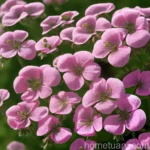
Plant Profile: Cranesbill (Geranium ‘Orion’)
Cranesbill, also known by its botanical name Geranium ‘Orion’, is a stunning perennial plant celebrated for its delicate flowers and vibrant foliage. This versatile plant is a favorite among gardeners and landscape enthusiasts due to its remarkable resilience and low-maintenance nature.
In this comprehensive guide, we will delve into every aspect of cranesbill (Geranium ‘Orion’), covering its culture, uses, care requirements, propagation, common diseases, pests, and much more. Whether you’re an experienced gardener or a novice enthusiast, this article will provide you with valuable insights into growing and nurturing this beautiful plant.
What is Cranesbill (Geranium ‘Orion’)?
Cranesbill, or Geranium ‘Orion’, is a hybrid variety of hardy geranium that belongs to the Geraniaceae family. This plant is a cross between Geranium himalayense and Geranium wallichianum, resulting in the stunning characteristics that set it apart.
The ‘Orion’ cultivar is renowned for its deeply cut, palmate leaves that offer an attractive backdrop for its striking violet-blue flowers. This plant typically blooms from late spring through to mid-summer, gracing gardens with an abundance of delicate blossoms.
With its compact growth habit and long flowering period, cranesbill (Geranium ‘Orion’) makes an excellent choice for borders, rock gardens, and containers. Its ability to thrive in various conditions and its minimal maintenance requirements further add to its appeal among gardeners.
Key Takeaways – Cranesbill (Geranium ‘Orion’)
Before we delve into the specifics of cranesbill (Geranium ‘Orion’), let’s highlight some key takeaways about this remarkable plant:
- Common Name: Cranesbill or Geranium ‘Orion’
- Plant Type: Perennial
- Flower Color: Violet-blue
- Foliage: Deeply cut, palmate leaves
- Blooming Period: Late spring to mid-summer
- Uses: Borders, rock gardens, containers
- Maintenance: Low-maintenance, resilient
- Resilience: Hardy and adaptable
- Attracts: Pollinators and beneficial insects
- Popularity: Highly favored by gardeners and landscapers
Now that we’ve established an overview of cranesbill (Geranium ‘Orion’), it’s time to explore the intricate details of its culture, uses, and cultivation requirements.
Culture
Understanding the cultural requirements of cranesbill (Geranium ‘Orion’) is essential for successfully growing and maintaining this plant. Let’s explore its needs in terms of water, sunlight, fertilizer, soil, and pruning.
Water
Cranesbill (Geranium ‘Orion’) thrives in moderately moist soil and generally does not require excessive watering once established. It is crucial to allow the soil to dry out slightly between waterings to prevent waterlogged conditions, which can lead to root rot.
Watering Tips:
- Water deeply but infrequently to encourage deep root growth.
- Adjust watering frequency based on the weather and soil moisture levels.
- Mulching around the plant can help retain soil moisture and reduce the need for frequent watering.
Sunlight
This hardy geranium variety favors partial to full sunlight, although it can tolerate light shade, especially in regions with intense summer heat. Providing adequate sunlight is crucial for promoting healthy growth and prolific flowering.
Sunlight Requirements:
- Aim for at least 6 hours of sunlight per day for optimum growth.
- In hot climates, partial shade during the hottest part of the day can benefit the plant.
- Ensure that the plant receives balanced sunlight to prevent leggy growth and maximize flower production.
Fertilizer
Cranesbill (Geranium ‘Orion’) is not particularly demanding when it comes to fertilizer. A balanced, slow-release fertilizer applied in spring as new growth emerges can provide the nutrients needed for robust development and abundant blooms.
Fertilization Tips:
- Use a general-purpose fertilizer with an NPK ratio of 10-10-10 or similar.
- Apply fertilizer sparingly to avoid excessive vegetative growth at the expense of flowering.
- Refrain from fertilizing in late summer to prevent tender growth that may be susceptible to cold damage.
Soil
The ideal soil for cranesbill (Geranium ‘Orion’) is well-draining and rich in organic matter. This plant is adaptable to various soil types but fares best in loamy, slightly acidic to neutral soils.
Soil Tips:
- Amend heavy or compacted soils with organic matter to improve drainage and aeration.
- Aim for a slightly acidic to neutral soil pH of 6.0 to 7.5 for optimal nutrient absorption.
- Consider performing a soil test to assess the soil’s nutrient levels and pH before planting.
Pruning
Pruning plays a vital role in maintaining the health and appearance of cranesbill (Geranium ‘Orion’). Regular deadheading of spent flowers and occasional trimming can encourage continuous blooming and prevent the plant from becoming leggy.
Pruning Techniques:
- Deadhead the flowers by removing faded blooms to stimulate new growth and prolong the blooming period.
- Cut back the entire plant by a third after the first flush of flowers to promote a bushier habit.
- Remove any damaged or diseased foliage throughout the growing season to maintain plant vigor.
Uses
Cranesbill (Geranium ‘Orion’) offers myriad uses in the garden and beyond, making it a valuable addition to any landscape. From its ornamental appeal to its potential medicinal and culinary applications, this plant serves multiple purposes.
Ornamental Use
The most apparent use of cranesbill (Geranium ‘Orion’) is its ornamental value in garden beds, borders, containers, and rock gardens. Its showy flowers, striking foliage, and compact growth habit make it an eye-catching addition to any landscape, whether used as a focal point or as part of a mixed planting scheme.
Landscape Design Ideas:
- Incorporate cranesbill (Geranium ‘Orion’) in cottage gardens for a charming, traditional aesthetic.
- Plant it as a ground cover in sunny to partially shaded areas to create a lush, low-maintenance carpet of foliage and blooms.
- Pair it with contrasting plants, such as silver-leaved species or bold-colored perennials, to create dynamic plant combinations.
Medicinal Uses
In addition to its ornamental appeal, certain geranium species, including cranesbill (Geranium ‘Orion’), have been traditionally used for their medicinal properties. While scientific research on the medicinal applications of this particular variety is limited, some geranium species are believed to possess astringent, anti-inflammatory, and antimicrobial properties.
Note: Consult a healthcare professional before using any plant for medicinal purposes.
Culinary Applications
Certain geranium species have garnered attention for their culinary potential, particularly in the realm of herbal teas, garnishes, and aromatic additions to culinary creations. While the culinary use of cranesbill (Geranium ‘Orion’) may not be as widespread as that of other geranium varieties, its fragrant foliage and flowers could potentially be utilized in culinary experiments.
Caution: Ensure that the plant material used in cooking is safe for consumption and has not been treated with harmful chemicals.
Propagation
The propagation of cranesbill (Geranium ‘Orion’) can be achieved through various methods, allowing gardeners to expand their stock of this desirable plant. Whether through division, seed sowing, or cuttings, the propagation process offers an opportunity to multiply and share the beauty of this beloved geranium variety.
Propagation Methods:
Division:
- In early spring or fall, carefully dig up the plant and separate the healthy, established clumps into smaller sections.
- Replant the divisions in prepared soil, ensuring adequate spacing and proper planting depth.
- Water the newly divided plants thoroughly and maintain consistent moisture until they show signs of new growth.
Seed Sowing:
- Collect mature seeds from the plant after the flowering period, ensuring that the seeds are fully ripened.
- Sow the seeds in moist, well-draining seed-starting mix, lightly covering them with a thin layer of soil.
- Maintain a consistent level of moisture and provide warmth and light for successful germination.
Cuttings:
- Take 4- to 6-inch stem cuttings from the parent plant, ensuring that each cutting possesses several nodes.
- Dip the cut end in rooting hormone and insert it into a pot filled with a well-draining rooting medium.
- Keep the cuttings consistently moist and provide a humid environment until they root and show signs of new growth.
Container Popularity
The compact growth habit and ornamental appeal of cranesbill (Geranium ‘Orion’) make it well-suited for container gardening. Whether grown individually in containers or combined with other plants in mixed arrangements, this versatile geranium variety adds beauty and interest to outdoor and indoor spaces.
Container Gardening Tips:
Soil and Containers:
- Use a well-draining potting mix to promote healthy root development and prevent waterlogging.
- Select containers that provide adequate drainage holes and are large enough to accommodate the plant’s root system.
- Consider grouping multiple containers of cranesbill (Geranium ‘Orion’) to create visually appealing displays and maximize its impact.
Maintenance:
- Monitor soil moisture levels regularly, watering when the top inch of the soil feels dry to the touch.
- Fertilize container-grown cranesbill (Geranium ‘Orion’) sparingly to avoid excessive vegetative growth.
- Prune the plant as needed to maintain its shape and prevent overcrowding within the container.
Common Diseases
While cranesbill (Geranium ‘Orion’) is generally resilient, it is susceptible to certain diseases and ailments that can impact its health and vigor. Understanding these common issues and their prevention methods is crucial for maintaining the plant’s vitality.
Disease Prevention Tips:
Powdery Mildew:
- Ensure proper air circulation around the plant by spacing it adequately and avoiding overcrowding.
- Water the plant at the base to keep the foliage dry and prevent the development of powdery mildew.
- Apply preventive fungicidal sprays, particularly during periods of high humidity or when powdery mildew is prevalent in the area.
Leaf Spot:
- Avoid overhead watering to minimize moisture on the foliage, which can contribute to leaf spot development.
- Remove and destroy any infected leaves and debris to prevent the spread of the disease.
- Apply copper-based fungicides preventively, especially during periods of prolonged moisture or rainy weather.
Botrytis Blight:
- Ensure proper air circulation and reduce humidity levels to discourage the onset of botrytis blight.
- Remove and discard any affected plant material to prevent the disease from spreading.
- Consider the application of fungicidal sprays, especially during periods of cool, damp weather.
Disease Diagnosis
Diagnosing potential diseases or health issues in cranesbill (Geranium ‘Orion’) requires careful observation and prompt action. Paying close attention to the plant’s appearance, growth patterns, and any alarming symptoms is essential for addressing potential problems early on.
Symptoms to Watch For:
Foliage Yellowing:
- Yellowing of the leaves, especially in a mosaic pattern, may indicate viral infections, nutrient deficiencies, or overwatering.
Wilting and Decline:
- Sudden wilting or general decline of the plant can signal root rot, stem rot, or waterlogged soil conditions.
Spots and Lesions:
- The presence of dark or discolored spots, lesions, or mold on the leaves may indicate fungal diseases such as leaf spot or botrytis blight.
Stunted Growth:
- Poor growth, lack of flowering, and overall stunted appearance can be linked to nutrient imbalances, improper soil conditions, or pest damage.
Investigating Issues:
- Inspect the plant thoroughly for any signs of disease, pest activity, or environmental stress factors.
- Consult local gardening resources, extension offices, or professionals for accurate diagnosis and treatment recommendations.
Common Pests
Several pests pose potential threats to cranesbill (Geranium ‘Orion’), impacting its foliage, blooms, and overall health. Recognizing these common pests and implementing appropriate control measures is essential for safeguarding the plant from infestations.
Pest Control Measures:
Aphids:
- Use a strong blast of water to dislodge aphids from the plant, repeating the process as needed.
- Apply horticultural oils or insecticidal soaps to suffocate and eliminate aphid populations.
- Introduce natural predators such as ladybugs or lacewings to feed on aphids and maintain their populations in check.
Caterpillars:
- Handpick caterpillars from the plant and dispose of them to prevent further damage.
- Apply biological insecticides containing Bacillus thuringiensis (Bt) to target and control caterpillar infestations.
- Protect the plant with physical barriers or netting to prevent adult butterflies from laying eggs on the foliage.
Snails and Slugs:
- Set up barriers or use copper tape around the plant to deter snails and slugs from reaching the foliage.
- Employ organic baits or traps to capture and reduce snail and slug populations in the vicinity.
- Encourage natural predators like ground beetles and thrushes to help control snail and slug populations.
Spider Mites:
- Increase humidity levels around the plant to discourage spider mite activity, as these pests thrive in dry conditions.
- Apply insecticidal soaps or neem oil to suffocate and eliminate spider mites on the plant.
- Introduce predatory mites or insects, such as Phytoseiulus persimilis, to feed on and control spider mite populations.
Botanist’s Tips
As a botanist specializing in Geranium ‘Orion’ and related species, I offer the following tips and insights derived from extensive research and hands-on experience with these plants:
- Companion Plants: Pair Geranium ‘Orion’ with complementary plants such as Salvia, Nepeta, and Alchemilla mollis for visually striking and harmonious combinations in the garden.
- Hardiness and Adaptability: This plant exhibits admirable hardiness and resilience, thriving in various climates and soil types with minimal intervention.
- Pollinator Magnet: Embrace Geranium ‘Orion’ as an ally to attract pollinators, including bees, butterflies, and beneficial insects that contribute to a thriving garden ecosystem.
- Fertilization Caution: Exercise restraint when fertilizing Geranium ‘Orion’, as excessive nutrients can promote lush foliage at the expense of prolific flowering.
Fun Facts
Delve into these intriguing and captivating fun facts about cranesbill (Geranium ‘Orion’) to deepen your appreciation for this remarkable plant:
- History of Cultivation: The cultivation of hardy geraniums dates back centuries, with traditional medicinal and ornamental uses documented in various cultures.
- Botanical Wealth: The Geranium genus encompasses over 400 species, with an array of forms, colors, and growth habits, offering endless possibilities for gardeners.
- Symbolism and Significance: Geraniums, including Geranium ‘Orion’, are symbolic of gentleness, affection, and harmony, adding emotional depth to their ornamental allure.
Links to External Resources
For further information, resources, and insights into cranesbill (Geranium ‘Orion’) and related topics, consider exploring the following reputable sources:
- Royal Horticultural Society (RHS): RHS – Geranium ‘Orion’ Care Guide
- University of Maryland Extension: Growing Hardy Geraniums in the Garden
- Missouri Botanical Garden: Geranium ‘Orion’ Plant Profile
- American Horticultural Society (AHS): Understanding and Managing Garden Soil
In conclusion, cranesbill (Geranium ‘Orion’) stands as an enchanting and versatile plant that excels in both ornamental and practical contexts. Its enduring appeal, low-maintenance nature, and diverse applications cement its status as a treasured addition to gardens, landscapes, and horticultural endeavors worldwide.