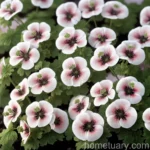
Cranesbill Geranium ‘Dilys’: A Complete Plant Guide
Cranesbill geraniums are a beloved group of plants known for their attractive, delicate flowers and easy-care nature. Geranium ‘Dilys’ is a cultivar within this group that offers unique characteristics and versatile uses in the garden. In this comprehensive guide, we will delve into all aspects of cranesbill geranium ‘Dilys,’ from its cultural requirements to its propagation methods, common diseases, and much more. Whether you’re a seasoned gardener or a beginner plant enthusiast, this guide will equip you with the knowledge to grow and care for this beautiful plant successfully.
What is Cranesbill Geranium ‘Dilys’?
Cranesbill geraniums, also known as hardy geraniums, belong to the genus Geranium and are not to be confused with the annual geraniums in the genus Pelargonium. These herbaceous perennials are prized for their long flowering period, attractive foliage, and ability to thrive in various growing conditions.
The ‘Dilys’ cultivar of cranesbill geranium is particularly notable for its captivating magenta flowers and deeply lobed, dark green leaves. Its compact habit makes it an excellent choice for borders, rock gardens, or containers, adding a splash of color and elegance to any setting.
Now, let’s explore the key takeaways, including the culture, uses, and care requirements for cranesbill geranium ‘Dilys.’
Key Takeaways
Cranesbill Geranium ‘Dilys’
- Culture
- Hardiness: USDA Zones 4-8
- Growth Habit: Clumping
- Height: 12-18 inches
- Spread: 18-24 inches
-
Bloom Time: Late spring to early summer
-
Uses
- Landscape Borders
- Rock Gardens
- Container Planting
-
Ground Cover
-
Water
- Moderate water needs
-
Prefers well-drained soil
-
Sunlight
-
Part to full sun (4-6 hours of direct sunlight)
-
Fertilizer
-
Balanced, all-purpose fertilizer in spring
-
Soil
-
Well-draining, fertile soil
-
Pruning
- Deadheading spent flowers for prolonged blooming
-
Cut back after the first flush of flowers to encourage reblooming
-
Propagation
- Division
-
Root cuttings
-
Container Popularity
-
Well-suited for containers
-
Common Diseases
- Botrytis blight
- Powdery mildew
-
Common Pests
- Aphids
- Caterpillars
-
Botanist’s Tips
- Prune back after the first bloom to promote a second flush of flowers
- Divide every 3-4 years to maintain vigor
Now that we have an overview of cranesbill geranium ‘Dilys,’ let’s take a deeper dive into each of these aspects.
Culture
Hardiness
Cranesbill geranium ‘Dilys’ is a hardy perennial plant suitable for USDA Zones 4-8, making it adaptable to various climates and growing conditions within these zones. It can withstand moderately cold temperatures, adding resilience to outdoor landscapes.
Growth Habit and Size
This cultivar exhibits a clumping growth habit, forming dense mounds of foliage and flowers. When mature, cranesbill geranium ‘Dilys’ typically reaches a height of 12-18 inches and a spread of 18-24 inches, creating a well-rounded and compact appearance in the garden.
Bloom Time
The blooming period for cranesbill geranium ‘Dilys’ extends from late spring to early summer, offering an extended display of its vibrant magenta flowers. This long blooming season adds a cheerful and colorful element to outdoor spaces.
Uses
Landscape Borders
Cranesbill geranium ‘Dilys’ serves as an excellent choice for landscape borders, where its compact growth habit and striking flowers can edge garden beds with beauty and elegance.
Rock Gardens
The low-growing and clumping nature of this cultivar makes it an ideal candidate for rock gardens, where it can fill in crevices between rocks and provide an eye-catching display of color against the rugged backdrop of stones.
Container Planting
Due to its compact size and prolific flowering, cranesbill geranium ‘Dilys’ is well-suited for container planting. Whether in hanging baskets or pots, it adds a vibrant touch to decks, patios, and balconies.
Ground Cover
Its spreading habit allows cranesbill geranium ‘Dilys’ to function as a low-growing ground cover, blanketing areas with its foliage and providing a dazzling floral display during the blooming season.
Water
Moderate water needs are suitable for cranesbill geranium ‘Dilys.’ Avoid waterlogging the soil, as this can lead to root rot; instead, aim for well-draining soil that retains moisture without becoming soggy. Watering deeply but infrequently can promote healthy root development and overall plant vigor.
Sunlight
Cranesbill geranium ‘Dilys’ thrives in partial to full sun environments, where it receives around 4-6 hours of direct sunlight daily. Adequate sunlight is essential for promoting abundant flowering and maintaining a robust, well-branched habit.
Fertilizer
In early spring, application of a balanced, all-purpose fertilizer can provide the necessary nutrients to support vigorous growth and prolific blooming. Follow the manufacturer’s instructions for the appropriate dosage and frequency of application, ensuring that you do not over-fertilize the plant.
Soil
Well-draining, fertile soil is ideal for cranesbill geranium ‘Dilys.’ Amending the soil with organic matter, such as compost or well-rotted manure, can improve its structure and nutrient content, creating a favorable growing medium for the plant.
Pruning
An essential aspect of care for cranesbill geranium ‘Dilys’ involves routine pruning to maintain its appearance and encourage continuous flowering.
Deadheading
Remove spent flowers regularly to prevent the plant from channeling energy into seed production, thereby promoting the development of new flower buds and prolonging the blooming period.
Cutting Back
After the initial flush of blooms, consider cutting back the plant to maintain its compact form and stimulate a second wave of flowering. Pruning in this manner can rejuvenate the plant and extend its ornamental value in the garden.
Propagation
Cranesbill geranium ‘Dilys’ can be propagated through division and root cuttings, allowing you to expand your plant collection or share its beauty with fellow gardening enthusiasts.
Division
Every 3-4 years, divide mature clumps of cranesbill geranium ‘Dilys’ to rejuvenate the plants and prevent overcrowding. Carefully lift the plant, divide the root mass into sections, and replant the divisions in suitable locations.
Root Cuttings
Root cuttings provide another method of propagation for cranesbill geranium ‘Dilys.’ By harvesting and planting healthy root sections, you can generate new plants with traits consistent with the parent plant.
Container Popularity
Given its compact growth and aesthetic appeal, cranesbill geranium ‘Dilys’ is highly popular for container gardening. Its versatility in containers allows for creative arrangements and the ability to bring its colorful blooms to various outdoor and indoor settings.
Common Diseases
Cranesbill geranium ‘Dilys’ is susceptible to certain diseases, with botrytis blight and powdery mildew being common culprits.
Botrytis Blight
Characterized by gray mold on the plant’s foliage and flowers, botrytis blight can occur in moist conditions and poorly ventilated areas. Implementing good air circulation and avoiding overhead watering can help prevent this fungal disease.
Powdery Mildew
Powdery mildew manifests as a powdery, white coating on the leaves and stems, leading to reduced plant vigor. To mitigate powdery mildew, ensure sufficient spacing between plants to encourage air circulation and consider applying fungicidal treatments if the disease persists.
Common Pests
Pests can occasionally pose challenges to cranesbill geranium ‘Dilys,’ with aphids and caterpillars being notable adversaries.
Aphids
Aphids may infest the plant, targeting its succulent growth and causing damage. Promptly addressing aphid populations through physical removal or the use of insecticidal soaps can prevent significant harm to the plants.
Caterpillars
The presence of caterpillars can result in defoliation and aesthetic damage to the leaves of cranesbill geranium ‘Dilys.’ Monitoring the plant and taking measures to remove caterpillars by hand can help preserve its visual appeal and health.
Botanist’s Tips
Pruning Schedule
To maintain cranesbill geranium ‘Dilys’ in optimal condition, adhere to a pruning schedule that includes deadheading spent blooms and cutting back the plant after the initial flowering phase. This regular maintenance can foster a continuous display of flowers and promote plant vigor.
Division for Vigor
Regular division of mature clumps of cranesbill geranium ‘Dilys’ ensures that the plants remain vigorous, preventing overcrowding and revitalizing their growth. Schedule division every few years to sustain the plant’s health and performance.
Fun Facts
- Cranesbill geraniums are familiarly referred to as “hardy geraniums,” distinguishing them from the unrelated, commonly grown Pelargonium species known as annual geraniums.
- The genus name Geranium is derived from the Greek word “geranos,” which means crane, paying homage to the distinctive shape of the plant’s seed pod.
- Some cranesbill geranium species are valued for their culinary and herbal uses, with certain varieties providing edible leaves and roots, along with medicinal properties.
Now that we have delved into the cultural aspects, uses, care requirements, and interesting facts about cranesbill geranium ‘Dilys,’ you are equipped to nurture and appreciate this delightful plant in your garden. However, to further enrich your understanding and assist you in cultivating a thriving presence of cranesbill geranium ‘Dilys,’ it can be beneficial to explore additional resources and expert insights.
Links to External Resources
For further information and guidance on the care and cultivation of cranesbill geranium ‘Dilys,’ consider exploring the following reputable resources:
- Royal Horticultural Society (RHS) – Hardy Geraniums
- University of Maryland Extension – Growing Hardy Geraniums
- The Spruce – Types of Hardy Geraniums
- American Society for the Prevention of Cruelty to Animals (ASPCA) – Toxic and Non-Toxic Plants: Cranesbill
By referring to these valuable resources, you can access expert insights, practical tips, and in-depth knowledge that will contribute to your success in growing and caring for cranesbill geranium ‘Dilys.’ Whether you’re seeking specific guidance on pest and disease control, propagation techniques, or design ideas, these resources will enrich your experience with this captivating plant.
In conclusion, cranesbill geranium ‘Dilys’ stands as a remarkable addition to any garden, bringing its vibrant flowers and enduring charm to diverse settings. With a comprehensive understanding of its culture, uses, care requirements, and a wealth of resources at your disposal, you are well-prepared to cultivate a thriving and beautiful display of this captivating perennial in your outdoor spaces.
Remember to apply the wisdom gained from this guide and external resources as you embark on your journey with cranesbill geranium ‘Dilys,’ and revel in the rewards of nurturing this extraordinary plant.
In this comprehensive guide, we have explored every aspect of cranesbill geranium ‘Dilys,’ from its cultural requirements to its propagation methods, common diseases, and much more. Whether you’re a seasoned gardener or a beginner plant enthusiast, this guide equips you with the knowledge to grow and care for this beautiful plant successfully.
So, embrace the allure of cranesbill geranium ‘Dilys’ and witness the grace it brings to your garden and outdoor spaces. Happy gardening!