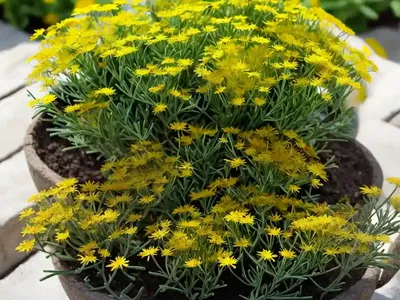
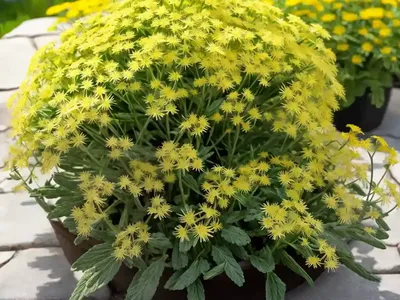
Coyote Brush (Baccharis Pilularis)
Plants are fascinating beings that play a crucial role in maintaining the balance of our ecosystems. As a plant scientist, I have dedicated my life to.
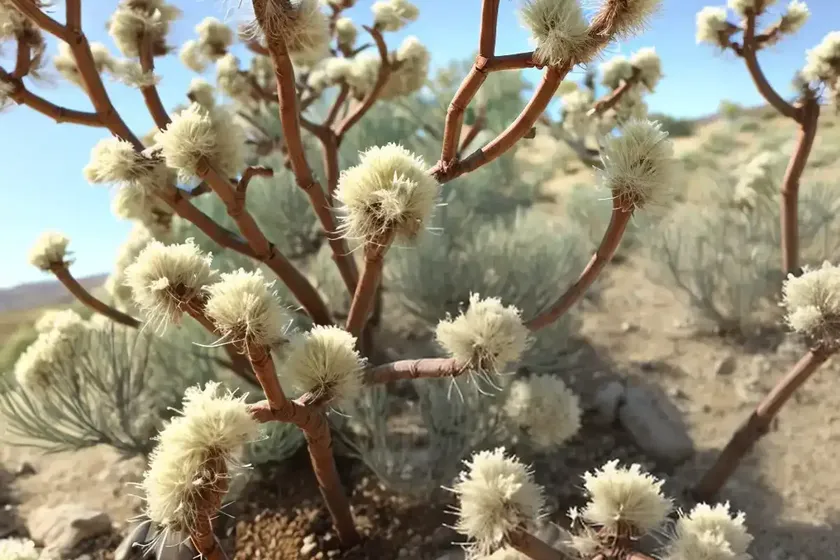
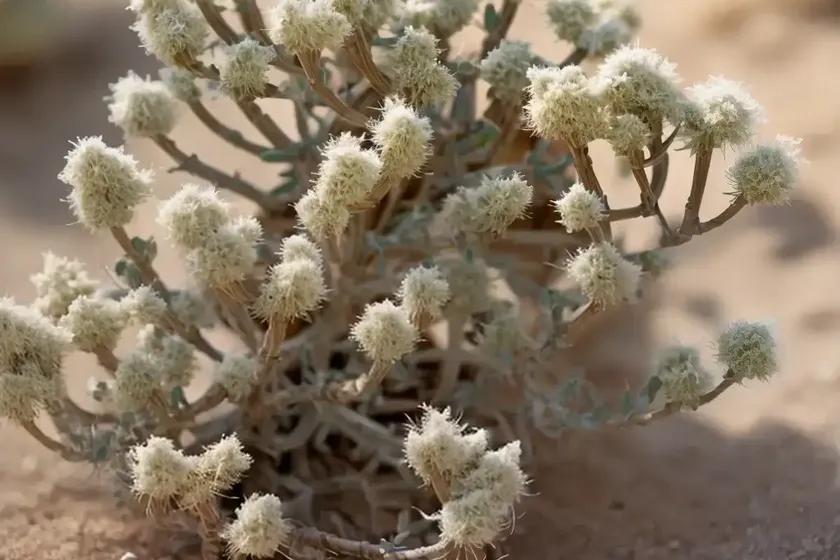
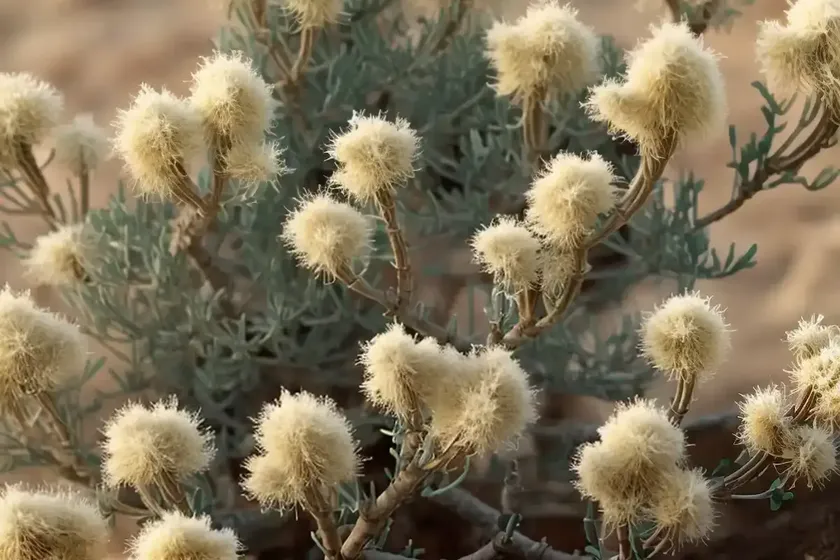
Plants are fascinating beings that play a crucial role in maintaining the balance of our ecosystems. As a plant scientist, I have dedicated my life to studying and understanding the intricate world of flora. Today, I present to you an in-depth guide to one of the most captivating and versatile shrubs – Coyote Brush (Baccharis pilularis).
What is Baccharis pilularis?
Coyote Brush (Baccharis pilularis) is a species of shrub that belongs to the Asteraceae family. This evergreen plant is native to the western United States and northern Mexico, thriving in a variety of habitats including coastal scrub, chaparral, and grasslands. With its vibrant yellow-green foliage and ability to attract wildlife, Baccharis pilularis has become a popular choice for landscaping and habitat restoration projects.
Key Takeaways – Coyote Brush (Baccharis pilularis)
Before we delve into the detailed care and cultivation practices for Baccharis pilularis, let’s take a quick look at the essential points to remember about this versatile shrub:
- Scientific Name: Baccharis pilularis
- Common Name: Coyote Brush
- Plant Type: Evergreen Shrub
- Native Range: Western United States, Northern Mexico
- Characteristics: Dense, bushy growth with small, elongated leaves; clusters of tiny white to pale yellow flowers
- Uses: Landscaping, erosion control, wildlife habitat, medicinal properties
Now that we have a basic understanding of what Baccharis pilularis is, let’s explore the essential factors to consider when it comes to its cultivation and care.
Culture
Understanding the cultural requirements of Baccharis pilularis is crucial for ensuring its healthy growth and development. From soil conditions to pruning practices, each aspect plays a significant role in the overall well-being of this resilient shrub.
Uses
Coyote Brush (Baccharis pilularis) has a multitude of uses, ranging from its aesthetic appeal in landscaping to its ecological importance as a wildlife support plant. Here are some of the primary uses of Baccharis pilularis:
- Landscaping: Due to its dense growth habit, Baccharis pilularis is often used in landscaping to create hedges, windbreaks, and visual screens.
- Erosion Control: The extensive root system of Baccharis pilularis aids in stabilizing soil, making it a valuable plant for erosion control in both coastal and inland areas.
- Wildlife Habitat: The nectar-rich flowers of Baccharis pilularis attract pollinators, while the dense foliage provides cover and nesting sites for birds and small mammals.
- Medicinal Properties: In traditional herbal medicine, Baccharis pilularis has been used for its diuretic and anti-inflammatory properties.
Water
Proper watering is essential for the healthy growth of Baccharis pilularis. While this shrub is known for its resilience in drought conditions, providing adequate moisture, especially during its establishment phase, is crucial.
Sunlight
Coyote Brush (Baccharis pilularis) thrives in full sun to partial shade. When selecting a planting location, ensure that the shrub receives at least 6-8 hours of direct sunlight per day for optimal growth and flowering.
Fertilizer
Being a native plant adapted to diverse soil conditions, Baccharis pilularis generally does not require regular fertilization. However, if the shrub is grown in nutrient-poor soils or shows signs of nutrient deficiency, a balanced slow-release fertilizer can be applied in early spring.
Soil
Coyote Brush (Baccharis pilularis) exhibits remarkable versatility when it comes to soil types, tolerating both sandy and clay soils. Well-draining soil is essential to prevent waterlogging, as Baccharis pilularis is susceptible to root rot in waterlogged conditions.
Pruning
Pruning plays a vital role in maintaining the desired shape and size of Baccharis pilularis, as well as promoting healthy growth and flowering.
Propagation
Propagation of Baccharis pilularis can be achieved through both seeds and cuttings. While seeds can be collected from mature flowers and sown in a well-draining potting mix, semi-hardwood cuttings taken in late spring can also be successfully rooted to propagate new plants.
Container Popularity
Due to its adaptability and aesthetic appeal, Baccharis pilularis is a popular choice for container gardening, particularly in areas where space is limited or soil conditions are challenging.
Common Diseases
While Baccharis pilularis is known for its resilience, it can be susceptible to certain diseases under unfavorable growing conditions.
Disease Diagnosis
Keep an eye out for the following common diseases that can affect Baccharis pilularis:
-
Powdery Mildew: Characterized by the appearance of white powdery spots on the leaves, powdery mildew can affect Baccharis pilularis in humid and crowded growing conditions.
-
Root Rot: Overwatering or poorly draining soil can lead to root rot, causing the plant to exhibit wilting and yellowing of leaves.
Common Pests
Coyote Brush (Baccharis pilularis) is relatively resistant to pests, but it can still fall victim to occasional pest infestations.
Botanist’s Tips
To maintain the health and vigor of Baccharis pilularis, consider the following tips:
- Mulching: Applying a layer of organic mulch around the base of the shrub can help conserve soil moisture and suppress weed growth.
- Monitoring Watering: Regularly check the soil moisture levels and adjust the watering frequency based on the plant’s needs and environmental conditions.
- Pruning After Flowering: Prune Baccharis pilularis after the flowering season to remove any dead or diseased branches and maintain the desired shape.
Fun Facts
Let’s unravel some intriguing facts about Baccharis pilularis:
- The name “Coyote Brush” is derived from the Nisenan Native American tribe’s word “homo,” which refers to the plant’s usage in traditional medicine.
- Baccharis pilularis is a valuable plant for supporting wildlife, providing food and shelter for various bird species and small mammals.
- In California, Baccharis pilularis has been used in habitat restoration projects to stabilize slopes and reclaim disturbed lands.
Now that we have explored the fundamental aspects of Coyote Brush (Baccharis pilularis), it’s time to dive deeper into its care and cultivation practices, along with its ecological significance and uses.
Links to External Resources
For further information and resources about Baccharis pilularis, you can explore the following links:
- California Native Plant Society – Coyote Bush
- Las Pilitas Nursery – Baccharis pilularis
- University of California – Baccharis pilularis
By delving into these external resources, you can gain comprehensive insights into the cultivation, ecological importance, and landscape uses of Baccharis pilularis.
In conclusion, Coyote Brush (Baccharis pilularis) stands as a testament to the resilience and adaptability of native plant species. Whether it’s gracing landscapes with its vibrant foliage or providing essential support for wildlife, this versatile shrub continues to captivate plant enthusiasts and ecologists alike. Through proper care and cultivation, we can further enhance the ecological contributions of Baccharis pilularis while relishing its aesthetic appeal in our gardens and natural landscapes.
As a plant scientist, I encourage you to explore the beauty and ecological significance of native plants like Baccharis pilularis and contribute to the preservation of biodiverse landscapes.
As a plant scientist, I aim to provide accurate and comprehensive information about Coyote Brush (Baccharis pilularis) to promote its sustainable cultivation and ecological benefits. If you have any further questions or topics you’d like me to cover, feel free to reach out and ignite a fruitful conversation about the fascinating world of plants.