What is “Cowboy Cactus” (Euphorbia Ingens)?
The plant world never ceases to amaze with its diversity, and among the plethora of interesting species, the Cowboy Cactus, scientifically known as Euphorbia Ingens, is a standout succulent that captivates plant enthusiasts across the globe. This striking succulent, resembling a cactus, boasts unique characteristics and has garnered significant attention due to its appealing aesthetics and easy maintenance. In this comprehensive guide, we will delve into the various aspects of the Cowboy Cactus, from its culture and uses to its growth habits, care requirements, and propagation techniques. Whether you are a seasoned plant enthusiast or a novice in the world of gardening, this article aims to equip you with the essential knowledge to cultivate and appreciate the captivating charm of the Euphorbia Ingens.
Key Takeaways – Cowboy Cactus (Euphorbia Ingens)
Before we embark on an in-depth exploration of the Cowboy Cactus, let’s highlight some key takeaways about this intriguing succulent:
- Culture: The Cowboy Cactus is a drought-tolerant succulent native to southern Africa and is widely acclaimed for its ornamental value and low-maintenance nature.
- Uses: It is a popular choice for xeriscaping, interior decoration, and outdoor landscaping, adding a touch of dramatic flair to any space.
- Water: With its ability to withstand long periods of drought, the Cowboy Cactus has low water requirements, making it an ideal choice for arid environments.
- Sunlight: Thriving in full sun to partial shade, this succulent is well-adapted to bright and sunny conditions.
- Fertilizer: Minimal fertilization is sufficient to support the growth of the Cowboy Cactus, with a focus on balanced nutrition and well-draining soil.
- Soil: Well-draining soil is crucial for the successful cultivation of Euphorbia Ingens, preventing waterlogged conditions that can be detrimental to its health.
- Pruning: While minimal pruning is necessary, proper care should be taken due to the toxic, milky sap present in this species.
- Propagation: Propagation of the Cowboy Cactus can be achieved through stem cuttings, offering a reliable method for expanding your succulent collection.
- Container Popularity: Its striking appearance and low maintenance make the Cowboy Cactus a popular choice for container gardening and indoor plant collections.
- Common Diseases: While relatively resistant to diseases, the Euphorbia Ingens is susceptible to specific pests and should be monitored accordingly.
With these key takeaways in mind, let’s delve deeper into the various aspects of caring for and appreciating the captivating qualities of the Cowboy Cactus.
Culture
Native Range and Habitat
The Euphorbia Ingens, commonly referred to as the “Cowboy Cactus,” hails from the arid regions of southern Africa, where it can be found in countries such as Zimbabwe, Mozambique, and South Africa. Its natural habitat consists of dry, rocky slopes and open plains, where it has evolved to thrive in harsh, arid conditions characteristic of semi-desert landscapes.
Ornamental Value and Popular Uses
This iconic succulent has gained widespread popularity as an ornamental plant due to its unique, cactus-like appearance and ability to thrive in arid environments. The striking silhouette and dramatic vertical growth habit of the Cowboy Cactus make it a favored choice for xeriscaping, where it adds architectural interest and visual appeal to drought-tolerant landscapes. Additionally, its resilience and low maintenance requirements make it a prized addition to indoor and outdoor plant collections, serving as a statement piece in modern and minimalist designs.
Uses
Ornamental Planting
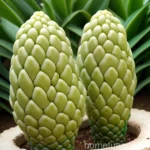
The Cowboy Cactus, with its distinctive, columnar growth habit and characteristic ribbed stems, serves as a focal point in garden landscapes and succulent collections. Its striking silhouette and architectural appeal lend themselves well to contemporary and desert-themed gardens, where it can be showcased as a standalone feature or incorporated into xeriscape designs. Its ability to thrive in dry, sunny conditions makes it an excellent choice for landscaping in arid or semi-arid regions, where water conservation is a priority.
Indoor Décor
Euphorbia Ingens has also found its way into interior design, gracing homes, offices, and public spaces with its sculptural presence. When cultivated as a houseplant, the Cowboy Cactus brings an air of exoticism and modernity to interiors, adding a touch of drama and elegance to any setting. Its low water requirements and adaptability to bright, well-lit spaces make it an ideal choice for indoor decoration, particularly in contemporary, minimalist, or eclectic design schemes.
Water
Water Requirements
The Cowboy Cactus, true to its desert origins, exhibits remarkable drought tolerance and has adapted to thrive in low-water environments. When cultivating Euphorbia Ingens, it is crucial to adhere to a sparse watering regimen, replicating the arid conditions of its natural habitat. The key to successful cultivation lies in striking a balance between providing adequate moisture for the plant’s vitality while preventing water stagnation, which can lead to root rot and other moisture-related issues.
The following guidelines can serve as a reference for meeting the water requirements of the Cowboy Cactus:
- Frequency: Watering should be infrequent, with intervals of two to three weeks during the active growing season, typically spring and summer. In contrast, during the dormant season, which occurs in fall and winter, watering should be further reduced to mimic the plant’s natural cycle.
- Thorough Soaking: When watering, it is essential to provide a thorough soaking, allowing the water to permeate the soil and reach the root zone. The soil should be allowed to dry out completely before the next watering, ensuring that excess moisture is avoided.
- Drainage: Ensuring proper drainage is paramount in preventing waterlogged conditions, as the Cowboy Cactus is susceptible to root rot if subjected to prolonged moisture.
- Container Considerations: If grown in containers, selecting pots with drainage holes facilitates water removal and reduces the risk of water accumulation around the roots.
Sunlight
Sunlight Needs
The Cowboy Cactus, as a sun-loving succulent, thrives in bright, well-lit conditions and requires ample sunlight for robust growth and development. When cultivating Euphorbia Ingens, providing an environment that replicates its native habitat’s sunny, arid climate is essential for its overall health and ornamental value.
The following recommendations can guide the provision of suitable sunlight for the Cowboy Cactus:
- Direct Sun Exposure: Ideally, the Euphorbia Ingens should be placed in a location that receives direct sunlight for a significant portion of the day. South-facing windows or outdoor areas with ample sunlight are well-suited for promoting its optimal growth.
- Outdoor Cultivation: When grown in outdoor landscapes, selecting a spot with full sun exposure is preferable, ensuring that the succulent benefits from the abundant natural light available.
- Indoor Placement: If cultivated indoors, positioning the plant in a well-lit area, such as near a south-facing window, allows it to receive the intense sunlight it requires for thriving.
Fertilizer
Nutrient Requirements
The Cowboy Cactus, while resilient and adaptable to low-nutrient environments, can benefit from minimal fertilization to support its growth and vitality. Selecting a balanced fertilizer and applying it judiciously during the active growing season can provide the necessary nutrients for healthy development without overwhelming the plant with excessive inputs.
The following guidelines can aid in the appropriate fertilization of Euphorbia Ingens:
- Fertilization Frequency: During the growing season in spring and summer, apply a diluted, balanced fertilizer solution once a month. This ensures that the plant receives essential nutrients to support its growth without the risk of over-fertilization.
- Diluted Application: When fertilizing the Cowboy Cactus, using a half-strength or quarter-strength formulation is advisable to prevent nutrient buildup in the soil, which can be detrimental to the plant’s health.
- Avoidance of Winter Feeding: As Euphorbia Ingens enters its dormant phase in fall and winter, refraining from fertilization during this time aligns with its natural growth cycle and prevents the stimulation of new growth when the plant is resting.
Soil
Soil Preferences
The selection of well-draining soil is critical for the successful cultivation of the Cowboy Cactus, as it ensures that the roots are not subjected to waterlogged conditions that can lead to rot and other moisture-related issues. Owing to its adaptation to arid environments, the Cowboy Cactus thrives in soil that replicates the fast-draining, sandy or gravelly substrates found in its native habitat.
When preparing the soil for Euphorbia Ingens, consider the following soil preferences:
- Sandy or Gravelly Texture: Opt for a well-aerated, sandy or gravelly soil mix that promotes rapid water drainage and prevents water accumulation around the roots. Incorporating coarse materials such as perlite or pumice enhances the soil’s drainage capacity.
- Minimal Organic Matter: While organic matter is beneficial for soil fertility, excessive organic content can compromise the soil’s drainage properties, posing a risk to the succulent’s root health. A soil mix with minimal organic components is preferable for the Cowboy Cactus.
- Container Considerations: If growing Euphorbia Ingens in containers, selecting a well-draining potting mix designed for succulents and cacti provides an optimal substrate for supporting its growth in a confined space.
Pruning
Pruning Techniques
Pruning the Cowboy Cactus, while not regularly necessary, may be performed for maintenance purposes and the removal of unsightly or damaged growth. However, caution must be exercised when undertaking pruning activities, as the milky sap produced by the Euphorbia Ingens is toxic and can cause skin irritation and other adverse effects if handled improperly.
Here are some essential considerations and techniques for pruning the Cowboy Cactus:
- Safety Precautions: Prior to engaging in pruning activities, it is advisable to wear protective gloves and eye protection to shield against the plant’s toxic sap. Direct contact with the skin or eyes should be avoided to prevent irritation and allergic reactions.
- Sanitization: Sterilize pruning tools, such as shears or secateurs, before and after use to minimize the risk of introducing pathogens to the plant. This reduces the likelihood of infection at the pruning sites and promotes overall plant health.
- Selective Removal: When pruning, focus on selectively removing damaged or unhealthy stems, as well as any overgrown or unwanted growth. Aim for clean cuts close to the point of origin to minimize the risk of infection and promote rapid healing.
In summary, limited pruning, undertaken with care and attention to safety, can contribute to maintaining the aesthetic appeal and health of the Cowboy Cactus.
Propagation
Propagation Methods
Expanding your succulent collection or sharing the allure of the Cowboy Cactus with fellow plant enthusiasts can be achieved through the propagation of Euphorbia Ingens. This can be accomplished through the reliable method of stem cuttings, which offers an efficient and straightforward approach to generating new plants from established specimens.
The following steps outline the process of propagating the Cowboy Cactus through stem cuttings:
- Selection: Choose a healthy, mature stem with several segments, ensuring that it is free from signs of disease or damage. Select a segment that is at least 4-6 inches in length for propagation.
- Drying Period: Allow the cut end of the selected stem cutting to callus over by placing it in a dry, well-ventilated area for a few days. This callusing process helps to prevent rot and enhances the success of the cutting.
- Potting Medium: Prepare a well-draining potting mix suitable for succulents or cacti and select a suitable container with drainage holes for planting the cutting.
- Planting: Insert the dried end of the stem cutting into the potting medium, ensuring that it is stable and positioned upright. Avoid watering the cutting immediately after planting, as this can impede callusing and increase the risk of rot.
- Establishment and Care: Place the container in a warm, bright location and provide minimal water to the cutting, allowing it to establish roots gradually. Over time, new growth will emerge from the cutting, indicating successful establishment.
By following these guidelines for stem cutting propagation, you can propagate the Cowboy Cactus and enjoy the gratifying experience of nurturing new plants from existing specimens.
Container Popularity
Container Gardening and Indoor Cultivation
The captivating allure and low maintenance requirements of the Cowboy Cactus have made it a favored choice for container gardening and indoor cultivation. Whether displayed as a standalone specimen or incorporated into succulent arrangements, Euphorbia Ingens brings a touch of exoticism and modern elegance to any indoor setting. When cultivated in containers, it becomes a versatile element of interior décor, offering the flexibility to be placed in diverse spaces and complement various design styles.
Indoor Plant Collections
In indoor environments, the striking form and architectural appeal of the Cowboy Cactus make it an ideal addition to succulent collections and plant displays. Its ability to thrive in bright, well-lit areas and endure periods of neglect aligns with the preferences of many indoor gardeners, making it an appealing choice for those seeking low-maintenance greenery with a contemporary edge.
Container Considerations
When selecting containers for cultivating Euphorbia Ingens, opt for pots that provide adequate space for root development and have drainage holes to prevent waterlogging. Well-draining potting mixes designed for succulents or cacti are suitable for container cultivation, promoting healthy growth and minimizing the risk of root-related issues.
Common Diseases
Disease Resistance and Diagnosis
The Cowboy Cactus, renowned for its resilience and robust nature, displays a commendable level of resistance to diseases. However, certain care lapses or environmental stressors can render it susceptible to specific issues that warrant attention and prompt intervention. Monitoring the plant for signs of distress and familiarizing yourself with common disease symptoms can aid in early diagnosis and effective management.
Disease Diagnosis
The following are some common diseases and issues that may affect the health of the Cowboy Cactus, along with diagnostic cues to assist in their identification:
- Root Rot: Overly wet or poorly drained soil can lead to root rot, characterized by soft, discolored roots and wilting or yellowing of the plant. Foul odor and deteriorating overall health are indicators of advanced root rot.
- Stem Rot: Excessive moisture and poor air circulation can result in stem rot, typically manifesting as soft, discolored areas on the stems, accompanied by a foul or musty smell. Affected stems may become mushy and collapse.
- Pest Infestation: Despite its resistance to diseases, the Cowboy Cactus may fall victim to pest infestations, such as mealybugs, scale insects, or spider mites. Presence of pests, visible damage to the plant, or the development of webs and honeydew are indicative of infestation.
Vigilant observation and prompt diagnosis play a critical role in maintaining the health and vitality of the Cowboy Cactus, enabling timely intervention to address any potential issues that may arise.
Common Pests
Pest Management
While the Cowboy Cactus exhibits remarkable resilience to disease, it is not entirely impervious to pest infestations, and specific pests may pose a threat to its well-being. Monitoring the plant for signs of pest activity and implementing targeted control measures is essential for mitigating pest-related issues and safeguarding its overall health.
Common Pests
The following pests are among the primary adversaries of the Cowboy Cactus:
- Mealybugs: Small, white, cottony insects that congregate on the stems and leaves, sapping the plant’s vital fluids and impeding its growth. Characteristic cottony masses and honeydew secretions are indicative of mealybug infestations.
- Scale Insects: Armored or soft-bodied scale insects can afflict the Cowboy Cactus, often attaching themselves to the stems and foliage and compromising the plant’s vigor. Visible scales or waxy coverings on the plant surface signify the presence of scales.
- Spider Mites: These minuscule arachnids can inflict damage through the formation of webbing and the extraction of plant fluids, leading to discoloration, stippling, and leaf drop. Fine webbing and stippled, discolored foliage are key indicators of spider mite infestations.
Pest Control Measures
Implementing integrated pest management strategies, such as regular inspection, cultural practices, and targeted treatments, can aid in managing pest infestations and protecting the Cowboy Cactus from potential harm. Additionally, employing natural predators, such as ladybugs or predatory mites, can contribute to biological control and support pest population suppression.
Botanist’s Tips
Expert Recommendations
The following botanist’s tips offer valuable insights and expert recommendations for the successful cultivation and care of the Cowboy Cactus (Euphorbia Ingens):
- Arid Environment Emulation: When cultivating Euphorbia Ingens, strive to recreate the arid, well-drained conditions of its native habitat, emphasizing sparse watering, ample sunlight, and appropriate soil structure.
- Protective Measures: Due to the toxic sap produced by the Cowboy Cactus, exercise caution when handling and pruning the plant, wearing protective gear to shield against potential skin and eye irritation.
- Minimal Intervention: Embrace a minimalist and hands-off approach to care, as excessive attention and overzealous care practices can potentially compromise the plant’s resilience and natural growth habits.
- Suitable Containers: When opting for container cultivation, select pots that accommodate the Cowboy Cactus’s root system and incorporate well-designed drainage for optimal soil moisture management.
- Adaptive Gardening: Adapt to the distinct growth requirements and drought tolerance of Euphorbia Ingens, recognizing its suitability for xeriscaping, arid gardens, and contemporary interior design schemes.
Fun Facts
Fascinating Tidbits about the Cowboy Cactus
- Architectural Elegance: The Cowboy Cactus is prized for its impressive, columnar growth habit, with mature specimens reaching heights of up to 6 feet, adding a commanding presence to any landscape or interior setting.
- Toxic Latex: The milky, toxic latex produced by the Cowboy Cactus serves as a deterrent against herbivores and pests, protecting the plant from potential harm in its natural environment.
- Succulent Relatives: Euphorbia Ingens belongs to the diverse and extensive Euphorbia genus, which includes a multitude of succulent and non-succulent species, showcasing remarkable variation in form and adaptation.
- Flowering Spectacle: While the primary allure of the Cowboy Cactus lies in its striking form and unusual beauty, it also produces small, inconspicuous flowers that add a subtle touch of charm to the plant when in bloom.
- Global Cultivation: The appeal of Euphorbia Ingens extends beyond its native range, with the plant being cultivated and cherished by succulent enthusiasts and gardeners worldwide, contributing to its status as a globally recognized succulent.
Links to External Resources
For further information on Euphorbia Ingens care, growing tips, and landscaping inspiration, explore the following external resources:
- The Spruce – Growing Cowboy Cactus: A comprehensive guide to the care and cultivation of the Cowboy Cactus, offering practical tips and insights for indoor growing.
- [Gardening Know How – Cowboy Cactus Care Tips](