Euphorbia Mammillaris (Corncob Cactus): A Comprehensive Care Guide
Euphorbia Mammillaris, commonly known as the Corncob Cactus, is a unique and visually striking succulent that belongs to the Euphorbiaceae family. This fascinating plant is popular among gardening enthusiasts for its distinctive appearance and relatively low maintenance requirements. In this comprehensive care guide, we will delve into the intricacies of cultivating and nurturing the Euphorbia Mammillaris, exploring its cultural significance, uses, optimal growing conditions, propagation methods, and common pests and diseases.
What is Euphorbia Mammillaris (Corncob Cactus)?
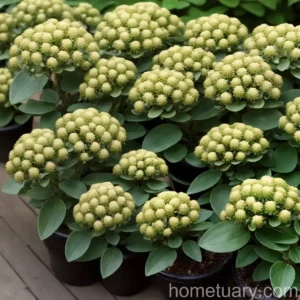
Euphorbia Mammillaris, also referred to as the Corncob Cactus, is a species of flowering plant native to South Africa. This striking succulent earns its common name from the cylindrical, closely packed stem segments that resemble the shape and texture of a corncob, punctuated by prominent clusters of small spines. The segmented stems grow vertically, forming dense columns that give the plant its distinctive appearance.
Key Takeaways – Euphorbia Mammillaris (Corncob Cactus)
Before delving into the intricacies of caring for the Euphorbia Mammillaris, let’s briefly outline the key takeaways associated with this unique plant.
- Scientific Name: Euphorbia Mammillaris
- Common Name: Corncob Cactus
- Family: Euphorbiaceae
- Native Habitat: South Africa
- Distinctive Features: Cylindrical, segmented stems with clusters of small spines
Now, let’s explore the essential aspects of cultivating and caring for the Euphorbia Mammillaris, ranging from cultural significance to propagation methods and everything in between.
Culture
Uses
The Euphorbia Mammillaris holds cultural significance as an ornamental plant, often featured in succulent gardens, desert landscapes, and indoor settings. Its visually appealing structure and relatively undemanding care requirements make it a popular choice for individuals seeking to enhance their living spaces with unique, low-maintenance plant life.
In addition to its ornamental value, the Corncob Cactus has been historically utilized for its purported medicinal properties in traditional herbal medicine. However, it’s important to note that while various species of Euphorbia have been used in folk medicine, caution must be exercised due to the toxic properties exhibited by many members of the genus.
Water
Proper watering practices are crucial for maintaining the health and vitality of the Euphorbia Mammillaris. Given its succulent nature, this plant is adapted to arid environments and is exceptionally sensitive to overwatering. When developing a watering regimen for the Corncob Cactus, consider the following guidelines:
- Moderation: Allow the soil to dry out completely between watering sessions. Overly moist conditions can lead to root rot and other detrimental issues.
- Seasonal Adjustments: During the active growing season in spring and summer, water the plant more frequently. Conversely, reduce watering during the plant’s dormant period in fall and winter.
Sunlight
As a desert succulent, the Euphorbia Mammillaris thrives in bright, indirect sunlight. When cultivating this plant, ensure that it receives ample light to promote healthy growth and maintain its ornamental appeal. Consider the following recommendations for providing adequate sunlight:
- Ideal Conditions: Place the Corncob Cactus in a location that receives partial to full sunlight. Indirect sunlight is preferred to prevent sunburn and leaf damage.
- Seasonal Considerations: During the winter months, when sunlight exposure may be limited, consider supplementing natural light with artificial grow lights to maintain optimal growth conditions.
Fertilizer
While the Euphorbia Mammillaris is relatively resilient and can thrive in nutrient-poor soil, occasional fertilization can support healthy growth and sustained vitality. When applying fertilizer to the Corncob Cactus, keep the following considerations in mind:
- Moderation: Use a balanced, diluted fertilizer formulated for cacti and succulents to avoid overwhelming the plant with excessive nutrients.
- Frequency: Apply fertilizer sparingly during the growing season, typically from spring to early fall, and withhold fertilization during the plant’s dormant phase in late fall and winter.
Soil
Providing well-draining soil is paramount when cultivating the Euphorbia Mammillaris. Given its susceptibility to root rot and other moisture-related issues, investing in high-quality, fast-draining soil can significantly contribute to the plant’s overall health and vigor. Consider the following soil-related recommendations:
- Drainage: Opt for a commercial cactus or succulent mix enriched with materials such as perlite, coarse sand, or pumice to ensure optimal drainage and aeration.
- Composition: Aim for a soil blend that strikes a balance between water retention and rapid drainage, mimicking the arid conditions of the plant’s native habitat.
Pruning
Pruning is not a routine task when caring for the Euphorbia Mammillaris, as this plant typically maintains its compact, columnar form with minimal intervention. However, occasional pruning may be necessary to address damaged or diseased segments or to control the plant’s size. When pruning the Corncob Cactus, observe the following best practices:
- Safety Measures: Due to the plant’s toxic sap and potentially irritating spines, wear protective gloves and exercise caution when handling and pruning the Euphorbia Mammillaris.
- Sanitization: Sterilize cutting tools before and after pruning to prevent the spread of diseases and minimize the risk of infection in the plant.
Propagation
Propagating the Euphorbia Mammillaris can be achieved through several methods, including stem cuttings and seed propagation. Each approach offers unique advantages and considerations, enabling plant enthusiasts to expand their collection of Corncob Cacti through a diverse array of propagation techniques. When propagating the Euphorbia Mammillaris, consider the following guidance based on the chosen method:
- Stem Cuttings: To propagate the Corncob Cactus from stem cuttings, allow the cut ends to callus before planting them in well-draining soil. Provide appropriate warmth and indirect light to facilitate root development.
- Seed Propagation: When propagating from seeds, select a well-draining seed-starting mix and maintain consistent warmth and moisture levels to support germination.
Container
The Euphorbia Mammillaris is well-suited for container cultivation, making it an excellent choice for indoor and patio gardening. When selecting a container for the Corncob Cactus, it’s important to consider the following factors:
- Drainage: Choose a container with adequate drainage holes to prevent water from accumulating at the bottom, which can lead to root rot.
- Size: Select a container that provides ample space for the plant’s root system to expand, while avoiding excessively large containers that can retain excessive moisture.
Popularity
The Euphorbia Mammillaris has garnered considerable popularity among succulent enthusiasts and collectors due to its visually striking appearance and relatively low maintenance requirements. Its unique growth habit and ornamental value make it a sought-after addition to various indoor and outdoor settings.
Common Diseases
While the Euphorbia Mammillaris is a resilient plant, it is susceptible to certain diseases and issues that can compromise its health. Common diseases that may affect the Corncob Cactus include:
- Root Rot: Caused by overwatering and poorly draining soil, leading to decay and deterioration of the plant’s root system.
- Mildew and Rot: Excessive humidity and poor air circulation can contribute to the development of mildew and rot on the plant’s stems and foliage.
Disease Diagnosis
Diagnosing and addressing diseases affecting the Euphorbia Mammillaris requires keen observation and prompt intervention. If you suspect that your plant is afflicted by a disease, consider the following diagnostic steps:
- Symptom Identification: Observe the plant for signs of wilting, discoloration, or unusual growth patterns that may indicate a health issue.
- Environmental Assessment: Assess the plant’s growing conditions, including watering frequency, sunlight exposure, and overall environmental factors that may contribute to disease development.
Common Pests
The Euphorbia Mammillaris may fall prey to various pests that can compromise its health and appearance. Common pests that may affect the Corncob Cactus include:
- Mealybugs: These small, white insects congregate in clusters and feed on the plant’s sap, leading to stunted growth and foliage damage.
- Spider Mites: These tiny arachnids can infest the plant, causing webbing and stippling on the leaves, ultimately weakening the plant.
Botanist’s Tips
To ensure the successful cultivation and care of the Euphorbia Mammillaris, consider the following tips from botanists and experienced plant enthusiasts:
- Moderation in All Aspects: From watering to fertilization, exercise moderation in providing essential resources to the Corncob Cactus, avoiding excessive inputs that can harm the plant.
- Observation and Adaptation: Regularly observe the plant’s appearance and behavior, adjusting care practices as needed to accommodate its evolving requirements.
Fun Facts
Uncover some intriguing and fascinating facts about the Euphorbia Mammillaris, shedding light on its unique characteristics and cultural significance:
- The milky sap produced by the Euphorbia Mammillaris contains toxic compounds that can cause skin irritation and should be handled with care.
- This species is often featured in xeriscaping and drought-tolerant landscaping due to its ability to thrive in arid conditions.
Links to External Resources
Expand your understanding of the Euphorbia Mammillaris and its care requirements through the following external resources:
- Succulent Plant Care: How to Grow Euphorbia Mammillaris
- Euphorbia Mammillaris – Corncob Cactus Care Guide
- Growing Euphorbia Mammillaris in Containers
As you embark on the journey of cultivating the Euphorbia Mammillaris, remember that each plant represents a living testament to the intricate beauty and resilience of nature. By embracing the principles of attentive care and appreciation for natural diversity, you can foster a thriving and vibrant Corncob Cactus that enriches your home or garden.
In conclusion, the Euphorbia Mammillaris, or Corncob Cactus, offers a captivating blend of visual allure, cultural significance, and adaptable nature, making it a valued addition to any plant lover’s collection. By adhering to the care guidelines outlined in this comprehensive guide, you can embark on a rewarding horticultural journey, cultivating and nurturing this remarkable succulent with confidence and expertise.
Whether adorning a sunlit windowsill or gracing an outdoor landscape with its sculptural presence, the Euphorbia Mammillaris stands as a testament to the enduring beauty and resilience innate to the plant kingdom. As you embark on your Corncob Cactus care journey, may these insights serve as a guiding beacon, nurturing your appreciation for this remarkable species and fostering a deep-rooted connection with the world of succulents and botanical wonders.
In the spirit of botanical exploration and nurturing green endeavors, embark on your journey with the Euphorbia Mammillaris, embracing the joys of care, growth, and devotion to the remarkable world of plants.
References
- Gibbs, P. E., Exell, A. W., Stocks, J., & Bouman, F. (1967). Contributions to the Flora of Venezuela. (Webster’s Digital Services).
- Kiesling, R. (1989). Observations on Euphorbia from Argentina. (Gentes Herbarium).