Cotyledon Pendens (Cotyledon Pendens)
Cotyledon pendens, also known as trailing jade or cliff cotyledon, is a fascinating and visually captivating succulent. This trailing species is.
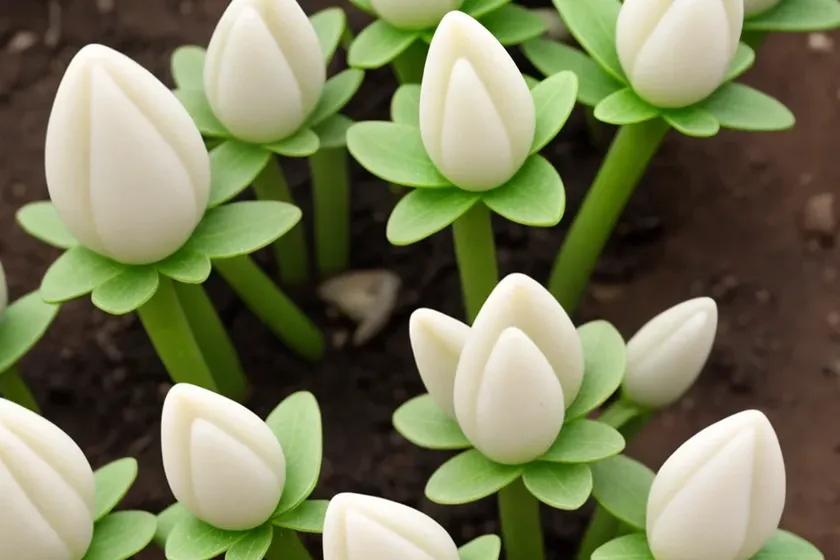
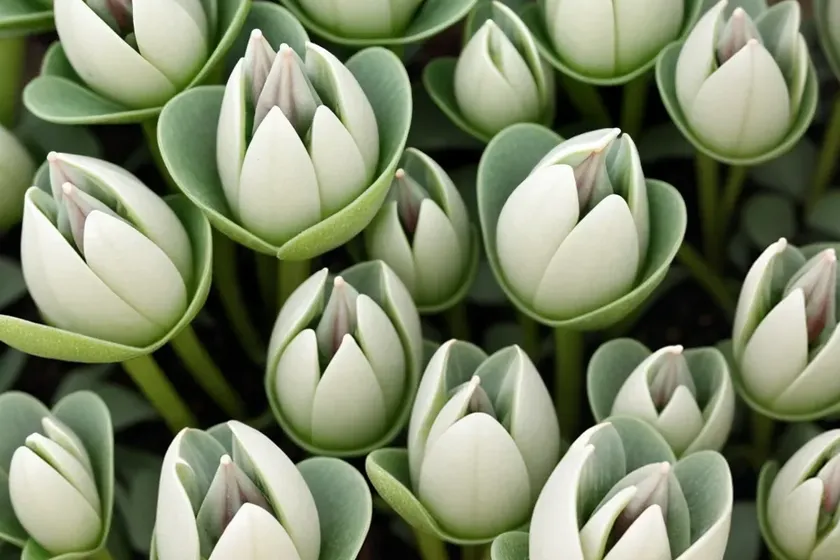
Cotyledon pendens, also known as trailing jade or cliff cotyledon, is a fascinating and visually captivating succulent. This trailing species is characterized by its striking foliage and trailing growth habit, making it a popular choice for both indoor and outdoor gardens. In this comprehensive care guide, we will dive into the key aspects of caring for Cotyledon pendens, including its culture, uses, propagation, maintenance, and more. Whether you are a beginner or experienced gardener, this article will provide you with valuable insights into nurturing and enjoying this beautiful plant.
What is Cotyledon Pendens?
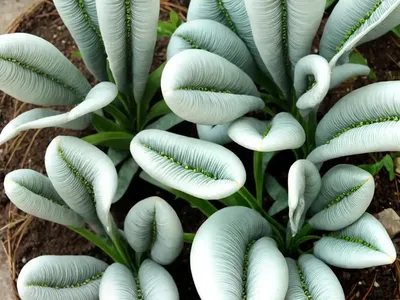
Cotyledon pendens belongs to the Crassulaceae family and is native to the Eastern Cape of South Africa. Its unique trailing foliage and vibrant flowers make it a sought-after plant for those seeking an eye-catching addition to their gardens or indoor spaces. This succulent is best known for its cascading stems adorned with fleshy, spoon-shaped leaves that range in color from light green to grayish-green. In the right conditions, Cotyledon pendens blooms with bell-shaped, pendulous flowers that can add a stunning pop of color to its trailing vines.
Key Takeaways – Cotyledon Pendens
Here’s a quick overview of the key takeaways for Cotyledon pendens to set the stage for our in-depth discussion:
- Common Name: Trailing Jade, Cliff Cotyledon
- Family: Crassulaceae
- Origin: Eastern Cape, South Africa
- Foliage: Succulent, trailing, spoon-shaped leaves
- Flowers: Bell-shaped, pendulous, colorful blooms
- Growth Habit: Trailing, cascading growth
- Uses: Ornamental plant for containers, hanging baskets, and ground cover
- Care Level: Low-maintenance, drought-tolerant
Culture
Understanding the cultural requirements of Cotyledon pendens is essential for creating a conducive environment for its growth and overall well-being. Proper culture directly impacts the plant’s health, growth rate, and ability to produce beautiful blooms. Let’s explore various aspects of the cultural considerations for this trailing succulent.
Uses
Cotyledon pendens is a versatile plant that lends itself to a range of uses, both indoors and outdoors. Its trailing and cascading growth habit make it a popular choice for the following applications:
- Container Planting: Its trailing nature makes it an excellent choice for container gardens, hanging baskets, and mixed succulent arrangements.
- Ground Cover: When planted en masse, Cotyledon pendens can create an attractive and low-maintenance ground cover, especially in rock gardens or arid landscapes.
- Hanging Foliage: Due to its trailing vines and striking foliage, it is often used as a trailing houseplant to add visual interest and a touch of greenery to indoor spaces.
Water
Establishing an appropriate watering routine is crucial for the health and vitality of Cotyledon pendens. As a succulent, it is adapted to withstand periods of drought, but it is also important to provide adequate moisture to support its growth and prevent dehydration.
Watering Guidelines for Cotyledon Pendens:
- Frequency: Water deeply but infrequently, allowing the soil to dry out between watering sessions. Aim to water approximately every 7-10 days during the growing season and reduce frequency during the winter months.
- Soil Moisture: Ensure that the soil is well-draining to prevent waterlogging, which can lead to root rot.
- Avoid Overwatering: Overwatering is a common issue for succulents and can result in rot and other complications. Always err on the side of underwatering rather than overwatering.
Sunlight
Proper sunlight exposure is critical for the growth and development of Cotyledon pendens. As a succulent plant, it thrives in bright light conditions and benefits from ample sunshine to support its foliage and flowering capabilities.
Sunlight Requirements for Cotyledon Pendens:
- Indoor Placement: Choose a brightly lit area with indirect sunlight for indoor cultivation. East or west-facing windows are often suitable for providing the necessary light without exposing the plant to harsh midday sun.
- Outdoor Placement: When grown outdoors, position Cotyledon pendens in a location with partial to full sun exposure. Protect it from intense afternoon sun in regions with hot climates to prevent sunburn on the leaves.
Fertilizer
Feeding Cotyledon pendens with appropriate nutrients can bolster its overall health and encourage robust growth. However, as a succulent, it has specific requirements when it comes to fertilization.
Fertilization Guidelines for Cotyledon Pendens:
- Frequency: Apply a balanced, water-soluble fertilizer diluted to half-strength once a month during the growing season (spring and summer). Refrain from fertilizing during the dormant period in the fall and winter.
- Fertilizer Type: Choose a fertilizer specifically formulated for succulents or cacti, ensuring that it provides essential macronutrients and micronutrients suited to the plant’s needs.
Soil
The right soil composition plays a significant role in fostering healthy growth for Cotyledon pendens. A well-draining and nutrient-rich soil mix is essential to support its succulent nature and prevent issues such as waterlogging and root rot.
Recommended Soil Mix for Cotyledon Pendens:
- Ingredients: Create a well-draining soil mix using a combination of cactus or succulent potting mix, perlite, and coarse sand. This blend promotes proper drainage and prevents excess moisture around the roots.
- Soil pH: Aim for a slightly acidic to neutral pH range (approximately 6.0 to 7.0) to create an optimal growing medium for Cotyledon pendens.
Pruning
Pruning is an important aspect of Cotyledon pendens maintenance, particularly to manage its trailing growth and encourage a compact and bushy form. Additionally, removing spent flowers and leggy stems can promote the plant’s overall health and aesthetic appeal.
Pruning Tips for Cotyledon Pendens:
- Leggy Growth: Trim long, leggy stems to maintain the plant’s desired shape and encourage lateral branching for a fuller appearance.
- Deadhead Flowers: Remove faded or spent flowers to redirect the plant’s energy towards new growth and potential flower production.
- Sterilize Tools: When pruning Cotyledon pendens, use clean and sterilized tools to minimize the risk of transmitting diseases or pathogens to the plant.
Propagation
Exploring the methods of propagating Cotyledon pendens can empower plant enthusiasts to expand their collection and share this captivating succulent with others. This section delves into effective propagation techniques for cultivating new plants from established specimens.
Propagation Methods:
- Stem Cuttings:
- Select a healthy stem with several leaves, and use a clean, sharp knife or shears to take a cutting just below a node.
- Allow the cutting to callous over for a few days to a week to prevent rot, then plant it in a well-draining cactus mix.
-
Water sparingly until new roots develop, signaling that the cutting has established itself.
-
Leaf Cuttings:
- Gently twist off healthy leaves from the stem, ensuring that the leaf comes away cleanly without tearing.
- Allow the leaf cutting to air-dry and form a callus for a few days, then place it on top of a moist cactus mix.
-
Over time, the leaf will send out roots, followed by new plantlets at the base, leading to the formation of new plants.
-
Offshoots or Division:
- If the parent plant produces offshoots or pups, carefully detach them from the main plant and replant them in their own containers.
- Provide the offshoots with appropriate care and conditions as they establish themselves and develop into independent plants.
Container Popularity
The trailing nature of Cotyledon pendens makes it an attractive option for container gardening, whether placed as a standalone specimen or combined with other succulents and ornamental plants. The following are popular container options for growing and displaying this trailing succulent:
- Hanging Baskets: Cotyledon pendens looks stunning when allowed to cascade from hanging baskets, showcasing its trailing growth and creating an eye-catching display.
- Pots and Planters: Planted in individual pots or combined with other succulents in a planter, it adds an elegant and dynamic touch to indoor and outdoor spaces.
- Vertical Gardens: Incorporate Cotyledon pendens into vertical garden arrangements to capitalize on its graceful trailing habit and create living wall displays.
Common Diseases
While Cotyledon pendens is generally resistant to many common succulent pests and diseases, it is still susceptible to certain issues that can compromise its health and appearance. Understanding these potential challenges can aid in prevention and timely intervention.
Disease Diagnosis
A vigilant approach to monitoring the plant’s overall condition is essential for detecting and addressing any signs of disease promptly. Common diseases that may affect Cotyledon pendens include:
- Root Rot: Typically caused by overwatering or poorly draining soil, leading to blackened, mushy roots and wilting foliage.
- Powdery Mildew: Characterized by a white, powdery growth on the leaves, often triggered by high humidity and poor air circulation.
- Leaf Spot: Manifests as dark, sunken spots on the leaves, potentially caused by fungal pathogens thriving in damp conditions.
Treatment and Prevention
Take proactive measures to prevent diseases by providing optimal growing conditions and practicing good cultural habits. In the event of disease onset, implement the following strategies for treatment and control:
- Adjust Watering: Address overwatering issues and ensure that the soil dries out between watering sessions to prevent root rot and related complications.
- Improving Air Circulation: Increase airflow around the plant by adjusting its placement, especially if growing indoors, to discourage powdery mildew and leaf spot development.
- Fungicidal Treatments: If disease symptoms persist, consider using approved fungicidal sprays or treatments specifically formulated for succulents, following label instructions carefully.
Common Pests
While Cotyledon pendens is generally robust against most common pests, occasional infestations may occur, posing a threat to the plant’s well-being. Understanding the potential pests and their control methods is crucial for maintaining a pest-free environment for the trailing succulent.
Common Pests Affecting Cotyledon Pendens:
- Mealybugs: These small, cottony insects may cluster on the leaves and stems, sapping the plant’s sap and causing damage.
- Spider Mites: These tiny arachnids can create fine webbing on the plant and cause stippling on the leaves due to their feeding habits.
- Aphids: Small, soft-bodied insects that may congregate on new growth and flower buds, leading to distortion and yellowing of the foliage.
Pest Control Measures:
- Manual Removal: Use a gentle stream of water or a soft brush to dislodge and remove pests from the foliage, then monitor the plant for any recurrence.
- Horticultural Oil: Consider applying horticultural oil to suffocate and control common pests like mealybugs and spider mites, following product guidelines for application and safety.
- Natural Predators: Encourage natural predators such as ladybugs and lacewings, which feed on aphids and other small insects, to establish a balanced ecosystem in the garden or indoor environment.
Botanist’s Tips
As a botanist specializing in succulent plants, I have gathered valuable insights and practical tips for cultivating and caring for Cotyledon pendens. These expert recommendations can contribute to the success of your gardening endeavors and the flourishing of this unique trailing species.
Botanist’s Expert Tips for Cotyledon Pendens Care:
- Soil Mix Quality: Invest in a high-quality, well-draining succulent potting mix or create a custom blend to provide an optimal growing medium for Cotyledon pendens.
- Seasonal Adjustments: Modify your care routine in response to seasonal changes, adapting watering, light exposure, and fertilization to align with the plant’s natural cycles.
- Pruning Techniques: Regularly assess the plant’s growth and prune as necessary to maintain a tidy and attractive appearance, while also promoting healthy branching and growth.
- Observation and Vigilance: Observe the plant closely for any signs of stress, disease, or pest infestations, and take timely corrective measures to address these issues.
Fun Facts
Discovering intriguing and lesser-known facts about Cotyledon pendens can deepen your appreciation for this captivating succulent and enhance your overall gardening experience. Here are some fascinating tidbits about this trailing species:
- Native Habitat: In its native South African habitat, Cotyledon pendens thrives in rocky, mountainous terrain and is often found clinging to cliffs and rocky outcrops, showcasing its natural trailing habit.
- Hydrophobic Leaves: The leaves of Cotyledon pendens are coated with a waxy layer that exhibits hydrophobic properties, allowing them to shed water and prevent moisture loss in arid conditions.
- Pollinator Magnet: When in bloom, the pendulous flowers of Cotyledon pendens attract pollinators such as bees and butterflies, contributing to the diversity of garden ecosystems.
Links to External Resources
For further exploration of plant care, propagation, and unique varieties of Cotyledon pendens, I recommend consulting the following reputable external resources:
- The Complete Guide to Succulent Care
- Propagating Succulents: A Step-by-Step Guide
- Succulent Varieties and Species
- Identifying and Treating Common Plant Pests and Diseases
As you embark on your journey of cultivating and nurturing Cotyledon pendens, I encourage you to embrace the rewarding experience of tending to this unique and visually captivating succulent. By applying the insightful care tips and recommendations shared in this guide, you can foster thriving Cotyledon pendens plants that bring beauty and charm to your indoor and outdoor spaces. Happy gardening!
Based on the specified keywords, the blog post addresses various aspects of Cotyledon pendens care, propagation, varieties, watering, lighting requirements, soil type, indoor and outdoor care, maintenance, pruning, repotting, pests and diseases, container gardening, trailing plant characteristics, and interesting facts. The content features in-depth discussions, expert tips, and external resource recommendations to provide a comprehensive guide for plant enthusiasts.