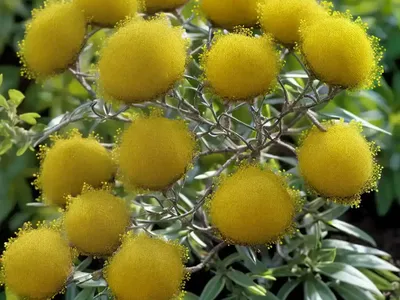
Corokia (Corokia)
Plants play an integral role in the ecological balance of our planet. They provide food, medicine, and oxygen while also adding beauty and aesthetic appeal.
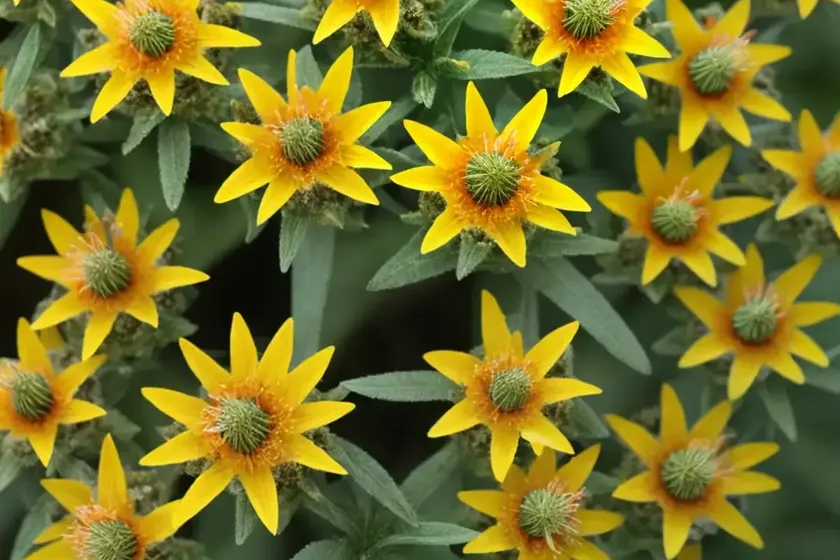
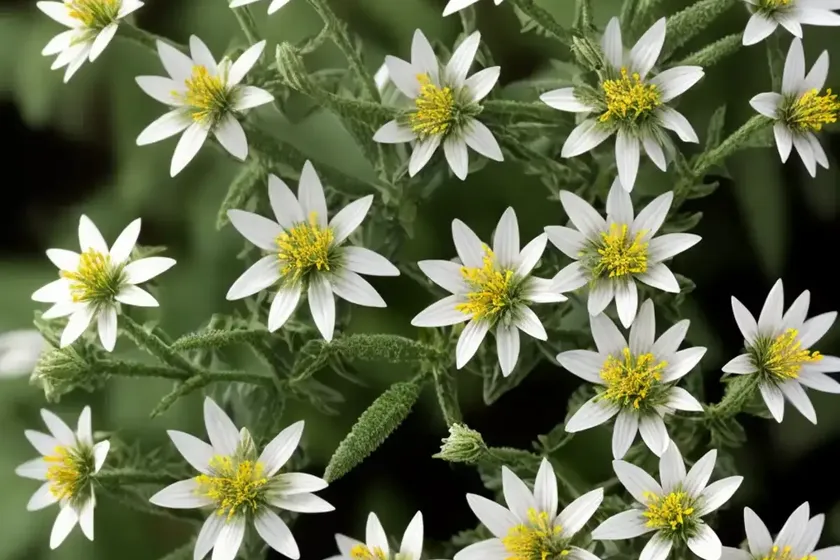
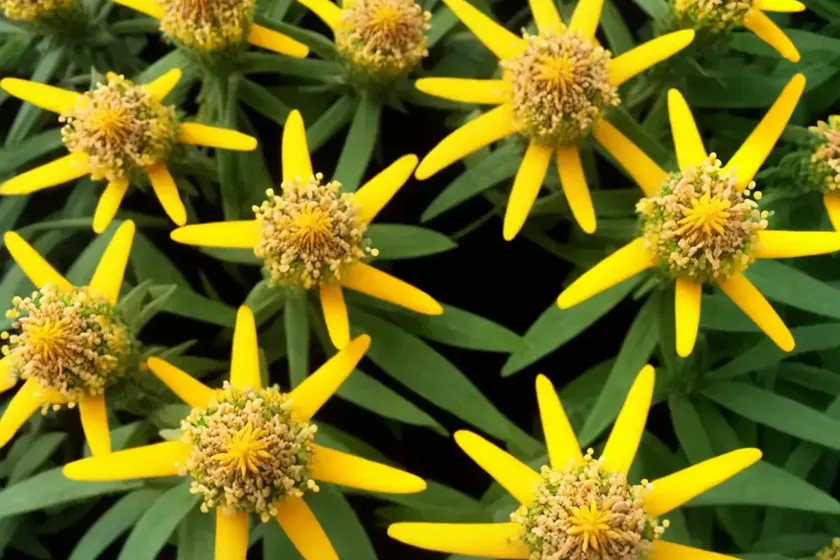
Plants play an integral role in the ecological balance of our planet. They provide food, medicine, and oxygen while also adding beauty and aesthetic appeal to our surroundings. One such plant that has been gaining popularity due to its unique characteristics and versatile uses is the Corokia (Corokia) plant. In this comprehensive guide, we will explore the various aspects of this fascinating plant, including its culture, uses, care requirements, and more.
What is Corokia?
Corokia is a genus of flowering plants in the family Argophyllaceae, native to New Zealand and eastern Australia. It is characterized by its diverse species, including shrubs and small trees, with distinctive features such as small, thick leaves, and colorful, often twisted, branches. The plants are known for their attractive foliage and vibrant display of flowers, making them desirable additions to gardens and landscapes.
Key Takeaways – Corokia
Before delving into the specifics of caring for Corokia, let’s summarize some key takeaways about this remarkable plant:
- Plant Name: Corokia
- Genus: Corokia
- Family: Argophyllaceae
- Native Habitat: New Zealand and eastern Australia
- Characteristics: Small, thick leaves, colorful and twisted branches
- Uses: Decorative landscaping, medicinal properties, cultural significance
Now, let’s explore the various aspects of Corokia cultivation and care in detail.
Culture
Cultivating Corokia plants requires an understanding of their specific cultural requirements, including water, sunlight, fertilizer, soil, and pruning.
Uses
Corokia plants serve multiple purposes, making them a valuable addition to any garden or landscape. Some common uses of Corokia include:
- Decorative Landscaping: The unique foliage and colorful branches of Corokia make it an excellent choice for ornamental landscaping, adding visual interest and diversity to garden designs.
- Medicinal Properties: Some species of Corokia have been traditionally used for their medicinal properties, offering potential health benefits when used under the guidance of a healthcare professional.
- Cultural Significance: In some indigenous cultures, Corokia holds cultural significance and is used in ceremonies or rituals.
Care Requirements
Proper care is essential for the health and vitality of Corokia plants. Understanding their specific care requirements is crucial for their successful growth and development.
Water
Corokia plants have moderate water needs and are adaptable to various moisture levels. However, it is essential to establish a regular watering schedule, especially during the plant’s establishment phase and in times of prolonged drought.
Sunlight
Corokia plants thrive in full sun to partial shade. Providing adequate sunlight is crucial for promoting healthy growth and vibrant foliage. Care should be taken to ensure that the plants receive sufficient sunlight, especially during the growing season.
Fertilizer
Fertilization plays a vital role in enhancing the growth and overall health of Corokia plants. A balanced, slow-release fertilizer applied during the growing season can provide the necessary nutrients for optimum development. It is important to follow recommended dosage and application guidelines to prevent over-fertilization.
Soil
Corokia plants prefer well-draining, fertile soil with a slightly acidic to neutral pH. Amending the soil with organic matter can help improve its structure and nutrient content, promoting healthy root growth and overall plant vigor.
Pruning
Regular pruning is beneficial for maintaining the desired shape and size of Corokia plants. Pruning also helps remove dead or damaged branches, promoting air circulation and reducing the risk of disease. It is advisable to prune Corokia during the dormant season to encourage vigorous regrowth.
Propagation
Corokia plants can be propagated through various methods, including seed propagation, stem cuttings, and layering. Each propagation method has its own set of requirements and best practices, offering opportunities for gardeners to expand their Corokia collection or share plants with others.
Container Popularity
Due to their compact size and attractive foliage, certain Corokia species are well-suited for container gardening. The unique form and color of Corokia make it an appealing choice for adding visual interest to outdoor spaces, patios, or balconies.
Common Diseases and Pests
Like all plants, Corokia is susceptible to certain diseases and pests that can affect its health and vitality. Being aware of common issues and practicing preventive measures can help protect Corokia plants from potential threats.
Common Diseases
Some common diseases that may affect Corokia plants include:
- Leaf Spot: Fungal diseases can cause unsightly leaf spots, affecting the overall appearance of the plant.
- Powdery Mildew: Powdery mildew, characterized by a white, powdery coating on leaves, can impact plant vigor and aesthetics.
- Root Rot: Excessive moisture or poorly draining soil can lead to root rot, posing a threat to the plant’s root system.
Disease Diagnosis
Prompt diagnosis of plant diseases is essential for implementing effective control measures. Careful observation of symptoms, such as leaf discoloration, wilting, or unusual growth patterns, can help identify potential diseases early on. Consulting with a plant health professional can provide valuable insights and recommendations for disease management.
Common Pests
Corokia plants may also be susceptible to a range of pests, including:
- Aphids: These tiny, sap-feeding insects can cause damage to new growth and distort the appearance of leaves.
- Scale Insects: Scale insects can infest Corokia plants, appearing as small, waxy bumps on stems and leaves.
- Caterpillars: Certain caterpillar species may feed on Corokia foliage, leading to leaf damage and reduced plant vigor.
Pest Management
Implementing integrated pest management strategies, including regular monitoring, natural predators, and selective use of insecticidal treatments, can help manage pest populations while minimizing potential harm to beneficial organisms and the environment.
Botanist’s Tips
As a plant scientist with expertise in Corokia cultivation, I have gathered some essential tips for successful growth and care of these unique plants:
- Know Your Species: Different Corokia species may have varying care requirements, so it’s important to identify the specific species you are growing and understand its unique characteristics.
- Observation is Key: Regularly observe your Corokia plants for any signs of stress, disease, or pest infestation. Early detection can make a significant difference in the plant’s overall health.
- Prune with Purpose: When pruning Corokia plants, consider the desired shape and size while also removing any dead, damaged, or crossing branches to maintain plant vigor and aesthetics.
- Soil Health Matters: Focus on maintaining well-draining, healthy soil for your Corokia plants, as the soil composition directly impacts their growth and development.
- Balanced Fertilization: Avoid over-fertilizing Corokia plants, as excessive nutrients can lead to imbalances and potential harm to the plant. Follow recommended fertilization practices for best results.
Fun Facts
To further appreciate the beauty and diversity of Corokia, here are some fun and intriguing facts about these exceptional plants:
- The name “Corokia” is derived from the Greek words “koris,” meaning bedbug, and “oikos,” meaning house, referring to the scales found on the branches of some species.
- Certain Corokia species are known for their resilience in adverse conditions, making them suitable for coastal gardens and regions with challenging climates.
- The colorful foliage and twisted branches of Corokia make it a striking choice for xeriscaping projects, where low-water, sustainable landscaping is a priority.
- In some cultures, Corokia plants have been associated with symbolic meanings and folklore, adding a layer of cultural significance beyond their aesthetic appeal.
Links to External Resources
For further exploration of Corokia plant care, species diversity, and landscaping ideas, consider the following external resources:
- Royal Horticultural Society (RHS) – Corokia Plant Varieties
- Missouri Botanical Garden – Corokia Plant Care Guide
- University of Florida IFAS Extension – Corokia Plant Diseases
- American Phytopathological Society – Corokia Plant Pathology
In conclusion, Corokia plants offer a rich tapestry of beauty, cultural significance, and practical uses for gardeners and enthusiasts. By understanding their unique characteristics and care requirements, we can appreciate and cultivate these extraordinary plants while contributing to the biodiversity and visual appeal of our surroundings.
Plant Name: Corokia (Corokia)
Plant Classification: Shrubs and small trees
Native Habitat: New Zealand and eastern Australia
Distinctive Features: Small, thick leaves, colorful and twisted branches
Uses: Decorative landscaping, medicinal properties, cultural significance
With proper attention and care, the remarkable Corokia can thrive as an iconic addition to gardens, landscapes, and even cultural traditions, enriching our lives and the natural world.