Cornus Sanguinea ‘Midwinter Fire’ (Bloodtwig Dogwood)
Cornus sanguinea ‘Midwinter Fire’, also known as Bloodtwig Dogwood, is a stunning deciduous shrub that adds vibrant color to winter landscapes. With its.
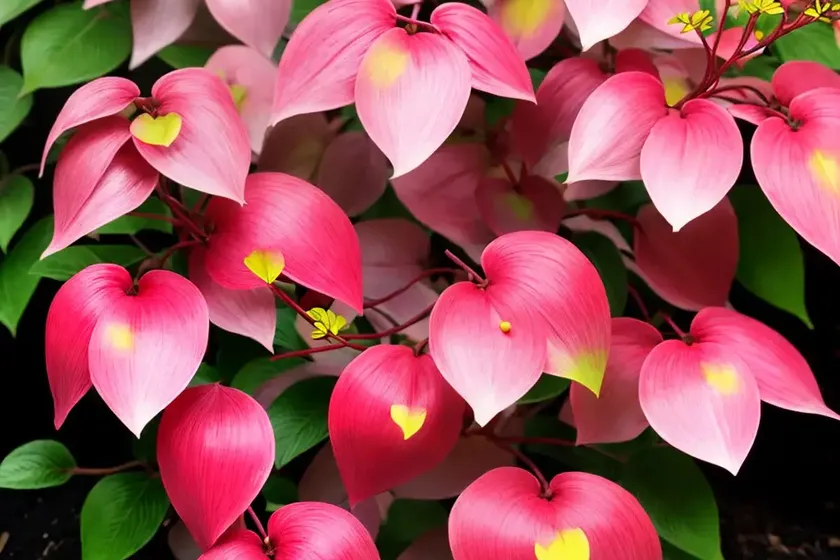
Cornus sanguinea ‘Midwinter Fire’, also known as Bloodtwig Dogwood, is a stunning deciduous shrub that adds vibrant color to winter landscapes. With its distinctive red, orange, and yellow stems, it is a favorite among gardeners and landscapers for its striking visual appeal. In this comprehensive guide, we will explore the characteristics, cultivation, care tips, and various uses of this beautiful plant.
What is Cornus sanguinea ‘Midwinter Fire’?
Cornus sanguinea ‘Midwinter Fire’ is a cultivar of Cornus sanguinea, commonly known as bloodtwig dogwood. This deciduous shrub belongs to the Cornaceae family and is native to Europe, western Asia, and northwestern Africa. It is known for its remarkable winter stem coloration, which intensifies as the temperature drops, creating a spectacular display in the garden.
Key Takeaways
Before delving into the specifics of growing and caring for Cornus sanguinea ‘Midwinter Fire’, let’s outline the key takeaways for this plant:
- Characteristics – Stunning winter stem coloration in shades of red, orange, and yellow. Broad, oval leaves with notable fall color.
- Culture – Adaptable and easy to grow in a variety of conditions.
- Uses – Provides winter interest in the garden, works well in mixed borders, and can be used for erosion control.
- Water – Requires regular watering, especially during dry periods.
- Sunlight – Thrives in full sun to partial shade.
- Fertilizer – Responds well to balanced, slow-release fertilizers.
- Soil – Prefers moist, well-draining soil.
- Pruning – Beneficial to maintain vibrant stem color and shape.
- Propagation – Can be propagated from softwood cuttings or by division.
- Container – Well-suited for container gardening, especially for seasonal displays.
Now, let’s explore each of these aspects in detail to gain a comprehensive understanding of cultivating and caring for Cornus sanguinea ‘Midwinter Fire’.
Characteristics of Cornus sanguinea ‘Midwinter Fire’
The ‘Midwinter Fire’ cultivar of Cornus sanguinea is celebrated for its striking features, especially during the winter months. Understanding its characteristics is essential for successful cultivation and appreciation of its ornamental value.
Foliage and Stem Color
The most notable feature of ‘Midwinter Fire’ is its vibrant stem color. The younger stems exhibit shades of yellow and orange, gradually transitioning to intense red as winter progresses. This coloration presents a breathtaking display against the backdrop of a snowy landscape, making it a valuable addition to winter gardens.
In addition to its colorful stems, this cultivar features broad, oval leaves that emerge in spring. The foliage develops a deep green hue during the growing season and transforms into shades of red and purple in the fall, adding further visual interest to the plant.
Growth Habit and Size
Cornus sanguinea ‘Midwinter Fire’ typically forms a multi-stemmed shrub with an upright and spreading habit. At maturity, it can reach a height and spread of 5 to 8 feet, making it an ideal choice for adding structure and dimension to garden borders and landscape designs.
Hardy Nature
This cultivar is valued for its resilience and adaptability. It is considered hardy in USDA hardiness zones 4-7, allowing it to thrive in a range of climatic conditions. With proper care, it can withstand cold temperatures and is relatively low-maintenance once established.
Growing Cornus sanguinea ‘Midwinter Fire’
Cultivating Cornus sanguinea ‘Midwinter Fire’ involves providing the right growing conditions and implementing proper care practices to ensure its health and vigor.
Water
Maintaining adequate soil moisture is crucial for the health and vitality of ‘Midwinter Fire’. Regular watering, especially during dry spells, is essential, particularly for young plants and during the establishment phase. In general, providing 1-2 inches of water per week, either through rainfall or supplemental irrigation, is recommended.
Sunlight
Proper sunlight exposure is integral to the development of vibrant stem colors and overall plant health. ‘Midwinter Fire’ thrives in full sun to partial shade, with a preference for at least 4-6 hours of direct sunlight per day. In regions with hot summers, partial shade during the hottest part of the day can help prevent leaf scorch and maintain vibrant stem colors.
Fertilizer
Applying a balanced, slow-release fertilizer in early spring can support the growth and development of Cornus sanguinea ‘Midwinter Fire’. A fertilizer with equal parts nitrogen, phosphorus, and potassium, along with micronutrients, can provide the necessary nutrients for healthy foliage and stem growth. Follow the specific instructions on the fertilizer label for application rates and timing.
Soil
The soil requirements for ‘Midwinter Fire’ center around moisture retention and good drainage. It thrives in moderately fertile, well-draining soil. Amending the soil with organic matter, such as compost or well-rotted manure, can improve its texture and fertility. Aim for a slightly acidic to neutral pH range (pH 5.5-7) for optimal growth.
Cornus sanguinea ‘Midwinter Fire’ Care Tips
Effective care practices contribute to the long-term health and ornamental appeal of Cornus sanguinea ‘Midwinter Fire’. Implementing the following care tips will aid in the successful cultivation of this shrub.
Pruning
Pruning plays a significant role in maintaining the vibrant stem colors and overall shape of ‘Midwinter Fire’. The best time to prune is in late winter to early spring, before new growth emerges. Start by removing any dead, damaged, or crossing branches, followed by selective thinning to encourage air circulation and an open growth habit. As the plant matures, periodic rejuvenation pruning by removing older stems can promote vigorous new growth and vibrant stem coloration.
Propagation
Cornus sanguinea ‘Midwinter Fire’ can be propagated through various methods, including softwood cuttings and division.
Softwood Cuttings – Take 4-6 inch-long cuttings from soft, green stems in late spring to early summer. Remove the lower leaves, apply a rooting hormone, and plant the cuttings in a well-draining propagation medium. Keep the cuttings consistently moist and provide bottom heat for improved rooting success.
Division – Mature clumps of ‘Midwinter Fire’ can be divided in early spring before new growth begins. Carefully dig up the clump and use a sharp, clean tool to divide it into smaller sections, ensuring that each division has several healthy stems and a good root system. Replant the divisions at the same depth as the original plant and water thoroughly.
Container Gardening
The compact size and ornamental appeal of Cornus sanguinea ‘Midwinter Fire’ make it well-suited for container gardening. When selecting a container, opt for one that provides ample space for root development and has drainage holes to prevent waterlogging. Use a high-quality, well-draining potting mix, and ensure that the container receives sufficient sunlight throughout the day. Regular watering is crucial, as container-grown plants generally require more frequent irrigation than those in the ground. Overwintering potted ‘Midwinter Fire’ may require additional protection in colder climates to prevent root damage from freezing temperatures.
Bloodtwig Dogwood ‘Midwinter Fire’ Description
The ‘Midwinter Fire’ cultivar of Cornus sanguinea is distinguished by its visually striking stems and overall ornamental appeal. Its description encompasses both its physical attributes and its seasonal changes, highlighting its value in the garden landscape.
Foliage Colors
In addition to its vibrant stems, ‘Midwinter Fire’ displays a range of leaf colors throughout the growing season. The foliage emerges as bright green in spring, transitioning to deeper shades of green as summer progresses. As autumn approaches, the leaves take on hues of red and purple, culminating in a colorful fall display. The combination of colorful stems and striking foliage ensures year-round interest, making it a valuable landscape plant.
Seasonal Changes
The seasonal changes in Cornus sanguinea ‘Midwinter Fire’ are especially noteworthy. As temperatures drop in late autumn and winter, the once vibrant stems intensify in color, creating an arresting visual display against the stark winter backdrop. While the stems are the primary attraction during the dormant season, the transition of foliage colors throughout the year adds depth and dimension to its ornamental value.
‘Midwinter Fire’ Cornus sanguinea Varieties
While ‘Midwinter Fire’ is a renowned cultivar of Cornus sanguinea, it is part of a diverse group of varieties within the species. Variations in stem color, growth habit, and foliage characteristics offer gardeners a range of options to choose from when incorporating Cornus sanguinea into their landscapes.
Variations in Stem Color
Cornus sanguinea encompasses a spectrum of stem colors, including shades of red, yellow, and orange. Varieties such as ‘Midwinter Fire’ exhibit a fiery blend of these colors, while others may feature predominantly red or yellow stems. By selecting different varieties, gardeners can create dynamic displays and contrast within their plantings, adding visual interest and diversity to the landscape.
Foliage and Fall Color
In addition to the stem color variations, different cultivars may present differences in foliage shape, size, and fall coloration. Some varieties may display larger leaves with exceptional fall foliage in shades of red, orange, and purple, while others may have finer foliage textures. These variations offer opportunities for creating captivating color compositions and textural contrasts in garden designs.
Bloodtwig Dogwood ‘Midwinter Fire’ Pruning Guide
Pruning is an essential component of maintaining the health, shape, and vibrancy of Cornus sanguinea ‘Midwinter Fire’. Proper pruning practices contribute to enhanced stem coloration, overall plant vigor, and a well-manicured appearance throughout the year.
Pruning Objectives
When pruning ‘Midwinter Fire’, the primary objectives are to maintain vibrant stem color, remove dead or diseased growth, and shape the plant to enhance its visual appeal. Additionally, rejuvenation pruning can be employed to stimulate vigorous new growth, ensuring a continuous display of colorful stems.
Timing
Late winter to early spring is the ideal time for pruning ‘Midwinter Fire’, as it allows for the removal of older, less vibrant stems and the shaping of the plant before new growth emerges. Pruning during this period avoids interfering with the display of winter stem colors and minimizes the risk of cutting off potential flowering wood.
Pruning Techniques
Begin by inspecting the shrub for any dead, damaged, or diseased stems, and promptly remove them with clean, sharp pruning shears. Next, selectively thin the remaining stems to improve air circulation and overall plant health. Additionally, consider removing a portion of the oldest stems at ground level to promote the growth of new, brightly colored shoots, ensuring a consistent display of vibrant stems.
Maintenance Pruning
Regular maintenance pruning throughout the growing season can help shape the shrub and maintain its desired size and form. This may involve light pruning to correct any irregular growth or to remove wayward branches. Using sanitized pruning tools and making smooth, clean cuts can minimize the risk of disease transmission and promote rapid healing of pruning wounds.
Rejuvenation Pruning
Periodic rejuvenation pruning, typically performed every few years, involves more extensive cutting back of the oldest stems to ground level. This promotes the development of new growth and rejuvenates the plant, ensuring vibrant stem coloration and a vigorous, healthy appearance.
How to Propagate Cornus sanguinea ‘Midwinter Fire’
Propagating Cornus sanguinea ‘Midwinter Fire’ allows for the expansion of garden plantings, the replacement of older specimens, and the sharing of this beautiful shrub with other gardening enthusiasts. The following methods can be employed for successful propagation.
Softwood Cuttings
Softwood cuttings offer a reliable method for propagating ‘Midwinter Fire’ and are best taken during the active growing season, typically in late spring to early summer. Follow these steps for successful softwood propagation:
- Select healthy, non-flowering stems and take 4-6 inch-long cuttings with a sharp, clean tool.
- Remove the lower leaves, leaving only a few leaves at the tip of the cutting.
- Dip the cut end in a rooting hormone to stimulate root development.
- Plant the cuttings in a well-draining propagation medium, such as a mix of peat and perlite or a specialized rooting mix.
- Place the cuttings in a warm, bright location with indirect sunlight and maintain consistent moisture levels to support root formation.
Softwood cuttings generally root within a few weeks and can be potted into individual containers once a healthy root system has developed.
Division
Division is another viable method for propagating Cornus sanguinea ‘Midwinter Fire’, particularly for mature clumps of the shrub. This technique can be employed in early spring before new growth commences. Follow these steps for successful division propagation:
- Carefully dig up the clump, ensuring that a sizable portion of the root system is retained.
- Use a sharp, clean tool to divide the clump into smaller sections, each with several healthy stems and a well-developed root system.
- Replant the divisions at the same depth as the original plant, and water thoroughly to encourage establishment.
Division propagation is beneficial for rejuvenating older specimens and expanding plantings within the landscape.
Cornus sanguinea ‘Midwinter Fire’ Landscape Uses
The ornamental qualities and versatility of Cornus sanguinea ‘Midwinter Fire’ make it a valuable addition to diverse landscape settings. Its various landscape uses contribute to creating visually captivating and dynamic outdoor spaces.
Winter Interest
One of the most prominent landscape uses of ‘Midwinter Fire’ is its contribution to winter interest. The vibrant stem coloration of this cultivar brings an element of drama and visual impact to winter landscapes, particularly when combined with evergreen foliage, conifers, and other plants that exhibit cold-season appeal. Planted against a backdrop of snow or in mixed borders, ‘Midwinter Fire’ shines as a focal point, providing an eye-catching display during the dormant season.
Mixed Borders
The multi-seasonal interest of Cornus sanguinea ‘Midwinter Fire’ makes it an excellent choice for mixed borders and perennial plantings. Its deciduous nature allows for the incorporation of summer and fall-flowering perennials and ornamental grasses alongside the colorful stems, creating a dynamic and ever-changing border throughout the year. When strategically placed, its vibrant stems can serve as a backdrop to perennials with contrasting flower colors, enhancing their visual impact.
Erosion Control
Due to its multi-stemmed growth habit and adaptability to a range of soil conditions, ‘Midwinter Fire’ can be utilized for erosion control on slopes and banks. Planting it in mass or in combination with other erosion-controlling shrubs can help stabilize soil, prevent water runoff, and contribute to the beautification of challenging areas within the landscape.
Seasonal Displays
In addition to its permanent landscape uses, ‘Midwinter Fire’ can be employed in seasonal displays to enhance the visual appeal of outdoor living spaces, patios, and entryways. Container-grown specimens can be showcased during the dormant season, providing a touch of winter elegance to the surroundings. Pairing them with evergreen and coniferous plants in containers creates captivating winter arrangements, adding interest to the outdoor environment.
Best Companion Plants for Bloodtwig Dogwood ‘Midwinter Fire’
Pairing Cornus sanguinea ‘Midwinter Fire’ with compatible companion plants can elevate the visual impact of the landscape and create harmonious planting combinations. When selecting companion plants, consider factors such as color, texture, and seasonal interest to achieve a cohesive and visually appealing composition.
Evergreen Companions
Incorporating evergreen plants alongside ‘Midwinter Fire’ ensures year-round interest and provides a backdrop for the brightly colored stems during the dormant season. Evergreen shrubs such as Pieris japonica with its glossy, leathery leaves and early spring flowers, or Buxus sempervirens (Boxwood) with its compact form and attractive foliage, make excellent companions for ‘Midwinter Fire’. The contrasting textures and persistent greenery of these plants enhance the winter display and offer a sense of permanence to the composition.
Deciduous Shrubs with Fall Color
Pairing ‘Midwinter Fire’ with deciduous shrubs that exhibit exceptional fall color creates a dynamic and visually captivating combination. The vibrant stems of ‘Midwinter Fire’ complement the fall foliage of plants such as Viburnum opulus (European Cranberry bush) with its crimson autumn leaves, and Fothergilla gardenii with its striking blend of red, orange, and yellow hues. This pairing allows for a seamless transition from the fall display of foliage color to the winter show of vibrant stems, ensuring year-round interest in the landscape.
Ornamental Grasses
Incorporating ornamental grasses provides textural contrast and movement within the planting composition. Grasses such as Panicum virgatum (Switchgrass) featuring airy seed heads and Calamagrostis acutiflora (Feather Reed grass) with its upright form can complement the multi-stemmed growth habit of ‘Midwinter Fire’, creating a dynamic interplay of form and texture. The graceful, swaying movement of ornamental grasses adds a sense of rhythm and animation to the landscape, enhancing the overall visual appeal.
Spring-Flowering Bulbs
Interspersing spring-flowering bulbs around the base of ‘Midwinter Fire’ offers a delightful pop of color as the garden transitions from winter to spring. Bulbs such as Narcissus (Daffodils), Tulipa (Tulips), and Crocus bring cheerful blooms and vibrant hues, complementing the emerging green foliage of the shrub. This partnership creates a visually captivating display and marks the beginning of the active growing season with an explosion of color.
Growing Conditions for Cornus sanguinea ‘Midwinter Fire’
Understanding the specific growing conditions required for Cornus sanguinea ‘Midwinter Fire’ is essential for successful cultivation and the expression of its ornamental attributes.
Soil Requirements
‘Midwinter Fire’ thrives in moderately fertile, well-draining soil. It is adaptable to a variety of soil types, including loamy, sandy, or clay soils, as long as they provide adequate drainage. Amending heavy soils with organic matter, such as compost or well-rotted manure, can improve their structure and drainage, creating a conducive environment for the shrub’s growth and development.
pH Preferences
When it comes to soil pH, ‘Midwinter Fire’ favors a slightly acidic to neutral range, typically within the pH 5.5-7. Amending excessively alkaline or acidic soils to adjust the pH to the preferred range can support optimal nutrient uptake and overall plant health. Conducting a soil test can provide valuable insights into the existing pH levels and the necessary amendments for creating an ideal growing environment.
Watering Needs
While ‘Midwinter Fire’ is relatively adaptable to varying moisture levels, consistent and adequate water availability is essential for its vigor and long-term health. During periods of extended dryness, regular watering is crucial, particularly for newly established plants and during the active growing season. Providing 1-2 inches of water per week, either through rainfall