Cornus Sanguinea Arctic Sun� (Bloodtwig Dogwood)
Cornus sanguinea Arctic Sun, commonly known as the Bloodtwig Dogwood, is a captivating deciduous shrub that belongs to the Cornaceae family. This resilient.
Introduction to Cornus sanguinea Arctic Sun (Bloodtwig Dogwood)
Cornus sanguinea Arctic Sun, commonly known as the Bloodtwig Dogwood, is a captivating deciduous shrub that belongs to the Cornaceae family. This resilient and vibrant plant is celebrated for its striking appearance and its remarkable adaptability to various climatic conditions. As a plant scientist, I am fascinated by the diverse characteristics and the ecological significance of this noteworthy species.
Key Takeaways – Cornus sanguinea Arctic Sun (Bloodtwig Dogwood)
Culture
- Cornus sanguinea Arctic Sun is a deciduous shrub that is known for its stunning golden foliage and red stems, which stand out during the winter months.
- It is a versatile plant with a moderate growth rate, typically reaching a height and spread of 5-6 feet.
- The striking appearance of the Bloodtwig Dogwood makes it a popular choice for landscaping and ornamental gardening.
- Its adaptability to a variety of soil types and climates, along with its low maintenance requirements, adds to its appeal.
Uses
- It is commonly used in landscaping and ornamental gardening to add a vibrant burst of color and interest, especially in the winter months when its red stems shine against the snow.
- Bloodtwig Dogwood is also utilized in wildlife gardens, as its berries are a valuable food source for birds.
Water
- It prefers moist, well-drained soil, and regular watering, particularly during the initial establishment period.
- Once established, it exhibits good drought tolerance and can withstand brief periods of dry soil.
Sunlight
- Cornus sanguinea Arctic Sun thrives in full sun to partial shade, making it adaptable to a variety of light conditions.
Fertilizer
- A balanced, slow-release fertilizer can be applied in early spring to support healthy growth and development.
Soil
- The Bloodtwig Dogwood is adaptable to a wide range of soil types, including loamy, sandy, and clay soils, as long as they are well-drained.
Pruning
- It benefits from regular pruning to maintain its desired shape and to encourage new growth. Pruning is best done in late winter or early spring to avoid impacting its winter beauty.
Propagation
- Propagation can be achieved through seeds, softwood cuttings, or hardwood cuttings.
Container Popularity
- Its compact size makes it suitable for container gardening, offering an attractive option for limited garden spaces or urban environments.
Common Diseases
- While relatively resilient, Bloodtwig Dogwood can be susceptible to common diseases such as powdery mildew and leaf spot.
Disease Diagnosis
- Regular inspection of the plant for signs of discoloration, unusual spots, or any abnormal growth can aid in the early diagnosis and treatment of potential diseases.
Common Pests
- It may attract pests such as aphids, scale insects, and leaf miners. Routine monitoring can help in early pest detection and management.
Botanist’s Tips
- Regular maintenance, proper watering, and suitable pruning techniques are key to promoting its health and longevity.
Fun Facts
- The berries of the Cornus sanguinea Arctic Sun are edible and can be enjoyed by birds and wildlife, making it a valuable addition to wildlife habitats.
- It is known for its beautiful autumn foliage, adding to its seasonal interest and appeal.
Links to External Resources
- Royal Horticultural Society – Cornus sanguinea Arctic Sun
- Missouri Botanical Garden – Cornus sanguinea
- University of Florida IFAS Extension – Bloodtwig Dogwood
As a plant scientist, it is fascinating to delve into the intricate details of the Cornus sanguinea Arctic Sun and to understand its unique characteristics and requirements for optimal growth and health.
Plant Name: “Cornus sanguinea Arctic Sun (Bloodtwig Dogwood)”
This section will focus on an in-depth exploration of the unique attributes and the considerations for cultivating the Cornus sanguinea Arctic Sun, also known as the Bloodtwig Dogwood. By understanding its characteristics, care requirements, and its ecological significance, we can appreciate the significance of this remarkable plant species.
Cornus sanguinea Arctic Sun (Bloodtwig Dogwood): An Overview
The Cornus sanguinea Arctic Sun, a cultivar of the Cornus sanguinea species, is celebrated for its vibrant golden foliage and its striking red stems, which are particularly prominent during the winter months. As a deciduous shrub, it offers year-round interest, with its colorful foliage, attractive flowers, and berries that are a valuable food source for wildlife.
Cornus sanguinea Arctic Sun Characteristics
-
Foliage: The colorful foliage of the Arctic Sun Dogwood is one of its defining features, with bright golden-yellow leaves that bring a pop of color to the landscape. The leaves are ovate and opposite in arrangement, adding to the visual appeal of the plant.
-
Stems: During the winter months, the red stems of the Bloodtwig Dogwood stand out against the backdrop of snow, creating a striking contrast and adding a touch of color to the winter landscape.
-
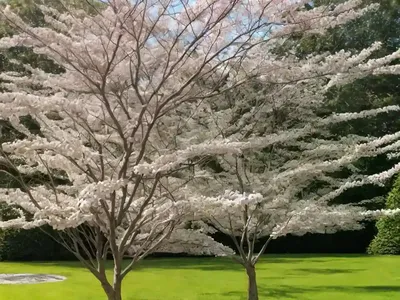
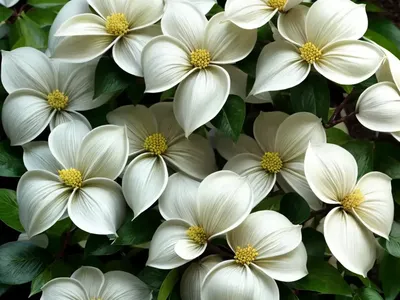
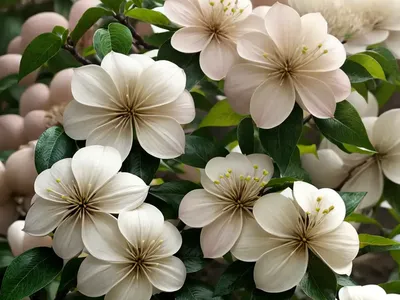
Flowers: In late spring to early summer, it produces clusters of small, creamy-white flowers that are visually captivating and attract pollinators.
-
Berries: The Dogwood’s berries are initially green and mature to a glossy black color. These berries serve as an important food source for birds and wildlife, contributing to the ecological value of the plant.
Arctic Sun Dogwood Care
The care and maintenance of the Cornus sanguinea Arctic Sun are relatively straightforward, making it an attractive option for both experienced gardeners and beginners. Understanding its specific requirements can contribute to its successful cultivation and ensure its health and vitality.
Bloodtwig Dogwood Varieties
While the Arctic Sun variety is renowned for its golden foliage and red stems, there are other notable varieties within the Cornus sanguinea species, each offering unique characteristics and visual appeal. Varieties such as ‘Winter Beauty’ and ‘Midwinter Fire’ are known for their vibrant winter stems, while ‘Magic Flame’ exhibits striking foliage and compact growth habit.
Cornus sanguinea Arctic Sun Planting and Landscaping Uses
The versatility of the Cornus sanguinea Arctic Sun makes it a valuable addition to various landscaping and gardening settings. Its adaptability to different light conditions, soil types, and climates broadens its potential uses in the following ways:
-
Hedging: Its dense growth habit and vibrant winter stems make it an excellent choice for creating a colorful hedge that adds interest throughout the year.
-
Specimen Plant: As a standalone feature in the garden or landscape, the Arctic Sun Dogwood commands attention with its golden foliage and striking stem color.
-
Wildlife Gardens: The berries of the Bloodtwig Dogwood serve as a valuable food source for birds, making it a valuable addition to wildlife-friendly gardens.
-
Mixed Borders: It can be incorporated into mixed borders and perennial plantings to provide a seasonal pop of color and visual interest.
With its diverse uses and visually appealing characteristics, the Arctic Sun Dogwood offers a range of possibilities for creative and practical landscaping applications.
Bloodtwig Dogwood Soil Requirements
The Cornus sanguinea Arctic Sun exhibits adaptability to various soil types, as long as they are well-drained. It can thrive in loamy, sandy, or clay soils, contributing to its versatility in different garden settings. Understanding the soil preferences of the plant is crucial for providing an optimal growing environment and ensuring its long-term health.
Planting Instructions for the Arctic Sun Dogwood
Soil Preparation
-
Prepare the planting area by loosening the soil and incorporating organic matter to enhance drainage and soil fertility.
-
Ensure that the planting site offers good drainage to prevent waterlogging, which can be detrimental to the health of the Dogwood.
Planting Depth and Spacing
-
When planting potted specimens, ensure that the root ball is level with the surrounding soil surface to avoid planting too deeply, which can lead to root suffocation.
-
Space multiple Arctic Sun Dogwoods according to their mature spread, allowing ample room for their growth and development.
Watering and Establishment
-
Provide adequate water after planting to support the establishment of the shrub. Regular watering during the initial growth phase is critical for ensuring healthy root development and overall plant vigor.
-
Once the plant is established, it exhibits good drought tolerance and can withstand brief periods of dry soil. However, regular watering during dry spells is beneficial for its overall health.
Sun Exposure
- The Cornus sanguinea Arctic Sun thrives in full sun to partial shade, making it adaptable to a variety of light conditions. However, it tends to exhibit the most vibrant foliage coloration in full sun.
By following these planting instructions and providing the necessary care, gardeners can set the stage for the successful growth and development of the Cornus sanguinea Arctic Sun.
Pruning Guide for the Bloodtwig Dogwood
Pruning plays a crucial role in maintaining the health, shape, and aesthetic appeal of the Cornus sanguinea Arctic Sun. While it exhibits a natural and appealing growth habit, occasional pruning can help in shaping the plant to the desired form and promoting new growth.
Timing
- It is best to conduct pruning in late winter or early spring before new growth emerges. This timing allows for the removal of any damaged or wayward growth without impacting the plant’s winter stem display.
Techniques
-
Remove Dead or Damaged Wood: Prune out any dead or damaged wood to promote the plant’s overall health and vigor.
-
Thinning and Shaping: Thin out overcrowded branches and shape the plant as needed to maintain its form and ensure adequate air circulation.
-
Promoting Colorful Stems: Encourage the development of vibrant stem color by periodically removing older stems to stimulate the growth of new, brightly colored ones.
Basic Pruning Tips
-
Use clean and sharp pruning tools to ensure clean cuts and minimize the risk of plant injury or disease transmission.
-
Avoid excessive pruning, as the Cornus sanguinea Arctic Sun generally requires minimal intervention to maintain its natural beauty and growth habit.
Understanding the principles of good pruning practices is essential for enhancing the health and aesthetic appeal of the Bloodtwig Dogwood while minimizing the risk of potential damage.
Landscape Benefits and Design Ideas
The Cornus sanguinea Arctic Sun offers a range of landscape benefits, making it a valuable addition to gardens, public spaces, and natural areas. Its versatility and visual appeal lend themselves to a variety of landscaping and design concepts, creating opportunities for incorporating the Bloodtwig Dogwood in the following ways:
Seasonal Interest
-
The striking winter stem color and vibrant foliage offer year-round interest, making it a valuable addition to landscapes and gardens, particularly in the winter months.
-
By strategically placing the Arctic Sun Dogwood in areas where its vibrant stems can be appreciated against a backdrop of snow, gardeners can create visually captivating winter landscapes.
Native Habitat
- As a native species in certain regions, the Bloodtwig Dogwood holds ecological significance and contributes to the biodiversity of native habitats.
Companion Plants and Design Concepts
-
Consider incorporating complementary plants and design elements that accentuate the vibrant foliage and striking stem color of the Cornus sanguinea Arctic Sun.
-
Its compact size and adaptability to container gardening offer additional design possibilities for urban and small garden spaces.
-
Planting in groups or drifts can create compelling visual displays, particularly when the foliage transitions through different seasonal colorations.
Wildlife Attraction
- The berries of the Arctic Sun Dogwood attract birds and wildlife, contributing to the ecological value of the plant and its significance as a habitat resource.
By considering these landscape benefits and design ideas, gardeners and designers can explore creative ways to incorporate the vibrant and versatile presence of the Bloodtwig Dogwood in various settings.
Diseases and Pests: Diagnosis and Management
As with any plant species, the Cornus sanguinea Arctic Sun can be susceptible to certain diseases and pests. Understanding the signs of common issues and implementing appropriate management strategies are essential for maintaining the health and vigor of the Bloodtwig Dogwood.
Common Diseases
-
Powdery Mildew: This fungal disease can manifest as a powdery, white coating on the foliage, affecting the overall appearance of the plant.
-
Leaf Spot: Leaf spot diseases can cause unsightly blemishes on the foliage, potentially impacting the aesthetic appeal of the plant.
Disease Diagnosis
- Regular inspection of the plant for signs of discoloration, unusual spots, or any abnormal growth can aid in the early diagnosis and treatment of potential diseases.
Disease Resistance and Management
-
Selecting disease-resistant varieties and providing optimal growing conditions can help in minimizing the risk of common diseases.
-
Implementing appropriate cultural practices, such as maintaining good air circulation and avoiding excessive overhead watering, can contribute to disease prevention.
Common Pests
-
Aphids: These small, sap-sucking insects can infest the foliage, leading to distorted growth and the potential transmission of viral diseases.
-
Scale Insects: Scale insects can appear as small, immobile bumps on the stems and leaves, often causing damage to the plant.
-
Leaf Miners: These pests can cause visible damage by creating tunnels within the leaves, affecting the overall health and appearance of the plant.
Pest Management Strategies
-
Regular monitoring of the plant for signs of pest infestations, such as sticky honeydew or distorted growth, can aid in early pest detection.
-
Implementing integrated pest management (IPM) practices, such as the use of beneficial insects and selective pesticide applications, can help in managing pest infestations while minimizing environmental impact.
By addressing common diseases and pest issues through proactive management and preventive measures, gardeners can promote the long-term health and vitality of the Cornus sanguinea Arctic Sun.
Cultivation and Growth of the Bloodtwig Dogwood
The growth and cultivation of the Cornus sanguinea Arctic Sun are influenced by various factors, including its environmental requirements, climate adaptability, and maintenance practices. Understanding the plant’s growth characteristics can provide valuable insights into promoting its vigor and longevity.
Hardiness and Adaptability
-
The Arctic Sun Dogwood is known for its hardiness and adaptability to a range of climatic conditions, making it suitable for diverse geographic regions.
-
It exhibits good cold tolerance, allowing it to thrive in colder climates and withstand freezing temperatures.
Drought Resistance
- While the Bloodtwig Dogwood prefers moist, well-drained soil, it displays good drought resistance once established, making it suitable for regions with periodic water scarcity.
Seasonal Interest and Ornamental Qualities
- The seasonal interest of the plant, from its vibrant foliage in spring and summer to its striking winter stems, contributes to its ornamental appeal and landscape value.
Maintenance Requirements
- Bloodtwig Dogwood requires minimal maintenance once established, with periodic pruning and basic care practices to promote its health and visual appeal.
Understanding the growth patterns and adaptability of the Cornus sanguinea Arctic Sun is essential for creating an optimal growing environment and supporting its long-term success.
Medicinal Uses and Edible Berries
In addition to its ornamental and ecological significance, the Cornus sanguinea Arctic Sun has historical and cultural associations with certain medicinal uses and the edibility of its berries. Exploring these aspects offers a holistic understanding of the plant’s significance and its potential contributions in traditional and contemporary contexts.
Medicinal Traditions
-
In certain traditional herbal remedies, the bark of various Dogwood species has been used for its astringent properties and for addressing specific health concerns.
-
While contemporary scientific research is ongoing, historical references to the medicinal uses of Dogwood bark contribute to its cultural significance and botanical heritage.
Edible Berries
-
The berries of the Cornus sanguinea Arctic Sun are edible and serve as a valuable food source for birds and wildlife.
-
While the human consumption of Dogwood berries is not as common, their edibility and potential culinary uses add to the plant’s ecological value and cultural associations.
Exploring the multifaceted aspects of the Bloodtwig Dogwood, including its potential medicinal uses and the ecological role of its berries, adds depth to our understanding of this remarkable plant species.
Container Gardening and Design Ideas
The compact size and decorative features of the Cornus sanguinea Arctic Sun make it well-suited for container gardening in various settings. Its adaptability to container growth and the creative design possibilities it offers make it an attractive option for urban landscapes, small gardens, and patio settings.
Container Selection and Planting Tips
-
Choose large, sturdy containers with adequate drainage holes to provide a suitable growing environment for the Bloodtwig Dogwood.
-
Select a high-quality potting mix that offers good drainage and aeration, promoting healthy root development and overall plant vigor.
-
Position the containers in locations that provide the preferred light conditions for the Arctic Sun Dogwood, optimizing its growth and visual appeal.
Seasonal Care and Maintenance
-
Regular watering and fertilization are essential for container-grown Dogwoods, particularly during the active growth phase.
-
Monitor the soil moisture levels and adjust the watering frequency based on the specific environmental conditions and seasonal requirements.
Landscape Design Ideas
-
Incorporate container-grown Cornus sanguinea Arctic Sun as part of mixed arrangements, patios, or urban garden settings to add a vibrant burst of color and interest.
-
Experiment with creative combinations of companion plants and decorative elements to enhance the visual impact of the container displays.
By considering the unique design opportunities and care considerations for container-grown Bloodtwig Dogwood, gardeners and designers can unlock the full potential of this captivating plant in diverse garden settings.
Conclusion
The Cornus sanguinea Arctic Sun (Bloodtwig Dogwood) stands as a testament to the resilience, versatility, and visual appeal of plant species within the Cornus genus. As a plant scientist, the exploration of its unique characteristics, cultivation considerations, and ecological significance provides valuable insights into the intricate world of plant biology and horticulture.
By appreciating the diverse uses, cultivation requirements, and ecological contributions of the Arctic Sun Dogwood, we gain a deeper appreciation for the vital role of plants in both natural and cultivated landscapes. The growing popularity of the Cornus sanguinea Arctic Sun among gardeners, landscapers, and wildlife enthusiasts further highlights its significance as an enduring and cherished plant species.
The unique attributes and intrinsic beauty of the Bloodtwig Dogwood serve as a reminder of the profound connections between plants and the world around us, offering inspiration, ecological value, and practical benefits for both people and wildlife.
References
- Royal Horticultural Society. “Cornus sanguinea Arctic Sun.” Website Link
- Missouri Botanical Garden. “Cornus sanguinea.” Website Link
- University of Florida IFAS Extension. “Bloodtwig Dogwood.” PDF Link
As always, I look forward to further explorations and discoveries in the world of plants and the fascinating insights they provide into the natural world.