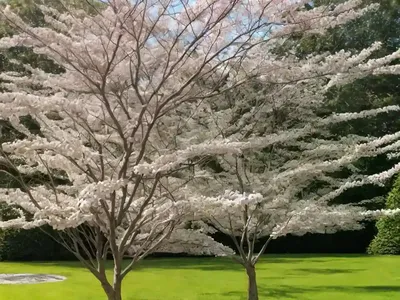
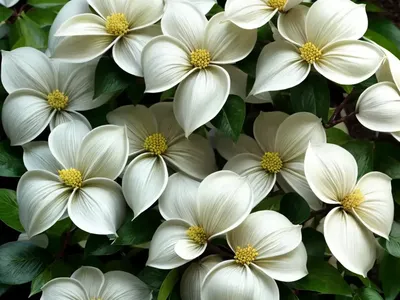
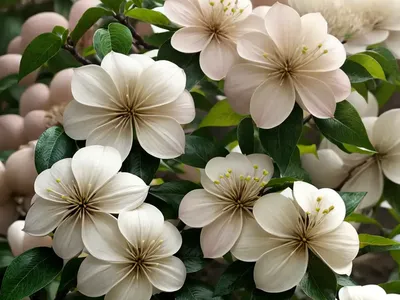
Cornus Sanguinea ‘Anny’s Winter Orange’ (Bloodtwig Dogwood)
As a plant scientist, I am excited to delve into the fascinating world of Cornus sanguinea ‘Anny’s Winter Orange’, commonly known as Bloodtwig Dogwood..
Introduction
As a plant scientist, I am excited to delve into the fascinating world of Cornus sanguinea ‘Anny’s Winter Orange’, commonly known as Bloodtwig Dogwood. This stunning woody shrub is renowned for its vibrant orange branches that provide a burst of color during the winter months. In this comprehensive guide, we will explore the various aspects of this plant, including its cultural requirements, uses in landscaping, propagation techniques, common diseases and pests, as well as interesting facts about this remarkable species.
What is Cornus sanguinea ‘Anny’s Winter Orange’ (Bloodtwig Dogwood)?
Cornus sanguinea ‘Anny’s Winter Orange’ is a deciduous shrub that belongs to the Cornaceae family. This particular variety is prized for its striking orange-red stems, which add visual interest to the winter landscape. The botanical name “sanguinea” is derived from the Latin word “sanguineus,” meaning blood-red, referring to the characteristic color of the twigs.
Key Takeaways – Cornus sanguinea ‘Anny’s Winter Orange’ (Bloodtwig Dogwood)
Before diving into the specifics of caring for this unique shrub, let’s take a moment to highlight the key takeaways associated with Cornus sanguinea ‘Anny’s Winter Orange’:
– Winter Interest: The vibrant orange-red stems of this shrub provide stunning visual interest during the winter months, making it a standout feature in cold-season landscapes.
– Versatile Uses: From ornamental specimen planting to hedges and borders, ‘Anny’s Winter Orange’ is a versatile addition to various landscaping designs.
– Low Maintenance: Once established, this shrub requires minimal maintenance, making it an attractive option for gardeners seeking easy-to-care-for plants.
Culture
Understanding the cultural requirements of Cornus sanguinea ‘Anny’s Winter Orange’ is crucial for successfully growing and maintaining this shrub.
Water
Proper watering is essential for the health and vitality of Bloodtwig Dogwood. While this species is relatively drought-tolerant once established, consistent watering, especially during the dry periods, is recommended. It’s crucial to ensure that the plant receives adequate moisture, particularly during the early stages of establishment and during hot summer spells.
Sunlight
Cornus sanguinea ‘Anny’s Winter Orange’ thrives in full sun to partial shade. When planted in full sun, the shrub exhibits the most vibrant coloration in its stems, enhancing its visual appeal during the winter months. However, it can also tolerate partial shade, making it adaptable to a range of growing conditions.
Fertilizer
When it comes to fertilizing Bloodtwig Dogwood, a balanced, slow-release fertilizer can be applied in the early spring. It’s important to follow the manufacturer’s recommendations for application rates and timing to avoid over-fertilization, which can be detrimental to the plant’s health.
Soil
This species prefers well-draining, slightly acidic to neutral soil. Amending the soil with organic matter can improve its overall structure and fertility, promoting healthy growth and development.
Pruning
Pruning is an essential aspect of maintaining the desired shape and size of Cornus sanguinea ‘Anny’s Winter Orange’. Proper pruning techniques can also enhance the shrub’s visual appeal and promote vigorous growth.
Pruning Techniques
1. Renewal Pruning: Periodic renewal pruning, which involves the removal of older stems to encourage the growth of new, vibrant stems, helps rejuvenate the shrub and maintain its colorful display.
2. Thinning: Thinning out excess growth and crossing branches can improve air circulation and light penetration, reducing the risk of disease and promoting overall plant health.
3. Shaping: Light shaping and trimming can be done in the late winter or early spring to maintain a tidy and well-defined form.
Pruning Schedule
The best time to conduct major pruning on Cornus sanguinea ‘Anny’s Winter Orange’ is during late winter to early spring while the plant is still dormant. However, light pruning for maintenance purposes can be done throughout the growing season, as needed.
Propagation
Understanding the propagation methods for Bloodtwig Dogwood can enable gardeners to expand their plant collection or share this beautiful shrub with others.
Propagation Techniques
1. Softwood Cuttings: Softwood cuttings taken in late spring or early summer can be successfully rooted under controlled conditions, providing a simple and effective means of propagation.
2. Hardwood Cuttings: Hardwood cuttings collected during the dormant season can also be utilized for propagation. These cuttings can be prepared and placed in a suitable growing medium to induce rooting.
3. Division: Dividing established clumps of the shrub is another viable propagation method, typically performed during the early spring when the plant is still dormant.
Container Popularity
Cornus sanguinea ‘Anny’s Winter Orange’ is well-suited to container growing, offering an opportunity to enjoy its beauty on patios, balconies, or in smaller garden spaces.
Container Gardening Tips
When cultivating Bloodtwig Dogwood in containers, consider the following tips:
– Select a spacious container with adequate drainage holes to accommodate the shrub’s root system and promote healthy growth.
– Use a high-quality potting mix with good drainage properties to provide the necessary support and nutrients.
– Regular watering is essential for container-grown specimens, as they are more susceptible to drying out compared to those planted in the ground.
Common Diseases
While Cornus sanguinea ‘Anny’s Winter Orange’ is generally resilient, it is important to be aware of common diseases that may affect this species.
Disease Diagnosis
Some potential diseases that might affect Bloodtwig Dogwood include:
– Powdery Mildew: This fungal disease can appear as a powdery white coating on the leaves, potentially leading to leaf distortion and reduced plant vigor.
– Leaf Spot: Leaf spot diseases may manifest as circular lesions on the foliage, caused by various fungal pathogens. These can lead to premature leaf drop and impact the shrub’s overall health.
Common Pests
In addition to diseases, certain pests may pose a threat to Cornus sanguinea ‘Anny’s Winter Orange’.
Pest Management
Vigilance is important in monitoring for common pests such as:
– Aphids: These small, sap-sucking insects can infest the foliage, causing distortion and stunting of new growth.
– Scale Insects: Scale insects may appear as small, raised bumps on the stems, draining the plant’s resources and compromising its health.
Botanist’s Tips
As a plant scientist, I have some valuable tips for successfully growing and enjoying Cornus sanguinea ‘Anny’s Winter Orange’:
- Enhance Winter Appeal: Pair Bloodtwig Dogwood with evergreen plants or other winter-interest specimens to create a visually dynamic and captivating winter garden display.
- Monitor Moisture Levels: While the shrub is tolerant of dry conditions, maintaining adequate moisture is crucial, especially during the establishment phase and in hot, dry periods.
- Promote Air Circulation: In regions prone to humidity, ensure proper spacing and pruning practices to promote good air circulation around the plant and minimize the risk of fungal diseases.
Fun Facts
Here are some interesting and lesser-known facts about Cornus sanguinea ‘Anny’s Winter Orange’:
– The vibrant orange-red color of the stems intensifies with cold temperatures, reaching its peak during the winter months.
– In addition to its ornamental value, this species also provides habitat and food for various wildlife, including birds.
Links to External Resources
For further information about Cornus sanguinea ‘Anny’s Winter Orange’ and related topics, explore the following resources:
1. Royal Horticultural Society
2. Missouri Botanical Garden
3. University of Florida IFAS Extension
4. North Carolina State University Extension
Conclusion
In conclusion, Cornus sanguinea ‘Anny’s Winter Orange’ (Bloodtwig Dogwood) is an enchanting shrub that adds color, interest, and versatility to the garden landscape. By meeting its cultural requirements, applying proper care and maintenance, and staying vigilant against potential diseases and pests, gardeners can enjoy the year-round attributes of this remarkable plant. Whether utilized as a winter focal point, a container specimen, or an element in mixed borders, the visual appeal and adaptability of ‘Anny’s Winter Orange’ make it a valuable addition to diverse garden settings. As a plant scientist, I encourage enthusiasts to explore the beauty and potential of Cornus sanguinea ‘Anny’s Winter Orange’ and discover the joy of cultivating this captivating species.