Cornus Nuttallii (Pacific Dogwood)
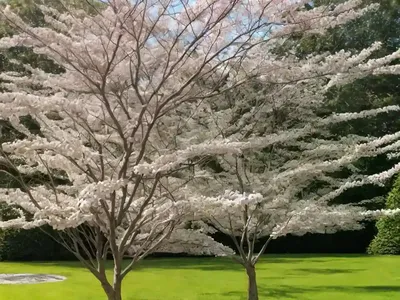
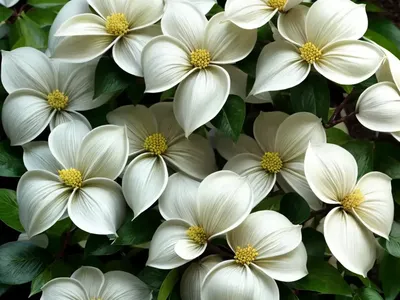
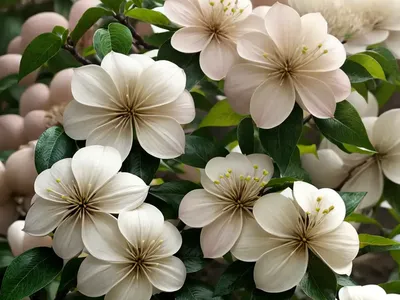
Cornus nuttallii, commonly known as Pacific Dogwood, is a captivating and beautiful flowering tree that is native to the western coast of North America..
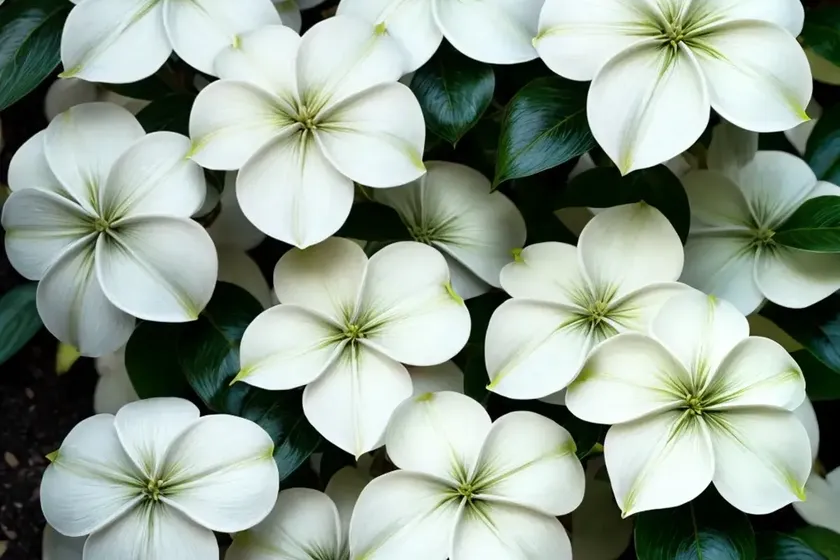
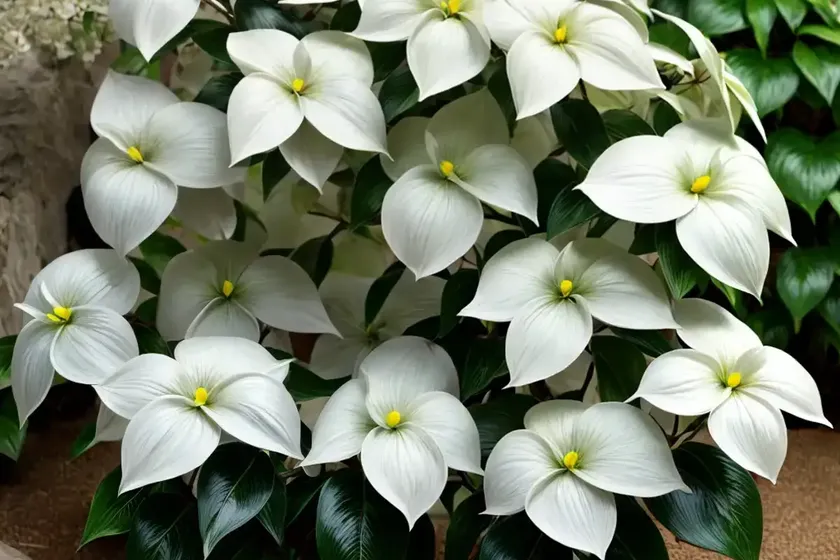
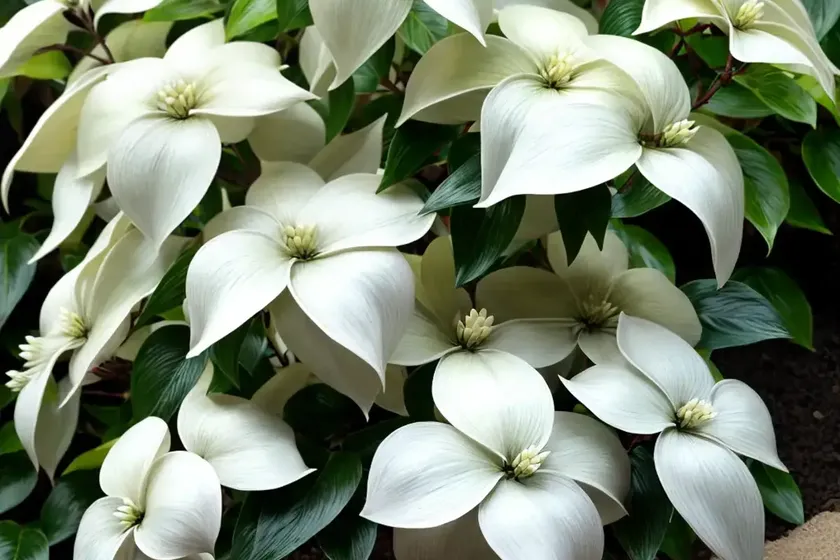
Cornus nuttallii, commonly known as Pacific Dogwood, is a captivating and beautiful flowering tree that is native to the western coast of North America. This species is renowned for its stunning white flowers and its role in diverse ecosystems. In this comprehensive guide, we will explore the culture, uses, care, and other essential aspects of Cornus nuttallii, as well as its significance in horticulture, ecology, and beyond.
What is Cornus nuttallii?
Cornus nuttallii, part of the Cornaceae family, is a deciduous tree that flourishes in moist coniferous forests, particularly in the Pacific Northwest region of the United States and the coastal areas of British Columbia in Canada. The Latin name of Cornus nuttallii pays tribute to Thomas Nuttall, a renowned botanist who made substantial contributions to the field of North American botany during the 19th century. Pacific Dogwood is known for its enticing display of flowers and its ecological importance.
Key Takeaways – Cornus nuttallii (Pacific Dogwood)
To better understand and appreciate Cornus nuttallii, it is essential to delve into various aspects of this remarkable tree. Let’s explore its culture, uses, and essential care requirements.
Culture
Water
Cornus nuttallii thrives in moderate to moist soil conditions. Adequate water supply is crucial, particularly during the establishment phase and in dry periods. However, it is important to ensure that the soil is well-drained to prevent waterlogging, which can lead to root rot and other related issues.
Sunlight
In terms of sunlight requirements, Pacific Dogwood exhibits a preference for partial shade. While it can tolerate some direct sunlight, providing dappled sunlight or partial shade is optimal for its growth and flowering.
Fertilizer
Fertilization is generally not required for Cornus nuttallii if it is planted in nutrient-rich soil. However, if the tree shows signs of nutrient deficiency, a balanced, slow-release fertilizer can be applied in the early spring to support healthy growth and development.
Soil
This species thrives in well-drained, slightly acidic soils that are rich in organic matter. When planting Cornus nuttallii, it is essential to ensure that the soil is loose and fertile to facilitate root establishment and overall growth.
Pruning
Pruning Pacific Dogwood should be approached carefully to maintain its natural shape and promote optimal flowering. It is advisable to carry out pruning during the dormant season to stimulate new growth and remove any dead or diseased branches.
Uses
Cornus nuttallii holds immense cultural, ecological, and horticultural significance. Its uses include:
-
Ornamental Purposes: Pacific Dogwood is widely cultivated for its striking beauty and ornamental value. The tree’s blossoms are often used in floral arrangements and landscape design to enhance aesthetic appeal.
-
Wildlife Habitats: The berries of Cornus nuttallii serve as a crucial food source for various bird species, which contributes to the tree’s role in supporting local wildlife populations.
-
Ecosystem Services: As an integral part of forest ecosystems, Cornus nuttallii contributes to soil stability and nutrient cycling, highlighting its broader ecological importance.
Propagation
Propagation of Cornus nuttallii can be achieved through various methods, including seeds, cuttings, and grafting. Each approach requires careful consideration of the specific requirements and best practices for successful propagation.
Container Popularity
Cornus nuttallii is also known for its adaptability to container growth. This feature makes it a popular choice for individuals with limited outdoor space who still wish to enjoy the beauty of this magnificent tree.
Common Diseases and Pests
While generally robust, Pacific Dogwood can be susceptible to certain diseases and pests, including:
- Powdery Mildew: This fungal disease can affect the foliage of the tree, leading to a powdery white growth on the leaves.
- Dogwood Anthracnose: Caused by the fungus Discula destructiva, this disease can result in dieback and defoliation of the tree, particularly during periods of high humidity.
In terms of pests, Cornus nuttallii may encounter challenges from aphids, scale insects, and borers. Regular monitoring and timely intervention are critical to address and mitigate potential pest infestations.
Botanist’s Tips
As a botanist, I would recommend taking the following key points into consideration when growing and caring for Cornus nuttallii:
-
Climate Adaptability: Understanding the specific climate requirements of Pacific Dogwood is crucial for successful cultivation. This includes considerations for temperature, humidity, and overall environmental conditions.
-
Selective Pruning: When performing pruning activities, take a selective approach to maintain the tree’s natural form and promote healthy growth.
-
Monitoring and Care: Regular observation and care are essential to address any early signs of disease, pest infestations, or nutrient deficiencies.
Fun Facts
- The Pacific Dogwood is the official floral emblem of the province of British Columbia in Canada, symbolizing strength and resilience.
- The wood of Cornus nuttallii has historically been used for crafting tools, making it a valuable resource for Indigenous communities and early settlers.
Links to External Resources
For those interested in further exploring the world of Cornus nuttallii, the following resources provide valuable information and insights:
-
USDA Plants Database – An extensive database offering botanical and ecological information about Cornus nuttallii.
-
The Morton Arboretum – A leading authority on tree science and education, providing valuable resources on Pacific Dogwood and other tree species.
This comprehensive guide to Cornus nuttallii sheds light on the varied aspects of this captivating tree, from its cultural and ecological significance to its key cultivation requirements. With its splendid display of flowers and its value in supporting local wildlife, Pacific Dogwood stands out as an iconic species that enriches natural landscapes and human experiences alike.