Cornus Kousa Var. Chinensis (Chinese Dogwood)
Cornus kousa var. chinensis, commonly known as the Chinese Dogwood, is a stunning ornamental plant that belongs to the Cornaceae family. Known for its.
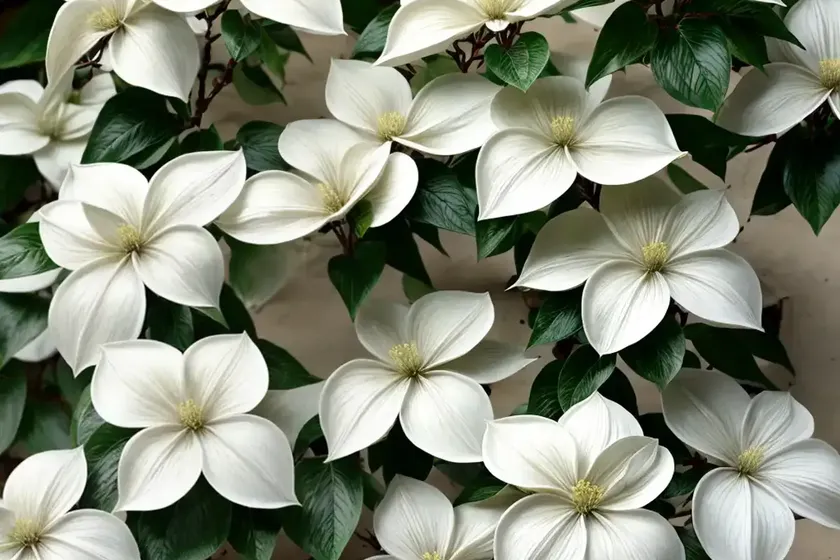
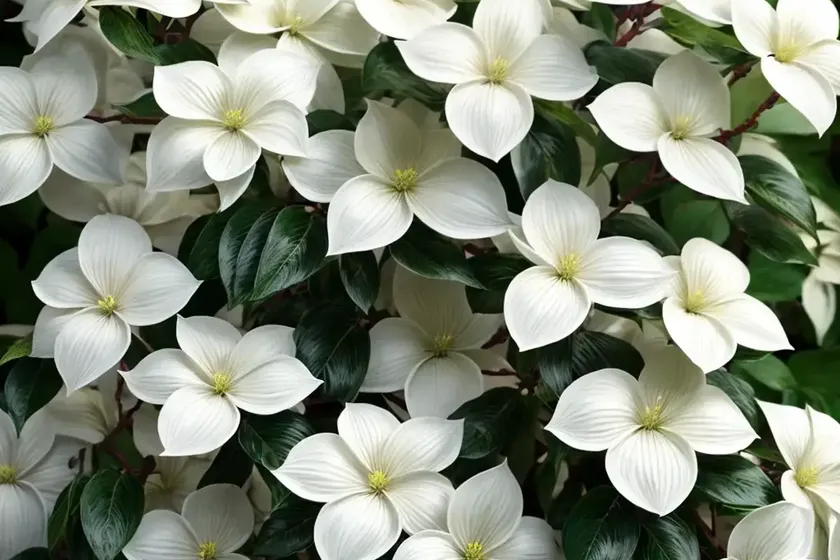
Cornus kousa var. chinensis, commonly known as the Chinese Dogwood, is a stunning ornamental plant that belongs to the Cornaceae family. Known for its beautiful flowers and distinctive bark, this species is widely cultivated in gardens and landscapes across the world. In this comprehensive guide, we will explore the various aspects of this plant, including its culture, uses, care requirements, propagation, and common diseases and pests.
What is Cornus kousa var. chinensis?
Cornus kousa var. chinensis is a deciduous tree native to eastern Asia, specifically China and Korea. It is a variety of the Kousa Dogwood (Cornus kousa), known for its elegant, creamy-white bracts that resemble flowers and appear in late spring to early summer. The botanical features of Chinese Dogwood make it a desirable choice for ornamental planting, as it provides visual interest throughout the year.
Key Takeaways – Cornus kousa var. chinensis (Chinese Dogwood)
Culture
- Plant Type: Deciduous tree
- Growth Rate: Moderate
- Mature Height: 15-30 feet tall
- Mature Spread: 20-25 feet wide
- Bloom Time: Late spring to early summer
- Flower Color: Creamy-white
- Foliage: Green, turning reddish-purple in fall
- Hardiness Zone: 5-8
Uses
- Ornamental tree for gardens, parks, and landscapes
- Attracts birds and wildlife
- Suitable for specimen planting or as part of a mixed border
Water
- Watering Needs: Regular watering, especially during the establishment phase
- Soil Moisture: Well-draining soil, slightly acidic to neutral pH
Sunlight
- Sun Exposure: Full sun to partial shade
- Preferred Growing Conditions: Partial shade, especially in regions with hot summers
Fertilizer
- Fertilization: Apply a balanced, slow-release fertilizer in early spring
- Fertilizer Type: Use a fertilizer specifically formulated for trees and shrubs
Soil
- Soil Type: Well-draining, fertile soil
- pH Range: Slightly acidic to neutral (pH 5.5-7.0)
- Soil Amendments: Incorporate organic matter when planting
Pruning
- Pruning Time: Best carried out in late winter to early spring
- Pruning Needs: Minimal pruning required, primarily for shaping and removal of dead or damaged branches
Propagation
- Propagation Methods: Seeds, cuttings, and grafting
- Propagation Time: Seeds sown in fall, cuttings taken in summer, and grafting in late winter to early spring
Container Popularity
- Suitable for large containers on patios or in small garden spaces
- Provides an attractive focal point when potted
Common Diseases
- Anthracnose
- Powdery mildew
- Leaf spot diseases
Disease Diagnosis
- Visual inspection of leaves, stems, and flowers for characteristic symptoms
- Laboratory analysis to confirm the presence of specific pathogens
Common Pests
- Dogwood borer
- Scale insects
- Aphids
Botanist’s Tips
- Provide adequate irrigation during dry periods, especially in the first few years after planting
- Monitor for signs of pests and diseases regularly, and take appropriate action if needed
- Avoid mechanical damage to the bark and roots
Fun Facts
- The fruit of Cornus kousa var. chinensis is edible and is often used in jams and jellies
- In some cultures, the wood of the Chinese Dogwood is used for crafting tools and utensils
- The species is sometimes referred to as the “Kousa Dogwood”
Now that we have outlined the key takeaways, let’s delve deeper into the various aspects of Cornus kousa var. chinensis and explore how to cultivate and care for this magnificent plant.
Cornus kousa var. chinensis Description
Cornus kousa var. chinensis is revered for its ornamental characteristics, making it a popular choice for landscaping and horticultural purposes. The following section provides a detailed description of the plant’s key features.
Chinese Dogwood Plant
- Leaves: Oval, dark green leaves with prominent veins, turning striking shades of reddish-purple in the fall
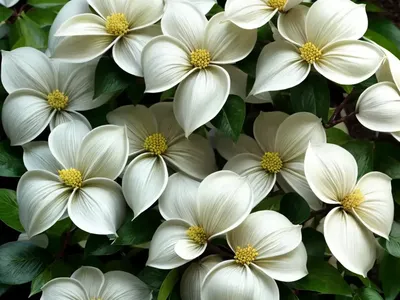
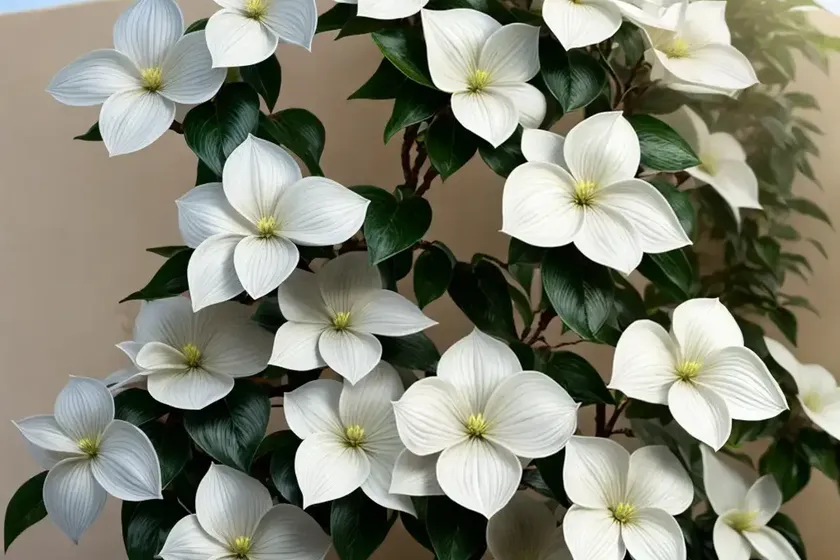
- Flowers: Showy creamy-white floral bracts appear in late spring to early summer, often surrounded by smaller greenish-yellow flowers
- Fruit: Raspberry-like red fruits develop in late summer and persist into fall, giving the tree additional ornamental value
- Bark: Distinctive mottled gray and tan bark with an attractive exfoliating pattern
- Growth Habit: Broad-spreading, multi-stemmed growth habit with a rounded crown
Cornus kousa var. chinensis Facts
- The Chinese Dogwood is a native of China and Korea, where it thrives in the understory of wooded areas
- The species was introduced to the United States in the 1870s and has since become a beloved ornamental tree
Chinese Dogwood Tree
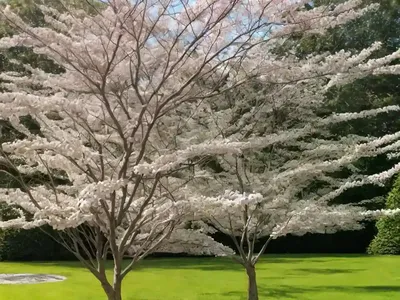
The Chinese Dogwood is a small to medium-sized deciduous tree with a graceful and elegant appearance. Its distinctive bark and beautiful flowers make it an ideal choice for a focal point in a garden or landscape setting. The tree grows at a moderate rate, reaching a mature height of 15-30 feet and a spread of 20-25 feet. When in bloom, the tree is adorned with creamy-white bracts that give the appearance of large, showy flowers. These bracts are often mistaken for petals, but they are actually modified leaves surrounding the tree’s true flowers.
Cornus kousa var. chinensis Care
Caring for the Chinese Dogwood involves providing the appropriate growing conditions and maintenance to ensure the health and vitality of the plant. The following sections outline the specific care requirements for this species.
Chinese Dogwood Growth
Cornus kousa var. chinensis is known for its moderate growth rate, making it a manageable addition to the landscape. When considering the plant’s growth habits, gardeners and landscapers should take into account the tree’s eventual size and spread to ensure that it has adequate space to thrive. Proper pruning and shaping can help maintain a desirable growth form and remove any unwanted or damaged branches.
Cornus kousa var. chinensis Varieties
The Chinese Dogwood has several notable varieties, each offering distinct characteristics that add to the plant’s appeal. Some cultivars exhibit variations in flower color, size, and form, providing options for those seeking specific ornamental traits. By selecting the appropriate variety, gardeners can tailor the visual impact of the Chinese Dogwood to their preferences.
Chinese Dogwood Flowers
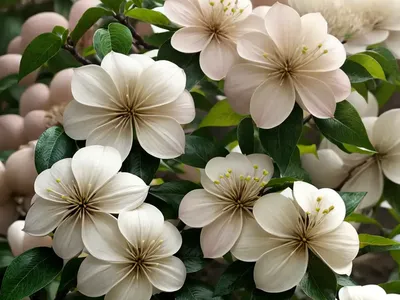
One of the most captivating features of the Chinese Dogwood is its exquisite flowers, which are actually modified leaves known as bracts. These floral bracts surround the true flowers and persist for an extended period, providing an attractive display in the garden. The creamy-white coloration of the bracts contrasts beautifully with the tree’s foliage, making it a stunning sight when in bloom.
Cornus kousa var. chinensis Pruning
Pruning the Chinese Dogwood is generally minimal, with the primary goals being the removal of dead or damaged branches, shaping the tree for aesthetic appeal, and ensuring good air circulation within the canopy. Pruning is best carried out in late winter to early spring, before the tree’s new growth emerges. This timing allows for the removal of any winter damage and helps promote healthy, vigorous growth in the upcoming season.
Chinese Dogwood Characteristics
The Chinese Dogwood is characterized by its distinctive bark, which features an attractive mottled pattern with shades of gray and tan. This visually appealing bark provides year-round interest and adds to the tree’s ornamental value, especially in winter when the foliage is absent. The tree’s overall form and foliage also contribute to its appeal, with lush green leaves that transition to rich red and purple hues in the autumn, creating a vibrant display of color.
Cultivation and Maintenance
When establishing and maintaining a Chinese Dogwood in the landscape, several key factors should be considered to ensure the plant’s success. By addressing the plant’s primary needs and providing thoughtful care, gardeners can create an environment in which the Chinese Dogwood can flourish.
Cornus kousa var. chinensis Planting
When planting a Chinese Dogwood, it is essential to select a suitable site and provide the optimal conditions for the tree’s growth and development. The following guidelines offer valuable insights for successful planting and establishment of the Chinese Dogwood.
- Site Selection: Choose a location with well-draining soil, partial shade, and protection from strong winds
- Soil Preparation: Prepare the planting area by loosening the soil, incorporating organic matter, and ensuring proper drainage
- Planting Depth: Set the tree at the same depth as it was in the container and backfill the hole, firming the soil gently around the roots
- Mulching: Apply a layer of organic mulch around the base of the tree, leaving space around the trunk to prevent moisture retention against the bark
- Watering: Provide ample water after planting, and regularly check soil moisture to ensure consistent hydration during the establishment phase
- Staking: Use supportive stakes if necessary to anchor the tree and prevent damage from winds or shifting soil
Once planted, the Chinese Dogwood should be monitored closely to ensure it adapts well to its new surroundings. Regular watering, particularly during dry periods, is essential to promote healthy root development and aid in the establishment of the tree.
Chinese Dogwood Leaf Spots
While the Chinese Dogwood is generally resilient to many pests and diseases, it may be susceptible to leaf spot diseases under certain conditions. Leaf spots are characterized by discolored or necrotic areas on the foliage, which can affect the tree’s overall appearance and health. Addressing leaf spots may require appropriate fungicidal treatments and cultural practices to mitigate the spread of the disease.
Soil Requirements
The Chinese Dogwood thrives in well-draining, fertile soil with a slightly acidic to neutral pH. Ensuring proper soil conditions is crucial for the tree’s long-term health, as it influences nutrient availability, root development, and overall growth. Conducting a soil analysis and incorporating necessary amendments can help create an optimal environment for the Chinese Dogwood to thrive.
Chinese Dogwood Pruning Techniques
Pruning the Chinese Dogwood involves careful consideration of the plant’s growth habits and desired form. By employing proper pruning techniques, gardeners can enhance the tree’s aesthetics, promote healthy growth, and remove any damaged or overcrowded branches. Some key pruning techniques for the Chinese Dogwood include:
- Removing Deadwood: Eliminate dead, diseased, or damaged branches to maintain the tree’s vitality and appearance
- Thinning: Open up the tree’s canopy by selectively removing overcrowded or crossing branches to encourage good air circulation
- Shaping: Prune the tree to achieve a balanced and attractive form, considering its natural growth pattern and ornamental features
Understanding the purpose and timing of pruning is essential for optimizing the health and visual appeal of the Chinese Dogwood. By following best practices and guidelines for pruning, gardeners can promote the tree’s long-term vigor and resilience.
Chinese Dogwood Soil pH Tolerance
The Chinese Dogwood exhibits good tolerance to slightly acidic to neutral soil pH, ranging from 5.5 to 7.0. This pH range provides an ideal medium for nutrient uptake, root development, and overall plant health. It is important to monitor soil pH periodically and make any necessary adjustments to maintain the optimal growing conditions for the Chinese Dogwood.
Landscape and Design
Incorporating the Chinese Dogwood into landscape designs offers a range of creative possibilities, from focal points and specimen plantings to mixed borders and garden features. Understanding the plant’s ornamental value and growth habits can guide the thoughtful integration of the Chinese Dogwood into various landscape settings.
Chinese Dogwood Companion Plants
Selecting suitable companion plants to complement the Chinese Dogwood can enhance the overall visual impact of the landscape. When choosing companion plants, consider factors such as color coordination, texture contrast, and seasonal interest to create harmonious and engaging plant combinations. Some potential companion plants for the Chinese Dogwood include:
- Spring Flowering Bulbs: Daffodils, tulips, and hyacinths
- Understory Shrubs: Azaleas, rhododendrons, and hellebores
- Perennials: Hostas, ferns, and bleeding heart
By pairing the Chinese Dogwood with compatible and complementary plants, gardeners can create captivating and dynamic plantings that evolve throughout the seasons.
Chinese Dogwood Wildlife Attraction
The Chinese Dogwood has the added benefit of attracting birds and wildlife through its flowers, fruit, and overall habitat value. Birds are particularly drawn to the tree’s fruit, which provides a food source and contributes to the ecological diversity of the garden or landscape. By incorporating the Chinese Dogwood into outdoor spaces, gardeners can support local wildlife and contribute to the preservation of natural ecosystems.
Cornus kousa var. chinensis Ornamental Value
The Chinese Dogwood holds immense ornamental value, manifesting through its captivating flowers, attractive foliage, and distinctive bark. Whether used as a focal point, a component of a mixed border, or an understory planting, the tree’s ornamental characteristics make it an ideal choice for enhancing the aesthetic appeal of outdoor spaces. The Chinese Dogwood also offers seasonal interest, with colorful foliage in the fall and architectural appeal in the winter.
Diseases and Pests
While the Chinese Dogwood is relatively resilient, it may be susceptible to certain diseases and pests under specific conditions. Recognizing the signs of common diseases and pests, as well as implementing preventive measures and management strategies, is essential for maintaining the health and vigor of the Chinese Dogwood.
Cornus kousa var. chinensis Diseases
Several common diseases can affect the Chinese Dogwood, impacting its foliage, flowers, and overall vitality. Recognizing these diseases and understanding their causes and management is crucial for preserving the health and appeal of the plant. Some prevalent diseases of Cornus kousa var. chinensis include:
- Anthracnose: Caused by fungal pathogens, anthracnose can lead to leaf spotting, wilting, and dieback
- Powdery Mildew: Characterized by a white, powdery coating on the foliage, powdery mildew can affect the plant’s photosynthetic abilities and overall vigor
- Leaf Spot Diseases: Various fungal and bacterial pathogens can cause leaf spot diseases, leading to discoloration, necrosis, and defoliation
Disease Control
Preventing and managing diseases in the Chinese Dogwood involves a well-rounded approach that integrates cultural, preventive, and, if necessary, curative measures. Implementing good cultural practices, such as proper irrigation, soil management, and sanitation, is fundamental for disease prevention. Additionally, selecting disease-resistant varieties and conducting regular inspections can aid in maintaining the plant’s health.
Chinese Dogwood Pests
The Chinese Dogwood may encounter pests that can compromise its growth and aesthetics. By identifying and addressing common pests, gardeners can protect the tree from potential damage and infestations. Some prevalent pests affecting Cornus kousa var. chinensis include:
- Dogwood Borer: Larvae of this wood-boring insect can cause damage to the tree’s vascular system, leading to decline and dieback
- Scale Insects: Various species of scale insects can infest the Chinese Dogwood, impacting its sap uptake and overall health
- Aphids: These small, sap-sucking insects can congregate on the Chinese Dogwood, leading to distorted growth and the development of sticky honeydew
Pest Management
Implementing appropriate pest management strategies is crucial for safeguarding the Chinese Dogwood from infestations and associated damage. Practices such as regular monitoring, promoting natural predators, and utilizing targeted treatments can help mitigate pest pressures and maintain the tree’s health. Additionally, creating a favorable growing environment and ensuring overall plant vigor can contribute to resilience against pest issues.
External Resources
For additional information on Cornus kousa var. chinensis and related topics, consider exploring the following external resources:
- The American Conifer Society – Cornus kousa var. chinensis
- University of Florida IFAS Extension – Dogwood Anthracnose
- Penn State Extension – Powdery Mildew of Flowering Dogwood
In conclusion, the Chinese Dogwood (Cornus kousa var. chinensis) stands as a remarkable ornamental tree celebrated for its captivating flowers, distinctive bark, and overall ornamental value. By understanding the plant’s cultural needs, care requirements, and ornamental attributes, gardeners and plant enthusiasts can cultivate and appreciate this remarkable species in landscapes and gardens worldwide. With proper cultivation, maintenance, and preventative practices, the Chinese Dogwood can thrive and enrich outdoor spaces with its timeless beauty and ecological contributions.