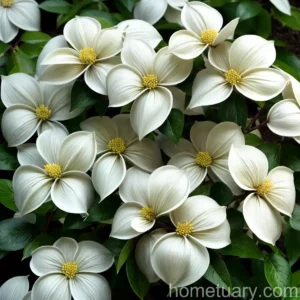
Cornus kousa Scarlet Fire (Kousa Dogwood): A Comprehensive Guide
What is Cornus kousa Scarlet Fire (Kousa Dogwood)?
Cornus kousa Scarlet Fire, commonly known as Kousa Dogwood, is a stunning deciduous tree that belongs to the Cornaceae family. Native to East Asia, specifically China, Korea, and Japan, this ornamental tree is revered for its exceptional beauty and resilience.
The Kousa Dogwood is celebrated for its remarkable four-season interest, featuring beautiful flowers in spring, vibrant foliage in fall, and eye-catching fruits in late summer. This tree also boasts a distinctive exfoliating bark, adding to its year-round appeal.
In this detailed guide, we will delve into the various aspects of the Cornus kousa Scarlet Fire, from its cultural requirements to its uses in landscaping, maintenance tips, and more.
Key Takeaways – Cornus kousa Scarlet Fire (Kousa Dogwood)
Before exploring the intricate details of this enchanting tree, let’s summarize the key takeaways:
- Botanical Name: Cornus kousa Scarlet Fire
- Common Name: Kousa Dogwood Scarlet Fire
- Characteristics: Spectacular flowers, vibrant fall foliage, and attractive exfoliating bark
- Cultural Requirements: Well-drained soil, ample sunlight, regular watering, and periodic fertilization
- Maintenance: Pruning, disease prevention, and pest control
- Uses: Ornamental tree in landscaping, suitable for containers, attractive to wildlife
- Popularity: Widely admired for its beauty and adaptability
Now, let’s dive deeper into the specifics of Cornus kousa Scarlet Fire, covering its culture, uses, maintenance, and more.
Culture
Water
- Young Trees: During the initial establishment period, ensure that the young Cornus kousa Scarlet Fire trees receive regular moisture. Keep the soil consistently moist but not waterlogged.
- Mature Trees: Once established, the Kousa Dogwood exhibits good drought tolerance. However, during prolonged dry spells, consider watering to maintain the vitality and health of the tree.
Sunlight
- Full Sun: Cornus kousa Scarlet Fire thrives in full sun to partial shade. However, it performs best in locations with abundant sunlight, which promotes robust growth and profuse flowering.
Fertilizer
- Fertilization Schedule: Apply a balanced, slow-release fertilizer in early spring to support vigorous growth and enhance the overall health of the tree.
- Prudent Application: Avoid excessive fertilization, as it may lead to lush foliage at the expense of flowers and fruits.
Soil
- Well-Drained Soil: The Kousa Dogwood prefers well-drained, acidic to neutral soil. It thrives in loamy, fertile soils but can also adapt to various soil types, excluding excessively compacted or waterlogged soils.
Pruning
Proper pruning is essential to maintain the health and aesthetics of the Cornus kousa Scarlet Fire. Here are some key points to consider:
Timing
- Late Winter to Early Spring: Conduct major pruning activities during this period when the tree is still dormant.
- Minimal Summer Pruning: Limit pruning during the growing season to minor maintenance tasks, such as the removal of dead or damaged branches.
Techniques
- Remove Diseased Branches: Promptly eliminate any diseased or dead branches to prevent the spread of infections.
- Thinning: Thin out overcrowded branches to promote better air circulation and sunlight penetration, fostering the overall vitality of the tree.
Propagation
Cornus kousa Scarlet Fire can be propagated through various methods, including:
- Seed Propagation: Harvest seeds from mature fruits and sow them in well-prepared soil during autumn for natural stratification and subsequent germination.
- Cutting Propagation: Use semi-hardwood cuttings in late spring or early summer to propagate cultivars with desirable traits, ensuring high success rates with proper care and environmental conditions.
Container Popularity
The compact size and ornamental beauty of Cornus kousa Scarlet Fire make it a popular choice for container cultivation. When grown in containers, ensure the following:
- Large Containers: Select spacious containers to accommodate the root system and provide ample room for growth.
- Well-Drained Soil: Utilize well-draining potting mix to prevent waterlogging and root rot.
- Regular Monitoring: Monitor moisture levels and water as needed, as containers may dry out more quickly than the ground.
Common Diseases
The Cornus kousa Scarlet Fire is generally resistant to many common diseases. However, it can occasionally encounter the following issues:
Disease Diagnosis
- Powdery Mildew: This fungal disease manifests as a powdery, white coating on the foliage, typically during periods of high humidity. Implementing proper air circulation and avoiding overhead watering can help prevent this disease.
- Anthracnose: Anthracnose can lead to leaf spots, dieback, and cankers on the tree. Ensure proper sanitation and promptly remove affected plant parts to mitigate its impact.
Common Pests
Insect Infestations
- Dogwood Borer: Keep a vigilant eye for the signs of dogwood borer infestation, including wilting, visible entry holes, and sawdust-like frass around the trunk. Appropriately timed insecticidal treatments can help manage this pest.
- Scale Insects: Scale insects can also affect Kousa Dogwood. Utilize horticultural oils or insecticidal soaps to control these pests, especially during their vulnerable crawler stage.
Botanist’s Tips
To ensure the optimal growth and well-being of Cornus kousa Scarlet Fire, consider the following expert tips:
- Mulching: Apply a layer of organic mulch around the base of the tree to conserve moisture, regulate soil temperature, and deter weed growth.
- Avoid Soil Compaction: Protect the root zone from compaction, as the shallow roots of the Kousa Dogwood are sensitive to soil disturbance.
Fun Facts
- The showy flowers of Cornus kousa Scarlet Fire are often mistaken for petals, but they are actually bracts that surround the true flowers.
- Kousa Dogwood fruits are edible, often used in jams, jellies, and baked goods. They are also attractive to wildlife, including birds.
Now that we’ve covered the cultural aspects, disease resistance, and botanist’s tips, let’s explore the related links to external resources for further information and guidance.