Cornus kousa ‘Milky Way’ (Kousa Dogwood): A Beautiful Ornamental Tree for All Seasons
Introduction
The Cornus kousa ‘Milky Way,’ commonly known as the Kousa Dogwood, is a stunning ornamental tree that has gained popularity among gardeners and landscapers. With its beautiful blooms, impressive fall foliage, and resistance to diseases, this tree has become a favorite for adding aesthetic and ecological value to landscapes. In this blog post, we will delve into the cultivation, characteristics, care tips, and uses of Cornus kousa ‘Milky Way,’ providing a comprehensive guide for anyone interested in growing this remarkable plant.
Key Takeaways – Cornus kousa ‘Milky Way’ (Kousa Dogwood)
Before we dive into the specifics of growing and caring for the Cornus kousa ‘Milky Way,’ let’s take a look at some key takeaways about this lovely tree:
- Benefits: The Kousa Dogwood offers a multitude of benefits, from its striking aesthetic appeal to its value for wildlife and its resilience in various conditions.
- Varieties: There are several varieties of Kousa Dogwood, each with its own unique characteristics and features.
- Characteristics: The Cornus kousa ‘Milky Way’ is known for its beautiful blooms, impressive fall color, and unique fruit clusters.
- Growing Conditions: This tree thrives in specific conditions related to water, sunlight, soil, and fertilizer, which we will explore in detail.
- Care Tips: To ensure the health and vitality of the Kousa Dogwood, it is essential to provide proper care, including pruning, watering, and pest management.
- Blooms: The striking blooms of the Cornus kousa ‘Milky Way’ add a touch of elegance to any landscape, making it a popular choice for many gardeners.
- Landscape Ideas: With its versatility and beauty, the Kousa Dogwood can be used in various landscape designs, from traditional to wildlife-friendly gardens.
- Propagation: Understanding how to propagate the Cornus kousa ‘Milky Way’ allows for expanding its presence and sharing its beauty with others.
- Pests and Diseases: While generally resistant to diseases, the Kousa Dogwood may still face certain pests and issues that need to be addressed.
- Fall and Winter Interest: Even in the colder months, the Cornus kousa ‘Milky Way’ continues to stand out, offering visual interest and ecological benefits.
With these key takeaways in mind, let’s explore in detail the various aspects of growing and nurturing the Cornus kousa ‘Milky Way’ to fully appreciate its beauty and value in the landscape.
What is Cornus kousa ‘Milky Way’ (Kousa Dogwood)
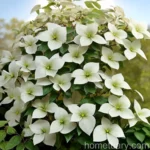
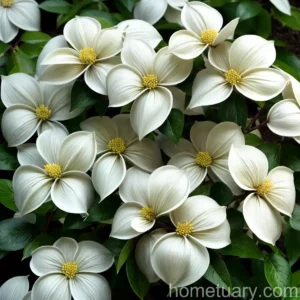
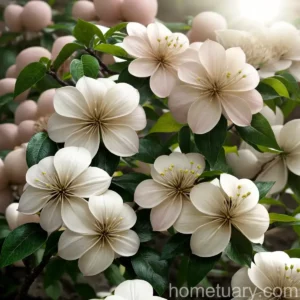
The Cornus kousa ‘Milky Way,’ commonly known as Kousa Dogwood, is a small deciduous tree native to East Asia. It is part of the Cornaceae family and is known for its stunning white flowers that bloom in late spring to early summer. The Kousa Dogwood is highly valued for its ornamental characteristics, including its distinctive bark, unique fruit clusters, and vibrant fall foliage.
Plant Details
- Botanical Name: Cornus kousa ‘Milky Way’
- Common Name: Kousa Dogwood
- Plant Type: Deciduous tree
- Mature Size: 15-25 feet in height and width
- Sunlight: Full sun to partial shade
- Soil Requirements: Well-drained, fertile soil
- Hardiness Zone: 5-8
- Bloom Time: Late spring to early summer
- Native Range: East Asia
Now that we have an overview of the Cornus kousa ‘Milky Way,’ let’s delve into the specific aspects of its cultivation, care, and uses.
Culture
Cultivating the Cornus kousa ‘Milky Way’ involves understanding its specific cultural requirements to ensure optimal growth and overall health. This encompasses various factors such as water, sunlight, fertilizer, soil, and pruning.
Water
Proper watering is essential for the health and growth of the Kousa Dogwood. While it is important to provide consistent moisture, especially during the tree’s establishment period, it is equally crucial to avoid waterlogged conditions. As a general guide, the tree should receive about 1 inch of water per week, either from rainfall or irrigation.
Sunlight
The Kousa Dogwood thrives in full sun to partial shade. While it can tolerate partial shade, it tends to produce the best blooms and fall color when provided with full sun. However, in regions with hot summers, providing some shade during the hottest part of the day can benefit the tree.
Fertilizer
To support healthy growth and abundant blooms, the Cornus kousa ‘Milky Way’ benefits from a balanced fertilizer application in early spring. A slow-release fertilizer formulated for trees and shrubs can be applied around the drip line of the tree, following the manufacturer’s recommendations.
Soil
Well-drained, fertile soil is ideal for the Kousa Dogwood. The tree prefers slightly acidic to neutral soil with a pH range of 5.5 to 6.5. Amending the soil with organic matter such as compost can further enhance its fertility and structure.
Pruning
Pruning the Cornus kousa ‘Milky Way’ is generally minimal and primarily focused on shaping the tree and removing any damaged or diseased branches. It is best to prune the tree during its dormant season in late fall to early winter to minimize stress and promote vigorous spring growth.
By understanding and addressing these cultural aspects, gardeners can provide an optimal environment for the Cornus kousa ‘Milky Way’ to thrive and showcase its remarkable ornamental features.
Uses
The versatility of the Cornus kousa ‘Milky Way’ makes it a valuable addition to various landscape settings. From its aesthetic appeal to its ecological benefits, this tree serves a range of uses, adding beauty and functionality to gardens and outdoor spaces.
Landscape Ornamental
As an ornamental tree, the Kousa Dogwood is highly valued for its stunning white or pink flowers, unique fruit clusters, and vibrant fall foliage. It serves as a focal point in the landscape, offering visual interest and elegance throughout the seasons.
Wildlife Attraction
The fruit clusters of the Cornus kousa ‘Milky Way’ are not only ornamental but also serve as a food source for birds and wildlife. By planting this tree, gardeners can contribute to supporting local wildlife and creating a more ecologically diverse landscape.
Shade Tree
The spreading canopy of the Kousa Dogwood provides excellent shade, making it a desirable choice for creating shaded outdoor spaces. Whether used in residential gardens or public parks, the tree’s shade-enhancing qualities are highly appreciated.
Privacy Screen
When planted in groups or rows, the Cornus kousa ‘Milky Way’ can serve as an attractive and effective privacy screen, offering a natural barrier and visual separation within the landscape.
Companion Planting
The Kousa Dogwood can be paired with other plants to create attractive and dynamic garden compositions. When combined with flowering perennials, shrubs, and groundcovers, it contributes to diverse and visually appealing plantings.
By leveraging these various uses of the Cornus kousa ‘Milky Way,’ gardeners and landscapers can fully appreciate and maximize the benefits of this exceptional ornamental tree.
Propagation
Understanding how to propagate the Cornus kousa ‘Milky Way’ allows for expanding its presence and sharing its beauty with others. While the tree can be propagated through seeds, hardwood cuttings, and grafting, hardwood cuttings and grafting are the most commonly used methods.
Propagation by Hardwood Cuttings
- Timing: Hardwood cuttings are best taken in late fall or early winter when the tree is dormant.
- Preparation: Select healthy, disease-free branches and cut 8-10 inch sections of mature, woody growth.
- Treatment: Dip the cut ends in rooting hormone to encourage root development.
- Planting: Insert the cuttings into a well-draining propagation medium and provide bottom heat to enhance rooting.
- Care: Keep the medium consistently moist and provide a humid environment until the cuttings develop roots.
Grafting
- Scion Selection: Choose a healthy and desirable cultivar of the Kousa Dogwood for the scion wood.
- Rootstock: Select a compatible rootstock and prepare it for grafting.
- Grafting Process: Use the preferred grafting method, such as cleft grafting or whip and tongue grafting, to join the scion and rootstock.
- Aftercare: Ensure proper care and monitoring to support successful graft union and overall development.
By mastering the propagation techniques of the Cornus kousa ‘Milky Way,’ gardeners can propagate and share the tree’s distinct beauty with others, contributing to the diversity of landscapes and gardens.
Container Popularity
The Cornus kousa ‘Milky Way’ exhibits a certain level of popularity as a container plant due to its manageable size and ornamental value. When grown in containers, the tree can be showcased on patios, decks, or as a focal point in small garden spaces, allowing for greater flexibility in landscaping.
Container Requirements
When growing the Kousa Dogwood in containers, it is essential to ensure that the following requirements are met:
– Container Size: Select a large container that provides ample space for root development and stability for the tree.
– Drainage: Ensure that the container has adequate drainage to prevent waterlogging and maintain good soil aeration.
– Soil: Use a well-draining potting mix with a slightly acidic pH to mimic the tree’s preferred growing conditions in the ground.
– Watering: Monitor the moisture levels closely and water the tree as needed, taking into account the faster drying conditions in containers.
– Sunlight: Provide sufficient sunlight for the tree, while also considering the potential need for shade during hot summer afternoons.
Care and Maintenance
Growing the Cornus kousa ‘Milky Way’ in containers requires regular care and maintenance to support healthy growth and overall well-being. This includes appropriate watering, fertilization, and occasional repotting as the tree grows.
Design Impact
In container gardening, the Kousa Dogwood can make a significant impact on outdoor spaces, serving as a focal point plant or as part of a container garden composition. Its beautiful blooms, striking fall color, and overall ornamental value contribute to creating visually captivating arrangements.
By embracing the popularity of the Cornus kousa ‘Milky Way’ in container gardening, enthusiasts and landscapers can explore new possibilities in utilizing this tree to enhance various outdoor settings.
Common Diseases
While the Cornus kousa ‘Milky Way’ is renowned for its resistance to many common diseases, it may still face certain issues that require attention and management. Understanding these diseases and their diagnosis is crucial for maintaining the health and vitality of the tree.
Disease Resistance
The Kousa Dogwood exhibits a high level of resistance to dogwood anthracnose, a devastating fungal disease that affects many native dogwood species such as Cornus florida. This resistance has contributed to the increased popularity of the Cornus kousa ‘Milky Way’ as a landscaping tree, especially in areas where dogwood anthracnose poses a significant threat.
Disease Diagnosis
While dogwood anthracnose is not a major concern for the Kousa Dogwood, it is still susceptible to certain diseases and issues such as powdery mildew, leaf spots, and root rot. Monitoring the tree for any signs of abnormal leaf spots, powdery growth, or decline in overall health can aid in timely diagnosis and treatment.
Disease Management
To manage and prevent diseases in the Cornus kousa ‘Milky Way,’ it is essential to implement good cultural practices, including proper watering, adequate air circulation, and timely removal of any diseased plant material. Fungicidal treatments may be considered when necessary, following the recommendations and guidance of horticultural professionals.
By maintaining vigilance and implementing proactive measures, gardeners can help protect the Cornus kousa ‘Milky Way’ from potential diseases and ensure its continued health and vitality.
Common Pests
Although the Cornus kousa ‘Milky Way’ is relatively resistant to pest infestations, it may still encounter certain insect pests that can affect its growth and overall well-being. Understanding these common pests and their management is essential for safeguarding the tree from potential damage.
Insect Pests
Some of the common insect pests that may affect the Kousa Dogwood include:
– Dogwood Borer: The larvae of the dogwood borer tunnel into the trunk and branches, causing damage to the tree’s vascular system and overall structural integrity.
– Scale Insects: Scale insects can infest the tree, feeding on its sap and causing stress and decline, particularly in weakened or stressed trees.
– Japanese Beetles: Both the adults and larvae of Japanese beetles can feed on the foliage of the Kousa Dogwood, causing significant defoliation if the infestation is severe.
Pest Management
Implementing proactive measures and good cultural practices can help manage and prevent pest infestations in the Cornus kousa ‘Milky Way.’ This includes promoting overall tree health, monitoring for signs of pest activity, and considering targeted treatments if necessary, following integrated pest management (IPM) principles.
By understanding the potential pest threats and taking appropriate management actions, gardeners can ensure the continued vigor and resilience of the Cornus kousa ‘Milky Way’ in the landscape.
Botanist’s Tips
As a plant scientist and enthusiast, I would like to share some additional tips and insights for growing and appreciating the Cornus kousa ‘Milky Way’ in various gardening and landscaping scenarios.
Soil Requirements
- Ensure that the soil is well-draining and fertile, with a slightly acidic to neutral pH range of 5.5 to 6.5.
- Incorporate organic matter such as compost into the soil to enhance its fertility and structure.
- Consider soil testing to assess the pH and nutrient levels and make necessary amendments based on the results.
Sunlight Considerations
- While the Kousa Dogwood prefers full sun to partial shade, providing some afternoon shade in hot summer climates can benefit the tree.
- Balance the need for sunlight with considerations for heat and light intensity to create an optimal growing environment.
Pruning Techniques
- Prune the tree during its dormant season, ideally in late fall to early winter, to minimize stress and support vigorous spring growth.
- Focus on removing any damaged, diseased, or crossing branches, and aim to maintain the tree’s natural form and structure.
Landscape Applications
- Explore the versatility of the Kousa Dogwood in various landscape settings, from traditional gardens to wildlife-friendly landscapes and urban environments.
- Consider incorporating the tree into mixed plantings, using its ornamental features to complement and enhance the overall design.
Four-Season Interest
- Appreciate the Cornus kousa ‘Milky Way’ for its four-season interest, from the striking blooms of spring to the vibrant fall foliage and unique fruit clusters.
- Design and plan the landscape to showcase the tree’s beauty and ecological benefits throughout the year.
Companion Planting
- Select companion plants that complement the ornamental attributes of the Kousa Dogwood, creating harmonious and visually appealing garden compositions.
- Consider the seasonal bloom times, foliage textures, and color palettes when choosing companion plantings.
By embracing these tips and insights, gardeners and landscapers can enhance their understanding of the Cornus kousa ‘Milky Way’ and amplify the beauty and value of this exceptional tree in a range of horticultural settings.
Fun Facts
- Cultural Significance: In East Asia, the Kousa Dogwood holds cultural significance and is celebrated for its ornamental value and potential medicinal uses.
- Unique Fruit: The fruit clusters of the Cornus kousa ‘Milky Way’ resemble raspberry-like clusters and are edible, often used in culinary preparations such as jams and preserves.
- Wildlife Support: While the fruit is enjoyed by birds, the tree’s flowers are also a valuable nectar source for pollinators, contributing to ecological diversity.
- Landscape History: The Kousa Dogwood has a rich history in landscaping, with its introduction into Western horticulture leading to the development of numerous cultivars and varieties.
- Artistic Inspiration: The striking blooms and overall elegance of the tree have inspired artists and designers, influencing various art forms and landscape design concepts.
These fun facts showcase the intriguing and diverse aspects of the Cornus kousa ‘Milky Way,’ highlighting its cultural, ecological, and ornamental significance across different contexts and applications.
Links to External Resources
For further exploration and detailed information about the Cornus kousa ‘Milky Way,’ I recommend the following external resources:
- Kousa Dogwood – The Tree Center
- Growing Kousa Dogwoods in the Home Garden – University of Florida IFAS Extension
- Kousa Dogwood – Missouri Botanical Garden
- Plant Care Guide: Kousa Dogwood – Gardener’s Path
- Cornus Kousa – Royal Horticultural Society
These resources provide valuable insights, care guidelines, and horticultural recommendations for the Cornus kousa ‘Milky Way,’ enriching the understanding and appreciation of this remarkable ornamental tree.
In conclusion, the Cornus kousa ‘Milky Way,’ or Kousa Dogwood, stands as a captivating ornamental tree with its beautiful blooms, striking fall color, and versatile uses in various landscape settings. By embracing its cultural significance, understanding its cultivation and care requirements, and appreciating its ecological value, gardeners and landscapers can fully harness the beauty and potential of this exceptional tree. With attention to detail and thoughtful design, the Kousa Dogwood can continue to grace gardens, parks, and outdoor spaces, offering enduring beauty and ecological contributions for generations to come.
Keywords: Cornus kousa ‘Milky Way’ benefits, Kousa Dogwood varieties, Cornus kousa ‘Milky Way’ characteristics, Growing Kousa Dogwood, Kousa Dogwood care tips, Cornus kousa ‘Milky Way’ blooms, Best conditions for Cornus kousa ‘Milky Way’, Kousa Dogwood landscape ideas, Cornus kousa ‘Milky Way’ pruning techniques, How to propagate Cornus kousa ‘Milky Way’, Kousa Dogwood pests and diseases, Cornus kousa ‘Milky Way’ in autumn, Kousa Dogwood for wildlife gardens, Growing Cornus kousa ‘Milky Way’ in containers, Cornus kousa ‘Milky Way’ as a focal point plant, Kousa Dogwood for four-season interest, Cornus kousa