Cornus Foemina (Swamp Dogwood)
In the realm of native flora, Cornus foemina, also known as Swamp Dogwood, holds a special place as a versatile and valuable species. With its wide range.
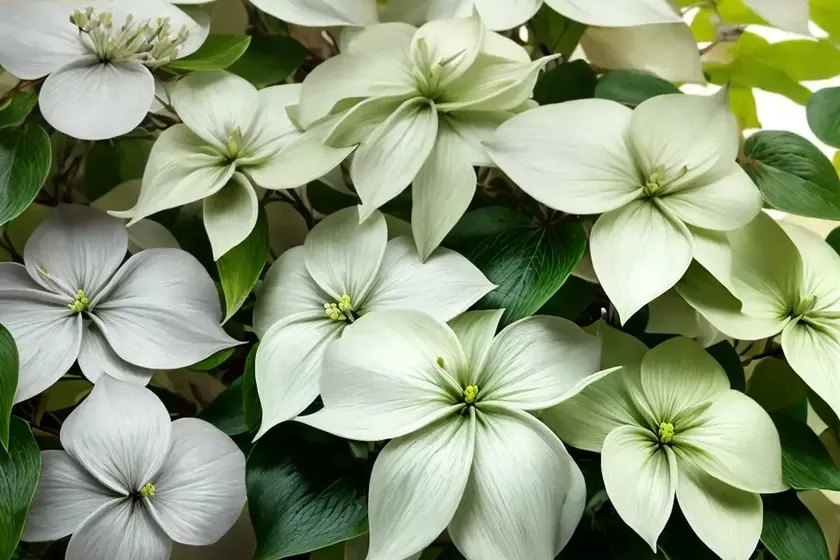
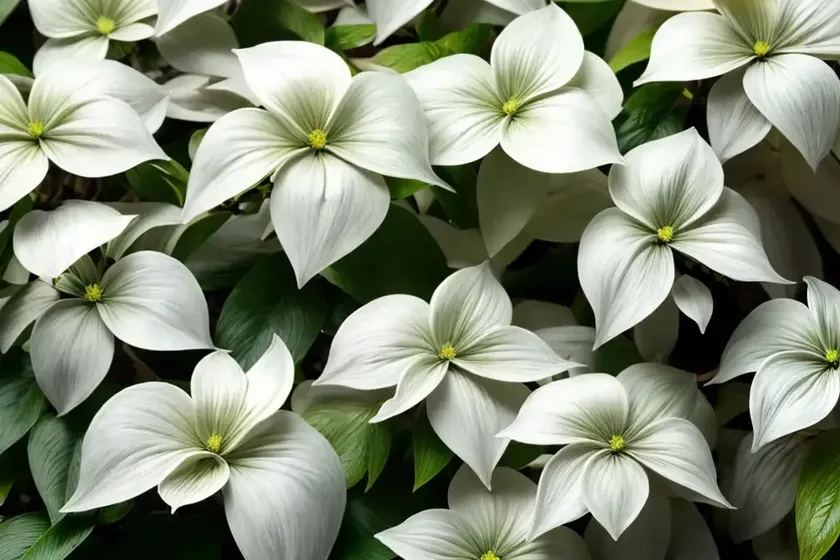
In the realm of native flora, Cornus foemina, also known as Swamp Dogwood, holds a special place as a versatile and valuable species. With its wide range of applications and benefits, this plant has become a favorite among horticulturists, environmentalists, and garden enthusiasts. In this comprehensive guide, we will delve into the world of Swamp Dogwood, exploring its uses, cultivation techniques, ecological significance, and much more.
What is Cornus Foemina (Swamp Dogwood)?
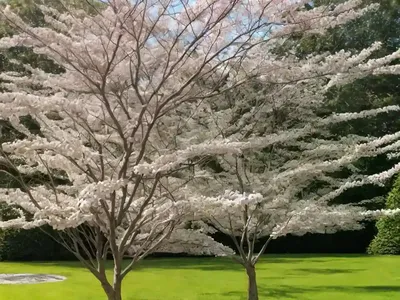
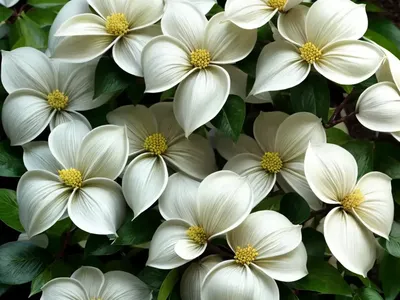
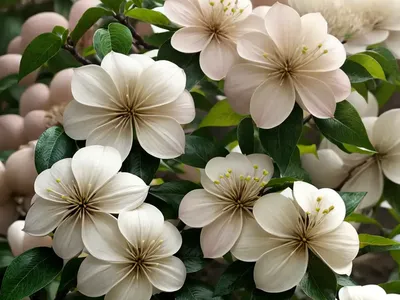
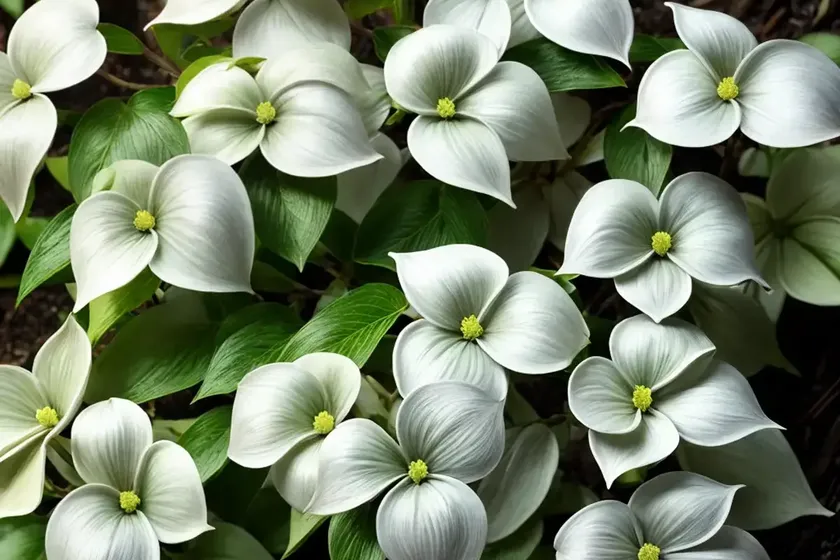
Cornus foemina, commonly referred to as Swamp Dogwood, is a deciduous shrub belonging to the Cornaceae family. This native North American plant can be found across various regions, including wetlands, floodplains, and lowland forests. Its distinctive characteristics, such as vibrant foliage and clusters of white flowers, contribute to its appeal in both natural and cultivated landscapes.
Key Takeaways – Cornus Foemina (Swamp Dogwood)
Before diving into the specifics of this plant, here’s a quick overview of the key takeaways regarding Cornus foemina:
- Scientific Name: Cornus foemina
- Common Name: Swamp Dogwood
- Family: Cornaceae
- Habitat: Wetlands, floodplains, lowland forests
- Characteristics: Vibrant foliage, white flowers in clusters
Now, let’s explore the different facets of this fascinating plant, ranging from its cultural significance to its ecological role.
Culture
Uses
Swamp Dogwood has a myriad of uses, owing to its versatile nature and aesthetic appeal. Some common uses of this plant include:
- Landscape Ornamentation: With its vibrant foliage and showy blooms, Swamp Dogwood is a popular choice for landscape ornamentation, adding color and texture to gardens and natural settings.
- Wildlife Habitat: The plant’s berries provide a valuable food source for birds and other wildlife, making it a crucial component of biodiversity in various ecosystems.
- Erosion Control: Due to its ability to form dense thickets, Swamp Dogwood is effective in stabilizing soil and preventing erosion in wetland and riparian areas.
- Aesthetic Appeal: Its striking fall colors and seasonal changes make it a visually appealing addition to gardens and natural landscapes.
Water
Swamp Dogwood is well-adapted to moist and wet conditions, thriving in areas with ample water availability. When cultivated in landscapes, it is essential to provide consistent moisture, especially during dry spells, to ensure optimal growth and health.
Sunlight
In terms of sunlight requirements, Swamp Dogwood exhibits a preference for partially shaded to fully shaded environments. While it can tolerate some sun exposure, especially in cooler climates, it generally thrives in shaded settings, making it suitable for woodland gardens and forest edges.
Fertilizer
In most cases, Swamp Dogwood does not necessitate extensive fertilization. However, if the soil in the cultivation area lacks essential nutrients, a balanced fertilizer application during the growing season can support the plant’s vigor and vitality.
Soil
The ideal soil for Swamp Dogwood cultivation is well-drained, moist, and rich in organic matter. Its affinity for wetland habitats indicates a tolerance for slightly acidic to neutral soil pH levels, though it can adapt to a range of soil conditions.
Pruning
Pruning Swamp Dogwood is primarily aimed at maintaining its shape, removing diseased or damaged branches, and promoting airflow within the plant. The best time for pruning is during late winter or early spring, before new growth emerges.
Propagation
Swamp Dogwood can be propagated through various methods, including:
- Seed Propagation: Collecting ripe fruits and extracting the seeds for sowing in a suitable growing medium.
- Softwood Cuttings: Utilizing young, tender shoots for propagation, particularly in a controlled environment with high humidity.
Container Popularity
The adaptability of Swamp Dogwood to container cultivation makes it a popular choice among gardeners who seek to incorporate native species into their landscapes or create thriving container gardens.
Common Diseases
While generally resilient, Swamp Dogwood may be susceptible to certain diseases, including:
- Powdery Mildew: Manifests as a powdery white growth on the foliage, often due to poor air circulation and high humidity.
- Anthracnose: Causes dark, irregular lesions on leaves and stems, potentially leading to defoliation in severe cases.
Disease Diagnosis
Identifying and diagnosing potential diseases in Swamp Dogwood involves careful observation of the plant’s foliage, stems, and overall health. Prompt action, such as adjusting cultural practices or applying targeted treatments, can help mitigate the impact of diseases.
Common Pests
Pests that may affect Swamp Dogwood include:
- Aphids: Small, sap-sucking insects that can cause distortion and discoloration of foliage.
- Scale Insects: Often appear as small, waxy bumps on stems and leaves, potentially leading to weakened growth and vitality.
Botanist’s Tips
- When selecting a site for Swamp Dogwood, consider its moisture requirements and plant it in an area with consistent access to water, especially in regions with drier climates.
- Regular inspection of foliage and stems can aid in the early detection of potential pest or disease issues, allowing for timely intervention if necessary.
Fun Facts
- The botanical name “Cornus foemina” alludes to the female reproductive structures of the plant, highlighting its gendered taxonomic designation.
- Swamp Dogwood contributes to the ecological balance of wetland ecosystems by providing food and habitat for a diverse array of wildlife.
Links to External Resources
For more comprehensive information on Swamp Dogwood and related topics, consider exploring the following resources:
- Native Plant Database
- USDA Forest Service: Swamp Dogwood
- Lady Bird Johnson Wildflower Center: Cornus foemina
By delving into the cultural significance, ecological role, and cultivation practices associated with Cornus foemina (Swamp Dogwood), we gain a deeper appreciation for the value it holds within diverse landscapes. Whether utilized for its ornamental beauty, ecological contributions, or practical applications, this native plant exemplifies the multifaceted nature of our natural world. As we continue to explore and embrace the unique qualities of native flora, we enrich our environments and strengthen our connection to the rich tapestry of biodiversity that surrounds us.