Cornus amomum (Silky Dogwood) – A Comprehensive Guide
As a plant scientist, I am thrilled to delve into the depths of Cornus amomum, commonly known as the Silky Dogwood. This versatile and visually appealing shrub has much to offer to both amateur gardeners and seasoned horticulturalists. In this extensive guide, we will explore the culture, uses, maintenance, and much more about this fascinating plant.
What is Cornus amomum?
Cornus amomum is a deciduous, multi-stemmed shrub, belonging to the Cornaceae family. It is native to eastern North America, where it thrives in wetland areas, along stream banks, and in various woodland habitats. This species is highly valued for its ornamental and ecological attributes, making it a popular choice for landscaping and conservation efforts.
Key Takeaways – Cornus amomum (Silky Dogwood)
Before diving deeper into the specifics of Cornus amomum, let’s highlight some of the key takeaways about this remarkable plant.
- Scientific Name: Cornus amomum
- Common Name: Silky Dogwood
- Family: Cornaceae
- Habit: Deciduous multi-stemmed shrub
- Native Range: Eastern North America
- Preferred Habitat: Wetland areas, stream banks, woodland habitats
- Notable Features: Ornamental foliage, showy white flowers, vibrant fall color, wildlife value
Now that we have a brief overview of Cornus amomum, let’s proceed to explore its culture, uses, and the essential factors to consider for its successful growth and maintenance.
Culture
Water
Cornus amomum exhibits a preference for moist to wet soils and is well-suited for planting in areas prone to occasional flooding. While established plants can tolerate brief periods of drought, consistent moisture is essential for optimal growth and vigor, especially during the early stages of establishment. Adequate watering is crucial during the first year after planting to facilitate the development of a strong root system.
Sunlight
In terms of sunlight requirements, Silky Dogwood thrives in partial to full sun. While it can tolerate some shade, providing ample sunlight promotes the best foliage color and abundant flowering. In regions with hot summers, some protection from the intense midday sun can be beneficial.
Soil
When it comes to soil preferences, Cornus amomum demonstrates adaptability to various soil types, ranging from sandy loam to clay. However, it thrives in moist, well-drained soils rich in organic matter. A slightly acidic to neutral soil pH in the range of 5.5 to 7.5 is generally ideal for promoting healthy growth and nutrient uptake.
Uses
Ornamental
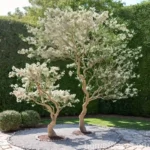
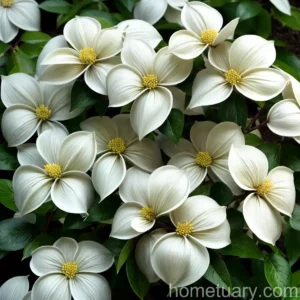
One of the primary uses of Cornus amomum is its ornamental value in landscaping and naturalized settings. The shrub’s dense, spreading habit, attractive foliage, and elegant white flowers make it a captivating addition to garden borders, woodland gardens, and wetland restoration projects. Furthermore, its vibrant red to purple fall foliage adds visual interest to the autumn landscape.
Wildlife Habitat
Beyond its aesthetic appeal, Silky Dogwood serves an essential ecological function by providing valuable habitat and food sources for wildlife. The shrub’s berries are a significant food source for various birds, including songbirds and game birds, while its dense foliage offers nesting sites and protective cover.
Fertilizer
During the initial stages of growth, a balanced slow-release fertilizer applied in spring can provide the necessary nutrients to support healthy establishment and vigor. Furthermore, incorporating a layer of organic mulch around the base of the plant can aid in moisture retention, weed suppression, and gradual soil enrichment as it decomposes.
Pruning
Pruning is an integral aspect of maintaining the shape, size, and overall health of Cornus amomum. The best time for pruning is in late winter to early spring, before new growth begins. This allows for the removal of any damaged, diseased, or crossing branches while shaping the plant to promote an open and appealing growth habit. Furthermore, periodic renewal pruning can rejuvenate older shrubs and encourage vigorous new growth.
Propagation
Cornus amomum can be propagated through various methods, including seed sowing, softwood cuttings, or division. Seed propagation requires stratification to break dormancy and typically results in variable offspring. Softwood cuttings taken in early summer and treated with rooting hormone can yield reliable new plants. Division of established clumps is another effective approach for propagation and rejuvenation.
Container Popularity
While Cornus amomum is primarily valued for its role in naturalized landscapes and conservation areas, it can also be grown in large containers. The shrub’s adaptability to moist soils makes it suitable for container gardening in shaded outdoor spaces, patios, or urban gardens, where it can bring ornamental and ecological benefits.
Common Diseases
Disease Diagnosis
Silky Dogwood may be susceptible to certain foliar diseases, including leaf spots and powdery mildew, especially under conditions of poor air circulation and prolonged leaf wetness. Regular monitoring of the foliage and prompt diagnosis of any disease symptoms is crucial for implementing appropriate management strategies.
Common Pests
In addition to diseases, Cornus amomum can attract a few pests, including aphids, scale insects, and certain caterpillars. Inspecting the plant regularly for signs of pest infestations and taking timely action, such as the application of horticultural oil or insecticidal soap, can help mitigate pest pressures effectively.
Botanist’s Tips
1. Site Selection: When selecting a planting site for Cornus amomum, prioritize locations with moist, well-drained soil and partial to full sun exposure for the best growth and flowering results.
2. Mulching: Applying a layer of organic mulch around the base of the shrub helps to conserve soil moisture, regulate soil temperature, and inhibit weed growth.
3. Observing Wildlife: Embrace the diverse wildlife attracted to Cornus amomum, including birds and butterflies, as a testament to the shrub’s ecological value and contribution to biodiversity.
4. Pruning Techniques: Utilize proper pruning techniques, such as making clean cuts just above a bud or lateral branch, to maintain the shrub’s natural form and promote healthy regrowth.
Fun Facts
To conclude this in-depth exploration of Cornus amomum, let’s delve into a few fascinating and lesser-known aspects of this remarkable plant:
- The berries of Cornus amomum are a valuable food source for various bird species and can add ornamental interest in the late summer and fall.
- In addition to its ecological benefits, Silky Dogwood has historical uses in traditional medicine among certain indigenous communities.
- The vibrant red to purple fall foliage of Cornus amomum offers a captivating display of autumn color, enhancing the seasonal landscape.
Links to External Resources
To further expand your knowledge and appreciation for Cornus amomum, consider exploring the following external resources:
In conclusion, Cornus amomum, or Silky Dogwood, is a versatile and valuable addition to diverse ecosystems and cultivated landscapes. Its ornamental appeal, ecological significance, and cultural uses make it a plant of considerable interest and relevance. By understanding its culture, uses, and maintenance requirements, we can appreciate and harness the full potential of this exceptional shrub.
I hope this comprehensive guide has provided valuable insights into the world of Cornus amomum and inspired a deeper appreciation for its unique attributes and contributions.
Keywords: Cornus amomum care, Silky dogwood plant, Dogwood shrub, Cornus amomum species, Silky dogwood growth, Cornus amomum propagation, Silky dogwood pruning, Cornus amomum planting, Silky dogwood flowers, Cornus amomum benefits, Silky dogwood uses, Cornus amomum varieties, Silky dogwood landscaping, Cornus amomum diseases, Silky dogwood pests, Cornus amomum habitat, Silky dogwood care tips, Cornus amomum maintenance, Silky dogwood foliage, Cornus amomum fruit, Silky dogwood winter care, Cornus amomum hardiness zone, Silky dogwood pruning techniques, Cornus amomum soil requirements, Silky dogwood water needs, Cornus amomum sunlight requirements, Silky dogwood companion plants, Cornus amomum landscape design, Silky dogwood wildlife habitat, Cornus amomum seasonality, Silky dogwood growth rate, Cornus amomum fall color, Silky dogwood uses in medicine, Cornus amomum natural remedies, Silky dogwood for erosion control, Cornus amomum leaf characteristics, Silky dogwood ornamental features, Cornus amomum plant size, Silky dogwood native habitat, Cornus amomum pollinators, Silky dogwood root system, Cornus amomum landscaping ideas, Silky dogwood wildlife value, Cornus amomum companion shrubs, Silky dogwood seasonal interest, Cornus amomum cultivars, Silky dogwood flower arrangements, Cornus amomum wetland plant, Silky dogwood soil pH preferences, Cornus amomum garden design ideas