The Beauty of Cornus alternifolia Golden Shadows� (Pagoda Dogwood)
Introduction:
Plants are not only essential for our ecosystem, but they also bring beauty and life to our surroundings. Among the myriad of plant species available, Cornus alternifolia Golden Shadows�, also known as Pagoda Dogwood, is a stunning and versatile addition to any landscape. In this comprehensive guide, we’ll explore the various aspects of caring for and maintaining Cornus alternifolia Golden Shadows�.
What is Cornus alternifolia Golden Shadows� (Pagoda Dogwood)?
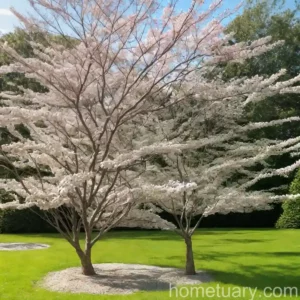
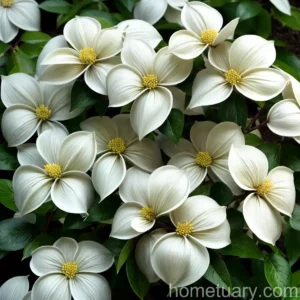
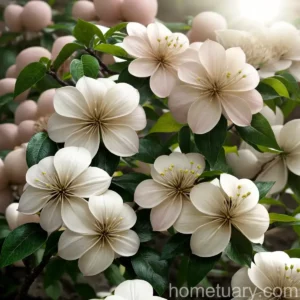
Cornus alternifolia Golden Shadows�, commonly known as Pagoda Dogwood, is a visually striking deciduous shrub that hails from North America. It is celebrated for its unique horizontal branching pattern, variegated foliage, and delicate, creamy white flowers that bloom in spring. The Pagoda Dogwood is a member of the Cornaceae family and is highly valued for its ornamental qualities.
Key Takeaways – Cornus alternifolia Golden Shadows� (Pagoda Dogwood):
- Scientific Name: Cornus alternifolia Golden Shadows�
- Common Name: Pagoda Dogwood
- Family: Cornaceae
- Type: Deciduous shrub
- Native: North America
- Notable Features: Horizontal branching, variegated foliage, white flowers
- Uses: Ornamental, wildlife habitat
- Hardiness Zone: 3-7
Now, let’s delve deeper into the essential aspects of caring for and growing Cornus alternifolia Golden Shadows�.
Culture
Uses
- Ornamental: The striking appearance of Cornus alternifolia Golden Shadows� makes it an exceptional ornamental plant. Its horizontal branching and variegated leaves add visual interest to landscapes, gardens, and natural areas.
- Wildlife Habitat: The Pagoda Dogwood also serves as a valuable resource for wildlife, attracting birds and pollinators with its flowers and berries.
Water
- Watering Requirements: While Cornus alternifolia Golden Shadows� generally prefers moist, well-drained soil, it can adapt to various moisture levels once established. Adequate watering is crucial during the initial growth period to promote root development.
Sunlight
- Sun Exposure: Pagoda Dogwood thrives in partial shade to full sun conditions. It can handle dappled sunlight or light shade, making it versatile in different garden settings.
Fertilizer
- Fertilization: To promote healthy growth and blooming, a balanced, slow-release fertilizer can be applied in early spring. It’s essential to follow the manufacturer’s guidelines regarding application rates.
Soil
- Soil Type: Cornus alternifolia Golden Shadows� prefers well-drained, fertile soil. It can adapt to a range of soil pH levels, but slightly acidic to neutral soil is ideal.
Pruning
Pruning Techniques
- Maintenance Pruning: Regular pruning can help maintain a pleasing shape and structure for the plant. This can involve the removal of dead or damaged branches, as well as any crossing or congested growth.
- Rejuvenation Pruning: Periodic rejuvenation pruning, which involves cutting back older stems to encourage new growth, can help revitalize the plant and maintain its vigor.
Propagation
Methods
- Propagation from Seeds: Cornus alternifolia Golden Shadows� can be grown from seeds, though this method may require patience due to the time it takes for the seeds to germinate and develop into mature plants.
- Cutting Propagation: Softwood or hardwood cuttings can be used to propagate Pagoda Dogwood. Softwood cuttings are taken during the growing season, while hardwood cuttings are harvested during the dormant season.
Container Popularity
- Container Planting: While Cornus alternifolia Golden Shadows� is primarily grown in outdoor landscapes, it can also thrive in large containers given the right conditions. Container planting provides an opportunity to appreciate its beauty on patios, porches, or in urban settings.
Common Diseases
Disease Diagnosis
- Anthracnose (Discula sp.): Anthracnose can lead to leaf spotting and dieback, particularly during wet spring weather. Proper sanitation, including the removal of infected plant debris, can help mitigate its impact.
- Powdery Mildew (Erysiphe sp.): This fungal disease can manifest as a powdery white coating on the leaves. Adequate air circulation and the use of fungicidal sprays can aid in preventing and managing powdery mildew.
Common Pests
Pest Management
- Dogwood Borers: These insects can cause damage by tunneling into the trunk and branches of the Pagoda Dogwood. Regular monitoring and the application of appropriate insecticides can help control their populations.
- Scale Insects: Scale insects can be managed through the use of horticultural oils or insecticidal soaps, which suffocate and eradicate the pests.
Botanist’s Tips
- Variegated Foliage: The striking variegation of the Pagoda Dogwood’s leaves adds visual appeal and can be enhanced by placing the plant against a backdrop that allows the sunlight to illuminate its foliage.
- Pollinator-Friendly: The white flowers of Cornus alternifolia Golden Shadows� attract various pollinators, contributing to the overall biodiversity of the surrounding environment.
Fun Facts
- The horizontal branching habit of Cornus alternifolia Golden Shadows� gives it a unique layered appearance, resembling the structure of a pagoda, which inspired its common name, Pagoda Dogwood.
- Beyond its beauty, Pagoda Dogwood’s berries are a valuable food source for birds, adding to its ecological significance.
Links to External Resources
- University of Maryland Extension: “Pagoda Dogwood”
- The Morton Arboretum: “Cornus alternifolia”
- Missouri Botanical Garden: “Cornus alternifolia”
By understanding the specific needs and characteristics of Cornus alternifolia Golden Shadows� (Pagoda Dogwood), individuals can cultivate and appreciate this captivating plant, enriching their outdoor spaces and contributing to the diverse tapestry of nature’s offerings.