Cornus alba ‘Sibirica’ (Tatarian Dogwood) – A Comprehensive Guide
What is Cornus alba ‘Sibirica’?
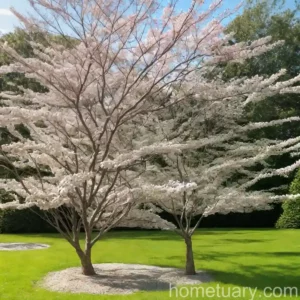
Cornus alba ‘Sibirica’, commonly known as Tatarian Dogwood, is a deciduous shrub that belongs to the Cornaceae family. This plant is native to northern Asia and parts of Siberia, hence the name ‘Sibirica’. It is renowned for its striking bright red stems which provide an eye-catching display, especially during the winter months. Tatarian Dogwood is a popular choice among gardeners and landscapers due to its ornamental features and ease of maintenance.
Key Takeaways – Cornus alba ‘Sibirica’ (Tatarian Dogwood)
Before delving into the specifics of planting and caring for Tatarian Dogwood, it’s essential to understand the key takeaways that will be covered in this comprehensive guide:
- Cultivation: Understanding the ideal conditions for growing Cornus alba ‘Sibirica’.
- Planting Tips: Valuable insights into ensuring successful growth when planting Tatarian Dogwood.
- Care Guide: Detailed guidelines for nurturing and maintaining Cornus alba ‘Sibirica’.
- Pruning Techniques: Best practices for pruning Tatarian Dogwood to encourage healthy growth and optimal aesthetics.
- Propagation Methods: Insights into how to propagate Cornus alba ‘Sibirica’ for expanding your garden.
- Landscape Uses: Exploring the versatile uses of Tatarian Dogwood in landscaping and garden design.
- Characteristics: Understanding the unique features and attributes of Cornus alba ‘Sibirica’.
- Disease Prevention: Tips for preventing diseases that may affect Tatarian Dogwood.
- Pests Management: Strategies for managing and preventing common pests that may impact the health of the plant.
- Soil Requirements: Insights into the soil conditions that are most favorable for the growth of Cornus alba ‘Sibirica’.
- Seasonal Care: Understanding the specific care requirements of Tatarian Dogwood across different seasons.
- Sun and Shade Tolerance: Determining the sunlight preferences and shade tolerance of Cornus alba ‘Sibirica’.
- Water Needs: Understanding the watering needs of Tatarian Dogwood to maintain optimal health.
- Companion Plants: Exploring suitable companion plants that can be grown alongside Cornus alba ‘Sibirica’.
- Wildlife Attraction: Assessing the plant’s ability to attract wildlife such as birds and butterflies.
- Leaf Coloration: Understanding the variations in leaf coloration throughout different stages.
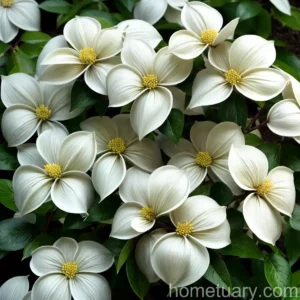
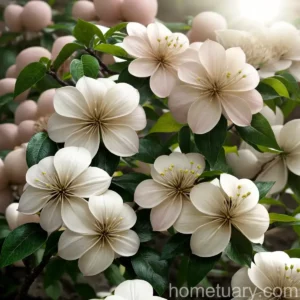
- Flower Identification: Identifying the unique flowers of Tatarian Dogwood and their characteristics.
- Medicinal Uses: Exploring potential medicinal uses of Cornus alba ‘Sibirica’.
- Winter Interest: Understanding the visual appeal and attraction of Tatarian Dogwood during the winter months.
- Fall Foliage: Appreciating the autumnal beauty and foliage of the plant.
- Garden Design: Insights into designing garden spaces incorporating Cornus alba ‘Sibirica’.
- Landscape Ideas: Creative ideas for integrating Tatarian Dogwood into landscape designs.
- Climate Requirements: Assessing the climate needs and adaptability of Cornus alba ‘Sibirica’.
- Native Habitat: Understanding the natural habitat and origin of Tatarian Dogwood.
- Growth Rate: Evaluating the speed of growth and development of Cornus alba ‘Sibirica’.
- Winter Hardiness: Understanding the resilience of Tatarian Dogwood in colder climates.
- Container Gardening: Tips for growing Cornus alba ‘Sibirica’ in containers or pots.
- Ornamental Features: Appreciating the aesthetic appeal and ornamental value of the plant.
- Flowering Period: Recognizing the duration and characteristics of the flowering phase.
- Bark Texture: Understanding the texture and appearance of the bark on Tatarian Dogwood.
- Maintenance Tips: Practical tips for maintaining and caring for Cornus alba ‘Sibirica’.
- Garden Uses: Acknowledging the versatile uses of Tatarian Dogwood in gardens.
- Landscaping Trends: Exploring the current trends in incorporating Tatarian Dogwood into landscaping.
- Leaf Drop Season: Understanding the seasonal behavior and leaf drop patterns of the plant.
- Common Problems: Addressing potential issues and common problems that may affect Cornus alba ‘Sibirica’.
- Wildlife Habitat: Recognizing the significance of Tatarian Dogwood as a habitat for wildlife.
- Naturalizing Techniques: Strategies for allowing Cornus alba ‘Sibirica’ to naturalize in a garden or landscape.
- Soil Amendment: Insights into amending the soil to optimize the growth of Tatarian Dogwood.
- Water Retention: Understanding the plant’s ability to retain water and its significance.
- Pruning Schedule: Establishing a schedule and best practices for pruning Tatarian Dogwood.
- Root System: Understanding the root structure and system of Cornus alba ‘Sibirica’.
- Planting Density: Guidelines for determining the ideal planting density for Tatarian Dogwood.
- Leaf Shape: Recognizing the distinctive shape and structure of the leaves on Cornus alba ‘Sibirica’.
- Flower Clusters: Understanding the formation and characteristics of the flower clusters on Tatarian Dogwood.
- Pollination Process: Insights into the pollination process and reproduction of Cornus alba ‘Sibirica’.
- Bird Attraction: Assessing the ability of Tatarian Dogwood to attract and support bird life.
- Invasive Potential: Understanding the potential invasiveness of Cornus alba ‘Sibirica’.
- Maintenance Calendar: Establishing a calendar and schedule for the maintenance of Tatarian Dogwood.
By addressing these key takeaways, this comprehensive guide aims to provide a wealth of information for both novice and experienced gardeners and enthusiasts. Let’s dive deeper into each aspect of Cornus alba ‘Sibirica’ and uncover the secrets to successful cultivation and care.
Culture
Understanding the cultural requirements of Cornus alba ‘Sibirica’ is essential for creating an optimal growing environment that facilitates healthy development and vibrant displays. The cultural aspects encompass elements such as water, sunlight, soil, and fertilizer to ensure that the plant thrives in its designated space.
Water
Tatarian Dogwood thrives in moist, well-drained soils, making regular watering essential, particularly during dry spells. It is crucial to maintain consistent soil moisture, especially during the initial stages of growth and establishment. Adequate watering supports healthy root development and overall plant vigor. However, it is equally important to avoid waterlogging, as excessively wet soil can lead to root rot and other detrimental conditions.
To determine the watering needs of Cornus alba ‘Sibirica’, it is beneficial to consider the following factors:
- Soil Type: Assess the drainage capacity of the soil to tailor the watering frequency accordingly.
- Weather Conditions: Take into account seasonal variations and adjust the watering schedule based on temperature and precipitation.
- Establishment Phase: During the initial planting phase, prioritize regular watering to promote strong root establishment.
- Mulching: Applying a layer of mulch around the base of the plant aids in retaining soil moisture and reduces water evaporation.
Establishing a consistent watering routine that aligns with the specific environmental conditions will contribute to the overall health and vitality of Tatarian Dogwood.
Sunlight
The sunlight requirements of Tatarian Dogwood are crucial factors that influence its growth and flowering capabilities. While this deciduous shrub generally thrives in full sun to partial shade, the ideal balance may vary based on local climate and environmental conditions. Understanding the sunlight preferences can enable gardeners to strategically position and cultivate Cornus alba ‘Sibirica’ for optimal results.
Key considerations for sunlight exposure include:
- Full Sun: Tatarian Dogwood exhibits robust growth and enhanced flowering when exposed to ample sunlight. In regions with cooler climates, full sun exposure is often advantageous for promoting optimal plant development.
- Partial Shade: In warmer climates or areas with intense sunlight, providing partial shade can protect the plant from excessive heat stress and sunscald. Partial shade also contributes to preserving soil moisture, especially during hot summer months.
By assessing the prevailing sunlight conditions and adapting the plant’s positioning accordingly, gardeners can harness the benefits of appropriate sunlight exposure to foster the health and vitality of Cornus alba ‘Sibirica’.
Fertilizer
Applying a balanced fertilizer can significantly enhance the growth and overall vigor of Tatarian Dogwood, ensuring that it thrives in its growing environment. Incorporating suitable fertilization practices supports robust foliage, vibrant stem coloration, and abundant flowering, contributing to the ornamental appeal of Cornus alba ‘Sibirica’.
When selecting a fertilizer for Tatarian Dogwood, consider the following guidelines:
- Nutrient Composition: Opt for a fertilizer with a balanced nutrient profile, including essential macronutrients such as nitrogen, phosphorus, and potassium.
- Application Timing: Apply fertilizer in early spring before the onset of new growth to provide the plant with the necessary nutrients for the upcoming growing season.
- Avoid Over-Fertilization: Exercise caution to prevent excessive fertilization, as this can lead to adverse effects on the plant’s health and may promote excessive vegetative growth at the expense of flowering.
By adhering to appropriate fertilization practices and selecting a suitable fertilizer tailored to the specific needs of Tatarian Dogwood, gardeners can promote robust growth and the manifestation of ornamental features.
Soil
The soil composition and quality directly impact the growth, health, and overall performance of Cornus alba ‘Sibirica’. Understanding the soil requirements and implementing appropriate soil management practices are essential for providing an optimal growing environment for Tatarian Dogwood.
Soil Composition
Tatarian Dogwood thrives in well-drained, slightly acidic to neutral soils with good fertility. The following characteristics define the ideal soil composition for Cornus alba ‘Sibirica’:
- Moisture Retention: The soil should have adequate moisture retention capacity to support healthy growth without becoming waterlogged.
- Drainage: Good drainage is crucial to prevent waterlogging, which can lead to root rot and other moisture-related issues.
- Nutrient Availability: The soil should provide essential nutrients and support the plant’s nutritional requirements to facilitate robust growth and development.
Assessing the existing soil composition and making necessary amendments, such as incorporating organic matter or adjusting pH levels, can optimize the soil conditions for Tatarian Dogwood.
Soil Amendment
Incorporating organic matter, such as compost or well-rotted manure, serves as a beneficial soil amendment to enhance soil structure, fertility, and overall nutrient availability. Organic matter improves soil moisture retention, promotes aeration, and fosters a healthy microbial environment essential for the well-being of Cornus alba ‘Sibirica’.
Key benefits of soil amendment include:
- Nutrient Enrichment: Organic matter releases essential nutrients gradually, providing a sustained source of nutrition for the plant.
- Soil Structure Improvement: Enhanced soil structure promotes root development and facilitates nutrient uptake by the plant.
- Microbial Activity: Organic matter fosters beneficial microbial activity, contributing to soil health and vitality.
By incorporating appropriate soil amendments and optimizing the soil composition, gardeners can create an environment conducive to the robust growth and flourishing of Tatarian Dogwood.
Pruning
Pruning plays a vital role in shaping the growth, form, and overall aesthetic appeal of Cornus alba ‘Sibirica’. Proper pruning techniques are essential for maintaining the plant’s health, encouraging vibrant stem coloration, and promoting abundant flowering. Understanding the pruning requirements and implementing the appropriate practices can elevate the visual impact of Tatarian Dogwood in garden and landscape settings.
Pruning Techniques
Pruning Tatarian Dogwood primarily focuses on the following aspects:
- Stem Coloration: Regular pruning of older stems in late winter or early spring promotes the growth of new, vividly colored stems, rejuvenating the plant’s appearance and maintaining its ornamental value.
- Thinning Out: Removing overcrowded or crossing branches improves air circulation and light penetration, reducing the likelihood of disease and enhancing the overall health of the plant.
- Size Control: Pruning assists in controlling the size and shape of Cornus alba ‘Sibirica’, ensuring that it harmonizes with its surroundings and landscape design.
Employing the correct pruning techniques, such as selective stem removal and maintaining an open, balanced framework, can contribute to the long-term health and aesthetic appeal of Tatarian Dogwood.
Pruning Schedule
Establishing a consistent pruning schedule is essential for maintaining the vitality and appearance of Cornus alba ‘Sibirica’, ensuring that it continues to flourish and provide an attractive display throughout the year. The following considerations guide the development of a pruning schedule for Tatarian Dogwood:
- Late Winter or Early Spring: Pruning older stems to stimulate new growth with vibrant stem coloration and to maintain an attractive appearance.
- Thinning Out: Assess the plant’s growth and density annually to determine the need for thinning out crowded or entangled branches to improve air circulation and light exposure.
- Size and Shape Control: Regularly monitor the size and form of Tatarian Dogwood to maintain a harmonious appearance within the landscape.
By adhering to a well-defined pruning schedule and employing appropriate techniques, gardeners can enhance the visual appeal and health of Cornus alba ‘Sibirica’, ensuring that it remains an exemplary feature in garden and landscape settings.
Propagation
Propagation methods offer means for expanding the presence of Tatarian Dogwood within a garden or landscape, allowing gardeners to cultivate new plants from established specimens. Understanding the various propagation techniques and their application can empower enthusiasts to propagate Cornus alba ‘Sibirica’ and introduce its ornamental qualities to new areas.
Propagation Techniques
Several proven methods can be employed for propagating Tatarian Dogwood, including:
- Softwood Cuttings: Utilizing softwood cuttings, typically taken in late spring to early summer, provides an effective means to propagate new plants from healthy stem segments.
- Hardwood Cuttings: Hardwood cuttings, taken during the dormant season, offer another viable approach for propagating Cornus alba ‘Sibirica’, leveraging mature stems for successful propagation.
- Division: Dividing the root ball of an established plant presents an opportunity to create new Tatarian Dogwood specimens, each containing a portion of the original root system.
By employing these propagation techniques, gardeners can expand the presence of Tatarian Dogwood within their personal or professional landscapes, further enhancing the visual appeal and ornamental diversity.
Container Popularity
The versatility and ornamental value of Cornus alba ‘Sibirica’ make it a popular choice for container gardening, allowing enthusiasts to showcase its vibrant stem coloration and thriving foliage in various settings. Incorporating Tatarian Dogwood in containers offers unique opportunities for creative expression and effective space utilization in both indoor and outdoor environments.
Container Selection
Selecting suitable containers for growing Tatarian Dogwood involves considering the following factors:
- Size and Drainage: Choose containers with adequate size to accommodate the plant’s root system and ensure optimal drainage to prevent waterlogging.
- Material: Select containers made of durable, weather-resistant materials that complement the aesthetics of the plant and the surrounding environment.
- Portability: Containers offering portability enable flexibility in positioning and optimization of sunlight exposure according to seasonal requirements.
By opting for containers that align with these considerations, gardeners can create an ideal environment for growing Cornus alba ‘Sibirica’ and leveraging its ornamental attributes in diverse settings.
Container Culture
Cultivating Tatarian Dogwood in containers involves attentive care and considerations specific to the container environment, including:
- Watering: Monitor the soil moisture levels and adjust the watering frequency as needed to maintain consistent moisture without waterlogging.
- Fertilization: Apply a balanced fertilizer as per the plant’s nutritional requirements to support robust growth and sustained ornamental qualities.
- Size Management: Regular observation allows for monitoring the growth and size of the plant, facilitating size management within the container limits.
- Seasonal Considerations: Adapt the container culture practices to accommodate the changing environmental conditions across different seasons.
By embracing the unique opportunities presented by container gardening, enthusiasts can elevate the presence of Tatarian Dogwood in various indoor and outdoor settings, enabling the plant to thrive and captivate admirers with its vibrant visual appeal.
Common Diseases
Understanding common diseases that may affect Cornus alba ‘Sibirica’ is crucial for implementing preventative measures and effective management strategies. By recognizing the symptoms and characteristics of these diseases, gardeners can proactively protect the health and vitality of Tatarian Dogwood, ensuring its long-term flourishing and ornamental value.
Disease Prevention
Preventative measures play a key role in safeguarding Tatarian Dogwood from common diseases, including:
- Adequate Air Circulation: Ensure proper spacing and thinning out of branches to facilitate air circulation, reducing the likelihood of fungal diseases.
- Sanitation Practices: Maintain cleanliness in the garden space, promptly removing fallen leaves or debris to prevent the spread of diseases.
- Resistant Varieties: Select disease-resistant cultivars when introducing new Tatarian Dogwood specimens, minimizing the susceptibility to common diseases.
By implementing these preventative measures, gardeners can fortify the resilience of Cornus alba ‘Sibirica’ against common diseases, preserving its health and ornamental appeal.
Disease Diagnosis
Recognizing the symptoms and characteristics of common diseases that afflict Tatarian Dogwood is critical for effective disease diagnosis and targeted intervention. The following diseases may affect Cornus alba ‘Sibirica’, with distinct symptoms and diagnostic features:
- Powdery Mildew: Manifests as a powdery white coating on leaves and shoots, leading to distorted growth and impaired vigor.
- Anthracnose: Causes dark, sunken lesions on leaves and stems, often leading to defoliation and reduced overall health.
- Leaf Spot: Presents as circular or irregularly shaped spots on foliage, potentially leading to leaf yellowing and premature leaf drop.
By familiarizing themselves with the symptoms and characteristics of these common diseases, gardeners can promptly identify and address potential disease issues, preserving the health and visual appeal of Tatarian Dogwood.
Common Pests
Effective management of common pests that may afflict Cornus alba ‘Sibirica’ is vital for protecting the plant’s vitality and ornamental value. By identifying the pests and employing targeted control measures, gardeners can mitigate the impact of infestations and preserve the health and aesthetic appeal of Tatarian Dogwood.
Pest Identification
Several common pests may affect Tatarian Dogwood, including:
- Aphids: Small, soft-bodied insects that gather on the undersides of leaves and may cause leaf distortion and stunted growth.
- Scale Insects: Pests that appear as small, raised bumps on stems and leaves, often secreting a sticky substance known as honeydew and leading to sooty mold formation.
- Spider Mites: Tiny pests that feed on plant sap, causing stippled or bronzed discoloration on leaves and creating fine webbing in severe infestations.
By recognizing the presence and impact of these common pests