Coral Bells (Heuchera ‘TNHEU044’ DOLCE LICORICE): A Comprehensive Plant Care Guide
Plants have been an integral part of human civilization, providing us with food, shelter, medicine, and aesthetic pleasure. In this blog post, we will delve into the captivating world of coral bells, specifically focusing on the Heuchera ‘TNHEU044’ DOLCE LICORICE variety. We will explore its culture, uses, care requirements, and much more. Whether you are a seasoned gardener or a novice plant enthusiast, this guide will provide you with valuable insights into nurturing this beautiful perennial plant.
What is the Coral Bells (Heuchera ‘TNHEU044’ DOLCE LICORICE)?
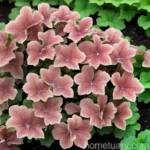
Coral bells, scientifically known as Heuchera, are perennial plants that belong to the Saxifragaceae family. The ‘TNHEU044’ DOLCE LICORICE variety is a mesmerizing cultivar cherished for its attractive foliage and versatile uses in landscaping and container gardening. With its stunning leaf colors and unique texture, this plant adds a touch of elegance to any garden or indoor space.
Key Takeaways – Coral Bells (Heuchera ‘TNHEU044’ DOLCE LICORICE)
Before we delve into the intricacies of caring for coral bells, let’s summarize the key takeaways of this exquisite plant:
- Coral Bells Care: Understanding the specific cultural requirements for Heuchera ‘TNHEU044’ DOLCE LICORICE.
- Foliage and Color: Appreciating the distinct foliage and leaf colors of coral bells.
- Versatile Uses: Exploring the myriad uses of coral bells in garden design, landscaping, and container gardening.
- Adaptability: Recognizing the adaptability of this plant to various light and soil conditions.
- Disease and Pest Management: Learning about common diseases and pests that can affect coral bells, along with preventive measures.
Now, let’s embark on an insightful journey into the world of coral bells and unravel the secrets to nurturing this remarkable plant.
Culture
Uses
Coral bells, including the ‘TNHEU044’ DOLCE LICORICE variety, offer multifaceted utility in the realm of horticulture and landscaping. Some of the key uses include:
- Garden Borders and Edging: The vibrant foliage and low-growing habit of coral bells make them ideal for defining garden borders and edging.
- Container Gardening: Their compact size and ornamental leaves make coral bells perfect for container gardening, adding a splash of color to patios, balconies, and indoor spaces.
- Ground Cover: Certain coral bells varieties, including ‘TNHEU044’ DOLCE LICORICE, serve as excellent ground cover options, spreading gently to form attractive mats of foliage.
- Rock Gardens: Their tolerance for well-drained soils and ability to thrive in rocky environments make coral bells a valuable addition to rock gardens.
- Landscape Accents: Whether used in mass plantings or as accent plants, coral bells add visual interest to landscapes with their diverse foliage colors and textures.
Water
Achieving the right balance of water is crucial for the optimal growth of coral bells, including the ‘TNHEU044’ DOLCE LICORICE variety. These plants generally prefer consistently moist but well-drained soil. Proper watering practices include:
- Regular Moisture: Maintaining moderately moist soil is essential, especially during periods of active growth and flowering.
- Avoiding Waterlogging: Ensuring adequate drainage to prevent waterlogging, which can lead to root rot and other moisture-related issues.
- Mulching: Applying a layer of organic mulch around the base of the plant to help retain moisture and prevent rapid soil drying.
Sunlight
Coral bells exhibit versatility in their sunlight requirements, although certain considerations should be taken into account:
- Partial Shade to Full Sun: While most varieties, including ‘TNHEU044’ DOLCE LICORICE, thrive in partial shade, they can also tolerate full sun when provided with adequate moisture.
- Intense Heat Resistance: In regions with hot summers, providing some afternoon shade can help prevent leaf scorch and maintain the vibrant coloration of the foliage.
Fertilizer
Appropriate fertilization contributes to the overall health and vigor of coral bells, ensuring robust growth and stunning foliage. Consider the following fertilizer guidelines:
- Balanced Fertilizer: Using a balanced, slow-release fertilizer with an N-P-K ratio of 10-10-10 or similar formulations promotes steady growth and enhances foliage coloration.
- Moderate Application: Applying fertilizer in moderation, following the recommended dosage on the product label, to prevent overfeeding and potential nutrient imbalances.
- Spring Feeding: Providing a light application of fertilizer in early spring as new growth emerges, encouraging strong foliage development.
Soil
The right soil conditions are pivotal for the success of coral bells, warranting attention to specific soil qualities and composition:
- Well-Drained Soil: Ensuring proper drainage is imperative, as these plants are susceptible to root rot in waterlogged conditions.
- Organic Matter Enrichment: Amending the soil with organic matter, such as compost or peat moss, enhances its moisture retention capacity and nutrient content.
- Neutral to Slightly Acidic pH: Coral bells thrive in soil with a pH range of 6.0 to 7.0, indicating a preference for slightly acidic to neutral conditions.
Pruning
Pruning Dead Leaves and Flower Stems
Regular maintenance, including selective pruning, promotes the aesthetic appeal and vitality of coral bells. Dead leaves and spent flower spikes should be promptly removed to:
- Prevent Disease: Eliminating decaying plant material reduces the risk of fungal diseases and maintains plant hygiene.
- Enhance Appearance: Pruning dead or discolored leaves enhances the overall visual appeal of the plant, accentuating the vibrant foliage.
Propagation
Coral bells can be propagated through various methods, allowing for the expansion of their presence in the garden. Common propagation techniques include:
Division
- Spring Divisions: Dividing mature coral bells in early spring before new growth appears allows for the creation of new plants from established clumps.
- Separating Offsets: Carefully separating offsets or “pups” from the parent plant, ensuring each division possesses sufficient roots for successful establishment.
Root Cuttings
- Root Identification: Selecting healthy, non-flowering stems and taking 2 to 3-inch sections of the root for propagation purposes.
- Optimal Conditions: Providing consistently moist soil and moderate warmth to encourage the development of new plants from the root cuttings.
Seed Propagation
- Seed Collection: Collecting mature seeds from the flower spikes of coral bells and preparing them for sowing.
- Germination Practices: Sowing the seeds in a suitable seed starting mix, ensuring proper moisture and warmth to facilitate germination and seedling growth.
Container Popularity
Coral bells, particularly the ‘TNHEU044’ DOLCE LICORICE variety, have garnered significant popularity in the realm of container gardening for several compelling reasons:
- Compact Growth: Their compact size renders them suitable for various container sizes, from small pots to larger planters.
- Foliage Aesthetics: The striking foliage colors and textures of coral bells make them eye-catching additions to potted arrangements, enhancing visual appeal.
- Versatility: Their adaptable nature allows for successful cultivation in containers, offering flexibility in placement and design.
Common Diseases
Disease Diagnosis
Coral bells, including the ‘TNHEU044’ DOLCE LICORICE variety, are susceptible to certain diseases that necessitate prompt identification and management:
- Powdery Mildew: Characterized by a powdery white coating on the leaves, often caused by high humidity and poor air circulation.
- Crown Rot: Manifesting as rotting at the base of the plant, this condition is typically initiated by excessively wet soil conditions and can be exacerbated by fungal pathogens.
- Leaf Spot: Presenting as dark spots or lesions on the foliage, often attributed to fungal infections favored by prolonged leaf wetness.
Preventive Measures
- Adequate Airflow: Ensuring good air circulation around the plants by proper spacing and selective pruning can deter the development of fungal diseases.
- Moderate Watering: Exercising caution to avoid overwatering and promoting soil drainage helps mitigate the risk of root diseases and rot.
Common Pests
Identification and Control
Coral bells may encounter certain pests that can compromise their health and vitality, necessitating vigilant monitoring and targeted interventions:
- Aphids: These small, soft-bodied insects can cluster on new growth, sucking plant sap and causing distorted growth.
- Vine Weevils: The larvae of these weevils can feed on the roots of coral bells, leading to diminished vigor and potential plant decline.
- Leaf Miners: The larvae of certain insects create telltale serpentine trails within the leaves, impairing photosynthetic function and overall plant health.
Pest Management
- Biological Controls: Beneficial insects, such as ladybugs and lacewings, can serve as natural predators of aphids and other small pests, aiding in pest management.
- Cultural Practices: Regularly inspecting plants for signs of pests, practicing good sanitation, and promptly addressing infestations can help control pest populations.
Botanist’s Tips
Optimal Growing Conditions
Creating the ideal environment for coral bells, particularly the ‘TNHEU044’ DOLCE LICORICE variety, involves certain fundamental considerations:
- Well-Drained Soil: Ensuring well-draining soil conditions to prevent waterlogged roots and associated issues.
- Ample Moisture: Providing consistent moisture, especially during dry spells, to promote healthy growth and vibrant foliage coloration.
- Balanced Light: Striking a balance between partial shade and filtered sunlight to achieve optimal growth and prevent leaf scorch.
Seasonal Care
Coral bells benefit from seasonally tailored care practices that address their evolving needs and growth patterns:
- Spring: Dividing overcrowded clumps, applying balanced fertilizer, and removing any lingering winter debris.
- Summer: Providing adequate moisture and occasional deep watering during prolonged dry periods, especially for plants in containers.
- Fall: Mulching around the base of the plants to protect the roots during winter and conserve moisture.
Fun Facts
Coral bells, including the captivating ‘TNHEU044’ DOLCE LICORICE variety, harbor fascinating traits and characteristics that contribute to their allure:
- Native Habitat: Many Heuchera species are indigenous to North America, thriving in diverse ecological niches, from woodlands to rocky slopes.
- Pollinator Magnets: The diminutive flowers of coral bells attract pollinators such as bees and hummingbirds, contributing to the ecological diversity of the garden.
- Ornamental Appeal: Various coral bells cultivars, including ‘TNHEU044’ DOLCE LICORICE, exhibit diverse leaf colors, ranging from deep maroons to lime greens, offering endless possibilities for design and aesthetics.
Links to External Resources
For further exploration of coral bells and the exquisite Heuchera ‘TNHEU044’ DOLCE LICORICE variety, you can refer to the following external resources:
- The American Heuchera Society: An invaluable platform for accessing comprehensive information, resources, and community engagement related to Heuchera and related genera.
- Royal Horticultural Society – Heuchera: Explore detailed guidance on Heuchera cultivation, including species diversity, growing tips, and garden uses.
- University of Vermont – Perennial Database: Access a wealth of information on Heuchera species and cultivars, their characteristics, and horticultural significance.
In conclusion, the enchanting world of coral bells, epitomized by the captivating Heuchera ‘TNHEU044’ DOLCE LICORICE variety, offers a rich tapestry of colors, textures, and ornamental value. By embracing the nuances of care and cultivation outlined in this comprehensive guide, you can embark on a truly rewarding journey of nurturing and adorning your outdoor and indoor spaces with the enduring beauty of these remarkable perennial plants.