Coral Bells (Heuchera ‘Strawberry Swirl’) – A Stunning Perennial for Shade Gardens
Coral bells (Heuchera ‘Strawberry Swirl’) are stunning and versatile perennials that can add a splash of color and texture to any garden. With their vibrant foliage and delicate blooms, these plants are a popular choice for shade gardens, container plantings, and landscape borders. In this comprehensive guide, we will explore the culture, uses, care tips, and other aspects of coral bells to help you incorporate these beautiful plants into your gardening repertoire.
What is Plant: Coral Bells (Heuchera ‘Strawberry Swirl’)?
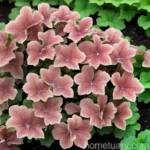
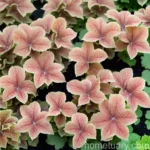
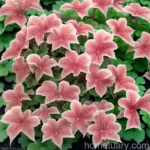
Coral bells, scientifically known as Heuchera, are a genus of perennials in the family Saxifragaceae, native to North America. They are prized for their attractive foliage, which comes in a wide range of colors and textures, as well as their delicate, bell-shaped flowers that bloom on slender stems above the foliage. Heuchera ‘Strawberry Swirl’ is a specific cultivar known for its striking foliage with a unique blend of pink, green, and silver tones, making it a sought-after choice for gardeners looking to add color to shady areas.
Key Takeaways – Coral Bells (Heuchera ‘Strawberry Swirl’)
- Plant Name: Coral Bells (Heuchera ‘Strawberry Swirl’)
- Family: Saxifragaceae
- Common Name: Coral Bells
- Cultivar: ‘Strawberry Swirl’
- Type: Herbaceous perennial
Now, let’s delve deeper into the various aspects of coral bells, from their culture and uses to their care requirements and propagation techniques.
Culture
Understanding the culture requirements of coral bells is essential for successfully growing and caring for these charming perennials. From their water and sunlight needs to soil preferences and propagation methods, here’s a comprehensive look at the culture of Heuchera ‘Strawberry Swirl.’
Uses
Coral bells (Heuchera ‘Strawberry Swirl’) are prized for their versatility and can be used in a variety of ways in the garden and landscape. Here are some common uses of these beautiful perennials:
- Shade Gardens: Coral bells are valued for their ability to thrive in shady conditions, making them an excellent choice for adding color and interest to areas with limited sunlight.
- Container Planting: Their compact growth habit and colorful foliage make coral bells ideal for container gardens, where they can be showcased on patios, balconies, or any other outdoor living spaces.
- Landscape Borders: With their low-growing, mounding habit, coral bells can be used to edge garden beds and define borders with their attractive foliage and occasional delicate blooms.
- Ground Cover: Some spreading varieties of coral bells can be used as ground covers to create a carpet of colorful foliage in partially shaded areas.
- Cut Flowers: While the primary attraction of coral bells is their foliage, the delicate flower spikes can also be cut for floral arrangements, adding a unique touch to bouquets.
These uses highlight the adaptability and decorative potential of coral bells, making them a valuable addition to any garden or landscape setting.
Water
Proper watering is crucial for the health and vigor of coral bells. While they prefer consistently moist soil, it is essential to ensure that the soil is well-draining to prevent waterlogging, especially in container plantings. Here are some key points to consider regarding the water needs of Heuchera ‘Strawberry Swirl’:
- Regular Moisture: Coral bells thrive in consistently moist soil, especially during the growing season. Adequate moisture helps promote lush foliage and keeps the plants healthy.
- Avoid Waterlogged Soil: While they appreciate moisture, coral bells are susceptible to root rot if the soil becomes waterlogged. Ensure proper drainage to prevent water accumulation around the roots.
- Mulching: Applying a layer of organic mulch around the base of the plants can help retain soil moisture and regulate the temperature, benefiting the overall health of coral bells.
By providing the right amount of water and maintaining proper drainage, gardeners can ensure the well-being of their coral bells and enjoy their beautiful foliage throughout the growing season.
Sunlight
Coral bells are renowned for their adaptability to varying light conditions, particularly shade. Understanding their sunlight preferences is essential for determining the ideal planting locations and ensuring optimal growth. Here’s a closer look at the sunlight requirements of Heuchera ‘Strawberry Swirl’:
- Partial to Full Shade: Coral bells prefer partial to full shade, especially in regions with hot summers. They can also tolerate some morning sun or dappled light, but intense, direct sunlight should be avoided, as it can scorch the delicate foliage.
- Foliage Coloration: The foliage of coral bells often exhibits the best coloration in partially shaded locations, with the dappled light enhancing the unique pigmentation of the leaves.
- Indoor Cultivation: In indoor settings, coral bells can be grown in well-lit areas away from direct sunlight, such as near east-facing or north-facing windows.
Understanding and accommodating the sunlight preferences of coral bells is crucial for maintaining their vibrant foliage and supporting healthy growth.
Fertilizer
Proper fertilization can contribute to the overall health and vigor of coral bells, promoting lush foliage and potentially enhancing flower production. When it comes to fertilizing Heuchera ‘Strawberry Swirl,’ here are some key considerations:
- Balanced Fertilizer: Apply a balanced, water-soluble fertilizer to coral bells in the spring, following the manufacturer’s recommendations for dilution and application frequency.
- Avoid Excessive Nitrogen: While some fertilization is beneficial, excessive use of high-nitrogen fertilizers can lead to excessive leaf growth at the expense of flower production, detracting from the overall appearance of the plants.
- Topdressing with Compost: A layer of organic compost or well-rotted manure around the base of the plants in the spring can provide a slow-release source of nutrients throughout the growing season.
By providing appropriate fertilization, gardeners can support the growth and development of coral bells, contributing to their ornamental appeal and vitality.
Soil
Understanding the soil preferences of coral bells is essential for creating an optimal growing environment for these perennials. Whether they are grown in garden beds or containers, here are some important considerations when it comes to soil requirements for Heuchera ‘Strawberry Swirl’:
- Well-Draining Soil: Coral bells thrive in well-draining, moderately fertile soil. Amending heavy clay or compacted soil with organic matter can improve drainage and overall soil structure.
- Slightly Acidic pH: They prefer slightly acidic to neutral soil with a pH range of around 6.0 to 7.0. Adding peat moss or compost can help lower the pH if necessary.
- Container Media: When growing coral bells in containers, choose a high-quality potting mix designed for foliage plants, with added perlite or coarse sand to enhance drainage.
By providing the right soil conditions, gardeners can create an environment where coral bells can thrive, exhibiting their vibrant foliage and delicate blooms to their full potential.
Pruning
Proper pruning can help maintain the appearance and vigor of coral bells, ensuring that they continue to display lush foliage and occasional blooms. Here’s a closer look at the pruning considerations for Heuchera ‘Strawberry Swirl’:
- Removing Spent Flower Stems: Once the flower spikes have faded, they can be snipped off at the base to encourage continued growth and potential reblooming.
- Deadheading: Regular removal of spent or yellowing leaves can help improve aesthetics and prevent the spread of diseases or pests within the plantings.
- Division: Over time, coral bells may benefit from division to rejuvenate overcrowded clumps. Dividing the plants every few years can promote healthier growth and potentially increase flower production.
By incorporating appropriate pruning practices, gardeners can ensure that their coral bells remain attractive and vigorous, enhancing the overall appeal of their garden or landscape.
Propagation
Propagating coral bells can be a rewarding endeavor for gardeners looking to expand their plantings or share these beautiful perennials with others. Here are some common propagation methods for Heuchera ‘Strawberry Swirl’:
- Division: Divide established clumps of coral bells in the spring or early fall to create new plants. Carefully separate the roots and replant the divisions in suitable locations.
- Root Cuttings: Take root cuttings from healthy, established plants in the spring or early summer. Plant the cuttings in a well-draining rooting medium and provide the necessary warmth and moisture for successful rooting.
- Seed Propagation: While less commonly practiced due to the variability in seed-grown offspring, coral bells can be propagated from seeds collected from mature plants. Sow the seeds indoors in the early spring, and provide adequate warmth and humidity for germination.
By employing these propagation methods, gardeners can expand their coral bells collection and share these stunning perennials with fellow gardening enthusiasts.
Container Popularity
The popularity of coral bells as container plants is well-deserved, given their versatile growth habits, vibrant foliage, and adaptability to container culture. Here are some reasons why Heuchera ‘Strawberry Swirl’ is a popular choice for container gardening:
- Compact Growth: Coral bells exhibit a compact, mounding growth habit, making them well-suited for containers of varying sizes, from small pots to larger planters.
- Foliage Variety: With an extensive range of foliage colors and textures available in different cultivars, coral bells can add visual interest and pops of color to container arrangements.
- Shade Tolerance: Their ability to thrive in partial to full shade makes coral bells an excellent choice for creating attractive container plantings in areas with limited sunlight.
- Versatile Combinations: Coral bells can be combined with a wide array of companion plants, such as ferns, hostas, and other shade-loving perennials, to create visually appealing container gardens.
These factors contribute to the widespread popularity of Heuchera ‘Strawberry Swirl’ as a favored choice for container gardening, allowing gardeners to showcase its ornamental qualities in various outdoor spaces.
Common Diseases
While coral bells are relatively low-maintenance plants, they can be susceptible to certain diseases under unfavorable growing conditions. Here are some common diseases that may affect Heuchera ‘Strawberry Swirl’ and the corresponding management strategies:
Disease Diagnosis
- Crown and Root Rots: Prolonged exposure to excessively wet or waterlogged soil can lead to crown and root rots in coral bells. Symptoms include wilting, yellowing, and decayed or blackened roots. Improve drainage, and avoid overwatering to prevent these diseases.
- Powdery Mildew: Fungal disease characterized by white, powdery patches on the foliage, affecting overall plant health and aesthetics. Provide adequate air circulation, avoid overhead watering, and use fungicidal treatments if necessary.
- Leaf Spot: Circular dark spots on the leaves may indicate a fungal leaf spot disease. Remove and destroy affected foliage, and apply fungicidal sprays as a preventive measure during humid weather.
Vigilant monitoring and prompt intervention can help prevent the spread of diseases and preserve the health and beauty of coral bells in the garden.
Common Pests
Pests can occasionally pose a challenge to coral bells, although they are generally resistant to most common garden pests. Here are a few pests that may affect Heuchera ‘Strawberry Swirl’ and potential management strategies:
- Vine Weevils: These nocturnal pests can feed on the foliage and roots of coral bells, leading to weakened plants and potential decline. Apply nematode or insecticidal treatments to control vine weevil populations.
- Aphids: Infestations of aphids may occur on the tender new growth of coral bells, causing distorted leaves and potential spread of viral diseases. Use insecticidal soaps or horticultural oils to manage aphid populations effectively.
By monitoring for signs of pest activity and implementing appropriate control measures, gardeners can protect their coral bells from potential pest damage and maintain their ornamental appeal.
Botanist’s Tips
To help you successfully grow and appreciate coral bells (Heuchera ‘Strawberry Swirl’), here are some additional tips and recommendations from a botanist’s perspective:
- Site Selection: Choose planting locations with well-draining soil and partial to full shade, providing the ideal conditions for coral bells to thrive.
- Mulching: Apply a layer of organic mulch around the base of the plants to conserve moisture and regulate soil temperature, supporting healthy growth.
- Fertilization Timing: Apply fertilizers in the spring, following the recommended rates, to supply essential nutrients and promote vigorous foliage.
- Regular Inspections: Monitor plants for signs of diseases or pests, taking prompt action to prevent the spread of infestations and protect plant health.
- Seasonal Care: Provide adequate water and winter protection as needed, particularly in regions with harsh winters, to ensure the survival of coral bells.
By following these botanist-recommended tips, gardeners can cultivate thriving coral bells plantings and appreciate the beauty of these remarkable perennials.
Fun Facts
As you explore the world of coral bells (Heuchera ‘Strawberry Swirl’), consider these fascinating and fun facts about these unique perennials:
- Native American Use: Some Native American tribes used certain species of Heuchera for their medicinal properties, applying them to wounds or using them as a diuretic.
- Historical Significance: Heuchera species have a rich history, with some being cultivated in European gardens as early as the 17th century for their ornamental foliage.
- Pollinator Attraction: The delicate blooms of coral bells can attract bees, butterflies, and hummingbirds, making them a valuable addition to pollinator gardens.
- Foliage Variation: The foliage of coral bells comes in an array of colors, including shades of green, purple, silver, and bronze, adding diversity to garden palettes.
- Winter Interest: In regions with milder winters, the evergreen or semi-evergreen foliage of certain coral bells varieties can provide visual interest throughout the colder months.
These fun facts offer a glimpse into the rich history and remarkable attributes of coral bells, adding a layer of intrigue to their allure in garden settings.
Links to External Resources
For further information on coral bells (Heuchera ‘Strawberry Swirl’), plant care tips, and related topics, explore the following links to external resources:
- Perennial Resource – Coral Bells (Heuchera)
- The Spruce – Growing Coral Bells
- Fine Gardening – Heuchera, Coral Bells
These reputable resources can provide valuable insights and practical guidance for cultivating and enjoying the beauty of coral bells in various garden and landscape settings.
In conclusion, coral bells (Heuchera ‘Strawberry Swirl’) stand out as enchanting perennials with their colorful foliage, delicate blooms, and adaptability to a range of growing conditions. Whether used in shade gardens, container plantings, or landscape borders, these versatile plants offer ornamental value and contribute to the visual allure of garden spaces. By understanding their culture, care requirements, and propagation techniques, gardeners can cultivate thriving coral bells plantings and appreciate their enduring charm in outdoor settings.
As you embark on your journey with coral bells, may your gardening pursuits be enriched by the beauty and grace of Heuchera ‘Strawberry Swirl,’ adding a touch of elegance to your green spaces.