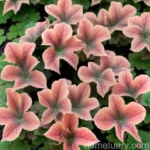
Plant Scientist Blog: An In-depth Look at Coral Bells (Heuchera ‘Peach Pie’ DOLCE PEACH MELBA)
What is Coral Bells?
Coral bells, scientifically known as Heuchera, are a popular genus of herbaceous perennial plants in the family Saxifragaceae. They are prized for their attractive foliage and delicate, bell-shaped flowers. One standout cultivar of coral bells is the Heuchera ‘Peach Pie’ DOLCE PEACH MELBA, which features stunning peach-colored leaves and beautiful blooms. In this blog post, we will delve into the key aspects of coral bells, with a specific focus on the ‘Peach Pie’ DOLCE PEACH MELBA variety.
Key Takeaways – Coral Bells (Heuchera ‘Peach Pie’ DOLCE PEACH MELBA)
In this section, we will explore the essential information about coral bells, particularly focusing on the ‘Peach Pie’ DOLCE PEACH MELBA variety. From its cultural requirements to common diseases and propagation methods, we will cover a wide range of topics related to this captivating plant.
Culture
Uses
- Garden Landscapes: Coral bells are often used in garden landscapes to add color and texture to borders, rock gardens, and woodland settings.
- Containers: Their low-growing habit makes them ideal for container gardening, where they can be showcased on patios or balconies.
Water
- Moderate Watering: Coral bells prefer consistently moist, well-draining soil. They do not tolerate waterlogged conditions and are susceptible to root rot if overwatered.
Sunlight
- Partial Shade: While they can tolerate full sun in cooler regions, coral bells generally thrive in partial shade, especially in areas with hot summers.
Fertilizer
- Balanced Fertilizer: Apply a balanced, slow-release fertilizer in spring to support healthy growth and vibrant foliage.
Soil
- Well-Draining, Organic Soil: They thrive in humus-rich, well-draining soil with a slightly acidic to neutral pH.
Pruning
- Remove Spent Flowers: Deadheading spent flowers can encourage continuous blooming and improve the plant’s overall appearance.
Propagation
- Division: Propagate coral bells through division in spring or early fall to rejuvenate the plant and create new specimens.
Container Popularity
- Versatile Container Plants: Coral bells, including the ‘Peach Pie’ DOLCE PEACH MELBA variety, are popular choices for container gardening due to their compact growth habit and striking foliage.
Common Diseases
Disease Diagnosis
- Fungal Diseases: Coral bells are susceptible to fungal diseases such as powdery mildew and leaf spot. Proper air circulation and avoiding overhead watering can help prevent these issues.
Common Pests
- Prevention and Control: Coral bells can sometimes attract pests such as aphids and spider mites. Regularly inspecting the plants and using insecticidal soap can help keep pest populations in check.
Botanist’s Tips
Fun Facts
- Native to North America: Coral bells are native to North America, where they can be found in a variety of habitats, from woodlands to rocky slopes.
- Pollinator Magnets: The delicate flowers of coral bells attract pollinators such as bees and hummingbirds, making them valuable additions to wildlife-friendly gardens.
Links to External Resources
For further information on coral bells, refer to the following resources:
- Royal Horticultural Society – Heuchera Cultivation
- University of Vermont Extension – Growing Coral Bells
- The Spruce – Heuchera Plant Profile
In conclusion, the ‘Peach Pie’ DOLCE PEACH MELBA variety of coral bells, or Heuchera, is a captivating plant that adds color and elegance to gardens and container displays. By understanding its cultural requirements, common issues, and propagation methods, plant enthusiasts can successfully cultivate and enjoy this beautiful perennial. Whether used as a focal point in a garden bed or as a showstopper in a container, coral bells are versatile, resilient, and visually stunning, making them a favored choice for many gardeners.
As a plant scientist, I encourage you to explore the diverse world of coral bells and discover the unique beauty and charm they bring to horticulture.
Happy gardening!