Copiapoa Humilis (Copiapoa Humilis)
Copiapoa humilis, commonly known as the Copiapoa, is a fascinating and visually striking succulent plant. This unique species is part of the Cactaceae.
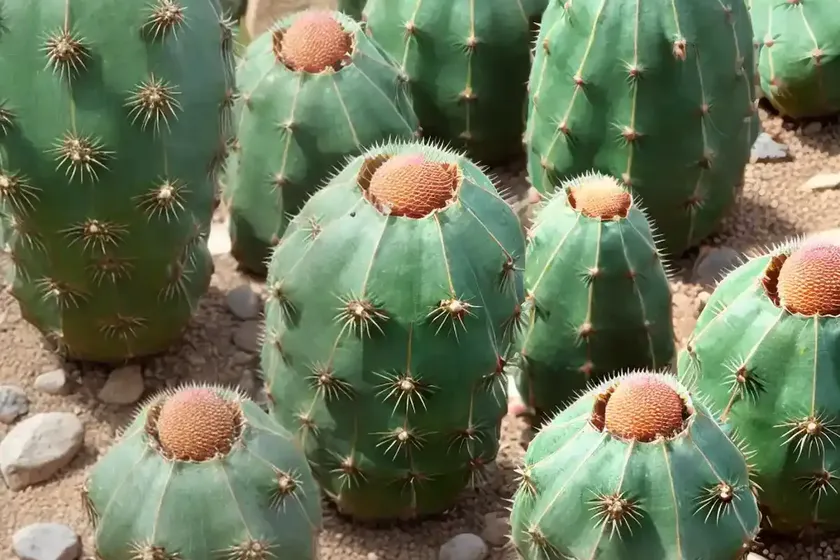
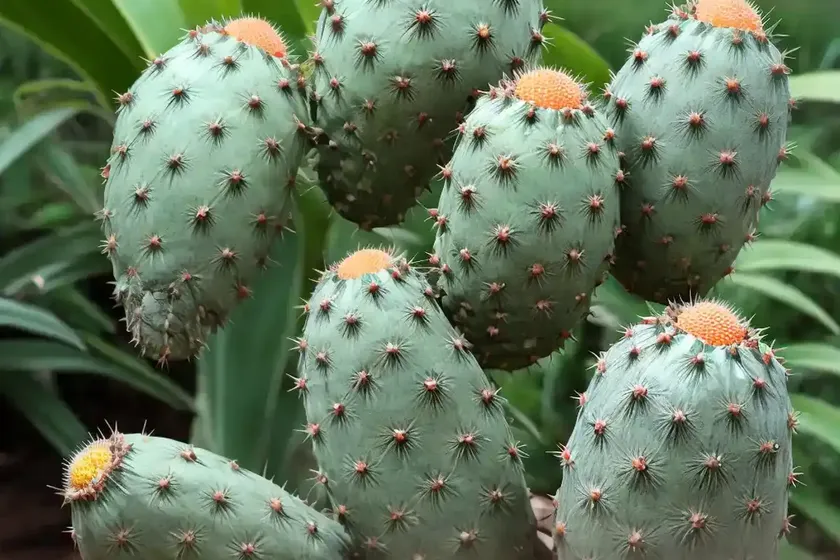
Copiapoa humilis, commonly known as the Copiapoa, is a fascinating and visually striking succulent plant. This unique species is part of the Cactaceae family, and is native to the arid regions of Chile. Its adaptation to harsh desert conditions makes it an ideal addition to gardens, containers, and xeriscape landscapes. In this comprehensive guide, we will explore the characteristics of Copiapoa humilis, its cultivation, care, common uses, and more.
What is Copiapoa Humilis?
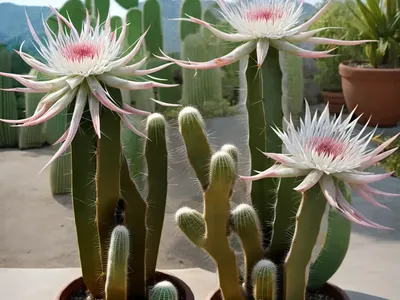
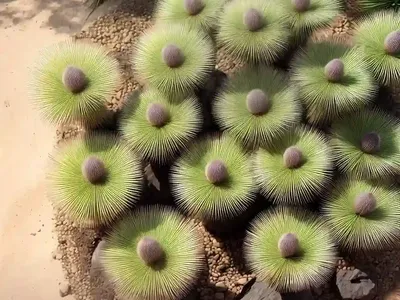
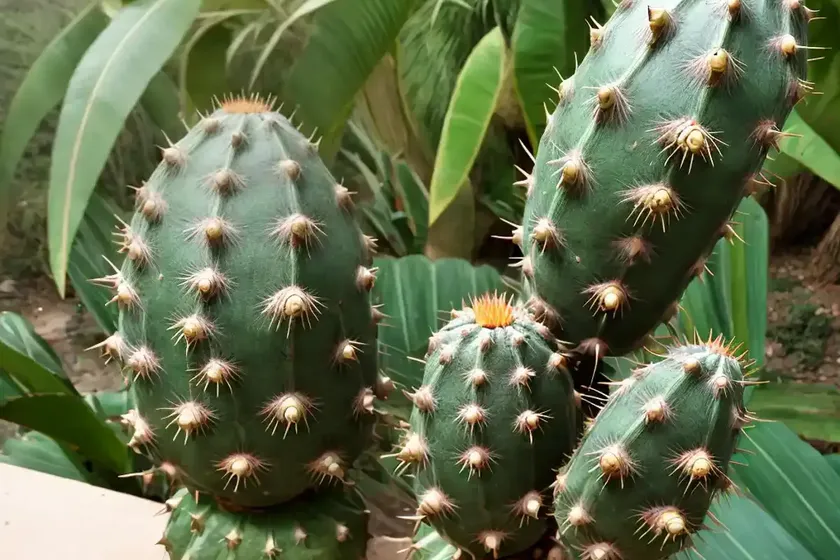
Copiapoa humilis is a species of cactus that belongs to the Copiapoa genus, which consists of around 30 species. This particular species is known for its compact, spherical form and is characterized by a dark green to gray-green stem. Its stems are covered with pronounced tubercles, which bear distinctively long, brownish-yellow spines.
This species blooms with bright yellow flowers in spring, adding a vibrant touch to its already visually appealing appearance. The Copiapoa humilis can grow up to 6 inches in height (15 cm) and spread over 20 inches (50 cm) in diameter.
Key Takeaways – Copiapoa Humilis
Before delving into the specifics of caring for this unique succulent, let’s take a look at some key takeaways about Copiapoa humilis.
- Copiapoa humilis is a species of cactus native to the arid regions of Chile.
- It is known for its compact, spherical shape, dark green to gray-green stems, and long, brownish-yellow spines.
- This species blooms with bright yellow flowers in spring, adding a vibrant touch to its appearance.
- Copiapoa humilis is ideal for gardens, containers, and xeriscape landscapes.
Now that we have an overview of this captivating plant, let’s delve into its cultivation, care, and maintenance requirements.
Culture
Water
Given its natural habitat in arid regions, Copiapoa humilis is adapted to survive prolonged periods of drought. When cultivated, it is essential to mimic these conditions to maintain the plant’s health and vitality.
Watering Tips:
– During the growing season (spring and summer): Water Copiapoa humilis thoroughly when the top 1 to 2 inches (2.5 to 5 cm) of the soil have dried out. Ensure proper drainage to prevent waterlogging, which can lead to root rot.
– During the dormant period (fall and winter): Water sparingly, allowing the soil to dry out almost completely between waterings.
Sunlight
Copiapoa humilis thrives in bright, direct sunlight. When grown outdoors, it should be placed in a location where it receives full sun throughout the day. For indoor cultivation, it is essential to provide it with ample natural light, such as a south-facing window.
Sunlight Requirements:
– Outdoor cultivation: Choose a spot in your garden where the plant can receive full sun exposure.
– Indoor cultivation: Place the plant near a south-facing window to ensure it receives sufficient sunlight.
Soil
Well-draining soil is crucial for the successful cultivation of Copiapoa humilis. It is best to use a cactus or succulent mix that promotes drainage and prevents water stagnation.
Ideal Soil Type:
– Use a well-draining cactus or succulent potting mix that consists of a blend of sand, perlite, and well-draining soil.
Fertilizer
During the active growing season, Copiapoa humilis can benefit from a diluted, balanced fertilizer formulated for cacti and succulents. However, it is crucial to apply fertilizers sparingly to prevent overfeeding, which can be detrimental to the plant’s health.
Fertilization Tips:
– Frequency: Apply a diluted, balanced fertilizer once a month during the growing season.
– Dilution: Follow the manufacturer’s instructions for diluting the fertilizer to half or quarter strength to prevent over-fertilization.
Uses
Ornamental Value
Copiapoa humilis is highly valued for its ornamental appeal and is often used in xeriscape landscapes, rock gardens, and desert-themed gardens. Its unique appearance, coupled with its low-maintenance requirements, makes it a popular choice for adding visual interest to landscapes and containers.
Ornamental Uses:
– Ideal for xeriscape landscapes and rock gardens
– Adds visual interest to desert-themed gardens
– Well-suited for container cultivation, including succulent arrangements and individual potted displays
Medicinal Properties
In its natural habitat, Copiapoa humilis has been traditionally used in folk medicine by indigenous communities. The plant has been attributed with various medicinal properties, including its use in the treatment of certain ailments and skin conditions. However, it is crucial to note that the medicinal uses of the plant should be approached with caution and under the guidance of qualified medical professionals.
Medicinal Uses:
– Traditional use in folk medicine for specific ailments and skin conditions
Pruning
Pruning requirements for Copiapoa humilis are minimal, thanks to its naturally compact and spherical growth habit. However, occasional removal of dead or damaged stems and flowers can help maintain the plant’s overall health and appearance.
Pruning Tips:
– Remove dead or damaged stems and flowers as needed using sterile pruning shears or scissors.
– Limit pruning to essential maintenance to avoid stress to the plant.
Propagation
The propagation of Copiapoa humilis can be achieved through various methods, including seed propagation and offsets from the parent plant. Each method has its advantages and challenges, but with proper care and attention, successful propagation can be achieved.
Propagation Methods:
– Seed Propagation: Sow seeds in well-draining soil and provide the appropriate conditions for germination.
– Offset Division: Carefully remove offsets from the parent plant and allow them to dry before planting in a suitable growing medium.
Container Popularity
Due to its compact and visually striking appearance, Copiapoa humilis is a sought-after choice for container cultivation. Its low-maintenance requirements and ornamental value make it an excellent addition to succulent arrangements and individual potted displays.
Container Uses:
– Ideal for succulent arrangements
– Adds visual interest to individual potted displays
– Well-suited for combination planters and dish gardens
Now that we have explored the essential aspects of caring for Copiapoa humilis, let’s delve into its potential challenges, including common diseases and pests.
Common Diseases
Like all plants, Copiapoa humilis can be susceptible to certain diseases, particularly when its growing conditions are not optimal. Understanding the common diseases and their potential causes is key to preventing and addressing these issues effectively.
Disease Diagnosis
Identifying the symptoms of common diseases that affect Copiapoa humilis is crucial in implementing timely and targeted treatments. Some of the common diseases that may affect this plant include:
- Root Rot: Caused by overwatering or poor drainage, leading to rotting of the plant’s roots.
- Fungal Infections: Manifests as discolored or sunken spots on the stems, often accompanied by a fuzzy or powdery appearance.
Disease Prevention and Treatment
Preventive measures such as providing optimal growing conditions and practicing proper watering techniques can significantly reduce the risk of diseases affecting Copiapoa humilis. Additionally, prompt intervention and appropriate treatments can help mitigate the impact of diseases if they do occur.
Preventive Measures:
– Ensure well-draining soil and proper pot drainage to prevent waterlogging.
– Avoid overhead watering to minimize moisture accumulation on the plant’s stems and foliage.
Treatment Options:
– If signs of disease are observed, assess the plant’s growing conditions and adjust as needed to prevent further stress.
– For fungal infections, apply a targeted fungicidal treatment following the manufacturer’s instructions.
Common Pests
In addition to diseases, Copiapoa humilis may also encounter pests that can impact its health and vitality. Understanding the common pests and their potential effects is essential for effective pest management.
Pest Identification
Several common pests may affect Copiapoa humilis, including:
- Spider Mites: These tiny pests can cause stippling and discoloration of the plant’s stems and leaves.
- Mealybugs: These small, white, cottony pests can cluster on the plant’s stems and cause damage through feeding.
Pest Management
Implementing proactive pest management practices and early intervention can help prevent pest infestations and minimize their impact on Copiapoa humilis.
Management Strategies:
– Regularly inspect the plant for signs of pest activity, including stippling, discoloration, and the presence of pests.
– If pests are detected, consider using natural predators, such as ladybugs, or targeted treatments to address the infestation effectively.
Botanist’s Tips
To ensure the successful cultivation of Copiapoa humilis, it is essential to consider the following botanist’s tips:
- Optimal Growing Conditions: Provide well-draining soil, ample sunlight, and appropriate watering to mimic the plant’s natural habitat conditions.
- Minimal Disturbance: Minimize unnecessary handling and disturbance to prevent stress to the plant.
- Regular Monitoring: Keep a close eye on the plant for signs of diseases, pests, and any changes in its growth and appearance.
Fun Facts
Before we conclude our exploration of Copiapoa humilis, let’s take a look at some fun and intriguing facts about this unique species:
- The name “Copiapoa” is derived from the town of Copiapó in Chile, which is located within the plant’s natural habitat.
- Copiapoa humilis is known for its slow growth rate, often taking several years to reach maturity.
- In its natural habitat, Copiapoa humilis has developed specialized adaptations to withstand extreme arid conditions, including the ability to store water in its stems.
Links to External Resources
For further information on Copiapoa humilis, its cultivation, and related topics, you may find the following resources helpful:
- The World of Copiapoa
- Cactus and Succulent Society of America
- Royal Horticultural Society – Cactus and Succulent Care
As we conclude our guide to Copiapoa humilis, I hope you have gained valuable insights into this remarkable succulent plant. By applying the principles of care and cultivation shared in this guide, you can create a thriving and visually captivating display of Copiapoa humilis in your garden, indoors, or in containers. Remember to cherish and celebrate the unique adaptations and beauty of this extraordinary species.
Thank you for joining me on this journey of exploration and discovery. Happy gardening!
Keywords:
Copiapoa humilis care, Copiapoa humilis plant, Copiapoa humilis species, Copiapoa humilis characteristics, Copiapoa humilis facts, Copiapoa humilis information, Copiapoa humilis cultivation, Copiapoa humilis habitat, Copiapoa humilis native habitat, Copiapoa humilis growth, Copiapoa humilis propagation, Copiapoa humilis watering, Copiapoa humilis soil, Copiapoa humilis temperature, Copiapoa humilis light requirements, Copiapoa humilis fertilization, Copiapoa humilis potting, Copiapoa humilis pot size, Copiapoa humilis repotting, Copiapoa humilis pruning, Copiapoa humilis pests, Copiapoa humilis diseases, Copiapoa humilis indoor care, Copiapoa humilis outdoor care, Copiapoa humilis benefits, Copiapoa humilis uses, Copiapoa humilis medicinal properties, Copiapoa humilis landscaping, Copiapoa humilis garden design, Copiapoa humilis ornamental plant, Copiapoa humilis container gardening, Copiapoa humilis drought-tolerant, Copiapoa humilis xeriscaping, Copiapoa humilis succulent, Copiapoa humilis cactus, Copiapoa humilis rare plant, Copiapoa humilis endangered species, Copiapoa humilis conservation, Copiapoa humilis natural habitat, Copiapoa humilis desert plant, Copiapoa humilis arid conditions, Copiapoa humilis landscape design, Copiapoa humilis garden arrangement, Copiapoa humilis rock garden, Copiapoa humilis spiny cactus, Copiapoa humilis water-saving plant, Copiapoa humilis low maintenance, Copiapoa humilis drought-resistant, Copiapoa humilis succulent care, Copiapoa humilis indoor plant