The Wonderful World of Coneflowers
Introduction
Coneflowers, specifically the Echinacea ‘Twilight’ Big Sky Twilight, are beloved by gardeners for their hardiness, vibrant colors, and ability to attract pollinators. In this comprehensive guide, we will explore the various aspects of these captivating plants, from their cultural requirements to their medicinal benefits. Whether you are a seasoned gardener or just beginning your journey with coneflowers, this article will provide you with valuable insights and essential tips for successful cultivation.
What is Plant: Coneflower (Echinacea ‘Twilight’ Big Sky Twilight)
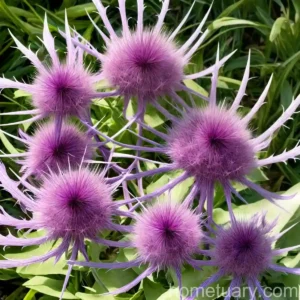
Coneflowers belong to the genus Echinacea and are renowned for their distinctive, daisy-like flower heads with prominent central cones, which give them their characteristic appearance. One particular standout variety within the coneflower family is the Echinacea ‘Twilight’ Big Sky Twilight. This cultivar is celebrated for its stunning, deep purple petals that encircle dark, prominent cones, creating a mesmerizing display in any garden or landscape.
Key Takeaways – Coneflower (Echinacea ‘Twilight’ Big Sky Twilight)
Let’s delve into the key takeaways regarding the Echinacea ‘Twilight’ Big Sky Twilight, covering its cultural aspects, uses, and essential care requirements.
Culture
- Hardy perennial plant
- Thrives in various climatic conditions
- Adaptable to different soil types
Uses
- Ornamental garden plant
- Medicinal purposes
- Wildlife attraction
Plant Care
To ensure the successful cultivation of Echinacea ‘Twilight’ Big Sky Twilight, it is vital to understand and address its care requirements meticulously. Below, we will explore the crucial aspects of caring for these enchanting coneflowers.
Water
Proper watering is essential for the health and vitality of Echinacea ‘Twilight’ Big Sky Twilight. While these plants are relatively drought-tolerant once established, adequate moisture is crucial during their initial growth stages and in prolonged periods of drought. To strike the right balance, consider the following watering guidelines:
- Initially, keep the soil consistently moist but not waterlogged until the plants are established.
- Once established, water deeply but infrequently to encourage deep root growth and drought tolerance.
- Avoid overhead watering to prevent issues such as foliar diseases.
Sunlight
Coneflowers thrive in full sun, making them excellent choices for sunny borders, meadows, and cottage gardens. When cultivating Echinacea ‘Twilight’ Big Sky Twilight, ensure they receive at least 6-8 hours of direct sunlight daily to promote robust growth and prolific flowering.
Fertilizer
While coneflowers are generally low-maintenance plants, they can benefit from a light application of balanced fertilizer in early spring to support healthy growth and abundant blooms. Choose a fertilizer with a higher phosphorus content to encourage flowering and overall plant vigor. However, avoid excessive fertilization, as coneflowers are sensitive to high levels of nitrogen, which can lead to leggy growth and reduced flowering.
Soil
Well-drained, loamy soil is ideal for Echinacea ‘Twilight’ Big Sky Twilight. These plants resent waterlogged conditions, which can lead to root rot and other related issues. Consider amending heavy clay soils with organic matter such as compost or peat moss to improve drainage and create a hospitable growing environment for coneflowers.
Pruning
Pruning coneflowers, including the Echinacea ‘Twilight’ Big Sky Twilight, is beneficial for maintaining plant health, prolonging the blooming period, and encouraging a tidy, compact growth habit. Follow these essential pruning guidelines:
- Deadhead spent flowers regularly to promote continuous blooming and prevent self-seeding, especially if a tidy, controlled garden appearance is desired.
- In late fall or early spring, cut back the foliage to ground level to rejuvenate the plants and remove any overwintering pests or diseases.
Propagation
Echinacea ‘Twilight’ Big Sky Twilight can be propagated through various methods, including division, seed sowing, and root cuttings. Each technique offers distinct advantages and is suitable for different purposes. Here’s an overview of propagation methods for coneflowers:
- Division: Divide mature clumps of coneflowers in early spring or early fall to create new plants and rejuvenate established ones.
- Seed sowing: Collect seeds from mature coneflower plants and sow them in well-prepared seedbeds or containers. Stratification may enhance germination rates for some Echinacea species.
- Root cuttings: Take root cuttings from healthy, established plants and propagate them in a controlled environment to produce new clones.
Container Popularity
Coneflowers, including the Echinacea ‘Twilight’ Big Sky Twilight, are popular choices for container gardening, allowing individuals with limited space or less-than-ideal soil conditions to enjoy the beauty and benefits of these captivating plants. When growing coneflowers in containers, consider the following tips:
- Select large, sturdy containers with adequate drainage holes to accommodate the robust root systems of coneflowers and prevent waterlogging.
- Use high-quality, well-draining potting mix to ensure optimal growing conditions for container-grown coneflowers.
- Position the containers in a sunny location, providing the necessary sunlight for robust growth and abundant flowering.
Common Diseases
Like any plant, coneflowers are susceptible to certain diseases that can impact their overall health and appearance. Understanding and identifying these diseases is essential for effective management and prevention. Here are some prevalent diseases that may affect Echinacea ‘Twilight’ Big Sky Twilight:
Disease Diagnosis
- Powdery mildew: Characterized by a powdery, white fungal growth on the foliage, powdery mildew can weaken plants and diminish their visual appeal. Adequate air circulation and proper spacing can help mitigate this issue.
- Botrytis blight: This fungal disease presents as brown, water-soaked spots on the leaves and petals, eventually leading to tissue decay. Maintaining good airflow and avoiding overhead watering can help prevent botrytis blight.
- Aster yellows: Caused by a phytoplasma, aster yellows results in abnormal growth and discoloration of plant tissues. Prompt removal and destruction of infected plants can prevent the spread of this disease.
Common Pests
While coneflowers are generally resistant to most pests, they may occasionally encounter pest pressures that require attention and intervention. Recognizing these common pests is key to implementing appropriate control measures. Here are some common pests that may affect Echinacea ‘Twilight’ Big Sky Twilight:
Botanist’s Tips
To enhance the vitality and visual appeal of coneflowers, consider the following expert tips and recommendations:
- Incorporate companion plants such as ornamental grasses, salvias, and rudbeckias to create visually striking and ecologically beneficial plant combinations in the garden.
- Encourage natural predators and beneficial insects to inhabit the garden, contributing to the biological control of pest populations and fostering a healthy, balanced ecosystem.
- Adopt sustainable gardening practices, such as mulching with organic materials to conserve soil moisture, suppress weed growth, and improve soil structure.
Fun Facts
Coneflowers, including the Echinacea ‘Twilight’ Big Sky Twilight, boast several intriguing and captivating attributes. Here are some fun facts about these remarkable plants:
- Native American tribes historically used Echinacea species for various medicinal purposes, leading to their widespread recognition for their potential health benefits.
- Coneflowers are renowned for their ability to attract a wide array of pollinators, from bees and butterflies to hummingbirds, contributing to the biodiversity and ecological richness of gardens and natural landscapes.
Links to External Resources
For further information and resources on coneflowers and Echinacea ‘Twilight’ Big Sky Twilight, consider exploring the following valuable links:
- The American Society of Landscape Architects
- The Royal Horticultural Society
- The North American Butterfly Association
In this comprehensive guide to coneflowers, we’ve covered various aspects of the Echinacea ‘Twilight’ Big Sky Twilight, from its cultural preferences to its unique uses and essential care guidelines. Whether you are interested in growing coneflowers for their ornamental value, medicinal benefits, or ecological contributions, understanding their specific requirements and characteristics is key to successful cultivation. With the insights shared in this article, you are now equipped with the knowledge and expertise to embark on a rewarding journey with these captivating plants.