Common Sowthistle (Sonchus Oleraceus)
As a plant scientist, I am delighted to introduce you to the intriguing world of the common sowthistle (Sonchus oleraceus). This unassuming plant holds a.
As a plant scientist, I am delighted to introduce you to the intriguing world of the common sowthistle (Sonchus oleraceus). This unassuming plant holds a wealth of culture, uses, and characteristics that make it a captivating subject for plant enthusiasts and scientists alike. Join me as we delve into the depths of this remarkable species, exploring its cultural significance, care requirements, and so much more.
What is a Plant?
To understand the common sowthistle and its unique attributes, it’s crucial to start with the fundamental concept of a plant. In the broadest sense, plants are living organisms that belong to the kingdom Plantae. With an incredible diversity of over 390,000 known species, plants play a pivotal role in the environment, supporting life on Earth through processes such as photosynthesis and oxygen production. Furthermore, plants are utilized in various ways, including food, medicine, and aesthetic purposes, thus underscoring their immense value to human society.
Common Sowthistle (Sonchus oleraceus): An Introduction
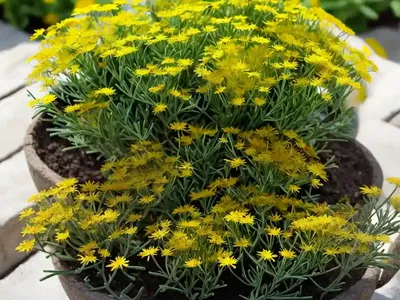
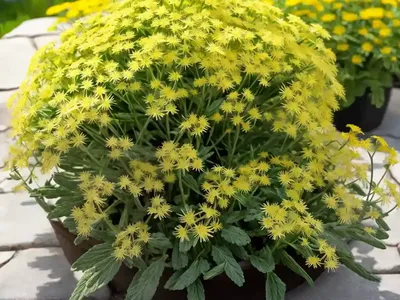
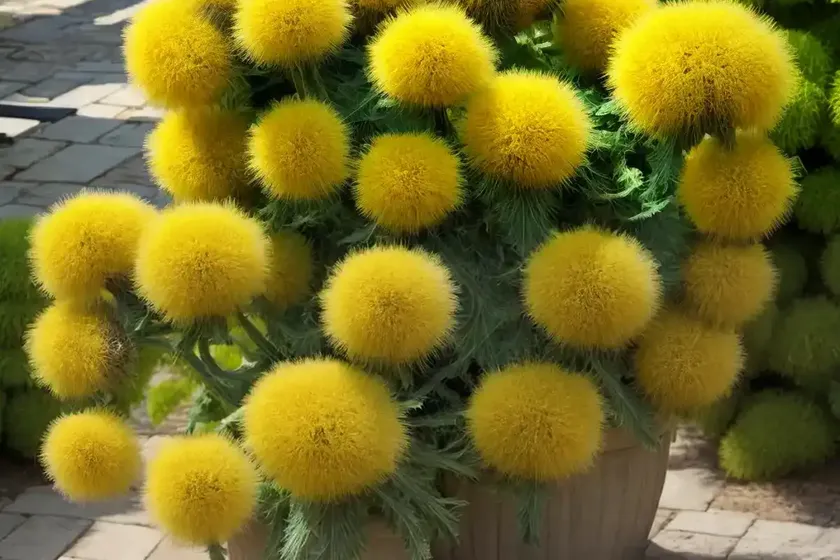
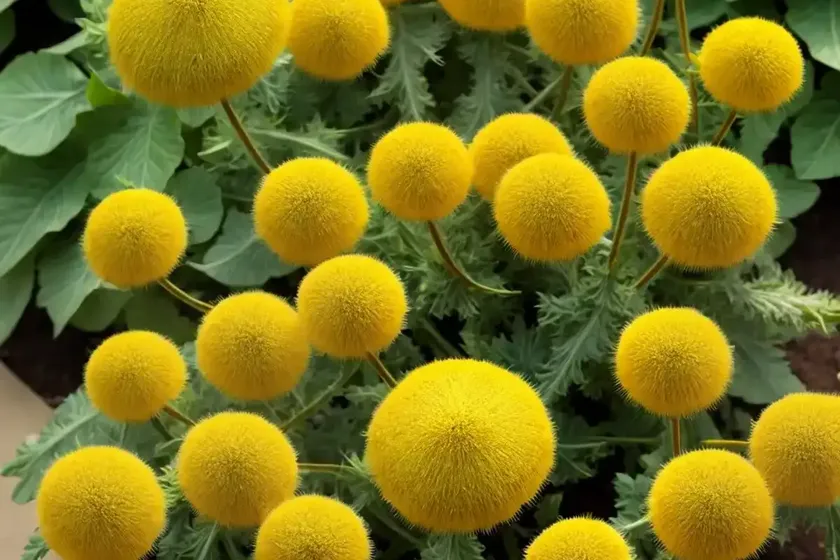
Native to Europe, Asia, and northern Africa, the common sowthistle (Sonchus oleraceus) is a herbaceous plant that belongs to the Asteraceae family. This species is known for its erect, leafy stems and bright yellow flowers, which add a vibrant touch to fields, pastures, and wasteland areas. While it is often regarded as a weed, the common sowthistle boasts a rich history of traditional uses and has garnered attention for its potential medicinal properties.
Key Takeaways – Common Sowthistle (Sonchus oleraceus)
Before we embark on a detailed exploration of the common sowthistle, let’s take a moment to highlight some key takeaways about this fascinating plant:
- Botanical Name: Sonchus oleraceus
- Common Name: Common Sowthistle
- Family: Asteraceae
- Origin: Europe, Asia, northern Africa
- Uses: Traditional medicine, culinary applications, forage for livestock
- Characteristics: Erect, leafy stems; yellow flowers; deeply lobed leaves
- Cultural Significance: Folklore, traditional uses in diverse cultures
- Growing Conditions: Thrives in various soil types, adaptable to different climates
- Challenges: Susceptible to certain diseases and pests
Now, let’s delve deeper into the culture, uses, and care requirements of the common sowthistle to gain a comprehensive understanding of this remarkable plant.
Culture
Uses
The common sowthistle has a rich history of diverse uses, reflecting its cultural significance in various regions. These uses encompass traditional medicine, culinary applications, and as a valuable forage for livestock.
Medicinal Uses
Throughout history, the common sowthistle has been utilized in traditional medicine for its purported medicinal properties. It has been recognized for its potential as a herbal remedy, with various parts of the plant being used to address different health concerns.
Culinary Applications
In some cultures, the common sowthistle has been incorporated into culinary practices, with its young leaves and tender shoots being utilized in salads, stir-fries, and other dishes. The plant’s mild, slightly bitter flavor adds an interesting dimension to culinary creations.
Forage for Livestock
The common sowthistle serves as a valuable forage for livestock, offering a nutritious food source for grazing animals such as cattle and sheep. Its presence in pastures and fields contributes to the well-being of livestock and supports sustainable agricultural practices.
Water
When it comes to watering the common sowthistle, providing consistent moisture is essential, especially during periods of dry weather. Adequate water uptake is crucial for the plant’s growth and overall health, ensuring that it maintains its vibrant appearance and vitality.
Sunlight
As a sun-loving plant, the common sowthistle thrives in full sunlight, basking in the warmth and light of the sun’s rays. When grown in a sunny location, the plant is most likely to flourish and produce vibrant, attractive blooms.
Fertilizer
While the common sowthistle is relatively adaptable to different soil conditions, providing a balanced fertilizer can enhance its growth and vigor. A well-balanced fertilizer with equal proportions of nitrogen, phosphorus, and potassium can contribute to the plant’s overall health and resilience.
Soil
The common sowthistle exhibits versatility in its soil preferences, as it can thrive in a range of soil types, including loamy, sandy, and clay soils. However, well-drained soil is essential to prevent waterlogging and promote healthy root development.
Pruning
Pruning the common sowthistle is not a common practice for ornamental purposes, as it is often allowed to grow naturally and produce its charming yellow flowers. However, if the plant becomes unruly or requires maintenance, it can be lightly pruned to shape its growth and remove any dead or damaged foliage.
Propagation
The common sowthistle can be propagated through various methods, including seed propagation and division. By sowing seeds in favorable conditions or dividing mature plants, it is possible to propagate new individuals and expand the presence of this captivating species.
Container Popularity
While the common sowthistle is primarily appreciated in outdoor settings, its vibrant appearance and adaptability also make it suitable for container gardening. When grown in containers, it adds a cheerful touch to patios, balconies, and other outdoor spaces, showcasing its robust growth and charming blooms.
Container
Growing a common sowthistle in a container can be a delightful endeavor, offering a versatile way to enjoy this captivating plant. When selecting a container for the plant, opt for a spacious pot with adequate drainage to support healthy growth and development. Additionally, ensure that the container is positioned in a sunny location to provide the plant with the light it needs to thrive.
Common Diseases
Disease Diagnosis
While the common sowthistle is a resilient plant, it is susceptible to certain diseases that can affect its vitality and appearance. Diagnosing these diseases is essential for implementing timely interventions and preventing their spread. Some common diseases that may affect the common sowthistle include:
- Powdery Mildew: A fungal infection that manifests as a powdery white coating on the plant’s foliage.
- Downy Mildew: Another fungal disease characterized by the presence of downy growth on the undersides of leaves.
- Root Rot: Caused by waterlogged soil, leading to rotting of the plant’s roots and subsequent decline in health.
Common Pests
In addition to diseases, the common sowthistle may also encounter pests that pose a threat to its well-being. Vigilance is crucial in identifying and addressing pest infestations promptly. Some common pests that may affect the common sowthistle include:
- Aphids: Small, sap-sucking insects that can cause distortion of leaves and the transmission of plant viruses.
- Leaf Miners: Larvae of certain insects that create meandering tunnels within the plant’s leaves, compromising their structural integrity.
- Slugs and Snails: These mollusks can feed on the tender foliage of the common sowthistle, leading to unsightly damage and reduced vigor.
Botanist’s Tips
As a plant scientist, I have compiled a set of valuable tips to aid in the cultivation and care of the common sowthistle, ensuring its optimal growth and well-being. These tips draw on botanical knowledge and practical insights into the unique needs of this species.
- Regular Monitoring: Keep a watchful eye on the common sowthistle for signs of disease, pests, or any other irregularities that may require attention.
- Adequate Watering: Maintain a steady watering routine to provide the plant with the moisture it needs to thrive, especially during dry spells.
Fun Facts
To further enrich our understanding of the common sowthistle, here are some captivating fun facts about this remarkable plant:
- The common sowthistle is known for its rapid growth, often colonizing areas with its abundant seed production and vigorous growth habit.
- In certain cultures, the common sowthistle holds folklore and mythological significance, adding an element of intrigue to its cultural history.
- While it is often considered a weed, the common sowthistle has been celebrated for its culinary potential and its role in traditional medicine, demonstrating the multifaceted nature of this species.
Links to External Resources
To complement our exploration of the common sowthistle, I have compiled a selection of reputable external resources for further reading and research. These resources offer valuable insights and information about the plant, encompassing its uses, characteristics, and much more:
- The Plant List – Sonchus oleraceus
- Flora of North America – Sonchus oleraceus
- Royal Horticultural Society – Common sow-thistle
As we conclude our exploration of the common sowthistle (Sonchus oleraceus), I hope you have gained a deeper appreciation for the captivating nature of this species. From its cultural significance to its care requirements, the common sowthistle offers a wealth of intrigue and value, underscoring its significance in the world of plants. Whether it is admired for its vibrant blooms or its potential uses, this remarkable plant continues to inspire curiosity and admiration.
Now, as you embark on your own journey with the common sowthistle, may the knowledge and insights shared in this blog serve as a valuable guide, enriching your experience and understanding of this captivating plant.
Happy gardening and exploration!