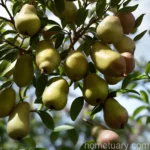
Growing Common Pear (Pyrus communis ‘Colette’): A Plant Scientist’s Comprehensive Guide
Introduction
Common pear (Pyrus communis) is a beloved fruit tree known for its delightful fruits. One specific cultivar, ‘Colette’, is a popular choice among gardeners for its excellent fruit production, attractive appearance, and overall ornamental value. As a plant scientist, I am excited to share valuable insights into the cultivation, care, and maintenance of this remarkable plant. In this guide, we will delve into the culture, uses, water, sunlight, fertilizer, soil, pruning, propagation, and popular container growing practices for the common pear (Pyrus communis ‘Colette’). Additionally, we will explore the common diseases and pests that affect this plant, along with practical tips and resources to support its robust growth.
What is Common Pear (Pyrus communis ‘Colette’)?
The common pear, scientifically known as Pyrus communis, is a deciduous tree species valued for its delicious and nutritious fruits. ‘Colette’ is a specific cultivar recognized for its exceptional traits and is widely cultivated by enthusiasts and commercial growers alike.
Key Takeaways – Common Pear (Pyrus communis ‘Colette’)
Culture
Uses
Water
Sunlight
Fertilizer
Soil
Pruning
Propagation
Container Popularity
Container
Common Diseases
Disease Diagnosis
Common Pests
Botanist’s Tips
Fun Facts
Links to External Resources
Culture
The culture of common pear ‘Colette’ encompasses various factors that significantly contribute to its successful growth and fruit production.
Water
The common pear ‘Colette’ requires regular watering, especially during its initial establishment phase and fruit development.
Adequate moisture is crucial for ensuring healthy fruit set and overall growth. It is essential to maintain consistently moist but not waterlogged soil, particularly during dry periods.
* Watering frequency may vary depending on local climate conditions and soil moisture retention capabilities.
Sunlight
Common pear ‘Colette’ thrives in locations that receive full sunlight, which typically translates to at least six to eight hours of direct sunlight each day.
Ample sunshine contributes to vigorous growth, flower bud formation, and subsequent fruit development.
* Insufficient sunlight exposure may result in reduced fruit production and overall plant vitality.
Fertilizer
Fertilization plays a critical role in enhancing the growth and fruiting potential of common pear ‘Colette’.
Application of a balanced fertilizer, particularly in early spring before active growth, can provide the necessary nutrients for the plant’s optimal development.
* Organic amendments such as compost or well-rotted manure can also be beneficial for improving soil fertility and overall plant health.
Soil
Common pear ‘Colette’ flourishes in well-drained, loamy soils with good fertility.
The ideal soil pH for this cultivar ranges between 6.0 and 7.0, promoting nutrient uptake and overall plant vigor.
* Organic matter incorporation and regular soil testing are essential practices for maintaining suitable soil conditions for the plant.
Pruning
Pruning is a fundamental aspect of common pear ‘Colette’ maintenance, contributing to desired tree shape, fruit production, and overall plant health.
Correct pruning techniques, including the removal of dead, damaged, or crossing branches, promote air circulation and reduce the risk of disease.
* Additionally, selective pruning can help manage the tree’s size and shape while encouraging the development of fruit-bearing wood.
Uses
The common pear ‘Colette’ holds multifaceted uses that make it a valuable addition to home gardens, orchards, and landscapes.
- Edible Fruits: The primary appeal of common pear ‘Colette’ lies in its delectable fruits, which are enjoyed fresh, used in culinary preparations, or preserved in various forms such as jams and preserves.
- Ornamental Value: Beyond its fruit-bearing capacity, ‘Colette’ adds ornamental charm to landscapes with its spring blossoms, vibrant foliage, and attractive tree form.
- Wildlife Attraction: The tree’s flowers and fruits attract pollinators and diverse wildlife, contributing to the ecological diversity of the surrounding environment.
- Landscape Enhancement: Common pear ‘Colette’ serves as an elegant and productive element in home gardens, providing shade, visual interest, and seasonal beauty.
Propagation
Propagation is the process of reproducing plants through various techniques, enabling gardeners to expand their collection of common pear ‘Colette’ or cultivate new trees for additional purposes.
- Grafting: One of the most common propagation methods for ‘Colette’ involves grafting scion wood from a desirable cultivar onto a compatible rootstock. This approach allows for the precise replication of desirable traits and ensures the compatibility and vigor of the resulting trees.
- Seed Propagation: While less commonly practiced due to the potential variation in seedling characteristics, propagation from seeds can be a viable option for obtaining new common pear ‘Colette’ trees. It is essential to note that seed-grown trees may not necessarily exhibit the exact traits of the parent plant, and a lengthy period to reach fruiting maturity is often required.
Common Diseases
Despite its resilience, common pear ‘Colette’ is susceptible to certain diseases that can impact its growth and fruit production.
Disease Diagnosis
- Fire Blight: This bacterial disease can cause significant damage to common pear ‘Colette’, leading to wilting, blackening of shoots, and cankers on the branches. Prompt identification and removal of affected plant parts are crucial for disease management.
- Pear Scab: Manifesting as dark, scabby lesions on leaves and fruits, pear scab can diminish the overall quality of common pear ‘Colette’ fruits. Regular monitoring and appropriate fungicidal treatments can help control this disease.
- Powdery Mildew: Characterized by a white, powdery growth on leaves and shoots, powdery mildew can weaken and distort the affected plant parts. Adequate air circulation and the use of suitable fungicides aid in managing this fungal disease.
Common Pests
In addition to diseases, common pear ‘Colette’ is vulnerable to various pests that can compromise its health and fruit production.
- Pear Psylla: This tiny, jumping insect can inflict damage to common pear ‘Colette’ by causing leaf curling, stunted growth, and honeydew secretion. Integrated pest management practices, including the use of beneficial insects and horticultural oils, can effectively mitigate pear psylla infestations.
- Codling Moth: The larvae of codling moths feed on common pear ‘Colette’ fruits, leading to unsightly damage and reduced fruit quality. Monitoring and timely intervention with pheromone traps and targeted insecticides are crucial for controlling codling moth populations.
- Pear Slug: The pear slug, or pear sawfly, can defoliate common pear ‘Colette’ by feeding on its leaves. Handpicking and the use of insecticidal soaps are effective measures for managing pear slug infestations.
Botanist’s Tips
As a plant scientist, I offer the following practical tips based on scientific insights and practical experience to support the successful cultivation of common pear ‘Colette’:
- Regular monitoring of the tree’s growth, foliage, and fruit development is essential for early detection and management of potential issues, including diseases and pests.
- Proper pruning promotes air circulation, sunlight penetration, and overall plant health, contributing to improved fruit quality and disease resistance.
- Understanding the local climate, soil characteristics, and suitable rootstock options is critical for selecting the most appropriate growing conditions for common pear ‘Colette’.
Fun Facts
- The common pear ‘Colette’ is a productive fruit tree, capable of yielding a bountiful harvest of delicious, juicy pears under favorable growing conditions.
- The blossoms of ‘Colette’ contribute to its ornamental appeal, adorning the tree with delicate, fragrant flowers in the spring.
- Beyond its culinary uses, common pear ‘Colette’ symbolizes longevity, prosperity, and abundance in various cultural traditions and folklore.
Links to External Resources
For further information on common pear ‘Colette’ cultivation and care, the following resources are recommended for in-depth guidance and insights:
- Royal Horticultural Society – Growing Pears
- University of California Agriculture and Natural Resources – Pear Pest Management Guidelines
- Missouri Botanical Garden – Pyrus communis ‘Colette’
Conclusion
The cultivation and care of common pear ‘Colette’ require a comprehensive understanding of its specific requirements, growth habits, and potential challenges. By recognizing the key factors influencing its development, such as water, sunlight, soil, and disease management, enthusiasts and growers can optimize the health and fruit production of this exceptional cultivar. With a blend of horticultural knowledge, practical techniques, and a deep appreciation for the natural world, the cultivation of common pear ‘Colette’ offers a rewarding journey filled with beauty, flavor, and the enduring legacy of a well-tended fruit tree.
As we conclude this comprehensive guide, I hope that the insights shared herein will serve as a valuable resource for the successful cultivation, enjoyment, and preservation of common pear ‘Colette’ in diverse garden settings and landscapes.
The world of plants awaits your nurturing hands and curious minds. Happy growing!