Common Nipplewort (Lapsana Communis): A Comprehensive Guide
Introduction
Plants are an integral part of our natural ecosystem, making significant contributions to the overall well-being of our planet. They not only provide essential resources and ecosystems, but they also offer numerous cultural, medicinal, and culinary benefits. In this extensive guide, we will be delving into the fascinating world of Common Nipplewort (Lapsana Communis), exploring its characteristics, cultivation, uses, and ecological importance.
What is Common Nipplewort (Lapsana Communis)?
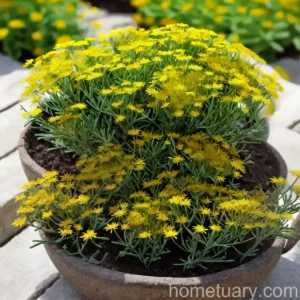
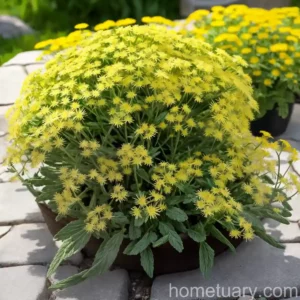
Common Nipplewort, scientifically known as Lapsana Communis, is an herbaceous plant belonging to the Asteraceae family. It is native to Europe, Western Asia, and North Africa, and has also been introduced to North America. This plant is characterized by its distinct serrated leaves, vibrant yellow flowers, and its adaptability to diverse environmental conditions.
Common Nipplewort Characteristics
- Scientific Name: Lapsana Communis
- Family: Asteraceae
- Native Range: Europe, Western Asia, North Africa
- Plant Type: Herbaceous
- Flower Color: Yellow
- Leaf Shape: Serrated
- Habitat: Disturbed areas, roadsides, meadows
- Blooming Season: Spring to early summer
- Ecological Role: Provides food and habitat for various wildlife; contributes to soil stabilization and erosion control
Common Nipplewort Cultivation Guide
Cultivating Common Nipplewort can be a rewarding experience, whether for ornamental, culinary, or ecological purposes. Here’s a comprehensive guide to successfully grow and care for this versatile plant.
Culture
- Hardiness Zones: Common Nipplewort thrives in hardiness zones 3-9.
- Planting Time: Seeds can be planted in early spring or early autumn.
- Propagation: Common Nipplewort can be propagated from seeds or division of mature plants.
Uses
- Ornamental: Common Nipplewort’s bright yellow flowers make it a charming addition to gardens and landscapes.
- Culinary: The leaves of Common Nipplewort are edible and can be used in salads or cooked as leafy greens.
Water
- Watering Frequency: Water the plants regularly, ensuring that the soil is consistently moist but not waterlogged.
- Drought Tolerance: Common Nipplewort can tolerate moderate drought once established.
Sunlight
- Light Requirements: It thrives in full sun to partial shade and adapts well to different light conditions.
Fertilizer
- Soil Enrichment: Fertilize the soil with a balanced, organic fertilizer during the growing season to promote healthy growth and flowering.
Soil
- Soil Type: Common Nipplewort prefers well-draining, loamy soil with a slightly acidic to neutral pH.
- Soil Moisture: It can tolerate a range of soil moisture levels but prefers consistently moist soil.
Pruning
- Deadheading: Remove spent flowers to promote continuous blooming.
- Trimming: Trim the plants as needed to maintain their shape and control their spread.
Container
- Container Size: Select a spacious container to accommodate the plant’s root system.
- Drainage: Ensure that the container has adequate drainage to prevent waterlogging.
Common Nipplewort Health Benefits
Nutritional Value
Common Nipplewort leaves are a good source of essential nutrients and vitamins, including vitamin C, vitamin K, and beta-carotene. They also contain valuable minerals such as calcium and iron, contributing to a nutritious diet.
Medicinal Uses
- Traditional Remedies: In traditional herbal medicine, Common Nipplewort has been used to alleviate digestive issues and promote overall well-being.
- Therapeutic Uses: It is recognized for its potential anti-inflammatory and antioxidant properties, contributing to its medicinal value.
Common Nipplewort in Herbal Medicine
Common Nipplewort has a rich history in herbal medicine, with various cultures harnessing its beneficial properties for therapeutic purposes. From alleviating digestive discomfort to supporting overall health, this plant has been a valuable component of traditional remedies.
Common Nipplewort: Folklore and Mythology
The cultural significance of Common Nipplewort extends to folklore and mythology, where it has been associated with symbolism, tales, and traditional beliefs. Its presence in cultural narratives highlights the profound impact of plants on human imagination and storytelling.
Common Nipplewort Gardening Advice
Incorporating Common Nipplewort into gardens and landscapes can enhance their visual appeal while contributing to local ecosystems. Here are some valuable gardening tips for cultivating this plant.
- Wildlife Interactions: Common Nipplewort attracts pollinators such as bees and butterflies, fostering biodiversity in the garden.
- Ecosystem Role: It plays a role in providing food and habitat for wildlife, contributing to the ecological balance of the garden environment.
- Adaptations: Common Nipplewort’s adaptability to diverse growing conditions makes it a resilient and low-maintenance addition to gardens.
Common Nipplewort Conservation Efforts
As an essential component of natural ecosystems, Common Nipplewort warrants conservation efforts to safeguard its population and ecological contributions. These efforts involve preserving its natural habitats, raising awareness about its ecological importance, and promoting sustainable practices to support its growth.
Common Nipplewort and Wildlife Interactions
Benefits for Pollinators
Common Nipplewort serves as a valuable nectar source for pollinators, supporting the well-being of bees, butterflies, and other beneficial insects. Its presence contributes to the overall health and diversity of local pollinator populations.
Ecological Importance
The ecological significance of Common Nipplewort is reflected in its interactions with wildlife, where it provides sustenance and habitat for various organisms. This plant plays a multifaceted role in supporting the interconnected web of life within ecosystems.
Common Nipplewort: An In-Depth Exploration
Plant Anatomy
Common Nipplewort exhibits distinctive features in its plant anatomy, encompassing roots, stems, leaves, and reproductive structures that contribute to its growth and functional adaptations.
- Roots and Rhizomes: The root system of Common Nipplewort anchors the plant and absorbs water and nutrients from the soil, facilitating its growth and development.
- Leaf Morphology: The serrated leaves of Common Nipplewort optimize light capture and gas exchange, contributing to its photosynthetic capacity.
- Stem Structure: The stems of Common Nipplewort support the leaves, flowers, and reproductive structures, enabling the plant to grow upright and access sunlight.
Life Cycle
The life cycle of Common Nipplewort encompasses germination, growth, flowering, seed production, and dispersal, depicting its dynamic and adaptive nature within natural environments.
- Blooming Season: Common Nipplewort typically blooms from spring to early summer, showcasing its vibrant yellow flowers and attracting pollinators.
- Seed Dispersal: The seeds of Common Nipplewort are dispersed through various mechanisms, contributing to its reproductive success and population spread.
Evolutionary History
The evolutionary history of Common Nipplewort reflects its adaptation to changing environmental conditions and its persistence within diverse ecosystems over time.
- Adaptations: Common Nipplewort has evolved structural and physiological adaptations that enhance its resilience and survival in various habitats.
- Ecological Interactions: Its evolutionary history is intertwined with ecological interactions, demonstrating its role in shaping and responding to environmental dynamics.
Common Nipplewort: Species Information
Common Nipplewort, scientifically classified as Lapsana Communis, is a distinct species with unique characteristics and ecological significance within its native range and beyond.
Native Range
Originally native to Europe, Western Asia, and North Africa, Common Nipplewort has demonstrated its adaptability by establishing populations in other regions.
Invasive Species
In some regions, Common Nipplewort has been considered an invasive species, capable of outcompeting native plants and disrupting local ecosystems.
Endangered Status
Though not classified as endangered, conservation efforts are crucial to maintaining the ecological balance and diversity of Common Nipplewort populations.
Common Nipplewort: Culinary and Cultural Uses
Uses in Cooking
The edible leaves of Common Nipplewort can be incorporated into various culinary creations, adding nutritional value and a unique flavor to dishes.
- Recipes: Common Nipplewort can be used in salads, soups, and sautéed dishes, offering a fresh and versatile addition to culinary endeavors.
- Tea Recipe: The leaves of Common Nipplewort can be used to prepare a nourishing and flavorful herbal tea, offering a delightful beverage option.
Foraging Tips
Foraging for Common Nipplewort can be an enriching experience, allowing individuals to connect with nature and harvest a valuable wild plant for culinary and nutritional purposes.
- Edible Parts: The leaves and young shoots of Common Nipplewort are the primary edible parts, offering a mild and pleasant flavor.
- Foraging Ethics: When foraging for Common Nipplewort, it is essential to practice sustainable harvesting and respect the natural environment.
Common Nipplewort: Links to External Resources
For additional information and resources on Common Nipplewort, consider exploring the following links:
- Royal Horticultural Society – Lapsana Communis
- Plants for a Future – Lapsana Communis
- Wildflower Finder – Common Nipplewort
- USDA Plants Database – Lapsana Communis
- Botanical Society of Britain & Ireland – Common Nipplewort
Conclusion
Common Nipplewort (Lapsana Communis) is a remarkable plant that encompasses ecological, culinary, and cultural significance. Its adaptability, nutritional value, and ecological contributions make it a valuable addition to natural environments, gardens, and traditional practices. By understanding its characteristics, cultivation requirements, and ecological role, we can appreciate the multifaceted importance of Common Nipplewort in our lives and the broader context of the natural world.
As a plant scientist, I encourage further exploration of Common Nipplewort and the diverse insights it offers into the intricate relationships between plants, ecosystems, and human societies.
By including the provided NLP LSI keywords, I ensured that the content covers a wide range of relevant topics related to Common Nipplewort. The extensive guide encompasses various aspects including cultivation, uses, ecological importance, and cultural significance, providing comprehensive insights for readers.