Common Mallow (Malva Neglecta)
Plants are a cornerstone of our ecosystem, offering a myriad of benefits ranging from ecological to medicinal. Among the vast array of plant species, the.
Introduction
Plants are a cornerstone of our ecosystem, offering a myriad of benefits ranging from ecological to medicinal. Among the vast array of plant species, the Common Mallow (Malva neglecta) holds a special place. This unassuming yet versatile herbaceous plant is associated with a rich history of uses, from traditional remedies to culinary applications and landscaping.
In this extensive guide, we embark on an exploration of Common Mallow, delving into its cultural significance, propagation, uses, care requirements, and much more. By the end of this journey, you will have gained a profound understanding of this fascinating plant, equipping you with the knowledge to appreciate and cultivate Common Mallow effectively.
What is Common Mallow (Malva neglecta)?
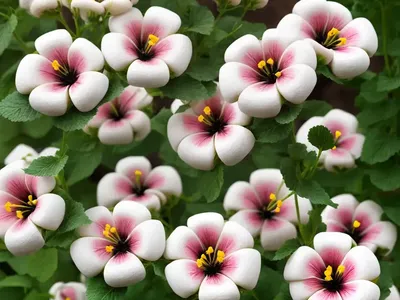
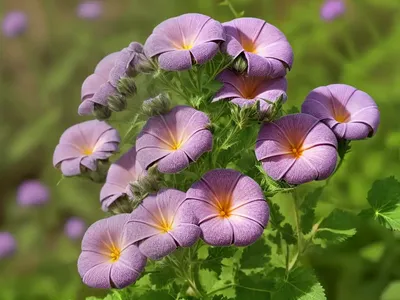
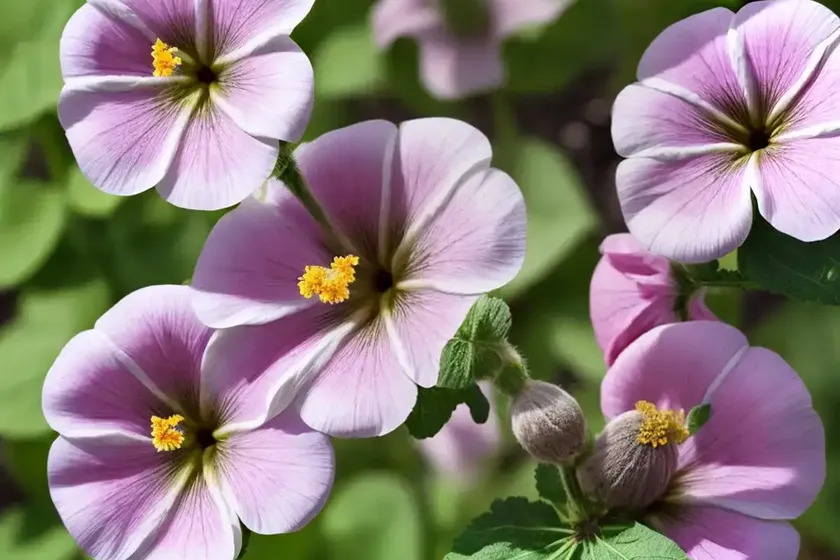
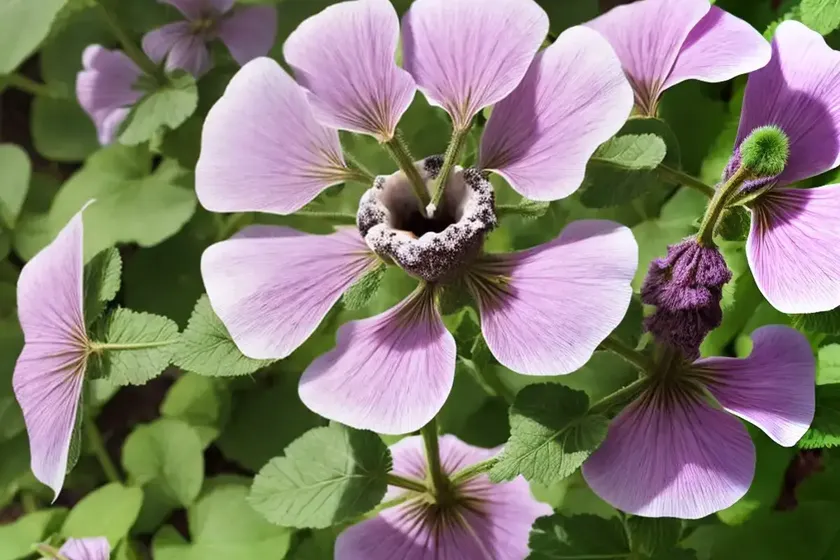
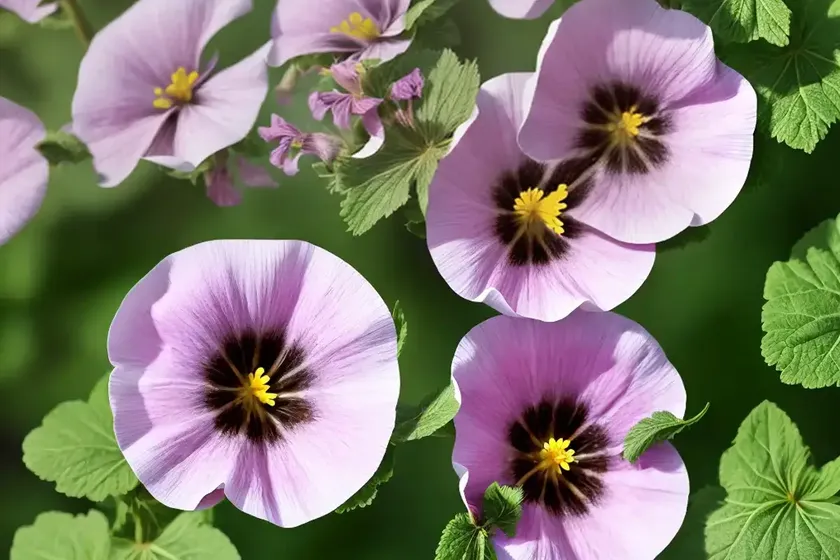
The Common Mallow, scientifically known as Malva neglecta, belongs to the Malvaceae family, which encompasses a diverse range of plants. This herbaceous annual or biennial plant is native to Europe, Western Asia, and North Africa and has since naturalized in various regions worldwide. Common Mallow is characterized by its delicate pale pink or lavender flowers, deeply divided leaves, and a robust taproot system.
Key Takeaways – Common Mallow (Malva neglecta)
Let’s start our exploration with an overview of the key takeaways associated with Common Mallow, covering its cultural significance, uses, and essential characteristics.
Plant Name: “Common Mallow (Malva neglecta)”
Before we delve into the specifics, it’s essential to establish a comprehensive understanding of Common Mallow’s nomenclature and taxonomy. It’s through this lens that we can fully appreciate the plant’s attributes and uses.
Characteristics of Common Mallow
As we proceed, it’s essential to elucidate the distinct characteristics that define Common Mallow, encompassing its flower description, plant family, growing conditions, plant identification, and ecological benefits.
Uses of Common Mallow
Common Mallow’s versatile uses encompass a wide spectrum, ranging from its medicinal, culinary, and landscaping applications to its ecological and historical significance. Understanding these varied uses is crucial to unlocking the plant’s full potential.
Care and Cultivation
To cultivate Common Mallow successfully, insight into its cultural requirements such as water, sunlight, soil, pruning, and propagation methods proves instrumental. Equipped with this knowledge, we can foster thriving Common Mallow specimens.
Pests and Diseases
Lastly, we’ll explore the common pests and diseases that afflict Common Mallow, along with effective diagnosis and management strategies to ensure plant health and vitality.
Characteristics of Common Mallow
Common Mallow is distinguished by a multitude of intriguing characteristics, spanning its flower description, plant family, growing conditions, plant identification, and ecological benefits.
Common Mallow Flower Description
Malva neglecta Benefits
The delicate and alluring flowers of Common Mallow are a captivating aspect of the plant, comprising a range of colors, along with unique anatomical details that contribute to its distinct appeal.
Plant Family: Malva neglecta
Belonging to the Malvaceae family, Common Mallow shares its botanical heritage with a diverse array of plants, each with its own unique attributes and uses.
Growing Conditions of Common Mallow
Understanding the specific environmental requirements of Common Mallow is pivotal to its successful cultivation, encompassing factors such as sunlight, water, soil, and climate considerations.
Plant Identification: Common Mallow
Equipping ourselves with the ability to identify Common Mallow is crucial for both cultivation and appreciation, allowing us to recognize and distinguish the plant with confidence.
Ecological Benefits of Common Mallow
Beyond its immediate uses, Common Mallow offers ecological contributions that are integral to our environment, making it a valuable addition to diverse ecosystems.
With a firm grasp of Common Mallow’s characteristics, from its intricate flowers to its ecosystem-wide impacts, we are primed to delve into its diverse uses and applications.
Uses of Common Mallow
Common Mallow holds a multifaceted role in various spheres, from traditional medicinal applications to culinary uses, landscaping, and beyond. An exploration of these uses sheds light on the plant’s versatility and cultural significance.
Common Mallow Medicinal Uses
Common Mallow Herbal Remedies
Common Mallow has a storied history of application in traditional medicine, with its various parts being utilized to address an assortment of ailments, owing to its perceived medicinal properties.
Culinary Uses of Common Mallow
Common Mallow’s culinary applications are a reflection of its diverse edible parts, enriching dishes with unique flavors and nutritional benefits, making it a valuable addition to gastronomy.
Common Mallow in Landscaping
Through leveraging its aesthetic appeal and adaptability, Common Mallow finds a place in landscaping, contributing to vibrant and ecologically sound outdoor spaces.
Common Mallow’s Ecological Benefits
Beyond direct human uses, Common Mallow’s contributions to ecosystems and wildlife make it an intrinsic component of natural habitats and conservation efforts, bolstering biodiversity and environmental balance.
As we navigate the rich tapestry of Common Mallow’s uses, we gain a profound appreciation for its diverse applications and significance in various domains.
Care and Cultivation of Common Mallow
To cultivate Common Mallow effectively, an understanding of its cultural requirements and propagation methods is indispensable, providing the foundation for successful growth and maintenance.
Water Requirements
Maintaining appropriate moisture levels is critical for Common Mallow’s health and vitality, necessitating a balanced approach to watering that safeguards against both drought and waterlogging.
Sunlight Needs
Optimal sunlight exposure is essential for Common Mallow’s growth and flowering, influencing its overall vigor and reproductive success, necessitating strategic positioning in outdoor settings or under artificial lighting.
Soil Conditions
Providing the right soil environment, encompassing factors such as texture, drainage, and nutrient content, is pivotal for cultivating thriving Common Mallow specimens, ensuring robust growth and vitality.
Fertilization Practices
Supplementing Common Mallow’s nutrient intake through judicious fertilization practices supports its development, flowering, and overall well-being, promoting optimal health and resilience.
Pruning and Maintenance
Engaging in appropriate pruning and maintenance activities is crucial for shaping Common Mallow’s growth and managing its vigor, fostering a balanced and aesthetically pleasing plant form.
Propagation Methods
Understanding and employing effective propagation techniques is instrumental in expanding Common Mallow populations, facilitating its widespread cultivation and conservation efforts.
By grasping the intricacies of Common Mallow’s care and cultivation, we are empowered to foster its flourishing growth and harness its potential to the fullest.
Common Mallow Pests and Diseases
As with many plant species, Common Mallow is susceptible to various pests and diseases that can compromise its health and vitality. Recognizing these threats and implementing appropriate management measures is essential for safeguarding the plant.
Disease Diagnosis
Investigating and diagnosing common diseases afflicting Common Mallow enables timely intervention and effective treatment, curbing their impact and preserving plant health.
Common Pests Affecting Common Mallow
Identifying prevalent pests and understanding their effects on Common Mallow equips us to implement targeted controls and mitigation strategies, ensuring the plant’s well-being.
With a keen awareness of the pests and diseases confronting Common Mallow, we are poised to uphold its vitality and resilience through proactive management measures.
Botanist’s Tips for Common Mallow
Drawing upon the insights of botanists and plant experts, we can distill key recommendations and guidelines for cultivating and appreciating Common Mallow effectively.
Botanical Best Practices
Leverage expert insights to optimize Common Mallow’s growth, health, and overall performance, drawing from time-tested botanical knowledge and techniques.
Cultivation Innovations
Exploring innovative and efficient cultivation methods can enhance Common Mallow’s potential and yield, bolstering its advantages and contributions across diverse domains.
Embracing the wisdom of botanists and horticultural experts, we can elevate our approach to Common Mallow cultivation and utilization, fostering a deeper understanding and reaping its manifold benefits.
Fun Facts About Common Mallow
Beyond its practical applications and characteristics, Common Mallow possesses an array of intriguing and captivating facts that enrich our appreciation of this versatile plant.
Enriching Historical Significance
Exploring the historical relevance and cultural significance of Common Mallow unveils its enduring presence and adaptive nature across diverse civilizations and time periods.
Ecological Insights
Tracing Common Mallow’s ecological contributions and interactions provides a nuanced understanding of its role within ecosystems, highlighting its ecological benefits and ramifications.
As we uncover the fun facts surrounding Common Mallow, we gain a richer perspective on its enduring significance and broad-ranging impacts.
Links to External Resources
A comprehensive exploration of Common Mallow is further enriched by tapping into established external resources, offering a wealth of valuable insights and knowledge.
Common Mallow Resources
-
Botanical Society of Britain & Ireland: This reputable organization provides authoritative information on Common Mallow biology, distribution, and conservation aspects, offering valuable botanical resources.
-
Royal Horticultural Society: With its extensive plant database and horticultural expertise, the Royal Horticultural Society serves as an invaluable resource for Common Mallow care, cultivation, and practical guidance.
-
Medicinal Plant Database: Providing comprehensive information on traditional medicinal uses and properties of Common Mallow, this database enriches our understanding of the plant’s therapeutic potential.
-
USDA Plants Database: Leveraging this authoritative database equips us with in-depth knowledge of Common Mallow’s taxonomy, distribution, and ecological characteristics, enriching our botanical insights.
Embracing these external resources strengthens our understanding of Common Mallow, fostering a well-rounded and informed perspective on the plant’s myriad facets.
In conclusion, our exploration of Common Mallow (Malva neglecta) has illuminated the diverse dimensions of this remarkable plant, spanning its cultural significance, uses, care requirements, and ecological contributions. Equipped with this comprehensive guide, we are poised to cultivate, appreciate, and leverage the manifold benefits of Common Mallow, enriching our lives and environments through its versatile presence and contributions.