Common Lungwort (Pulmonaria Officinalis): A Comprehensive Guide
Plants have been an integral part of human life since ancient times. They have been used for food, medicine, shelter, and spiritual purposes. One such plant that holds historical and medicinal significance is the Common Lungwort (Pulmonaria Officinalis). In this guide, we will explore the various facets of this unique plant, including its characteristics, cultivation, medicinal uses, folklore, and much more.
What is Common Lungwort (Pulmonaria Officinalis)?
Common Lungwort, scientifically known as Pulmonaria Officinalis, is a herbaceous perennial plant belonging to the Boraginaceae family. It is native to Europe and Western Asia and is widely distributed across different regions. The plant is characterized by its distinctive foliage and clusters of colorful flowers, making it a popular choice for shaded gardens and woodland areas.
Pulmonaria Officinalis has a rich history of traditional uses, particularly in herbal medicine, where it is revered for its purported respiratory benefits. Its unique appearance and historical significance have also contributed to its presence in folklore and cultural practices.
Key Takeaways – Common Lungwort (Pulmonaria Officinalis)
Before delving deeper into the various aspects of Common Lungwort, let’s take a look at some key takeaways that will be covered in this comprehensive guide:
- Medicinal Uses: Exploring the traditional and modern medicinal uses of Common Lungwort, particularly its association with respiratory health.
- Plant Characteristics: Understanding the physical attributes of Pulmonaria Officinalis, including its leaves, flowers, and growth habits.
- Cultivation Tips: Learning about the optimal cultural practices for growing Common Lungwort, including soil, sunlight, water, and fertilizer requirements.
- Folklore and Myths: Uncovering the folklore and symbolic significance associated with Common Lungwort in various cultures and traditions.
- Propagation and Pruning: Explaining the methods for propagating and maintaining Common Lungwort, including pruning techniques.
- Disease and Pest Management: Addressing common diseases and pests that may affect Pulmonaria Officinalis and strategies for diagnosis and management.
Now that we have outlined the key areas of focus, let’s delve into the world of Common Lungwort and unravel its intriguing attributes.
Plant Name: Common Lungwort (Pulmonaria Officinalis)
Plant Description
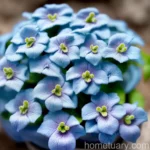
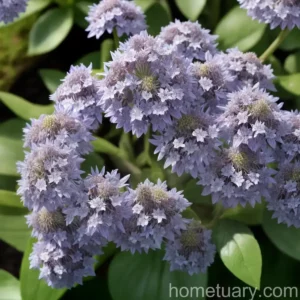
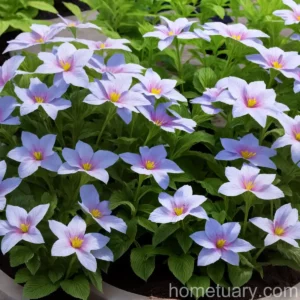
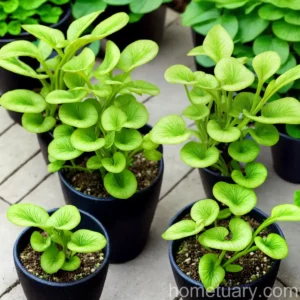
Common Lungwort, or Pulmonaria Officinalis, is a visually captivating plant characterized by its attractive foliage and charming flowers. The plant typically forms clumps of low-growing, hairy leaves and produces delicate, funnel-shaped flowers in early spring. The most distinctive feature of Common Lungwort is its leaves, which often display a striking contrast between green and silver markings, adding an ornamental quality to the plant.
Plant Family
Pulmonaria Officinalis belongs to the Boraginaceae family, also known as the borage or forget-me-not family. This plant family encompasses a diverse range of flowering plants, many of which are admired for their ornamental and medicinal properties.
Habitat
In its natural habitat, Common Lungwort thrives in woodland areas, where it benefits from the dappled shade provided by tall trees. It is often found in moist, well-drained soils with rich organic content, creating an ideal environment for its growth and development.
Growth Requirements
To ensure the optimal growth of Common Lungwort, it is essential to provide suitable growing conditions that align with its natural habitat. These requirements include:
-
Shade: Common Lungwort prefers partial to full shade, making it an excellent choice for shaded gardens and woodland landscapes.
-
Soil: It thrives in moist, well-drained soil with a rich organic content. A slightly acidic to neutral pH level is favorable for the plant’s growth.
-
Water: Adequate moisture is crucial, especially during the plant’s active growth phase. However, it is essential to avoid waterlogging, as excessively wet soil can lead to root rot.
-
Sunlight: While Common Lungwort prefers shaded conditions, it can tolerate some morning sunlight. Care should be taken to protect it from harsh afternoon sun, which can scorch its delicate foliage.
-
Fertilizer: Organic matter, such as compost or well-rotted manure, can be incorporated into the soil during planting to provide essential nutrients. A balanced, slow-release fertilizer can also be applied in spring to support healthy growth.
The combination of these growth requirements creates an environment conducive to the flourishing of Common Lungwort, allowing it to showcase its enchanting foliage and flowers.
Cultivation Techniques
Cultivating Common Lungwort involves careful consideration of its specific needs to ensure its well-being and vitality. Some essential cultivation tips to keep in mind include:
-
Planting: When introducing Common Lungwort to a new garden or landscape, it is advisable to select a site with the appropriate light and soil conditions. Plants can be spaced approximately 12-18 inches apart to allow for adequate spread and growth.
-
Mulching: Applying a layer of organic mulch, such as leaf mold or bark chips, around the base of the plant helps retain moisture, suppress weed growth, and maintain a cool root environment. Additionally, mulch contributes to the overall health of the soil as it decomposes over time.
-
Watering: Consistent and thorough watering is essential, particularly during dry periods or when the plant is establishing itself. Monitoring soil moisture and adjusting watering frequency based on environmental conditions is crucial for promoting healthy growth.
-
Pruning: While Common Lungwort generally maintains an attractive appearance with minimal pruning, the removal of spent flowers and any damaged or diseased foliage is recommended. This practice helps promote a tidy and aesthetically pleasing plant while also minimizing the risk of disease spread.
By adhering to these cultivation techniques, gardeners can create an optimal environment for the growth and development of Common Lungwort, allowing it to thrive and contribute to the beauty of the landscape.
Medicinal Uses of Common Lungwort (Pulmonaria Officinalis)
Herbal Remedies
Common Lungwort has a storied history of traditional medicinal uses, particularly in herbal remedies aimed at addressing respiratory ailments. The plant’s association with lung health and its historical use in herbal medicine have contributed to its reputation as a valuable botanical remedy.
The leaves of Pulmonaria Officinalis have been utilized in traditional herbal preparations to support respiratory health, promote clear breathing, and address coughs and related discomfort. These applications underscore the plant’s historical significance as a natural remedy for pulmonary concerns.
Traditional Healing Properties
In traditional medicine, Common Lungwort has been esteemed for its purported healing properties, with historical references highlighting its role in promoting respiratory comfort and overall well-being. The plant has been used in herbal formulations crafted to address various respiratory conditions, offering a natural and holistic approach to health and wellness.
Herbalism and Folk Remedies
The rich folklore and cultural significance surrounding Common Lungwort have further contributed to its status as a revered plant in herbalism and folk remedies. Its inclusion in traditional healing practices reflects the deep-rooted belief in the plant’s beneficial properties and its association with vitality and respiratory equilibrium.
Modern Applications
While modern scientific research on the medicinal properties of Common Lungwort is limited, the plant continues to be valued for its historical significance and traditional uses. Its presence in herbal medicine and the ongoing interest in botanical remedies have sustained its relevance in contemporary discussions on natural wellness.
Pulmonaria Officinalis Varieties
Common Lungwort, or Pulmonaria Officinalis, is available in several varieties and cultivars, each offering unique attributes that contribute to the plant’s ornamental and horticultural appeal. These variations in foliage patterns, flower colors, and growth habits add diversity to the landscape and provide options for gardeners seeking to integrate Common Lungwort into their gardens.
Varieties and Cultivars
-
‘Sissinghurst White’: This cultivar features striking silver-spotted leaves and clusters of bright white flowers, adding a touch of elegance to shaded gardens.
-
‘Raspberry Splash’: With its eye-catching silver foliage adorned with deep green spots and vibrant pink flowers, this cultivar offers a captivating display of color.
-
‘Trevi Fountain’: Sporting intricately patterned leaves and an abundance of cobalt-blue flowers, this variety adds a bold and vibrant presence to woodland landscapes.
-
‘Opal’: The ‘Opal’ variety boasts silver-mottled leaves and delicate pale blue flowers, creating a serene and enchanting ambiance in shaded settings.
These diverse varieties and cultivars of Pulmonaria Officinalis cater to different aesthetic preferences and design considerations, enriching the plant’s overall appeal and its potential for ornamental use in garden landscapes.
Folklore and Symbolism of Common Lungwort
Cultural Significance
Common Lungwort holds a place of cultural significance in various traditions and folklore, with its history spanning centuries and encompassing diverse symbolic meanings. The plant’s unique attributes and historical uses have contributed to its symbolic resonance in folklore, mythology, and cultural practices.
Folklore and Myths
Throughout history, Common Lungwort has been intertwined with folklore and myths, often associated with themes of healing, protection, and vitality. Its presence in local legends and tales reflects the deep-seated significance of the plant within different cultural contexts, depicting it as a symbol of vitality and natural wisdom.
Symbolism
The symbolic connotations of Common Lungwort are diverse, representing themes of rejuvenation, balance, and resilience. The plant’s association with respiratory health and its enduring presence in traditional medicine have contributed to its symbolism as a source of vitality and well-being.
Cultural Practices
In certain cultures, Common Lungwort has been incorporated into symbolic rituals and practices, reflecting its perceived attributes and its role as a botanical emblem. These cultural practices underscore the enduring significance of the plant and its symbolism in the collective consciousness.
The intertwining of folklore, mythology, and cultural practices has endowed Common Lungwort with a rich tapestry of symbolic meanings, emphasizing its enduring presence and significance in human culture.
Propagation and Pruning of Common Lungwort
Propagation Methods
Common Lungwort can be propagated using several methods, providing gardeners with the flexibility to expand their plantings and introduce new specimens to the landscape. The following propagation techniques can be employed to propagate Pulmonaria Officinalis:
-
Division: The division of established clumps allows gardeners to create new plants from existing ones. This method is typically carried out in early spring or after flowering, enabling the separation of individual plants with healthy roots for transplanting.
-
Seeds: Pulmonaria Officinalis produces seeds that can be collected and sown in suitable growing conditions. By following the appropriate seed sowing and care guidelines, gardeners can raise new plants from seed, offering an opportunity to explore the genetic diversity of the species.
-
Root Cuttings: Taking root cuttings from healthy, established plants provides another means of propagation. Sections of roots can be harvested and planted in favorable soil conditions, allowing for the development of new plants over time.
These propagation methods offer diverse options for expanding the presence of Common Lungwort in the garden, enriching the landscape with its unique foliage and flowers.
Pruning Techniques
While Common Lungwort generally requires minimal pruning, as the removal of spent flowers and any damaged or diseased foliage is recommended to promote a tidy appearance and minimize the risk of disease spread. Additionally, periodic thinning of overcrowded clumps can help maintain the plant’s vigor and encourage a balanced growth habit.
Disease Diagnosis: Common Diseases of Common Lungwort
Common Diseases
Despite its overall resilience, Common Lungwort may be susceptible to certain diseases and disorders that can affect its health and appearance. It is essential for gardeners to be aware of these potential issues and to implement appropriate measures for disease diagnosis and management.
Powdery Mildew
Powdery mildew, a fungal disease, can appear as a powdery white coating on the leaves of Common Lungwort. It is often favored by warm, dry conditions and can impact the plant’s overall vigor and aesthetics. Implementing appropriate cultural practices, such as ensuring adequate air circulation and, if necessary, the use of targeted fungicidal treatments, can help manage this condition.
Leaf Spot
Leaf spot diseases may manifest as discolored or darkened areas on the foliage of Common Lungwort, potentially compromising the plant’s health and aesthetic appeal. Monitoring for early signs of leaf spot and employing preventive measures, such as avoiding overhead watering and promoting good airflow, can contribute to the plant’s disease resistance.
Rust
Rust diseases, characterized by rusty-colored pustules on the leaves, stems, or flowers, can affect Common Lungwort under certain environmental conditions. Maintaining proper garden hygiene, removing affected plant debris, and employing appropriate fungicidal treatments can help manage rust-related issues and minimize their impact on the plant.
Disease Diagnosis and Management
Timely disease diagnosis is crucial for implementing effective management strategies and preserving the health of Common Lungwort. By closely monitoring the plant for signs of disease, practicing good garden sanitation, and, if necessary, seeking the guidance of local extension services or plant health professionals, gardeners can take proactive steps to address any potential issues and ensure the well-being of their plants.
Common Pests: Protecting Common Lungwort
Aphids
Aphids can pose a threat to Common Lungwort, feeding on the plant’s sap and potentially causing distortions or damage to the leaves and stems. Monitoring for aphid populations and employing targeted control measures, such as biological controls or insecticidal treatments, can help manage this common pest.
Slugs and Snails
Slugs and snails may also target Common Lungwort, particularly in damp, shaded environments. Their feeding habits can lead to unsightly damage to the foliage, necessitating the implementation of physical barriers, traps, or molluscicidal treatments to protect the plant.
Caterpillars
Certain caterpillar species may feed on the leaves of Common Lungwort, potentially causing defoliation or aesthetic damage. Identifying the presence of caterpillars and implementing appropriate control measures, such as handpicking or the use of targeted insecticides, can help mitigate their impact on the plant.
Pest Prevention and Control
In addition to reactive pest control measures, employing preventive strategies such as promoting biodiversity, maintaining garden hygiene, and avoiding conditions conducive to pest infestations can contribute to the long-term protection of Common Lungwort. By creating a balanced and healthy ecosystem, gardeners can reduce the susceptibility of the plant to pest-related issues.
In conclusion, Common Lungwort (Pulmonaria Officinalis) is a remarkable plant with a rich tapestry of characteristics, cultivation techniques, medicinal uses, and cultural significance. Its resilient nature, captivating appearance, and historical associations have solidified its position as a cherished species in garden landscapes and herbal traditions. By understanding and embracing the diverse facets of Common Lungwort, we can appreciate the plant’s enduring legacy and its potential to enrich our lives and the natural world.
The captivating foliage of Common Lungwort, with its striking silver markings, represents an exquisite addition to shaded gardens and woodland landscapes, where it thrives in a habitat reminiscent of its native woodlands. The plant’s association with folklore, myths, and cultural practices adds depth to its presence, highlighting its symbolic significance and historical resonance within human culture.
From the vibrant clusters of flowers to the intricate patterns adorning its leaves, Common Lungwort embodies a harmony of form, function, and symbolism, offering a compelling narrative that unfolds in gardens, herbal lore, and the natural world. By embracing the legacy of Common Lungwort and preserving its timeless allure, we honor its historical significance and celebrate its enduring contributions to our lives and landscapes.
References
-
Royal Horticultural Society (RHS). (n.d.). Pulmonaria. https://www.rhs.org.uk/plants/91301/pulmonaria/details
-
Missouri Botanical Garden. (n.d.). Pulmonaria. http://www.missouribotanicalgarden.org/PlantFinder/PlantFinderDetails.aspx?kempercode=k580
-
National Center for Biotechnology Information. (2019). Pulmonaria. https://www.ncbi.nlm.nih.gov/Taxonomy/Browser/wwwtax.cgi
-
United States Department of Agriculture. (n.d.). Natural Resources Conservation Service. Pulmonaria Officinalis. https://plants.usda.gov/core/profile?symbol=puof2
-
The Ohio State University. (n.d.). PlantFacts. Pulmonaria Officinalis. https://plantfacts.osu.edu/pdf/0321-308.pdf