Common Juniper (Juniperus Communis)
In this blog post, we’ll be discussing the Common Juniper (Juniperus communis), a plant that holds great significance due to its various uses and cultural.

In this blog post, we’ll be discussing the Common Juniper (Juniperus communis), a plant that holds great significance due to its various uses and cultural significance. This evergreen shrub has a rich history of traditional uses, ecological importance, and practical applications across different domains. We will delve into its characteristics, cultivation, care tips, landscape uses, propagation methods, and much more. By the end of this article, you’ll have an in-depth understanding of the Common Juniper and how to cultivate and care for it effectively.
What is the Common Juniper (Juniperus communis)?
Common Juniper, scientifically known as Juniperus communis, is a species of coniferous shrub or small tree belonging to the cypress family Cupressaceae. It is widely distributed throughout the Northern Hemisphere, including regions of North America, Europe, and Asia. This species is highly valued for its ornamental features, aromatic berries, and essential oil, along with its ecological significance and historical uses.
Key Takeaways – Common Juniper (Juniperus communis)
Before we delve into the specifics of Common Juniper, let’s overview the key takeaways about this plant:
- Scientific Name: Juniperus communis
- Common Name: Common Juniper
- Plant Type: Evergreen shrub
- Family: Cupressaceae
- Native Range: Northern Hemisphere
Now, let’s explore the various aspects of the Common Juniper, including its culture, uses, care tips, and much more.
Culture
Understanding the cultural requirements of Common Juniper is vital for its successful growth and development. Factors such as water, sunlight, fertilizer, soil, and pruning play crucial roles in maintaining the health and vigor of this plant.
Water
Common Juniper exhibits good drought tolerance once established. It is well-suited to drier conditions and thrives in well-drained soils. Overwatering should be avoided, as it can lead to root rot and other issues. During the establishment phase, regular watering is essential to promote healthy root growth.
Sunlight
This species generally thrives in full sun to partial shade. Adequate sunlight is necessary for optimal growth and berry production. When selecting a planting location, ensure it receives ample sunlight throughout the day, especially in cooler climates.
Fertilizer
Common Juniper generally does not have high fertilizer requirements. However, if the plant shows signs of nutrient deficiency, a balanced slow-release fertilizer can be applied during the growing season. Care should be taken to avoid excessive fertilization, which can lead to adverse effects on the plant’s overall health.
Soil
The Common Juniper prefers well-drained, sandy, or rocky soils. It is adaptable to a range of soil pH levels, including acidic to slightly alkaline conditions. Additionally, it is crucial to avoid waterlogged or compacted soil, as this can inhibit root development and lead to various issues such as root rot.
Pruning
Minimal pruning is typically required for Common Juniper. However, if shaping or size control is desired, pruning can be performed in late winter or early spring. Additionally, dead or damaged branches should be pruned to maintain the plant’s overall health and appearance.
Uses
The Common Juniper holds numerous practical and cultural uses, ranging from medicinal properties to culinary applications. Understanding its diverse uses can provide a comprehensive perspective on the plant’s significance.
Medicinal Properties
Common Juniper has a long history of use in traditional medicine. The berries of the plant contain various bioactive compounds and essential oils that are known for their diuretic, antiseptic, and anti-inflammatory properties. They have been used for promoting urinary tract health, digestive support, and as an herbal remedy for various ailments.
Culinary Uses
The aromatic berries of Common Juniper are used as a flavoring agent in various culinary applications, particularly in the production of gin. They contribute a unique and distinct flavor profile to the spirit, making them a highly sought-after ingredient in the distillation process. Additionally, the berries are used to flavor certain meat dishes and pickles, adding a characteristic herbal note to the final culinary creations.
Landscape Uses
Common Juniper is widely utilized in landscape design for its ornamental value. It is often employed in rock gardens, as a border plant, or as a low-maintenance ground cover. Its evergreen foliage and visually appealing berries make it a popular choice for adding visual interest and texture to various landscape settings.
Propagation
Understanding the propagation methods for Common Juniper is essential for expanding its cultivation through seed propagation or vegetative propagation techniques.
Seed Propagation
Common Juniper can be propagated from seeds, which should be collected from ripe berries. The seeds can be sown in well-draining soil mix in the early spring, and germination can be aided by stratification. It’s important to note that Common Juniper can exhibit irregular and slow germination, requiring patience and attentive care during the early stages of growth.
Vegetative Propagation
Vegetative propagation can also be employed for Common Juniper, particularly using semi-hardwood cuttings. The cuttings should be taken in late summer to early fall and rooted in a well-draining propagation medium. Hormone treatment can aid in the formation of roots, and care should be taken to provide suitable environmental conditions to encourage successful rooting.
Container Popularity
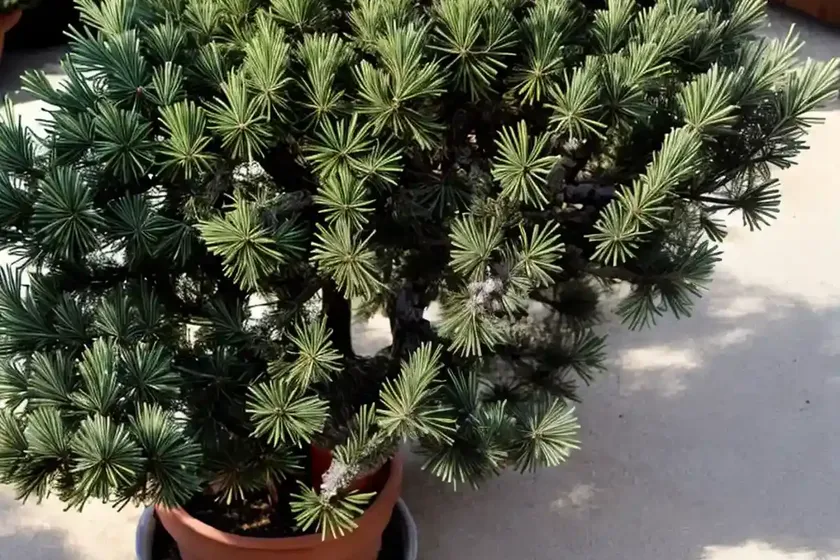
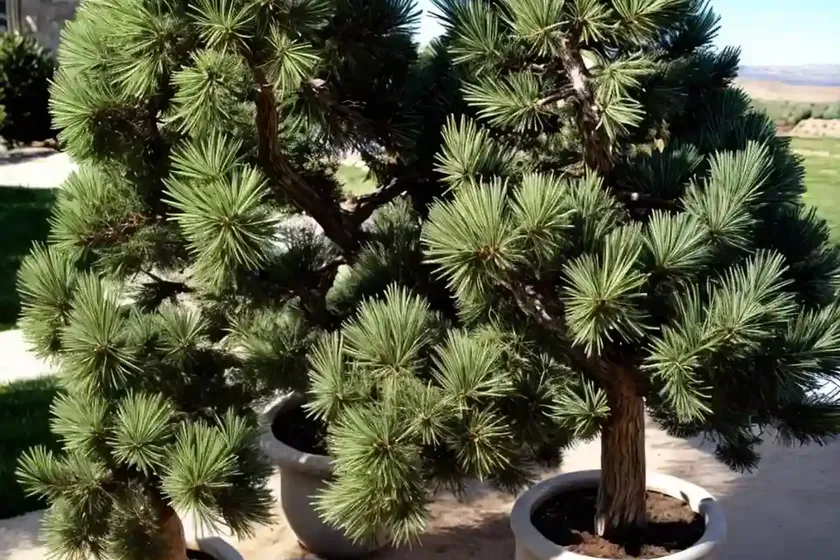
Common Juniper is well-suited to container cultivation, making it a popular choice for patio gardens, urban landscapes, and small-scale horticultural displays. Its adaptable nature and minimal maintenance requirements make it an attractive option for container gardening enthusiasts.
Container Common Diseases
When growing Common Juniper in containers, it’s important to be aware of potential diseases that can affect the plant. Understanding common diseases and their diagnosis can help in implementing effective disease management strategies.
Disease Diagnosis
Common Juniper can be susceptible to certain fungal diseases such as rust and powdery mildew. Symptoms may include yellowing or browning of foliage, powdery deposits on leaves, or the appearance of pustules and lesions. Timely diagnosis and intervention are crucial in preventing the spread of diseases and minimizing their impact on the plant’s health.
Common Pests
Pest infestations can also pose a threat to Common Juniper when cultivated in containers. Pests such as spider mites, scale insects, and certain caterpillars can cause damage to the foliage and overall vigor of the plant. Regular monitoring and the implementation of integrated pest management practices are essential in minimizing pest-related issues.
Botanist’s Tips
As a plant scientist, I’d like to share some important tips for cultivating and caring for Common Juniper based on botanical insights and best practices.
- Environmental Adaptation: Common Juniper demonstrates adaptability to a range of environmental conditions, including varying soil types and climatic challenges. Understanding its natural habitat and ecological preferences can aid in creating suitable growth conditions.
- Landscape Design: When incorporating Common Juniper into landscape designs, consider its growth habits, including height and spread, to ensure appropriate spacing and visual appeal. Additionally, its evergreen foliage and ornamental berries can be utilized to create diverse and visually captivating landscapes.
- Disease Resistance: Selecting disease-resistant cultivars can contribute to the long-term health and vigor of Common Juniper, reducing the susceptibility to common fungal diseases and other ailments that can impact its overall performance.
Fun Facts
To provide an engaging and comprehensive overview of Common Juniper, here are some interesting and lesser-known facts about the plant:
- The aromatic essential oil derived from Common Juniper is used in aromatherapy for its uplifting and clarifying properties.
- The berries of Common Juniper are utilized in the production of traditional herbal remedies for various ailments, including digestive disorders and joint health.
- In folklore and traditional beliefs, Common Juniper has been associated with protection, purification, and warding off negative energies.
Links to External Resources
To further expand your knowledge and exploration of Common Juniper, here are some valuable resources for in-depth information and research:
- The American Society of Botanical Artists – Common Juniper
- Royal Horticultural Society – Juniperus communis
- United States Department of Agriculture – Plants Database
- The Herb Society – Common Juniper
- International Union for Conservation of Nature – Juniperus communis
In conclusion, the Common Juniper (Juniperus communis) stands as a fascinating and versatile plant with a rich tapestry of practical uses, traditional significance, and ecological importance. Its cultivation and care present numerous opportunities for horticultural enthusiasts, herbalists, and landscape designers to explore and appreciate its unique attributes. By understanding its cultivation, cultural uses, and ecological significance, we can more effectively promote and conserve this valuable plant species for future generations.