Common Holly (Ilex)
Common holly, scientifically known as Ilex aquifolium, is a captivating and versatile evergreen plant that has been a symbol of winter, as well as.
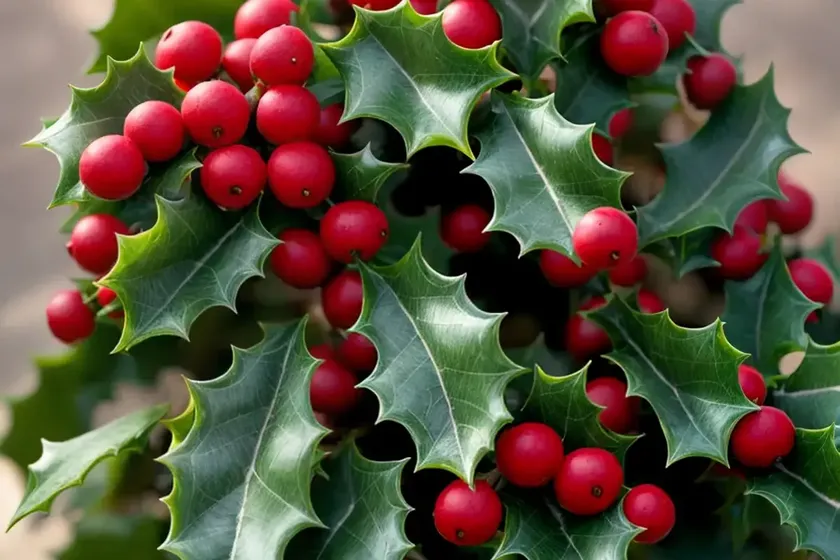
Common holly, scientifically known as Ilex aquifolium, is a captivating and versatile evergreen plant that has been a symbol of winter, as well as Christmas, for centuries. This plant is not only appreciated for its beauty but also for its role in providing food and habitat for wildlife. In this blog post, we will explore the fascinating world of common holly, including its culture, uses, care requirements, propagation, common diseases, and pests. So, whether you want to grow it in your garden, use it for landscaping, or just appreciate its folklore and symbolism, this article is your ultimate guide to common holly.
What is Common Holly (Ilex)?
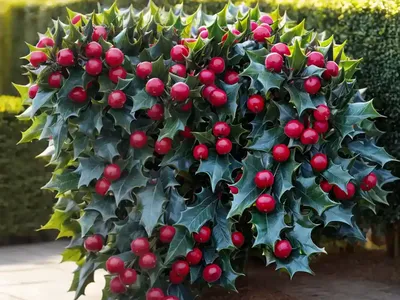
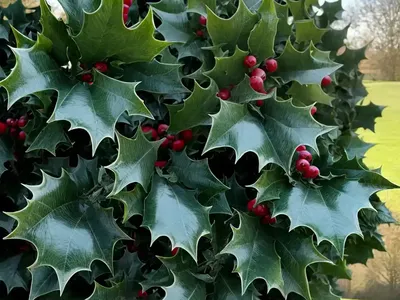
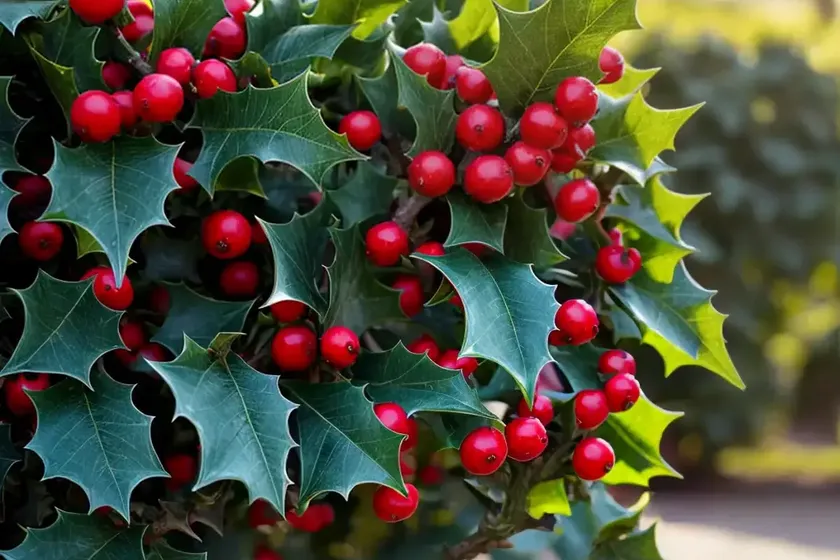
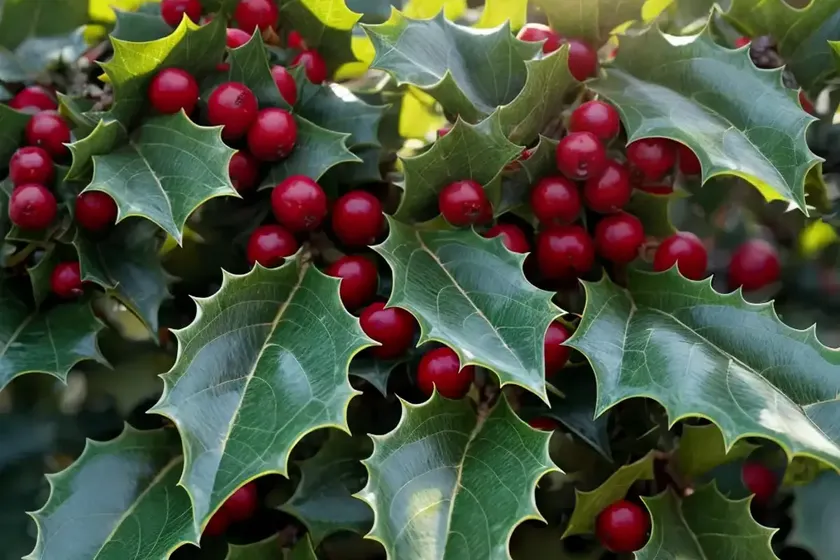
Common holly, also known as English holly, is a species of flowering plant in the family Aquifoliaceae. It is native to western and southern Europe, northwest Africa, and southwest Asia. This evergreen shrub or tree can grow up to 10-15 meters in height, with glossy, spiny leaves and vibrant red berries. The plant is dioecious, meaning individual plants are either male or female, with the female plants producing the iconic red berries.
Key Takeaways – Common Holly (Ilex)
Before delving deeper into the world of common holly, let’s highlight the key takeaways that we will explore in this article:
- Culture:
- Understanding the cultural requirements for growing common holly.
- Uses:
- Exploring the versatile uses of common holly in gardens and landscapes.
- Water:
- Discussing the water requirements for common holly and optimal watering practices.
- Sunlight:
- Understanding the sunlight preferences and requirements for common holly.
- Fertilizer:
- Exploring the fertilizer needs of common holly for optimal growth and health.
- Soil:
- Highlighting the soil preference and requirements for growing common holly.
- Pruning:
- Learning about the best pruning techniques to maintain common holly.
- Propagation:
- Exploring the methods for propagating common holly to expand its presence.
- Container Popularity:
- Discussing common holly’s suitability for container growth.
- Common Diseases:
- Identifying and addressing potential diseases that can affect common holly.
- Common Pests:
- Understanding the common pests that trouble common holly and effective management strategies.
- Botanist’s Tips:
- Leveraging insights and tips from botanists for successfully growing common holly.
- Fun Facts:
- Uncovering interesting and lesser-known facts about common holly.
- Links to External Resources:
- Providing additional resources for further exploration of common holly.
Now that we have outlined the key areas of focus, let’s immerse ourselves in the captivating world of common holly.
Culture
Understanding the cultural requirements of any plant is essential to ensure its optimal growth and development. Common holly, with its rich history and cultural significance, has specific care needs that can contribute to its lush and vibrant presence in gardens and landscapes.
Water
Watering is a crucial aspect of caring for common holly, especially during its establishment period. Once the plant has developed a strong root system, it becomes more tolerant of dry conditions. However, during prolonged dry spells, providing adequate water can help maintain the plant’s health and vigor. In general, it’s best to water common holly deeply but infrequently, allowing the soil to dry out between watering sessions.
Sunlight
Common holly thrives in partial to full sunlight. While it can tolerate some shade, providing it with at least 4-6 hours of direct sunlight promotes robust growth and the development of its iconic red berries. When selecting a planting location for common holly, consider the sunlight conditions to ensure its vitality and ornamental value.
Fertilizer
When it comes to fertilizing common holly, it’s important to apply a balanced, slow-release fertilizer in the spring to support its growth and the development of vibrant foliage and berries. A fertilizer with a 10-10-10 NPK ratio can provide the necessary nutrients without causing excessive vegetative growth. Avoid heavy applications of nitrogen, as this can lead to lush foliage at the expense of berry production.
Soil
Common holly prefers well-drained, slightly acidic soils that are rich in organic matter. The ideal soil pH for common holly is in the range of 5.0 to 6.5. Amending the soil with organic compost can improve its structure and fertility, creating an optimal growing environment for this iconic plant.
Pruning
Pruning common holly is essential to maintain its desired shape, promote air circulation, and control its size. It’s best to prune common holly during late winter or early spring before the new growth emerges. Remove any dead, damaged, or crowded branches, and consider shaping the plant to enhance its ornamental appeal. Additionally, pruning can stimulate new growth and berry production in common holly.
Uses
The uses of common holly extend beyond its ornamental value, making it a versatile and valuable addition to gardens and landscapes. Let’s explore some of the prominent uses of this iconic plant.
- Ornamental Value: Common holly is prized for its glossy, spiny leaves and vibrant red berries, making it a popular choice for winter gardens and holiday decorations. Its evergreen nature also provides year-round interest in gardens and landscapes.
- Wildlife Habitat: The berries of common holly are a crucial food source for various bird species during the winter months. The dense foliage of the plant also offers excellent cover and nesting sites for birds, contributing to the overall biodiversity of the ecosystem.
- Privacy Screen and Hedging: Common holly’s dense growth habit and spiny leaves make it an effective privacy screen and natural hedge. It can be used to create visual barriers and delineate boundaries within a landscape.
- Holiday Decorations: The vibrant red berries and glossy foliage of common holly have made it a popular choice for holiday decorations, wreaths, and arrangements, especially during the festive season.
- Symbolism and Folklore: Common holly has been associated with various cultural and religious traditions, symbolizing hope, protection, and renewal. Its presence in folklore and mythology adds an enchanting dimension to its uses and significance.
Propagation
The propagation of common holly allows enthusiasts to expand its presence in gardens and landscapes, as well as preserve specific cultivars with desirable traits. Understanding the methods for propagating common holly is essential for ensuring successful and consistent results.
Propagation Methods
- Seed Propagation: Common holly can be propagated from seeds, though this method requires patience and can lead to genetic variability. Collect ripe berries from female plants, extract the seeds, and sow them in well-draining, moist seed-starting mix. Provide consistent moisture and wait for the seeds to germinate. Keep in mind that hollies grown from seeds may take several years to reach maturity and berry-producing age.
- Cutting Propagation: Propagating common holly from semi-hardwood cuttings offers a more reliable and quicker method for producing new plants with characteristics similar to the parent. Select 4-6 inch semi-hardwood cuttings from healthy, disease-free plants in late summer to early fall. Remove the lower leaves, dip the cut end in a rooting hormone, and plant the cuttings in a well-draining propagation medium. Provide consistent moisture and warmth, and the cuttings should root within a few months, leading to the development of new plants.
By employing these propagation methods, gardeners and enthusiasts can multiply the presence of common holly in their landscapes and explore the diversity of this iconic plant.
Container Popularity
Common holly’s versatility extends to its adaptability to container growth, making it a popular choice for small gardens, balconies, and patios. The following considerations are essential for successfully growing common holly in containers:
- Container Selection: Choose a large, sturdy container with adequate drainage holes to ensure proper root aeration and avoid waterlogging.
- Growing Medium: Use a well-draining, acidic potting mix to mimic the plant’s preferred soil conditions. You can add compost and organic matter to enhance the fertility and structure of the growing medium.
- Watering: Container-grown common holly may require more frequent watering, especially during dry periods, as the limited soil volume can lead to faster moisture depletion.
- Sunlight: Position the containers in a location that receives at least partial sunlight to promote healthy growth and berry production.
Successfully growing common holly in containers enhances its ornamental value, especially in urban and restricted spaces, while still contributing to the welfare of wildlife and the ecosystem.
Common Diseases
While common holly is generally resilient, it can be susceptible to certain diseases that can impact its overall health and vitality. Understanding these diseases and their associated symptoms is essential for timely diagnosis and effective management.
Disease Diagnosis
- Anthracnose:
- Anthracnose is a fungal disease that can cause leaf spots and blighting of new foliage. The affected leaves may exhibit irregular, dark lesions, and the disease can lead to defoliation in severe cases.
- Phytophthora Root Rot:
- Phytophthora root rot is a soil-borne disease that can affect the roots of common holly, leading to wilting, decline, and eventual death of the plant. It is often associated with waterlogged or poorly drained soils.
- Leaf Spot Diseases:
- Various fungal and bacterial pathogens can cause leaf spot diseases in common holly, leading to the development of unsightly lesions on the foliage. Proper sanitation and avoiding overhead watering can help reduce the incidence of these diseases.
Timely identification of these diseases and prompt intervention, such as improving air circulation, adjusting watering practices, and applying appropriate fungicides, can help manage and control the impact of diseases on common holly.
Common Pests
Common holly can also be affected by certain pests that can compromise its aesthetic appeal and overall vigor. Identifying these pests and implementing effective pest management strategies is crucial for preserving the health and ornamental value of the plant.
Common Pests
- Scale Insects:
- Scale insects can infest common holly, sucking sap from the leaves and stems and causing yellowing or stunted growth. They often appear as small, dark bumps on the plant.
- Spider Mites:
- Spider mites are tiny arachnids that can cause stippling and discoloration of the foliage, adversely affecting the plant’s overall appearance. They thrive in dry and dusty conditions, making them a potential threat to common holly during periods of drought.
- Leaf Miners:
- The larvae of certain insects, such as moths and flies, can infest common holly leaves, creating serpentine tunnels and causing aesthetic damage. Monitoring for early signs of infestation and promptly addressing the issue can help minimize the impact of leaf miners.
Implementing cultural controls, such as maintaining plant health and vigor, as well as using targeted treatments when necessary, can effectively manage common pests and safeguard common holly from their detrimental effects.
Botanist’s Tips
Drawing insights and tips from experienced botanists and horticulturists can offer valuable guidance for successfully growing and caring for common holly. Here are some tips from the experts:
- Selecting Cultivars: Consider the specific traits and characteristics of different common holly cultivars to choose varieties that best suit your landscape and design preferences. Look for cultivars with compact growth habits, variegated foliage, and prolific berry production for added ornamental value.
- Consistent Moisture: While common holly is drought tolerant once established, providing consistent moisture during the first few years of growth can contribute to its overall health and vigor, especially in dryer regions.
- Pruning for Berry Production: Prune common holly selectively to promote the development of new growth and encourage the formation of berries. Removing excessive old wood and thinning out the canopy can enhance the plant’s berry-bearing capacity.
By leveraging the expertise of botanists and horticultural experts, enthusiasts can enhance their understanding of common holly and implement best practices for its cultivation and care.
Fun Facts
Discovering intriguing and lesser-known facts about common holly adds depth to our appreciation of this iconic plant. Let’s explore some fun facts about common holly:
- Complex Pollination: The production of the vibrant red berries on female common holly plants requires pollination from nearby male plants. The intricate process of pollination and fruit development adds to the plant’s mystique and ecological significance.
- Wildlife Support: The berries of common holly, while toxic to humans, serve as a valuable food source for various bird species during the winter months, ensuring their sustenance during periods of scarcity.
- Historical Significance: Common holly has been associated with various cultural and religious traditions, symbolizing enduring hope, protection, and vitality. Its presence in folklore and mythology enriches its cultural significance and allure.
Uncovering these fun facts accentuates the charm and significance of common holly, offering a deeper understanding of its ecological and cultural importance.
Links to External Resources
For those eager to delve deeper into the world of common holly, here are some valuable external resources for additional information and exploration:
- Royal Horticultural Society – Ilex aquifolium
- University of Florida IFAS Extension – Holly Production Guide
- Missouri Botanical Garden – Ilex aquifolium
These resources provide comprehensive information, cultivation guidelines, and insights from experts, offering valuable support for the successful cultivation and appreciation of common holly.
In conclusion, common holly (Ilex aquifolium) stands as a symbol of winter, a source of wildlife sustenance, and a captivating ornamental plant with deep-rooted cultural significance. Its glossy foliage, vibrant red berries, and rich folklore make it a poignant addition to gardens, landscapes, and holiday decorations. By understanding its culture, uses, care requirements, and ecological roles, enthusiasts can embrace the timeless appeal and ecological value of common holly, perpetuating its legacy for generations to come.
With this comprehensive guide, you are equipped with the knowledge and insights to cultivate, appreciate, and celebrate the enduring splendor of common holly.
Remember, whether enjoyed for its ornamental beauty, cherished for its role in wildlife support, or revered for its cultural symbolism, common holly remains an iconic presence that enriches our natural and cultural landscapes.
By Dr. Botanist
Ph.D. in Plant Science
Photos by Pixabay
Published on September 15, 2023