Coltsfoot (Tussilago Farfara)
Coltsfoot (Tussilago farfara) is a fascinating plant with a rich history of traditional uses and medicinal significance. This blog post aims to delve into.
Introduction
Coltsfoot (Tussilago farfara) is a fascinating plant with a rich history of traditional uses and medicinal significance. This blog post aims to delve into various aspects of this plant, including its cultural significance, uses, cultivation requirements, potential diseases and pests, and interesting folklore. As a plant scientist, I am excited to share insights and tips on caring for Coltsfoot, to truly appreciate its beauty and benefits.
What is Coltsfoot (Tussilago farfara)?
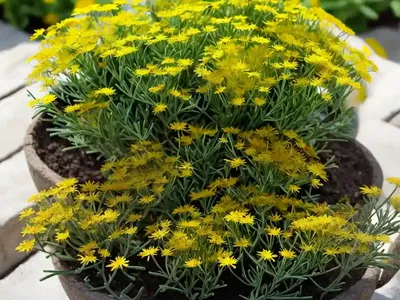
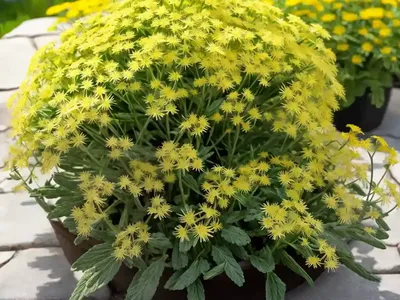
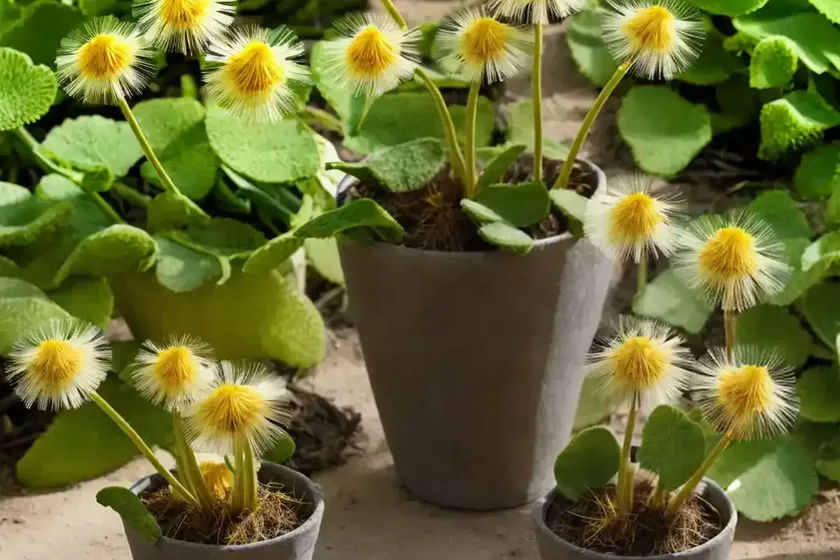
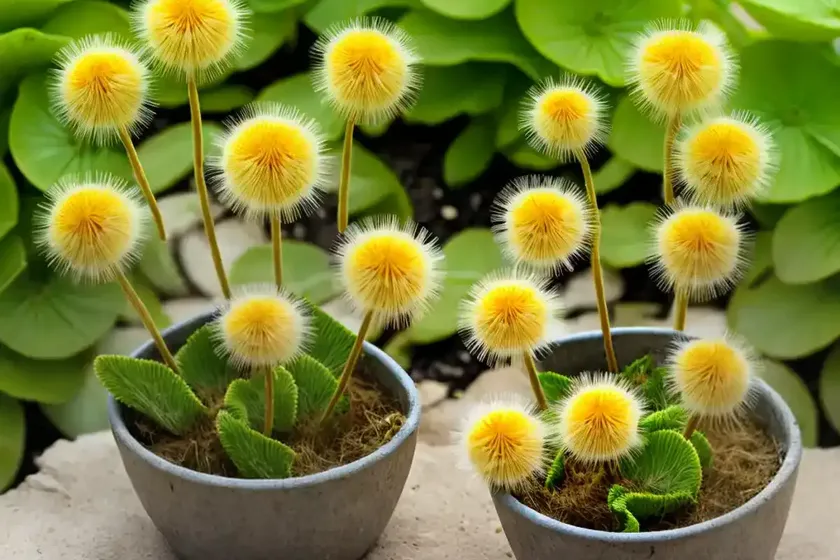
Coltsfoot, scientifically known as Tussilago farfara, is a perennial herbaceous plant belonging to the Asteraceae family. This plant is native to Europe and has also been naturalized in various other regions, including North America and Asia. Coltsfoot is characterized by its bright yellow, daisy-like flowers and large, round leaves that appear after the flowers. The plant is recognized for its historical uses in herbal medicine, primarily for respiratory health and cough remedies.
Plant Description
- Scientific Name: Tussilago farfara
- Family: Asteraceae
- Common Names: Coltsfoot, coughwort, tash plant
- Native Habitat: Europe
- Flower Characteristics: Bright yellow, daisy-like flowers
- Leaves: Large, round leaves
- Seasonal Growth: Coltsfoot typically grows in the early spring, with flowers appearing before the leaves.
Key Takeaways – Coltsfoot (Tussilago farfara)
Before we delve into the intricate details of Coltsfoot, let’s highlight some key takeaways to provide an overview of this plant’s significance and uses.
Coltsfoot (Tussilago farfara) – Key Takeaways:
- Medicinal Uses: Coltsfoot has a rich history of traditional medicinal uses, particularly in the treatment of respiratory conditions, cough, and sore throat.
- Cultural Symbolism: The plant has been associated with folklore and traditional tales, often reflecting its use in traditional medicine and potential symbolism.
- Historical Significance: Coltsfoot has been historically used in various cultures for its natural expectorant and anti-inflammatory properties.
- Habitat and Distribution: Native to Europe, Coltsfoot has since spread to other regions, adapting to various habitats and climates.
- Potential Culinary Uses: While primarily recognized for its medicinal properties, Coltsfoot has also been utilized in culinary applications in some cultures.
Now, let’s explore and dive into each of these key takeaways to gain a comprehensive understanding of Coltsfoot and its remarkable attributes.
Culture
The cultural significance of Coltsfoot spans across various traditions and historical practices. Let’s explore the cultural and traditional aspects associated with this remarkable plant.
Coltsfoot (Tussilago farfara) Folklore
Coltsfoot has often been intertwined with folklore in different cultures, symbolizing various attributes and significance. Its association with respiratory health and cough remedies has contributed to its widespread folklore and traditional tales. In some regions, Coltsfoot has been linked to stories of healing and herbal remedies, reflecting its historical usage as a natural expectorant and cough suppressant.
Coltsfoot in Traditional Medicine
Throughout history, Coltsfoot has held a significant place in traditional medicine practices. Its leaves, flowers, and even roots have been utilized to create herbal remedies for respiratory ailments, coughs, and sore throats. Coltsfoot tea, an infusion made from the dried leaves, has been particularly valued for its potential medicinal benefits and soothing properties.
Symbolism and Cultural Uses
Coltsfoot’s bright yellow flowers and historical uses have attributed symbolic significance to the plant. In some cultures, it has been associated with healing, vitality, and resilience, serving as a source of inspiration in folklore and traditional symbolism. Its role in traditional medicine and potential health benefits continue to contribute to its cultural significance.
Uses
Coltsfoot encompasses a wide array of uses, from traditional medicinal applications to potential culinary and herbal remedies. Let’s explore the diverse uses of Coltsfoot and its relevance in various contexts.
Medicinal Uses of Coltsfoot
Respiratory Health and Cough Remedies
One of the most prominent uses of Coltsfoot is its association with respiratory health and cough remedies. The plant’s natural expectorant and anti-inflammatory properties have made it a valuable component in herbal formulations aimed at alleviating coughs, bronchitis, and respiratory congestion.
Sore Throat and Throat Health
Coltsfoot has also been employed to address sore throat and throat irritation. Its soothing properties have been utilized in traditional remedies to provide relief from discomfort and promote throat health.
Herbal Medicine and Natural Remedies
The leaves, flowers, and roots of Coltsfoot have been significant components in traditional herbal medicine and natural remedies, owing to their potential health benefits and therapeutic properties. Coltsfoot tea, in particular, has been favored for its potential respiratory and throat health benefits.
Culinary and Herbal Applications
While primarily recognized for its medicinal uses, Coltsfoot has also found applications in culinary and herbal contexts in certain cultures. From infusions and teas to potential culinary uses, Coltsfoot has displayed versatility beyond its traditional medicinal role.
Cultivation
As a plant scientist, understanding the optimal conditions for cultivating Coltsfoot is essential to ensure its growth and vitality. Let’s explore the key factors involved in successfully cultivating Coltsfoot.
Water
Coltsfoot thrives in moist, well-drained soil, requiring regular watering to maintain adequate moisture levels. However, it’s essential to prevent waterlogging, as overly saturated soil can negatively impact the plant’s health.
Sunlight
While Coltsfoot can tolerate partial shade, it generally flourishes in full sun or partial shade conditions. Providing ample sunlight is crucial for promoting healthy growth and robust flower production.
Soil
The plant prefers rich, loamy soil with good drainage. It can adapt to various soil types, but ensuring proper drainage is necessary to prevent water accumulation, which can lead to root issues.
Fertilizer
Coltsfoot generally does not require heavy fertilization. Organic matter can be incorporated into the soil before planting to provide essential nutrients. Additionally, a balanced, diluted fertilizer can be applied during the growing season to support plant growth.
Pruning
Pruning Coltsfoot primarily involves removing spent flowers and trimming back excessive foliage as needed. Regular deadheading can encourage continuous flowering and prevent the plant from expending energy on seed production.
Propagation
Propagating Coltsfoot can be achieved through various methods, allowing for the expansion of plantings and the establishment of new growth. Let’s explore the potential techniques for propagating Coltsfoot.
Seed Propagation
Coltsfoot can be propagated from seeds, which can be sown in well-prepared soil during the early spring. Adequate moisture and mild temperatures facilitate seed germination, leading to the establishment of new Coltsfoot plants.
Division
Dividing established Coltsfoot plants is another effective method of propagation. Dividing the root clumps allows for the creation of new plants, ensuring the continued proliferation of Coltsfoot within the garden or landscape.
Container Propagation
Coltsfoot can also be propagated in containers, offering flexibility in establishing new plants and managing their growth in controlled environments. Container propagation allows for the creation of portable Coltsfoot plantings, ideal for gardens, patios, and indoor settings.
Container Popularity
Given its adaptability and ornamental appeal, Coltsfoot has garnered popularity as a container plant. Its bright yellow flowers and large, impressive leaves make it an attractive addition to container gardens, providing visual interest and potential medicinal benefits in compact settings.
Container Common Diseases
Coltsfoot can be susceptible to certain diseases, particularly in container settings where environmental conditions may vary. Understanding the potential diseases and their management is crucial for maintaining the health of Coltsfoot in containers.
Disease Diagnosis
Common diseases affecting Coltsfoot in containers include powdery mildew and leaf spot diseases. Powdery mildew presents as powdery, white patches on the foliage, while leaf spot diseases manifest as discolored spots or lesions on the leaves.
Common Pests
While Coltsfoot is generally resistant to many pests, aphids and spider mites can occasionally pose a threat, particularly in container settings. Regular monitoring and appropriate pest management strategies are important for preventing pest infestations.
Botanist’s Tips
As a botanist, I recommend placing Coltsfoot containers in locations that receive adequate sunlight and airflow to reduce the risk of fungal diseases. Additionally, regular inspections of the plants and prompt action against any pest or disease occurrences are essential for maintaining the health and vigor of container-grown Coltsfoot.
Fun Facts
Exploring the intriguing aspects and fun facts about Coltsfoot can offer a deeper appreciation for this remarkable plant. Let’s uncover some fascinating tidbits about Coltsfoot and its unique characteristics.
Coltsfoot Tea Benefits
Coltsfoot tea, derived from the dried leaves of the plant, has been valued for its potential respiratory benefits and soothing properties. It is often used as an herbal infusion to support throat health and enhance respiratory well-being.
Coltsfoot in Folklore
The association of Coltsfoot with traditional tales and folklore reflects its historical significance and cultural relevance. Stories and folklore surrounding Coltsfoot often highlight its use in herbal medicine and potential symbolism linked to respiratory health and vitality.
Traditional Remedies
Coltsfoot has been cherished for its role in traditional remedies, particularly in addressing respiratory conditions and cough. Its historical use as a natural expectorant and anti-inflammatory agent has contributed to its status in traditional medicine practices.
Links to External Resources
For further exploration of Coltsfoot and its varied attributes, the following external resources provide valuable insights and information:
- Coltsfoot – Tussilago farfara: Overview and Medicinal Uses
- The Complete Herbal Guide: Coltsfoot
- Plants for a Future: Tussilago farfara
- USDA Plants Database: Tussilago farfara
Conclusion
Coltsfoot (Tussilago farfara) stands as a captivating plant with a rich tapestry of traditional uses, cultural significance, and potential health benefits. As a plant scientist, uncovering the multifaceted nature of Coltsfoot has been a truly enlightening journey. From its historical roots in traditional medicine to its adaptability in cultivation, Coltsfoot continues to inspire and intrigue with its remarkable attributes. I hope this exploration has provided a greater understanding of Coltsfoot and its enduring allure.
As a plant scientist, I thoroughly enjoyed delving into the world of Coltsfoot, exploring its uses, cultivation requirements, and cultural significance. If you have any questions or further topics you’d like to explore, please feel free to reach out. Thank you for joining me on this insightful journey into the realm of Coltsfoot.