Colocasia Esculenta (Taro)
Colocasia esculenta, commonly known as Taro, is a plant with a rich history and diverse range of applications. Its cultivation, care, and uses extend.
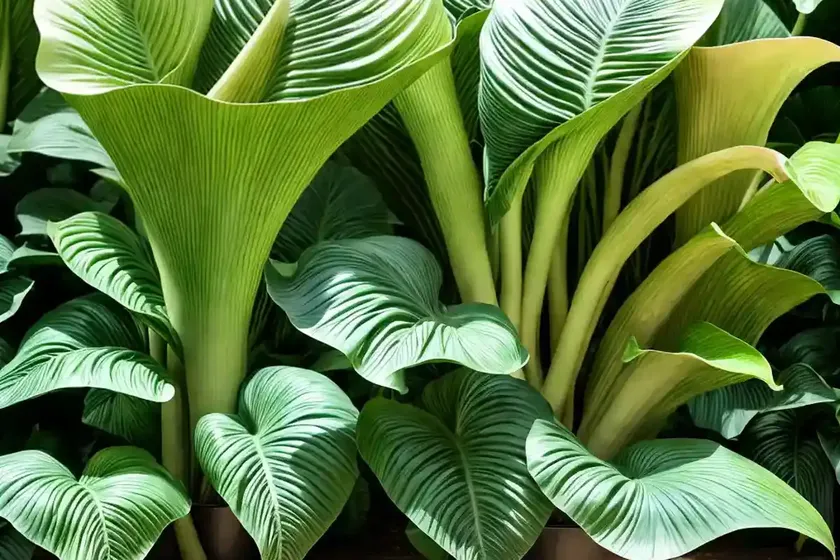
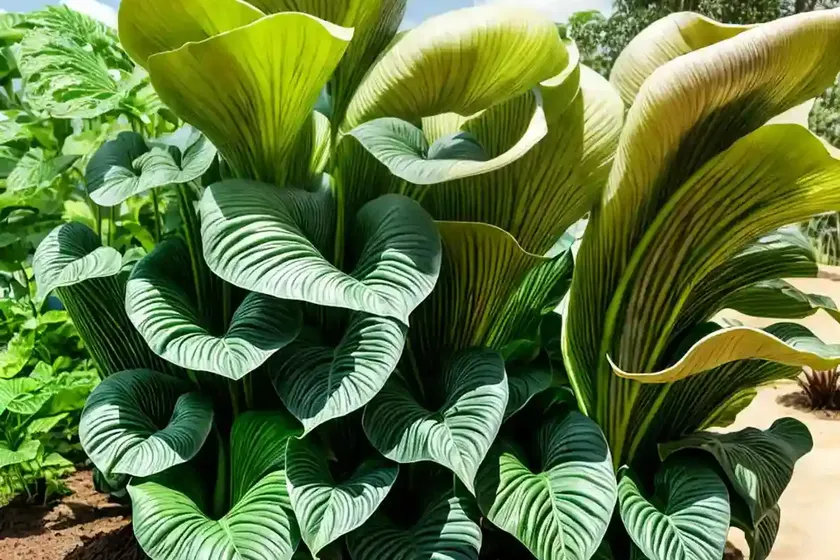
Colocasia esculenta, commonly known as Taro, is a plant with a rich history and diverse range of applications. Its cultivation, care, and uses extend across various cultures, making it a fascinating subject for plant enthusiasts and researchers alike. In this comprehensive guide, we will delve into the intricacies of cultivating Colocasia esculenta, its nutritional and medicinal properties, cultural significance, as well as diverse uses in traditional and contemporary settings.
What is Colocasia Esculenta (Taro)?
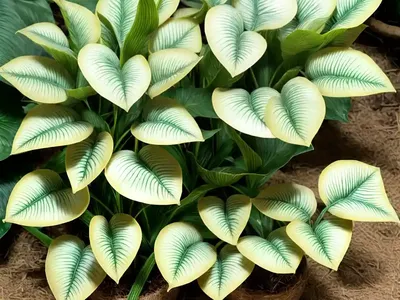
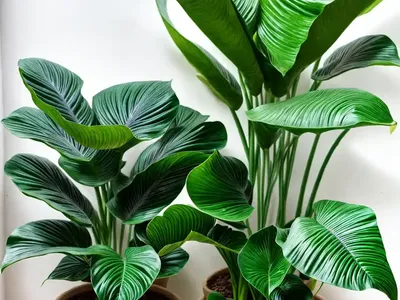
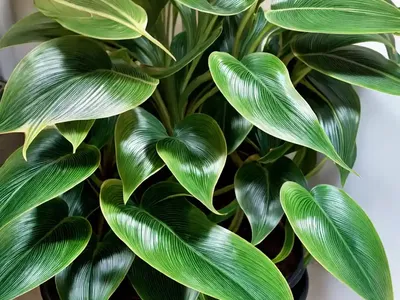
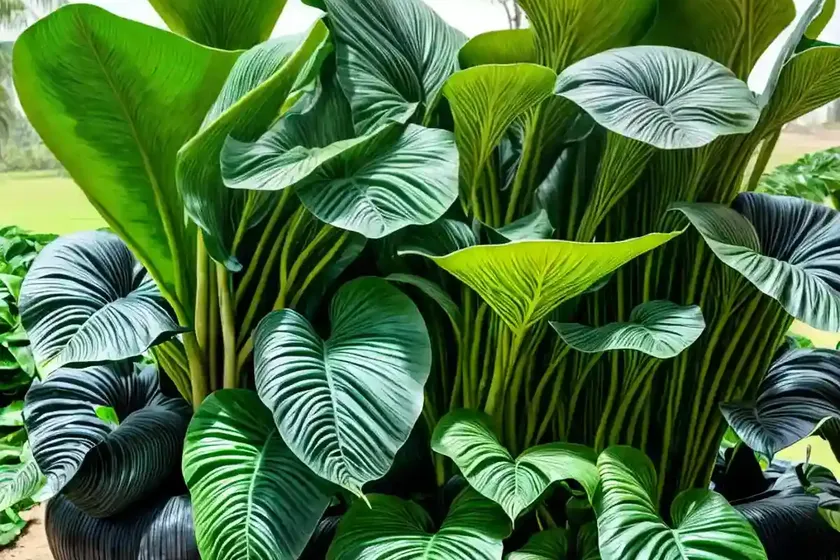
Colocasia esculenta is a tropical perennial plant that belongs to the family Araceae. Native to Southeast Asia and the Indian subcontinent, it is widely cultivated for its edible corms and leaves. The plant is characterized by its large, heart-shaped leaves and starchy tuberous root, known as the Taro root. Often grown in water-logged or swampy conditions, Taro is a staple food in many tropical regions, with its culinary and medicinal properties making it an integral part of various cultural traditions.
Key Takeaways – Colocasia Esculenta (Taro)
Before we delve deeper into the world of Colocasia esculenta, let’s explore some key takeaways about this versatile plant:
- Cultivation: Taro thrives in moist, well-drained soil and requires ample sunlight to flourish.
- Uses: It is widely utilized as a food crop, featuring in a multitude of traditional dishes and cuisines across the globe.
- Water: Taro plants are best suited to consistently moist conditions and can even grow partially submerged in water.
- Sunlight: While they require adequate sunlight, Taro plants also benefit from some shade during the hottest parts of the day.
- Fertilizer: They respond well to organic fertilizers and benefit from a balanced feeding regime during the growing season.
- Soil: Well-draining soil with high organic content is ideal for Taro cultivation.
- Pruning: Regular removal of old leaves and spent flower stalks promotes healthy growth.
- Propagation: Taro can be propagated through corms, offsets, and in some cases, by seed.
- Container: Popularity: Due to its ornamental foliage and adaptability, Taro is gaining popularity as a container plant in urban settings.
Now, let’s explore each of these aspects in detail to gain a comprehensive understanding of Colocasia esculenta and its cultivation, care, and uses.
Cultivation of Colocasia Esculenta
Water
Taro plants have a high water requirement and thrive in consistently moist conditions. In their natural habitat, they are often found in swampy or waterlogged areas. Therefore, when cultivating Taro, it is crucial to ensure that the soil is consistently moist, and in some cases, the plants can even be partially submerged in water. This makes Taro well-suited for cultivation in wetland restoration projects and areas with fluctuating water levels such as riverbanks and ponds.
Sunlight
While Taro plants require an adequate amount of sunlight for optimal growth, they also benefit from some shade, particularly during the hottest parts of the day. In tropical regions, where the sun can be intense, providing partial shade can help prevent leaf scorch and maintain the plant’s overall vigor.
Fertilizer
Taro plants respond well to organic fertilizers. During the growing season, it is beneficial to provide a balanced fertilizer regimen, ensuring that the plants receive essential nutrients for robust growth. A combination of compost and organic slow-release fertilizers can be utilized to provide a steady supply of nutrients to the Taro plants.
Soil
The ideal soil for Taro cultivation is a well-draining, sandy loam with high organic content. The presence of organic matter in the soil not only provides essential nutrients but also aids in water retention, ensuring that the plants have access to a consistent source of moisture. Additionally, a slightly acidic to neutral pH level is preferred for optimal growth.
Pruning
Pruning plays a significant role in promoting the health and vigor of Taro plants. Regular removal of old or damaged leaves, as well as spent flower stalks, helps maintain the plant’s overall appearance and prevents the accumulation of decaying organic matter. This, in turn, reduces the risk of disease and pest infestations, contributing to the plant’s long-term well-being.
Propagation of Colocasia Esculenta
Taro can be propagated through various methods, including:
Corms
The most common method of Taro propagation is through corms. Corms are underground, swollen stem bases that store energy and serve as a means of reproduction for the plant. When propagating using corms, it is essential to select healthy and disease-free specimens to ensure the success of the new plants.
Offsets
Taro plants also produce offsets, which are small, daughter corms that develop alongside the main corm. These offsets can be carefully separated from the parent plant and replanted to establish new Taro specimens. Proper handling and planting of offsets are vital to their successful establishment as individual plants.
Seeds
In some cases, Taro plants produce seeds that can be utilized for propagation. Seed propagation requires careful attention to germination conditions and may not always result in plants true to the parent. However, for those interested in breeding new varieties or studying Taro’s genetics, seed propagation can offer exciting opportunities.
Container Cultivation of Taro
Popularity
Taro’s lush, tropical foliage and adaptability make it an increasingly popular choice for container cultivation. Its ornamental value, coupled with its ability to thrive in containers, has made it a sought-after plant for urban gardening and landscaping. Whether grown on patios, balconies, or indoors, Taro adds a touch of exotic beauty to any space, making it a favorite among gardening enthusiasts.
When cultivating Taro in containers, it is essential to provide adequate care to ensure the plants thrive in this environment. This involves optimizing the growing conditions, including water, sunlight, and fertilizer, to meet the specific requirements of container-grown Taro plants.
Uses of Colocasia Esculenta
Culinary Uses
Taro holds immense culinary significance in various cultures, where it is utilized in a diverse array of dishes. The starchy tuberous root of the Taro plant is a staple food in many tropical regions, featuring prominently in soups, stews, and savory dishes. It is often prepared by boiling, steaming, or roasting, and its mild, slightly sweet flavor complements a wide range of ingredients and cooking styles.
Taro is also used to produce flour and starch, which serve as essential ingredients in baking and cooking. Additionally, Taro leaves, known as “luau leaves” in Hawaiian cuisine, are used to prepare traditional dishes such as laulau, where the leaves are filled with various fillings, wrapped, and steamed to perfection.
Medicinal Properties
Beyond its culinary uses, Taro also possesses medicinal properties that have been utilized in traditional medicine systems. The plant is known for its anti-inflammatory and antioxidant properties, and various parts, including the root, leaves, and stems, have been used to prepare herbal remedies for ailments ranging from skin conditions to digestive issues.
The consumption of Taro is also associated with health benefits, as it is a good source of dietary fiber, essential vitamins, and minerals. Incorporating Taro into one’s diet can contribute to overall well-being, making it a valuable asset in promoting healthy living.
Taro Plant Care Guide
Water Management
As mentioned earlier, Taro plants have a high water requirement and thrive in consistently moist conditions. When cultivating Taro, it is essential to monitor and manage water levels to ensure that the plants receive an adequate water supply without being waterlogged. In container cultivation, this may involve adjusting watering frequency to prevent waterlogging while maintaining ample moisture for the plants.
Pests and Diseases
Like any plant, Taro is susceptible to a range of pests and diseases. Common pests that may affect Taro plants include aphids, caterpillars, and mites, which can cause damage to the leaves and affect overall plant health. Additionally, diseases such as fungal leaf spots and blights can pose challenges to Taro cultivation, requiring prompt intervention and management to prevent widespread damage.
To effectively address pests and diseases, it is crucial to identify the signs of infestation or infection early on and implement appropriate control measures. This may involve the use of organic pest control methods, cultural practices, and, in some cases, targeted application of natural remedies to address specific challenges.
Fun Facts About Colocasia Esculenta
- In traditional Hawaiian culture, Taro holds deep significance and is considered a sacred plant. It is associated with the creation of the Hawaiian islands and is revered as a symbol of life and prosperity.
- The word “Taro” is believed to have originated from the Tahitian and Tongan languages, reflecting the plant’s historical presence and importance in the Pacific region.
- Taro leaves are used in some cultures to wrap food, serving as a natural and biodegradable alternative to modern packaging materials.
Links to External Resources
For further exploration of Colocasia esculenta and related topics, additional resources are available:
- Colocasia Esculenta: A Profile on PlantVillage
- Growing Taro in the Home Garden – University of Florida IFAS Extension
- Taro – The Tropical Plant Database
In conclusion, Colocasia esculenta, or Taro, is a remarkable plant with a rich history, diverse uses, and significant cultural significance. From its cultivation to its culinary and medicinal applications, Taro continues to captivate the interest of plant enthusiasts, researchers, and individuals seeking to explore the natural world’s wonders. By understanding the intricacies of Taro cultivation, care, and utilization, we can appreciate its role in various cultural traditions and its potential for sustainability, biodiversity conservation, and culinary innovation.
Remember to explore and enjoy the journey of discovering the unique and multifaceted world of Colocasia esculenta, and the incredible stories it has to tell.
References
- “Colocasia esculenta – PlantVillage”|plantvillage.psu.edu|https://www.plantvillage.org/en/topics/colocasia
- “Growing Taro in the Home Garden – University of Florida IFAS Extension”|gardeningsolutions.ifas.ufl.edu|https://gardeningsolutions.ifas.ufl.edu/plants/edibles/vegetables/taro.html
- “Taro – The Tropical Plant Database”|tropical.theferns.info|http://tropical.theferns.info/viewtropical.php?id=Colocasia+esculenta