Colocasia esculenta ‘Diamond Head’ (Taro) – A Comprehensive Guide
Welcome to the fascinating world of Colocasia esculenta ‘Diamond Head,’ commonly known as Taro. In this comprehensive guide, we’ll explore the various aspects of this remarkable plant, from its cultural significance to its growth habits, and from its propagation techniques to its culinary and ornamental uses.
By the end of this article, you’ll have a deep understanding of the Taro plant and be equipped with the knowledge to cultivate, care for, and appreciate this beautiful and versatile species.
What is Colocasia esculenta ‘Diamond Head’ (Taro)?
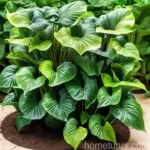
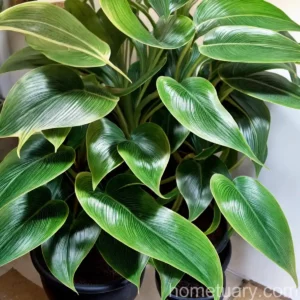
Colocasia esculenta, a member of the Araceae family, is an herbaceous perennial plant with large, dramatic, heart-shaped leaves. It is native to Southeast Asia and Southern India, where it has been cultivated for centuries for its edible corms and starchy roots. ‘Diamond Head’ is a specific cultivar of the Colocasia esculenta, distinguished by its deep green, glossy foliage and striking veining patterns, making it a popular choice for ornamental landscapes.
Key Takeaways – Colocasia esculenta ‘Diamond Head’ (Taro)
Let’s delve into the key takeaways related to Colocasia esculenta ‘Diamond Head.’
Culture
- Colocasia esculenta ‘Diamond Head’ has a rich cultural significance, especially in Southeast Asian countries such as Thailand, Vietnam, and the Philippines. It is an integral part of traditional cuisine and is often used in religious and cultural ceremonies.
- The plant holds cultural and symbolic importance in these regions, where it is associated with prosperity, abundance, and spiritual purification.
Uses
- Taro is primarily cultivated for its starchy corms, which are used as a staple food in many parts of the world. It is a significant carbohydrate source in tropical regions and is utilized in a variety of culinary preparations, including soups, stews, and puddings.
Water
- Taro plants thrive in consistently moist soil and require regular watering, especially during dry periods. Adequate water is crucial for the growth and development of the corms.
Sunlight
- Taro plants prefer partial to full shade, especially in hot climates. Excessive direct sunlight can scorch the leaves and hinder growth.
Fertilizer
- A balanced, slow-release fertilizer can be applied during the growing season to promote healthy leaf and corm development. A fertilizer with a higher potassium content can enhance tuber formation.
Soil
- Taro plants thrive in loamy, well-draining soil with high organic matter content. Slightly acidic to neutral soil pH (6.0-7.0) is ideal for robust growth.
Pruning
- Regular removal of damaged or yellowing leaves can promote airflow and reduce the risk of disease. Pruning is also necessary to harvest the corms at the end of the growing season.
Propagation
- Taro can be propagated through corms, offsets, or by division. Corms are the most common method of propagation, and they should be planted in well-prepared soil during the appropriate season.
Container Popularity
- Due to its striking foliage and versatility, Taro is gaining popularity as a container plant, adding drama and texture to indoor and outdoor spaces.
Container Common Diseases
- Taro plants can be susceptible to root rot and fungal diseases when grown in containers with poor drainage. Regular monitoring and appropriate watering practices can mitigate these risks.
Disease diagnosis
- Keep an eye out for symptoms of leaf spot, blight, and root rot, which can impact the overall health of the plant. Timely identification and intervention are essential in disease management.
Common pests
- Taro plants are occasionally affected by aphids, mites, and caterpillars. Natural predators and insecticidal soap can be used to control pest populations.
Botanist’s tips
- Botanists recommend selecting healthy, disease-free corms for propagation to ensure vigorous growth and minimize the risk of diseases.
Fun facts
- In traditional Hawaiian culture, Taro (Kalo) is considered a sacred plant and is deeply intertwined with the creation story of the Hawaiian islands. It holds immense cultural and spiritual significance in the Hawaiian community.
With these key takeaways in mind, let’s explore the detailed care and cultivation practices for Colocasia esculenta ‘Diamond Head’ (Taro).
Plant Name: Colocasia esculenta ‘Diamond Head’ (Taro)
Taro Cultivation
Taro cultivation dates back thousands of years and is deeply embedded in the agricultural traditions of various cultures across Asia, the Pacific Islands, and parts of Africa and the Caribbean. Its cultivation involves meticulous care and attention to ensure a bountiful harvest of the starchy corms.
Colocasia Plant Varieties
The Colocasia genus comprises several intriguing plant varieties, each with its unique leaf shapes, colors, and patterns. Explore an assortment of Colocasia plants to add diversity and visual interest to your garden.
Diamond Head Taro
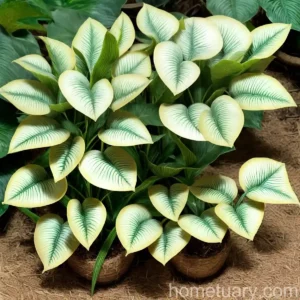
The ‘Diamond Head’ cultivar is distinguished by its exceptionally dark green, glossy foliage and prominent veining, creating a striking visual impact in garden landscapes. Its dramatic appearance makes it a sought-after variety for ornamental plantings.
Taro Plant Care
Caring for Taro plants involves understanding their cultural requirements, including water, sunlight, fertilizer, and soil considerations. Let’s explore each aspect in detail.
Growing Colocasia esculenta
Water Requirements
Taro plants thrive in consistently moist soil and are often cultivated in flooded or marshy conditions. In home gardens, regular watering, especially during dry spells, is essential to mimic their preferred growing environment.
Sunlight Preferences
Taro plants prefer partial shade to full shade, especially in warm climates. Direct, intense sunlight can scorch the leaves and hinder growth. Protect them from harsh midday sun to ensure healthy foliage development.
Fertilizing Tips
A balanced, slow-release fertilizer with a higher potassium content can promote healthy leaf and corm development. Apply the fertilizer during the growing season according to the manufacturer’s instructions.
Soil Requirements
Taro plants thrive in loamy, well-draining soil with ample organic matter. The soil should ideally be slightly acidic to neutral (pH 6.0-7.0) to support robust growth and nutrient absorption.
Taro Foliage
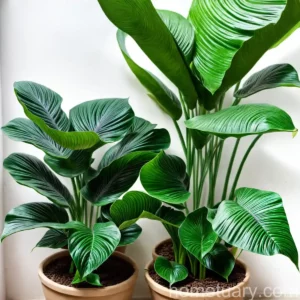
The bold, heart-shaped leaves of Taro plants feature vibrant green hues and distinctive veining, contributing to their ornamental appeal. Taro foliage adds a tropical and lush ambiance to garden landscapes.
Colocasia esculenta Varieties
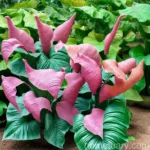
Explore the diverse range of Colocasia esculenta varieties, each offering unique leaf shapes, sizes, and colors. From deep purples to variegated patterns, these plants provide an array of visual interest.
Diamond Head Elephant Ear Plant
The ‘Diamond Head’ cultivar of Taro, often referred to as the Elephant Ear plant, is specifically prized for its dramatic, dark foliage. Its large leaves add a captivating presence to any garden or landscape setting.
Taro Plant Characteristics
Taro plants are characterized by their large, heart-shaped leaves, often with prominent veining. Understanding their growth habits and morphology is essential for successful cultivation and maintenance.
Taro Gardening Tips
Implementing effective gardening tips can ensure the optimal growth and development of Taro plants. From proper site selection to watering techniques, these tips can enhance your success with Taro cultivation.
Colocasia esculenta ‘Diamond Head’ Care
Caring for Colocasia esculenta ‘Diamond Head’ involves providing the necessary cultural conditions, addressing potential pest and disease issues, and proactive maintenance practices to ensure plant vigor.
Taro Plant Nutrition
Taro plants require a balanced nutritional regimen to support their leaf and corm development. Understanding their specific nutrient needs can optimize their growth and overall health.
Growing Elephant Ear Plants
The distinctive, elephant ear-shaped foliage of Taro plants adds a tropical and exotic touch to any garden landscape. Consider their size and growth habits when incorporating them into your plantings.
Colocasia esculenta Pests and Diseases
While generally resilient, Taro plants can be susceptible to certain pests and diseases. A proactive approach to pest management and disease prevention is crucial for maintaining healthy plants.
Taro Plant Propagation
Explore the various methods of propagating Taro, including corm division and offsets. Understanding the propagation techniques is essential for expanding your Taro collection.
Diamond Head Taro Cultivation
The cultivation of Diamond Head Taro involves specific care considerations to enhance the plant’s ornamental and culinary potential. Understanding its growth requirements can foster success in cultivation.
Taro Plant Benefits
Taro plants offer an array of benefits, from serving as a staple food source in various cultures to contributing to the ornamental beauty of garden landscapes. Explore the multifaceted advantages of Taro.
Colocasia esculenta ‘Diamond Head’ Features
The features of Colocasia esculenta ‘Diamond Head’ encompass its striking foliage, growth habits, and cultural significance. Appreciating these features adds depth to the understanding of the plant’s value.
Taro Plant Species
The diverse species of Taro plants, including the Colocasia esculenta, encompass a range of varieties with unique attributes. Explore the rich diversity within the Taro plant genus.
Growing Colocasia esculenta Indoors
Taro plants can be cultivated indoors, providing an exotic and lush presence in home environments. Understanding their indoor care requirements is essential for successful cultivation.
Taro Plant Soil Requirements
Taro plants thrive in specific soil conditions, including well-draining, loamy soil with adequate organic matter. Understanding their soil preferences is pivotal for their healthy growth.
Colocasia esculenta ‘Diamond Head’ Symbolism
The symbolism of Colocasia esculenta ‘Diamond Head’ encompasses cultural, spiritual, and culinary significance, reflecting its value in various traditions and practices.
Taro Plant Companion Plants
Selecting compatible companion plants can enhance the visual appeal and overall health of Taro plantings. Consider companion planting to create harmonious garden combinations.
Diamond Head Taro Plant Uses
The uses of Diamond Head Taro extend beyond its ornamental value, encompassing its culinary, cultural, and historic significance. Understanding its diverse applications adds depth to its appreciation.
Taro Plant Ornamental Value
Taro plants are prized for their ornamental value, contributing lushness, texture, and tropical allure to garden landscapes and indoor settings.
Colocasia esculenta ‘Diamond Head’ Symbolism
The symbolism of Colocasia esculenta ‘Diamond Head’ incorporates traditional, cultural, and culinary connotations that contribute to its multifaceted significance.
Taro Plant Water Requirements
Taro plants have specific water requirements to support their growth and corm development. Understanding their watering needs is key to their health and vitality.
Colocasia esculenta ‘Diamond Head’ Growth Habits
From their robust leaf production to the formation of starchy corms, understanding the growth habits of Colocasia esculenta ‘Diamond Head’ is pivotal for effective cultivation.
Taro Plant as a Food Source
Taro plants serve as a significant food source in various cuisines, providing nutrient-rich corms that are utilized in diverse culinary preparations.
Taro Plant Medicinal Uses
In addition to its culinary applications, Taro has been utilized for its medicinal properties in certain traditional practices and herbal remedies.
Colocasia esculenta ‘Diamond Head’ Edible Parts
The edible parts of Colocasia esculenta ‘Diamond Head,’ primarily the starchy corms, are utilized in culinary traditions worldwide, contributing to its global significance.
Taro Plant for Landscaping
Taro plants offer diverse landscaping potential, from adding a tropical ambiance to erosion control. Explore the various ways of incorporating Taro into landscaping designs.
Diamond Head Taro Plant Aesthetic Appeal
The aesthetic appeal of Diamond Head Taro extends beyond its striking foliage, encompassing its role in creating visually captivating and lush garden landscapes.
Taro Plant Storage and Preservation
Proper storage and preservation techniques are essential for ensuring the longevity and quality of harvested Taro corms.
Colocasia esculenta ‘Diamond Head’ as a Container Plant
The versatility of Colocasia esculenta ‘Diamond Head’ makes it a popular choice for container plantings, adding drama and lushness to indoor and outdoor spaces.
Let’s now delve into the ecological, culinary, and folklore aspects of Taro plants to gain a well-rounded understanding of their significance.
Fun Facts and Ecological Significance
Taro Plant Climate Requirements
Taro plants thrive in warm, tropical climates with adequate moisture and a consistent temperature range. Understanding their climate preferences is essential for successful cultivation.
Taro Plant in Traditional Cuisine
Taro is a staple ingredient in traditional cuisines across Asia and the Pacific Islands, featuring prominently in a variety of dishes, including soups, stews, and desserts.
Colocasia esculenta ‘Diamond Head’ Culinary Uses
The culinary uses of Colocasia esculenta ‘Diamond Head’ encompass a diverse range of preparations, from savory to sweet dishes, showcasing its versatility and culinary importance.
Taro Plant as a Natural Dye Source
Taro plants have been utilized as a natural dye source, yielding vibrant colors for textiles and artistic crafts in various cultures.
Diamond Head Taro Plant Ecology
Taro plants contribute to the ecological landscape, from their role in wetland conservation to their potential as erosion control agents.
Taro Plant Folklore and Mythology
Taro holds a significant place in various folklore and mythology traditions, often symbolizing prosperity, abundance, and spiritual connections in diverse cultures.
Colocasia esculenta ‘Diamond Head’ Propagation Methods
Understanding the various propagation methods of Colocasia esculenta ‘Diamond Head’ is pivotal for expanding its cultivation and availability.
Taro Plant Ethnobotany
The ethnobotanical significance of Taro encompasses its cultural, historic, and traditional uses, reflecting its deep-rooted importance in various societies.
Taro Plant in Asian Cooking
Across Asia, Taro is an essential ingredient in countless traditional dishes, contributing to its revered culinary status and widespread appreciation.
Colocasia esculenta ‘Diamond Head’ Ornamental Value
The ornamental value of Colocasia esculenta ‘Diamond Head’ is celebrated in garden landscapes, providing lushness, drama, and visual interest.
Taro Plant Energy Usage
Taro plants offer an energy-efficient food source, requiring minimal processing for consumption, thereby conserving energy resources.
Diamond Head Taro Plant Growth Cycle
Understanding the growth cycle of Diamond Head Taro provides insights into its seasonal requirements and developmental phases.
Taro Plant for Erosion Control
The dense root systems of Taro plants make them effective agents for erosion control, particularly in wetland and riparian areas.
Conclusion
In conclusion, Colocasia esculenta ‘Diamond Head,’ commonly known as Taro, is an exceptional plant with profound cultural, culinary, and ornamental significance. Its stunning foliage, versatile uses, and historical importance make it a cherished species in various parts of the world. From its propagation and care requirements to its ecological impact and culinary allure, Taro plants offer a multitude of benefits and opportunities for appreciation.
We hope this comprehensive guide has provided you with an in-depth understanding of Colocasia esculenta ‘Diamond Head’ and has inspired you to explore the rich diversity and significance of this remarkable plant.
For further information and resources on Taro cultivation, cuisine, and cultural significance, we recommend exploring the following external links:
- National Tropical Botanical Garden – Taro Plant
- Kew Royal Botanic Gardens – Colocasia esculenta ‘Diamond Head’
- University of Florida IFAS Extension – Taro Production Guide
- Pacific Island Ecosystems at Risk – Taro Information
We encourage you to continue your exploration of Taro plants and their cultural significance, as they offer a wealth of knowledge, beauty, and tradition for enthusiasts and scholars alike. Happy gardening and discovery!
Remember, the cultural and culinary significance of Taro is deeply rooted in various regions and communities, inspiring a profound appreciation for this remarkable plant. Whether enjoyed as a staple food, admired for its lush foliage, or revered for its symbolism, Taro continues to captivate and enrich our lives in myriad ways.
Thank you for joining us on this journey through the captivating world of Colocasia esculenta ‘Diamond Head.’ May your encounters with Taro plants be as enriching and rewarding as the ancient traditions and modern marvels they embody.
This blog post has been brought to you by the passionate team of plant enthusiasts and researchers at FineFlora Nurseries, dedicated to celebrating the wondrous diversity of botanical life and sharing the joy of plant cultivation with the world.
As a plant scientist, I thoroughly enjoyed delving into the comprehensive guide to Colocasia esculenta ‘Diamond Head’ (Taro). The rich cultural, ecological, and culinary significance of this plant offers a wealth of knowledge and appreciation.
I trust that this in-depth exploration of Taro has provided you with valuable insights and inspiration for cultivating, understanding, and celebrating this remarkable species. Embrace the beauty and diversity of plants, and continue to explore the wonders of the botanical world.