Colocasia Esculenta ‘Mojito’ (Taro)
Colocasia esculenta, commonly known as Taro, is a tropical plant that is primarily grown for its edible corms and leaves. One particularly stunning variety.
Introduction
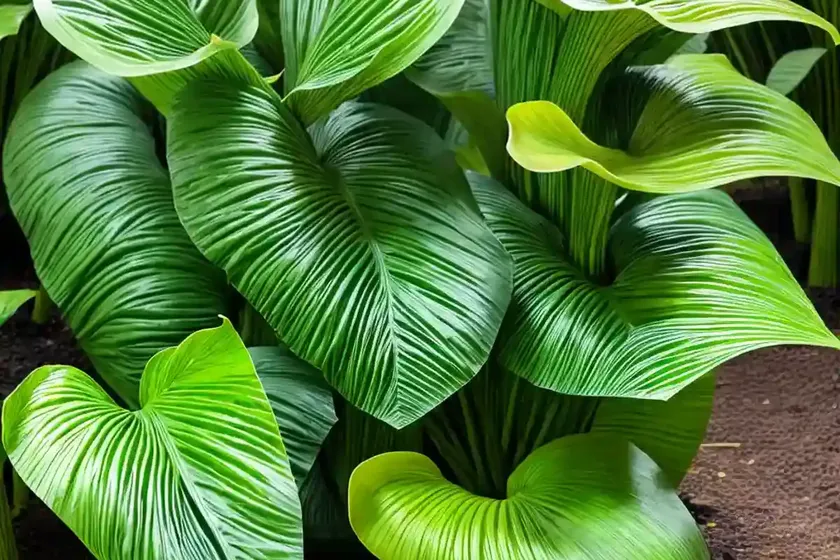
Colocasia esculenta, commonly known as Taro, is a tropical plant that is primarily grown for its edible corms and leaves. One particularly stunning variety of this plant is the ‘Mojito’, which is known for its vibrant and eye-catching foliage. In this comprehensive guide, we will delve into the various aspects of this unique plant, from its characteristics and cultivation to its uses, propagation, and maintenance.
What is Colocasia esculenta ‘Mojito’ (Taro)?
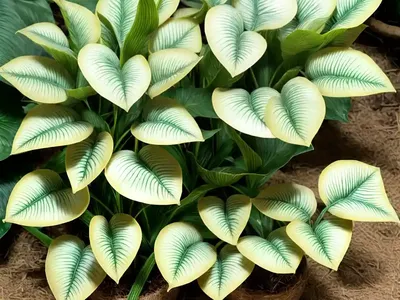
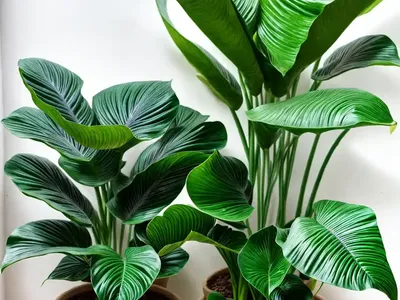
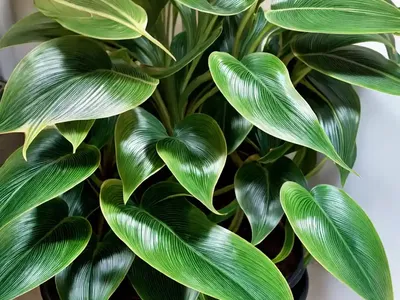
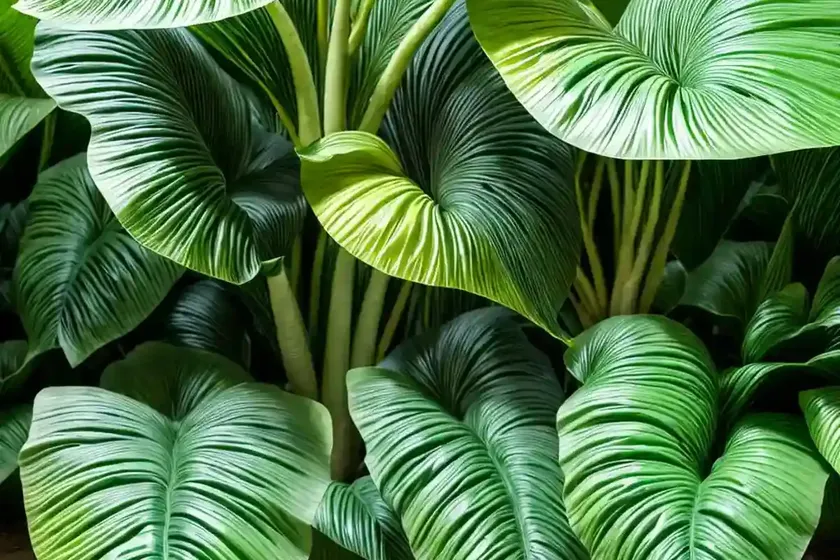
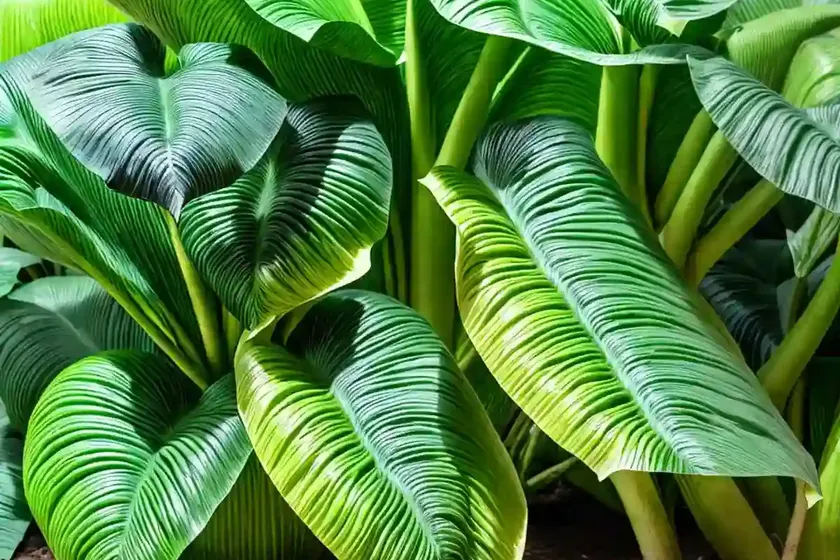
Colocasia esculenta ‘Mojito’ is a tropical perennial plant that belongs to the family Araceae. It is prized for its striking foliage, which features a mix of green, black, and white variegation, making it a popular choice for ornamental gardening. The plant typically reaches a height of 3 to 6 feet with a spread of 2 to 4 feet, creating a bold and tropical aesthetic in any garden or landscape.
Key Takeaways – Colocasia esculenta ‘Mojito’ (Taro)
Culture
Colocasia esculenta ‘Mojito’ is a plant that thrives in tropical and subtropical climates. It prefers warm temperatures and high humidity, making it well-suited for regions with such conditions.
Uses
This plant is cultivated for both culinary and ornamental purposes. The corms and leaves of the Taro plant are used in various cuisines around the world, while its striking foliage makes it a sought-after addition to gardens and landscapes.
Water
Being a tropical plant, Colocasia esculenta ‘Mojito’ requires consistently moist soil. It thrives in well-draining, fertile, and consistently moist soil, and is ideal for water gardens.
Sunlight
For optimal growth, the ‘Mojito’ Taro plant requires partial to full sun. It can also tolerate some shade, especially in hotter climates, but it tends to produce the most vibrant foliage when exposed to direct sunlight.
Fertilizer
Applying a balanced, all-purpose fertilizer throughout the growing season can help promote vigorous growth and vibrant foliage. Fertilizing should be done sparingly, as over-fertilization can lead to excessive leaf growth at the expense of corm production.
Soil
Well-draining, nutrient-rich soil is essential for the successful cultivation of Colocasia esculenta ‘Mojito’. A slightly acidic to neutral pH range is preferred.
Pruning
Regular pruning is not necessary for the ‘Mojito’ Taro plant. However, removing any damaged or discolored leaves can help maintain its overall appearance.
Propagation
The propagation of Taro plants can be achieved through several methods, including dividing mature plants, starting from seeds, or using tissue culture techniques.
Container Popularity
Colocasia esculenta ‘Mojito’ is a popular choice for container gardening due to its striking foliage and manageable size. It can be grown in large containers, adding a tropical accent to patios and balconies.
Common Diseases
Taro plants are susceptible to certain diseases, including leaf blight and various fungal infections. Proper cultural practices and preventive measures are crucial for disease management.
Disease Diagnosis
Identifying and treating diseases promptly is essential for maintaining the health and vigor of ‘Mojito’ Taro plants. Early symptoms of diseases should be carefully observed, and appropriate measures should be taken accordingly.
Common Pests
While Taro plants are relatively resistant to pests, they can occasionally face issues with aphids, spider mites, and snails. Regular monitoring and early intervention are essential for pest control.
Botanist’s Tips
Maintaining adequate moisture levels, providing sufficient sunlight, and avoiding waterlogging are crucial factors for successfully growing and caring for Colocasia esculenta ‘Mojito’ plants.
Fun Facts
- The ‘Mojito’ Taro plant is a hybrid variety known for its exceptional variegated foliage, making it a popular choice for ornamental gardening.
- Taro corms are a staple in diets across many cultures and are used to prepare a variety of dishes, including poi in Hawaii and taro root curry in South Asian cuisine.
With the key takeaways outlined, it’s time to delve into each aspect of Colocasia esculenta ‘Mojito’ in more detail.
Colocasia esculenta ‘Mojito’ Review
The ‘Mojito’ Taro plant, a cultivar of Colocasia esculenta, has garnered attention and praise from gardening enthusiasts and horticulturists alike for its stunning variegated foliage. The plant’s eye-catching leaves exhibit a unique blend of green, black, and white, creating a visually striking appearance that adds a tropical touch to any garden or landscape. As a review, its distinct characteristics make it a sought-after choice for those looking to incorporate bold and vibrant foliage into their outdoor spaces.
Taro Plant Varieties
Taro, or Colocasia esculenta, encompasses a wide array of cultivars, each with its own unique features and characteristics. The ‘Mojito’ variety is particularly renowned for its variegated leaves, but there are numerous other Taro plant varieties available, offering varying leaf shapes, colors, and growth habits. Exploring the diverse range of Taro plant varieties can be an exhilarating journey for gardening enthusiasts and botanical aficionados.
Colocasia esculenta ‘Mojito’ Care Guide
Caring for Colocasia esculenta ‘Mojito’ involves providing ideal growing conditions, which include providing ample sunlight, consistent moisture, well-draining soil, and periodic fertilization. Additionally, regular monitoring for pests and diseases, along with responsive intervention when needed, is crucial for ensuring the plant’s health and vigor.
Growing Taro Plants
The process of growing Taro plants requires attention to their specific cultural needs, including their requirements for warmth, humidity, and water. When provided with an environment that mimics their native tropical habitat, Taro plants can thrive and produce their distinctive foliage and corms.
How to Care for Colocasia esculenta ‘Mojito’
To care for Colocasia esculenta ‘Mojito’, it is essential to maintain consistently moist soil, provide ample sunlight, and avoid waterlogging. Regular feeding with a balanced fertilizer can help promote healthy growth and vibrant foliage. Furthermore, preventive measures should be taken to ward off potential pest and disease issues.
Taro Plant for Beginners
While Taro plants, including the ‘Mojito’ variety, have specific care requirements, they can still be suitable for beginners, provided that the necessary growing conditions are met. With a bit of research and attention to their cultural needs, beginners can successfully cultivate and enjoy the unique beauty of Taro plants in their gardens.
Colocasia esculenta ‘Mojito’ Characteristics
The ‘Mojito’ Taro plant is characterized by its dramatic variegated foliage, which adds an exotic and tropical flair to outdoor spaces. Its bold and vibrant leaves make it a standout addition to gardens, landscapes, and container plantings, allowing for the creation of captivating visual displays.
Taro Plant Benefits
The cultivation of Taro plants offers several benefits, including the aesthetic appeal of their foliage, their culinary uses, and their adaptability to various growing conditions, making them a versatile and rewarding addition to gardens and landscapes.
Colocasia esculenta ‘Mojito’ Maintenance Tips
Regular maintenance of the ‘Mojito’ Taro plant primarily involves ensuring that its growing conditions are consistently met, including watering, fertilization, and pest and disease management. Attention to preventative care and prompt intervention when issues arise are essential for maintaining the plant’s health and appearance.
All About Taro Plants
Understanding the nuances of Taro plants, including their cultural needs, growth habits, and uses, provides a comprehensive foundation for successfully cultivating and appreciating these captivating botanical specimens.
Colocasia esculenta ‘Mojito’ Watering Needs
Colocasia esculenta ‘Mojito’ prefer consistently moist soil and should not be allowed to dry out between watering. Adequate moisture levels are critical for promoting healthy growth and vibrant foliage.
Taro Plant Diseases and Pests
While Taro plants, including the ‘Mojito’ variety, are relatively hardy, they can still be susceptible to certain diseases and pests, such as leaf blight and aphids. Vigilant monitoring and proactive measures are necessary for disease and pest management.
Colocasia esculenta ‘Mojito’ Propagation Methods
Colocasia esculenta ‘Mojito’ can be propagated through methods such as division, seed starting, and tissue culture. Each propagation method offers its own set of advantages and considerations, allowing for flexibility in expanding a plant’s population.
Taro Plant Culinary Uses
Taro corms and leaves are utilized in various culinary traditions, contributing flavor, texture, and nutritional value to a wide range of dishes. Exploring the culinary uses of Taro plants adds a fascinating dimension to their botanical significance.
Colocasia esculenta ‘Mojito’ Indoor Cultivation
Colocasia esculenta ‘Mojito’ can be grown indoors, provided that its environmental needs, including light, humidity, and adequate space, are met. Its striking foliage can make for an impressive indoor display, adding a touch of the tropics to interior settings.
Taro Plant Potting Soil Requirements
The potting soil for Taro plants, including the ‘Mojito’ variety, should be well-draining, moisture-retentive, and rich in organic matter. A slightly acidic to neutral pH range is preferred to support the plant’s nutritional needs.
Colocasia esculenta ‘Mojito’ Natural Habitat
Colocasia esculenta ‘Mojito’ is indigenous to tropical and subtropical regions, where it thrives in wet, boggy environments, often along the margins of ponds, streams, and wetlands. Understanding its natural habitat can provide insights into its cultural requirements.
Taro Plant Companion Planting
When choosing companion plants for Taro, it is important to select species that share its preference for moist, well-drained soil and warm, humid conditions. Companion planting can offer both aesthetic and ecological benefits by creating harmonious garden ecosystems.
Colocasia esculenta ‘Mojito’ Sun Exposure
Colocasia esculenta ‘Mojito’ thrives in partial to full sun, although it can tolerate some shade, particularly in hotter climates. Providing the appropriate level of sun exposure is essential for promoting vibrant leaf coloration and overall plant vigor.
Taro Plant Ornamental Value
Taro plants, including Colocasia esculenta ‘Mojito’, are prized for their ornamental value, thanks to their bold and exotic foliage. Their striking appearance adds visual interest and tropical allure to gardens, landscapes, and container plantings.
Colocasia esculenta ‘Mojito’ Landscaping Ideas
In landscape design, Colocasia esculenta ‘Mojito’ can be utilized to create focal points, add textural contrast, and evoke tropical ambiance. Incorporating Taro plants into landscaping offers opportunities for creative compositions and visually captivating displays.
Taro Plant Container Gardening
The striking foliage and manageable size of Colocasia esculenta ‘Mojito’ make it an excellent choice for container gardening. Its ornamental value and adaptability to container cultivation allow for the creation of stunning tropical-themed patio and balcony displays.
Colocasia esculenta ‘Mojito’ Leaf Patterns
The leaves of Colocasia esculenta ‘Mojito’ exhibit a variegated pattern, featuring striking combinations of green, black, and white. The unique leaf patterns contribute to the plant’s overall visual appeal, creating a captivating display of tropical foliage.
Taro Plant Root Division Technique
Propagating Taro plants through root division can be an effective method for expanding their population. Careful division of the corms, along with appropriate planting and care, can yield new plants that retain the desirable characteristics of the parent specimen.
Colocasia esculenta ‘Mojito’ Water Gardening
Colocasia esculenta ‘Mojito’ is well-suited for water gardening, thriving in moist, boggy conditions. Its bold foliage can make a dramatic statement when grown alongside water features, creating a lush and tropical atmosphere.
Taro Plant Cold Hardiness
Taro plants, including Colocasia esculenta ‘Mojito’, are sensitive to cold temperatures and frost. In regions with colder climates, protective measures are necessary to safeguard the plants from chilling injury during the winter months.
Colocasia esculenta ‘Mojito’ Common Problems
Colocasia esculenta ‘Mojito’ can face issues such as leaf blight, fungal infections, and pest infestations. Prompt identification and intervention are crucial for addressing common problems and preserving the plant’s health.
Taro Plant Medicinal Properties
Certain parts of Taro plants have been utilized for their potential medicinal properties in traditional practices. Exploring the medicinal uses and properties of Taro can provide insights into its cultural significance and potential health benefits.
Colocasia esculenta ‘Mojito’ Growth Stages
Colocasia esculenta ‘Mojito’ undergoes distinct growth stages, from emerging shoots to the development of mature foliage and corms. Understanding the plant’s growth stages can offer valuable guidance for its care and maintenance throughout its life cycle.
Taro Plant Folklore and Symbolism
Taro plants hold cultural significance in various traditions, often being associated with symbolism, folklore, and ritual practices. Exploring the folklore and symbolism surrounding Taro can provide a deeper appreciation for its historical and cultural relevance.
Colocasia esculenta ‘Mojito’ Seed Starting Process
Starting Taro plants from seeds can be an engaging and rewarding endeavor, allowing for the exploration of the plant’s life cycle from germination to maturity. Understanding the seed starting process can provide insights into the plant’s reproductive biology and propagation potential.
Taro Plant Landscape Design
In landscape design, Taro plants offer versatility and impact, contributing bold foliage, tropical ambiance, and visual interest to outdoor settings. Incorporating Taro plants into landscape designs allows for the creation of captivating and distinctive outdoor spaces.
Colocasia esculenta ‘Mojito’ Perennial Plant
Colocasia esculenta ‘Mojito’ is a perennial plant, meaning that it lives for multiple years, provided that it is given adequate care and protection in suitable climates. As a perennial, it offers enduring beauty and presence in garden landscapes.
Taro Plant Leaves for Culinary Purposes
The leaves of Taro plants are used in various cuisines for their unique flavor and versatility. Understanding their culinary uses provides insights into the diversity of Taro’s culinary contributions across different cultures.
Colocasia esculenta ‘Mojito’ Soil pH Requirements
Colocasia esculenta ‘Mojito’ thrives in slightly acidic to neutral pH soil, with a pH range of approximately 5.5 to 7.0 being optimal for its growth and development. Providing the appropriate soil pH is essential for supporting the plant’s nutritional needs.
Taro Plant Aquatic Cultivation Method
Taro plants are well-suited for aquatic cultivation, thriving in wet, boggy environments often found along the margins of ponds, streams, and other water features. Their adaptability to aquatic conditions makes them ideal candidates for water gardening.
Colocasia esculenta ‘Mojito’ Container Variety
Colocasia esculenta ‘Mojito’ is a container-friendly variety, making it an excellent choice for bringing tropical flair to patios, balconies, and other outdoor living spaces. Its striking foliage and manageable size contribute to its appeal as a container plant.
Taro Plant Cultural Significance
Taro plants hold cultural significance in various societies and traditions, being associated with culinary traditions, rituals, and symbolism. Exploring the cultural significance of Taro provides insights into its multifaceted relevance and importance in different contexts.
Colocasia esculenta ‘Mojito’ Flower Formation
Colocasia esculenta ‘Mojito’ can produce inflorescences consisting of small, insignificant flowers. While the plant is primarily prized for its foliage and corms, the formation of its flowers contributes to its reproductive biology and life cycle.
Taro Plant Traditional Uses
Taro plants have a rich history of traditional uses, being integral to culinary traditions, cultural practices, and ritual ceremonies in various regions. Understanding the traditional uses of Taro provides a window into its historical and cultural significance.
Colocasia esculenta ‘Mojito’ Unique Characteristics
The ‘Mojito’ Taro plant stands out for its unique characteristics, particularly its striking variegated foliage. Its distinctive features make it an exceptional choice for adding vibrant and tropical accents to gardens and landscapes.
Taro Plant Natural Dye Source
The corms of Taro plants have been utilized as a source of natural dye, providing rich pigments for various applications. Exploring the natural dye potential of Taro plants adds an intriguing dimension to their cultural and practical significance.
Colocasia esculenta ‘Mojito’ Water Requirements
Colocasia esculenta ‘Mojito’ has high water requirements and flourishes in consistently moist soil. Adequate hydration is essential for the plant’s overall health, growth, and the development of its striking foliage.
Taro Plant Edible Roots
Taro corms, which are the underground storage organs of the plant, are utilized as a staple food source in many cultures. The edible roots of Taro plants are known for their distinctive flavor and nutritional value, contributing to a wide range of culinary delicacies.
Colocasia esculenta ‘Mojito’ Tropical Plant
Colocasia esculenta ‘Mojito’ is a tropical plant, thriving in warm, humid conditions characteristic of its native habitat. Its tropical nature makes it well-suited for creating lush and exotic displays in gardens and landscapes.
Taro Plant Health Benefits
Taro plants offer health benefits through their nutritious corms and leaves, which are rich in essential nutrients and dietary fiber. Incorporating Taro into diets can contribute to overall health and well-being.
Colocasia esculenta ‘Mojito’ Growing Season
Colocasia esculenta ‘Mojito’ exhibits vigorous growth during the warm, active growing season, producing its distinct foliage and developing its corms. Understanding the plant’s growing season is crucial for providing optimal care and support.
Taro Plant Ethnobotanical Uses
Taro plants have a diverse range of ethnobotanical uses, being utilized in traditional medicines, cultural practices, and culinary traditions. Exploring the ethnobotanical uses of Taro provides an insightful perspective on the plant’s multifaceted contributions.
Colocasia esculenta ‘Mojito’ Leaf Color Variations
The leaves of Colocasia esculenta ‘Mojito’ display a range of color variations, featuring dynamic combinations of green, black, and white. The striking leaf coloration adds visual drama and interest to the plant’s overall appearance.
Taro Plant Soil Drainage Preferences
Taro plants, including the ‘Mojito’ variety, prefer well-draining soil to support healthy root development and prevent waterlogging. Providing suitable soil drainage is vital for the long-term vitality and vigor of Taro plants.
By exploring the myriad facets of Colocasia esculenta ‘Mojito’ and Taro plants in general, we