Colocasia Esculenta ‘Mojito’ (Colocasia Esculenta ‘Mojito’)
Plants have always captivated human attention with their remarkable diversity and beauty. One such intriguing plant is Colocasia esculenta ‘Mojito’. Its.
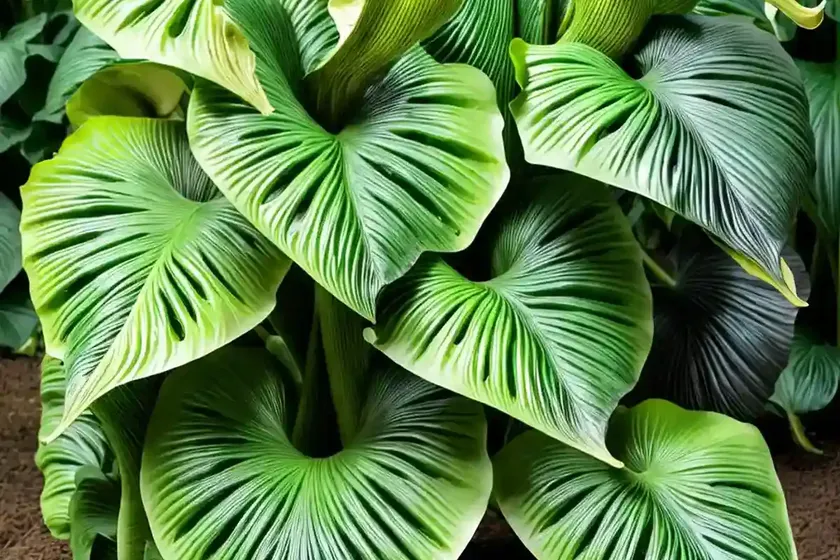
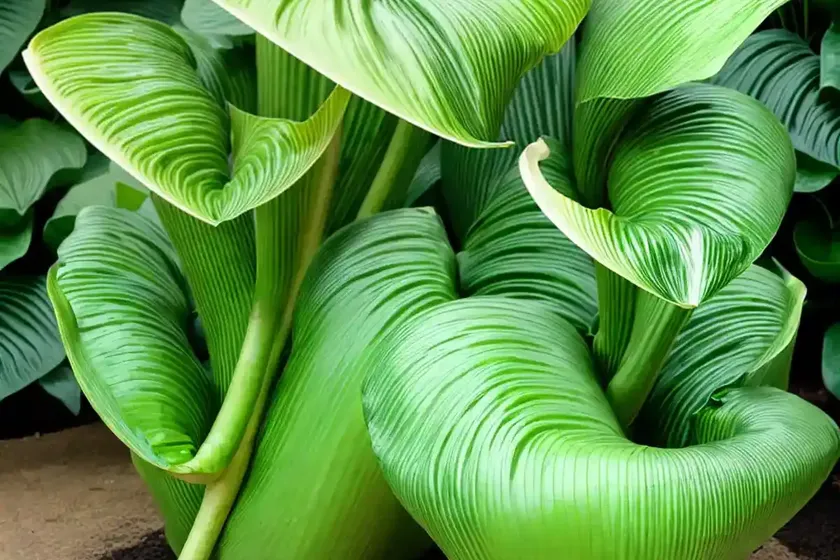
Plants have always captivated human attention with their remarkable diversity and beauty. One such intriguing plant is Colocasia esculenta ‘Mojito’. Its striking foliage and ease of cultivation have made it a popular choice for enthusiasts and horticulturists alike. This article delves into the fascinating realm of Colocasia esculenta ‘Mojito’, exploring its characteristics, cultivation, and maintenance, along with valuable insights for plant enthusiasts and gardening enthusiasts.
What is Plant: Colocasia esculenta ‘Mojito’ (Colocasia esculenta ‘Mojito’)
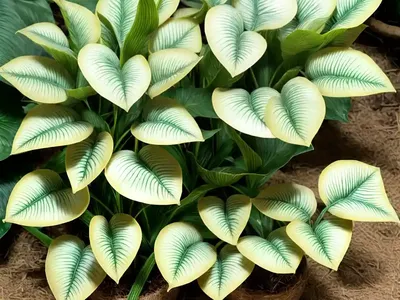
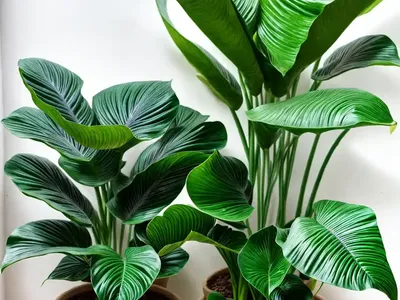
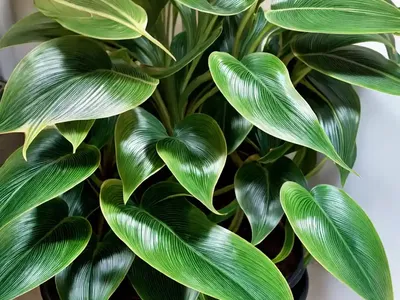
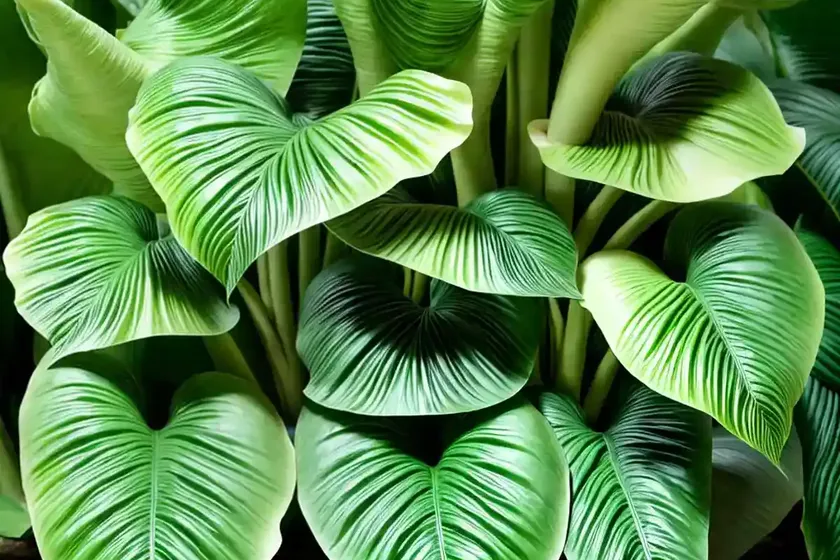
Colocasia esculenta ‘Mojito’, commonly known as Taro or Elephant Ear, is a tropical plant cherished for its vibrant and eye-catching foliage. It belongs to the Araceae family and is native to Southeast Asia and Southern India. The ‘Mojito’ variety is particularly renowned for its mesmerizing variegated leaves, boasting hues of green, black, and blue. The leaves of Colocasia esculenta ‘Mojito’ are arrow-shaped, adding to the plant’s visual appeal. This plant’s impressive size and striking appearance make it an excellent choice for both indoor and outdoor ornamental use.
Key Takeaways – Colocasia esculenta ‘Mojito’ (Colocasia esculenta ‘Mojito’)
Before delving into the specific aspects of cultivating and caring for Colocasia esculenta ‘Mojito’, let’s first establish some key takeaways regarding this captivating plant.
- Genus and Species: Colocasia esculenta ‘Mojito’
- Common Names: Taro, Elephant Ear
- Foliage Features: Variegated leaves with shades of green, black, and blue
- Family: Araceae
- Native to: Southeast Asia and Southern India
- Notable Feature: Impressive size, striking variegated leaves
- Preferred Use: Ornamental plant for both indoor and outdoor settings
With these fundamental characteristics in mind, let’s now explore the specific aspects of cultivating and caring for Colocasia esculenta ‘Mojito’.
Culture
The culture of Colocasia esculenta ‘Mojito’ encompasses various aspects, including its preferred growing conditions, maintenance needs, and uses. Understanding the cultural requirements of this plant is essential for creating an optimal environment for its growth and ensuring its well-being.
Uses
Colocasia esculenta ‘Mojito’ is primarily cultivated for its ornamental purposes, owing to its striking foliage and imposing presence. The vibrant and variegated leaves make it a favored choice for landscaping, adding a tropical and lush aesthetic to gardens and indoor spaces. Additionally, Taro holds cultural significance in certain regions where its corms are utilized as a food source, particularly in traditional cuisines.
Water
Proper watering is crucial for the thriving of Colocasia esculenta ‘Mojito’. It is essential to maintain consistently moist soil, ensuring that the plant does not experience periods of drought. However, it is equally important to avoid waterlogged conditions, as this can lead to root rot and other detrimental consequences. Aim for a well-draining growing medium and water the plant regularly, especially during dry periods.
Sunlight
Colocasia esculenta ‘Mojito’ displays a preference for partial shade to full sun conditions. In optimal settings, it thrives in locations with bright, indirect light, avoiding prolonged exposure to intense, scorching sunlight. When grown indoors, placing the plant near a window with filtered sunlight or using sheer curtains to diffuse the light can offer a suitable environment.
Fertilizer
Regular fertilization is advantageous for promoting the vigor and exuberance of Colocasia esculenta ‘Mojito’. A balanced, water-soluble fertilizer can be applied during the growing season, generally from spring to early autumn, to provide the necessary nutrients for robust growth and vibrant foliar display. Always follow the recommended dilution rates and timings specified on the fertilizer packaging to prevent over-fertilization.
Soil
The ideal soil for cultivating Colocasia esculenta ‘Mojito’ is rich, well-draining, and slightly acidic. A blend of organic matter, such as compost or well-rotted manure, can enhance the soil’s fertility and structure, providing a conducive medium for the plant’s roots to develop and thrive. Additionally, incorporating perlite or coarse sand into the soil mix can aid in improving drainage, reducing the risk of waterlogging.
Pruning
Pruning is not a primary maintenance requirement for Colocasia esculenta ‘Mojito’, as the plant’s beauty largely stems from its impressive foliage. However, removing any damaged or discolored leaves can help maintain the plant’s aesthetic appeal and overall health. Additionally, trimming away spent blooms or withered parts can channel the plant’s energy into producing new growth and enhancing its visual allure.
Propagation
Colocasia esculenta ‘Mojito’ can be propagated through various methods, including division, offsets, and rhizome cuttings. Dividing mature plants during the growing season, ensuring that each division possesses viable roots and shoots, is a reliable approach for expanding the plant’s presence in the garden or sharing its splendor with other enthusiasts. Propagation through offshoots that emerge from the base of the parent plant can also yield new individuals with identical characteristics.
Container Popularity
The impressive size and ornamental value of Colocasia esculenta ‘Mojito’ make it a sought-after choice for container gardening. Its towering presence and captivating foliage can accentuate patios, balconies, and outdoor living spaces, adding a touch of tropical allure. When grown in containers, it is vital to select sizeable pots with adequate drainage holes, ensuring that the plant receives ample space for root development and moisture regulation.
The cultural insights provided above encompass the fundamental aspects of cultivating and caring for Colocasia esculenta ‘Mojito’. By focusing on water, sunlight, fertilizer, soil, pruning, propagation, and container gardening, enthusiasts and horticulturists can create an optimal environment for the plant to thrive and exude its captivating charm.
Common Diseases
Disease Diagnosis
Colocasia esculenta ‘Mojito’ can be susceptible to certain diseases and ailments, which, if left unaddressed, can impact the plant’s vitality and visual appeal. By promptly identifying and diagnosing these diseases, appropriate measures can be implemented to mitigate their effects and restore the plant to health.
Fungal Leaf Diseases
Fungal leaf diseases, such as leaf spot and blight, can manifest as discolored lesions, spots, or patches on the foliage. These diseases are often exacerbated by prolonged periods of high humidity and wet conditions, leading to the proliferation of fungal pathogens. Regular inspection of the plant’s leaves can aid in early disease detection, enabling prompt intervention to prevent further spread and damage.
Root Rot
Root rot, caused by various soil-borne pathogens, poses a significant risk to Colocasia esculenta ‘Mojito’ if the growing medium becomes excessively waterlogged. Symptoms of root rot include wilting, yellowing, and eventual collapse of the plant, often accompanied by a foul odor emanating from the affected roots. While treating root rot can be challenging, prevention through well-draining soil and proper watering practices remains the most effective approach.
Bacterial Blight
Bacterial blight can cause dark, water-soaked lesions on the leaves of Colocasia esculenta ‘Mojito’, often leading to their premature death and defoliation. This bacterial disease thrives in humid and warm conditions, making proactive measures such as adequate air circulation, proper spacing, and foliage inspection crucial for disease prevention and management.
Disease Prevention
Preventing the occurrence and spread of diseases is essential for maintaining the health and vitality of Colocasia esculenta ‘Mojito’. By implementing preventive strategies and practicing vigilance, the likelihood of disease outbreaks can be minimized, preserving the plant’s beauty and well-being.
-
Proper Plant Spacing: Ensuring adequate spacing between individual plants promotes air circulation, reducing the humidity around the foliage and mitigating the risk of fungal and bacterial diseases.
-
Well-Draining Soil: Utilizing well-draining soil that facilitates excess moisture removal can prevent waterlogged conditions and the associated risk of root rot and other fungal infections.
-
Moderate Watering: Adhering to a consistent and moderate watering regimen helps prevent excessively wet conditions, which can contribute to the development of fungal and bacterial diseases.
-
Hygienic Practices: Regularly removing and disposing of fallen leaves and plant debris can limit the accumulation of potential disease sources and minimize the spread of pathogens.
By incorporating these disease prevention measures into the cultivation and care of Colocasia esculenta ‘Mojito’, enthusiasts and horticulturists can safeguard the plant against common diseases, preserving its allure and vitality.
Common Pests
Pests Identification
While Colocasia esculenta ‘Mojito’ is relatively resilient, it can attract certain pests that pose a threat to its health and visual appeal. Identifying these pests and understanding their habits is crucial for implementing effective pest control measures and preserving the plant’s well-being.
Aphids
Aphids, small sap-sucking insects, can congregate on the undersides of Colocasia esculenta ‘Mojito’ leaves, causing yellowing, distortion, and stunted growth. Their rapid reproduction and ability to transmit plant viruses make early detection and intervention essential for preventing widespread infestations.
Spider Mites
Spider mites are common pests that can infest Colocasia esculenta ‘Mojito’, particularly in dry and warm conditions. These minuscule arachnids feed on the plant’s sap, leading to stippled or discolored leaves and the development of fine webbing on the foliage.
Caterpillars
Certain caterpillar species, such as the Taro caterpillar (Diaphania nitidalis), can feed on the leaves of Colocasia esculenta ‘Mojito’, creating unsightly damage and compromising the plant’s ornamental value. Regular monitoring for caterpillar presence and employing appropriate pest control methods can help mitigate their impact.
Pest Control
Implementing effective pest control measures is crucial for managing potential pest infestations and preserving the visual allure and vitality of Colocasia esculenta ‘Mojito’. Integrated pest management strategies that combine cultural, mechanical, and biological control tactics can provide sustainable and environmentally conscious solutions.
-
Pruning and Removal: Pruning and removing heavily infested or damaged plant parts can help reduce pest populations and limit their impact on Colocasia esculenta ‘Mojito’.
-
Natural Predators: Encouraging the presence of natural predators, such as ladybugs and lacewings, can contribute to pest control by preying on aphids and other small insects that affect the plant.
-
Horticultural Oils: Application of horticultural oils can suffocate and disrupt the life cycles of pests like aphids and spider mites, offering an effective and environmentally friendly pest control option.
-
Biological Insecticides: Utilizing biological insecticides derived from naturally occurring microorganisms or plant extracts can target specific pests while minimizing the impact on beneficial organisms and the environment.
By implementing these pest control measures and staying vigilant for signs of pest activity, enthusiasts and horticulturists can effectively protect Colocasia esculenta ‘Mojito’ from common pests, sustaining its captivating beauty and vitality.
Botanist’s Tips
Optimal Growing Conditions
Creating an environment that mimics the natural habitat of Colocasia esculenta ‘Mojito’ can promote its vigorous growth and captivating foliage display. By ensuring a balance of moisture, light, and nutrients, enthusiasts can foster a thriving and visually stunning plant.
-
Moisture Management: Maintaining consistently moist, but not waterlogged, soil is crucial for the well-being of Colocasia esculenta ‘Mojito’, promoting lush growth and robust foliage.
-
Light Considerations: Providing bright, indirect light or partial shade aligns with the plant’s preference, ensuring that it thrives without being subjected to harsh or intense sunlight.
-
Nutrient Supply: Regular fertilization with a balanced, water-soluble fertilizer during the growing season can supply the necessary nutrients for the plant’s vigor and impressive foliage development.
Overwintering Precautions
In regions where temperatures drop significantly during the winter, protecting Colocasia esculenta ‘Mojito’ from the potential threats of frost and cold stress is essential for its long-term well-being. Implementing these overwintering precautions can safeguard the plant from adverse conditions.
-
Winter Shelter: Providing a protective shelter, such as a greenhouse or indoor space with adequate light, can shield Colocasia esculenta ‘Mojito’ from frost and chilling temperatures.
-
Mulching: Applying a layer of organic mulch around the base of the plant can insulate the roots and crown, offering protection from temperature fluctuations and frost damage.
-
Reduced Watering: During the dormant winter period, reducing the frequency of watering can help prevent waterlogged conditions and minimize the risk of root rot.
Aesthetic Companions
Pairing Colocasia esculenta ‘Mojito’ with complementary plants that highlight its foliage and create visually pleasing combinations can enhance the overall appeal of the garden or landscape. Consider these aesthetic companions for stunning botanical ensembles.
-
Contrast and Texture: Combining Colocasia esculenta ‘Mojito’ with plants featuring contrasting foliage colors and textures, such as ferns or ornamental grasses, can create an eye-catching and dynamic display.
-
Height and Structure: Pairing the towering presence of Colocasia esculenta ‘Mojito’ with plants that exhibit verticality and structural appeal, such as cannas or tall flowering perennials, can create an engaging visual composition.
-
Color Harmony: Selecting plants with blooms or foliage that harmonize with the variegated hues of Colocasia esculenta ‘Mojito’, such as bold orange or deep purple accents, can create cohesive and visually stunning arrangements.
By incorporating these botanist’s tips into the cultivation, maintenance, and aesthetic design of Colocasia esculenta ‘Mojito’, enthusiasts can elevate their gardening endeavors and revel in the captivating beauty of this remarkable plant.
Fun Facts
Uncovering intriguing and lesser-known aspects of Colocasia esculenta ‘Mojito’ can enhance the appreciation for its charm and appeal. Delight in these fun facts about this captivating plant.
-
Cultural Significance: In certain cultures, Taro holds symbolic and culinary significance, being utilized in traditional dishes and ceremonies, reflecting its deep-rooted cultural importance.
-
Historical Roots: Colocasia esculenta, the species from which ‘Mojito’ is derived, has a rich historical legacy, being cultivated for food and ornamental use for centuries in various regions across the globe.
-
Tropical Allure: The towering size and vibrant variegation of Colocasia esculenta ‘Mojito’ imbue outdoor spaces with a tropical ambiance, evoking the lush landscapes of its native habitats.
-
Leaf Diversity: The leaves of Colocasia esculenta ‘Mojito’ exhibit remarkable diversity in color, pattern, and texture, adding visual intrigue and dynamism to the plant’s overall appearance.
By embracing these fun facts about Colocasia esculenta ‘Mojito’, plant enthusiasts can deepen their connection with this captivating species, enriching their horticultural pursuits and admiration for botanical diversity.
Links to External Resources
For further exploration of Colocasia esculenta ‘Mojito’ and its captivating attributes, consider delving into the following external resources:
- Royal Horticultural Society – Colocasia esculenta ‘Mojito’
- University of Florida IFAS Extension – Taro Production Guide
- Missouri Botanical Garden – Colocasia esculenta
- American Society for the Prevention of Cruelty to Plants – Insights on Taro Cultivation
These reputable sources offer valuable insights, cultivation guidance, and botanical knowledge, enriching the understanding and appreciation of Colocasia esculenta ‘Mojito’ and its horticultural significance.
The allure of Colocasia esculenta ‘Mojito’ extends beyond its striking foliage, encompassing cultural, historical, and horticultural dimensions that captivate plant enthusiasts and horticulturists alike. By embracing its captivating presence and understanding its cultural and environmental needs, enthusiasts can create vibrant and visually engaging landscapes, enriching their botanical pursuits and admiration for nature’s boundless beauty.
Bringing this article to a close, I sincerely hope that it has provided comprehensive insights and guidance on Colocasia esculenta ‘Mojito’, catering to the curiosity and passion of plant enthusiasts and horticulturists who seek to elevate their understanding and appreciation of this remarkable plant. Stay tuned for further explorations of captivating plants and horticultural wonders.
- Royal Horticultural Society. “Colocasia esculenta ‘Mojito’.” https://www.rhs.org.uk
- University of Florida IFAS Extension. “Taro Production Guide.” https://edis.ifas.ufl.edu
- Missouri Botanical Garden. “Colocasia esculenta.” http://www.missouribotanicalgarden.org
- American Society for the Prevention of Cruelty to Plants. “Insights on Taro Cultivation.” https://www.aspcp.org