Colocasia Esculenta ‘Fontanesii’ (Black Stem Elephant Ear)
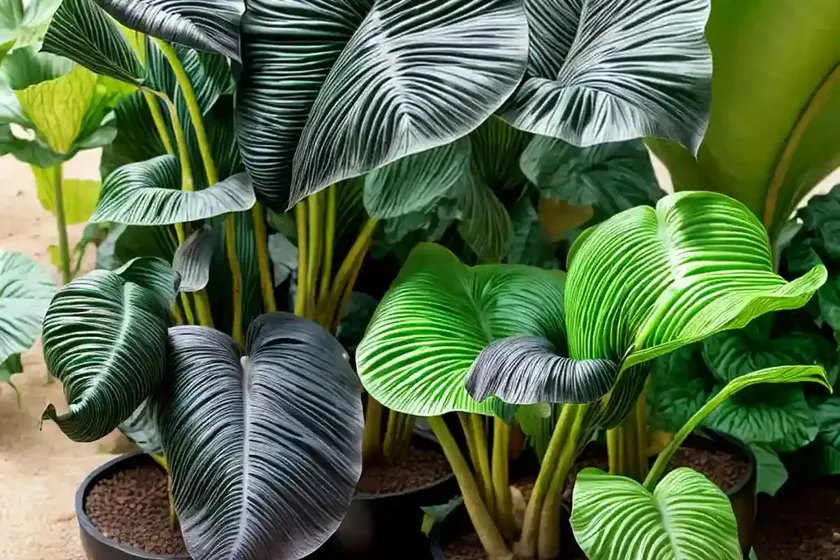
Colocasia esculenta ‘Fontanesii’, commonly known as the Black Stem Elephant Ear or Taro, is a stunning tropical plant prized for its large, showy leaves.
What is Colocasia esculenta ‘Fontanesii’?
Colocasia esculenta ‘Fontanesii’, commonly known as the Black Stem Elephant Ear or Taro, is a stunning tropical plant prized for its large, showy leaves and striking dark stems. As a member of the Araceae family, it is closely related to the more well-known Alocasia and Xanthosoma genera. The Colocasia genus is native to Southeast Asia and the Indian subcontinent, where it has been cultivated for centuries for its edible roots.
The ‘Fontanesii’ cultivar is particularly cherished for its ornamental value, making it a popular choice for landscaping, gardens, and indoor plant collections. Its impressive foliage and low maintenance requirements have earned it a special place in the hearts of plant enthusiasts and horticulturists alike.
Let’s delve into the captivating world of Colocasia esculenta ‘Fontanesii’ and unlock the secrets to its successful cultivation, care, and propagation.
Key Takeaways
Colocasia esculenta ‘Fontanesii’ Culture
- Scientific Name: Colocasia esculenta ‘Fontanesii’
- Common Names: Black Stem Elephant Ear, Taro
- Family: Araceae
- Origin: Southeast Asia, Indian subcontinent
Colocasia esculenta ‘Fontanesii’ Uses
- Ornamental: Ideal for landscaping, gardens, and indoor decor
- Culinary: Edible roots and leaves when properly prepared
Colocasia esculenta ‘Fontanesii’ Characteristics
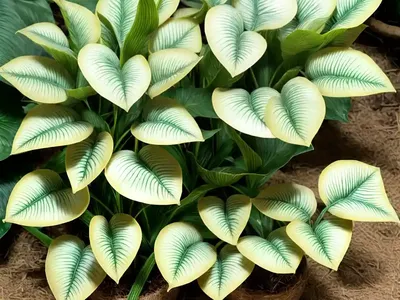
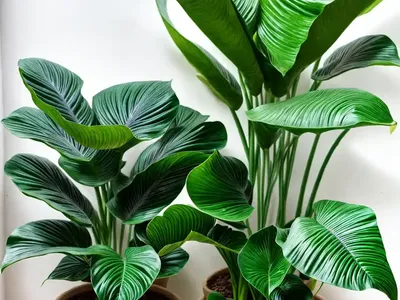
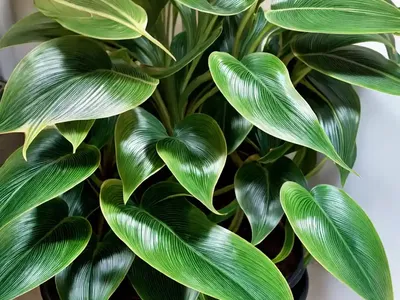
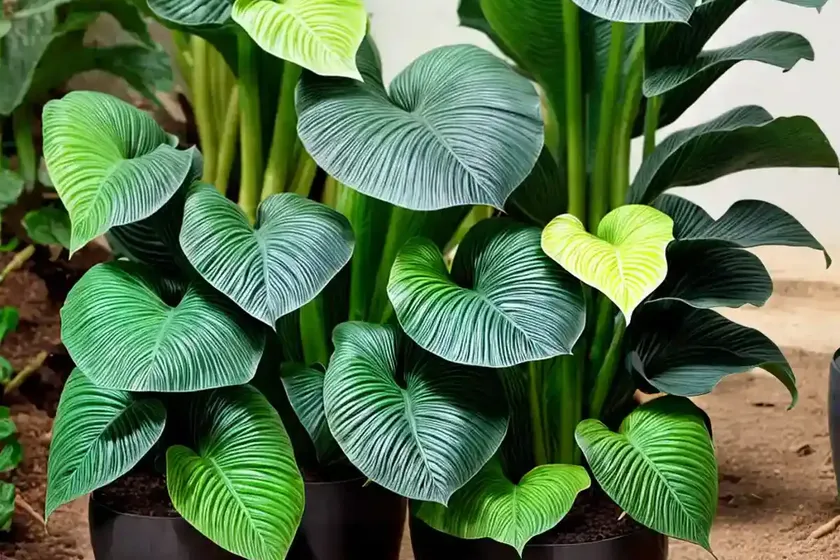
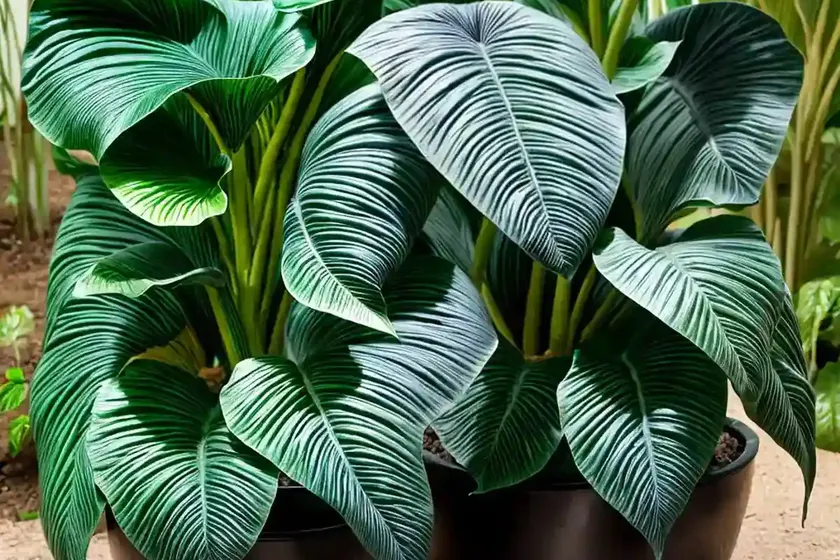
- Foliage: Large, heart-shaped leaves with prominent veins
- Stems: Dark, almost black stems that contrast beautifully with the leaves
- Growth Habit: Herbaceous perennial with a clumping growth pattern
Now, let’s explore the essential factors for successfully cultivating and caring for the magnificent Colocasia esculenta ‘Fontanesii’.
Water Requirements for Colocasia esculenta ‘Fontanesii’
Colocasia esculenta ‘Fontanesii’ thrives in consistently moist soil and appreciates ample hydration, especially during the growing season. However, it’s crucial to avoid waterlogging, which can lead to root rot and other complications. Here are some key watering guidelines for this tropical beauty:
- Frequency: Water regularly, ensuring that the soil remains evenly moist but not waterlogged.
- Drainage: Use well-draining soil to prevent water from accumulating around the roots.
- Adequate Moisture: Maintain a humid environment, particularly when cultivated indoors or in drier climates.
Watering Tips
- Mulching: Apply a layer of mulch around the base of the plant to help retain soil moisture.
- Avoid Drought: Monitor the moisture levels closely and avoid allowing the soil to dry out completely, especially during hot weather.
Sunlight Needs for Colocasia esculenta ‘Fontanesii’
Being a tropical plant, Colocasia esculenta ‘Fontanesii’ thrives in bright, indirect light and partial shade, replicating its natural habitat beneath the forest canopy. Here’s how to provide the optimal lighting conditions for this striking plant:
- Light Requirements: Place the plant where it receives bright, indirect sunlight, avoiding direct exposure to intense midday sun.
- Shade: Protect it from harsh afternoon sun, which can scorch the leaves.
Sunlight Care Tips
- Indoor Placement: Indoors, position the plant near a well-lit window where it can benefit from ample, filtered sunlight.
- Outdoor Location: Outdoors, select a sheltered spot with dappled sunlight to create the perfect ambiance for healthy growth.
Fertilizer for Colocasia esculenta ‘Fontanesii’
As a heavy feeder, Colocasia esculenta ‘Fontanesii’ benefits from regular feeding during the growing season to support its lush foliage and overall vigor. Choosing the right type of fertilizer and applying it at the appropriate intervals can greatly enhance the plant’s health and beauty.
Fertilization Guidelines
- Type: Utilize a balanced, water-soluble fertilizer designed for foliage plants to provide essential nutrients.
- Schedule: Feed the plant every two weeks during the growing season, tapering off in the cooler months.
- Dilution: Follow the manufacturer’s instructions for proper dilution and application rates.
Soil Requirements for Colocasia esculenta ‘Fontanesii’
To ensure the optimal growth and development of Colocasia esculenta ‘Fontanesii’, it’s crucial to provide a well-suited growing medium that offers the necessary nutrients and aeration.
Ideal Soil Characteristics
- Richness: Use a nutrient-rich, organically enriched soil to support robust growth and vitality.
- Drainage: Ensure good drainage to prevent waterlogging and the associated root problems.
- Acidity: Aim for a slightly acidic to neutral pH level in the soil, within the range of 5.5 to 7.0.
Soil Preparation Tips
- Amendments: Incorporate compost or well-rotted organic matter into the soil before planting to boost fertility and improve structure.
- Container Soil: When growing in containers, select a high-quality potting mix specifically formulated for tropical plants.
Pruning and Maintenance
Colocasia esculenta ‘Fontanesii’ typically requires minimal pruning, mainly for aesthetic purposes or to remove old, damaged foliage. Keeping the plant tidy and healthy through simple maintenance practices can help it reach its full decorative potential.
Pruning Guidelines
- Old Leaves: Trim away any yellowing or tattered leaves to maintain a neat appearance and encourage new growth.
- Deadheading: Remove spent flowers or seed heads to redirect the plant’s energy towards leaf and stem development.
Maintenance Measures
- Cleaning: Wipe the leaves occasionally with a damp cloth to remove dust and keep the foliage looking fresh.
- Support: Provide staking or gentle ties to secure the stems and prevent breakage, particularly in exposed outdoor locations.
Propagation of Colocasia esculenta ‘Fontanesii’
Want to expand your collection of Colocasia esculenta ‘Fontanesii’ or share its beauty with fellow plant enthusiasts? Propagation offers a rewarding way to multiply this captivating tropical specimen.
Propagation Methods
- Division: Divide established clumps in early spring, ensuring that each division has several healthy rhizomes and growing points.
- Offsets: Separate and plant offsets that develop around the base of the parent plant, encouraging them to establish as independent individuals.
- Cuttings: Root stem cuttings in a moist, well-draining medium to produce new plants.
Propagation Tips
- Timing: Plan propagation activities for the beginning of the active growing season to capitalize on the plant’s natural vigor.
- Care: Provide consistent moisture and gentle warmth to support the development of new roots and shoots.
Container Cultivation of Colocasia esculenta ‘Fontanesii’
Whether you’re cultivating Colocasia esculenta ‘Fontanesii’ indoors or creating a tropical oasis on your patio, containers offer a versatile and practical way to grow this striking plant.
Container Considerations
- Size: Select a spacious container that accommodates the plant’s mature size, allowing ample room for root development.
- Drainage: Choose a container with drainage holes to prevent waterlogging and associated problems.
- Mobility: Opt for a container that can be easily moved, particularly if you plan to bring the plant indoors during inclement weather.
Container Care Tips
- Watering: Adjust your watering regimen to suit the container environment, ensuring that the soil maintains consistent moisture without becoming waterlogged.
- Fertilization: Apply a balanced liquid fertilizer according to the plant’s needs, accounting for the confined growing space.
- Repositioning: Rotate the container periodically to promote even growth and prevent lopsided development.
Popularity of Colocasia esculenta ‘Fontanesii’
Colocasia esculenta ‘Fontanesii’ has garnered widespread popularity among plant enthusiasts and horticulturists for its stunning ornamental features and relatively undemanding nature.
Appeal to Gardeners
- Aesthetic Value: The large, distinctive leaves and striking black stems make it a standout addition to gardens and landscapes.
- Low Maintenance: Its adaptability and resilience make it an appealing choice for both novice and experienced gardeners.
- Versatile Use: It thrives as a focal point, a standout specimen in mixed plantings, or a lush background plant in various settings.
Indoors and Outdoors
- Indoor Decor: Its tropical allure and adaptable nature render it an excellent choice for indoor cultivation in homes and offices.
- Landscape Impact: In outdoor landscapes, it contributes a bold, exotic touch to tropical-themed gardens, pond edges, and shaded areas.
Common Diseases Affecting Colocasia esculenta ‘Fontanesii’
While Colocasia esculenta ‘Fontanesii’ is relatively resistant to diseases, it can fall victim to certain fungal and bacterial issues under unfavorable conditions. Identifying and addressing these ailments promptly is essential for maintaining the plant’s health and vitality.
Disease Diagnosis
- Leaf Spot: Characterized by the development of reddish-brown lesions or spots on the foliage, often due to excessive moisture or poor air circulation.
- Root Rot: Occurs when the plant’s roots are consistently waterlogged, leading to a decline in overall health and vitality.
- Bacterial Blight: Manifests as water-soaked lesions on leaves, often exhibiting a slimy appearance, and may spread rapidly under humid conditions.
Disease Management
- Cultural Practices: Ensure proper watering, adequate air circulation, and appropriate spacing to mitigate disease development and spread.
- Fungal Treatments: Apply a suitable fungicide as a preventive measure or in response to early signs of fungal infection to arrest further spread.
Common Pests Affecting Colocasia esculenta ‘Fontanesii’
Fortunately, Colocasia esculenta ‘Fontanesii’ is relatively resistant to most pests, but occasional infestations can occur, particularly in suboptimal growing conditions.
Pest Identification
- Aphids: Small, soft-bodied insects that feed on the undersides of the leaves, causing distortion and weakening of the plant.
- Spider Mites: Spider mites are common pests that may appear as tiny red or brown specks on the leaves, often leading to stippling and webbing on the foliage.
- Mealybugs: These small, cottony pests can cluster on the stems and leaf undersides, sapping the plant’s energy and causing decline.
Pest Control Measures
- Natural Predators: Encourage the presence of natural predators, such as ladybugs and lacewings, to combat aphids and other small pests.
- Horticultural Oil: Apply a fine horticultural oil as a safe and effective method to control spider mites and mealybugs without harming the plant.
Botanist’s Tips for Successful Colocasia esculenta ‘Fontanesii’ Cultivation
As a seasoned plant scientist with a passion for tropical flora, here are some golden tips to maximize the allure and vitality of your Colocasia esculenta ‘Fontanesii’:
- Warmth Matters: Ensure the plant enjoys consistently warm temperatures, as it thrives in tropical conditions with high humidity.
- Adequate Space: Allow plenty of room for this vigorous grower, both above and below ground, to prevent crowding and support optimal development.
- Seasonal Considerations: Adjust your care routine in response to seasonal changes, modifying water, light, and maintenance accordingly.
- Observation is Key: Regularly inspect the plant for signs of distress, pests, or diseases, addressing any issues promptly to maintain its health.
Fun Facts about Colocasia esculenta ‘Fontanesii’
- In addition to its ornamental value, Colocasia esculenta ‘Fontanesii’ has been cultivated for centuries for its starchy edible roots, which are a staple in many tropical cuisines.
- The large, dramatic leaves earned the plant the common name “elephant ear,” evoking the majestic size and shape of an elephant’s ear.
- The Black Stem Elephant Ear is often associated with tropical landscapes, conjuring images of lush rainforests and verdant, exotic gardens.
- Due to its tropical origins, Colocasia esculenta ‘Fontanesii’ is fond of comfortably warm temperatures and high humidity to support its rapid growth.
Links to External Resources
To further expand your knowledge and ensure the successful cultivation of Colocasia esculenta ‘Fontanesii’, I recommend exploring the following resources:
- Royal Horticultural Society – Colocasia esculenta ‘Fontanesii’
- University of Florida – Taro, Colocasia esculenta
- Missouri Botanical Garden – Colocasia esculenta
- North Carolina State University Extension – Ornamental Taro
In conclusion, Colocasia esculenta ‘Fontanesii’ is a tropical treasure that brings a splash of exotic elegance to gardens, landscapes, and indoor settings. By providing the optimal care, attention, and growing conditions, you can relish in the beauty and resilience of this remarkable plant, enjoying its impressive leaves and striking black stems for years to come.
With its ornamental allure, low maintenance requirements, and intriguing cultural history, the Black Stem Elephant Ear continues to captivate plant enthusiasts and gardeners around the world, fostering a deep appreciation for the captivating wonders of tropical flora.
And remember, don’t hesitate to reach out with any questions or share your own experiences with Colocasia esculenta ‘Fontanesii’—together, we can celebrate the splendor of this tropical delight!